Monday, October 10, 2011

A Review of the Disastrous Occupation of Palestine


More than six decades have passed since the tragic occupation of Palestine. All the main causes of this bloody tragedy have been identified and the colonialist English government is the most important cause. The policies, weapons and military, security, economic and cultural power of the English government and other arrogant western and eastern governments were put to the service of this great oppression. Under the ruthless clutches of the occupiers, the defenseless people of Palestine were massacred and forced out of their homes. Until today even one percent of the human and civil tragedy – which was carried out at that time by the claimants of civilization and ethics – has not been properly portrayed and this tragedy has not had its fair share in the media and visual arts. The owners of visual and cinematic arts and western movie mafias have not been willing to allow this to happen. An entire nation was massacred and displaced in silence.

Certain instances of resistance emerged at the beginning, which were harshly and ruthlessly crushed. From outside Palestinian borders and mainly from Egypt, a number of men with Islamic motives made certain efforts which were not sufficiently supported and could not have an effect on the scene.

Afterwards there were full-scale and classical wars between a few Arab countries and the Zionist army. Egypt, Syria and Jordan mobilized their military forces, but the unconditional, massive and increasing military and financial support of America, England and France for the Zionist regime overwhelmed Arab armies. Not only did they fail to help the Palestinian nation, but they also lost an important portion of their territories during these wars.

After the weakness of Palestine’s Arab neighbors was revealed, cells of organized resistance were gradually established in the form of armed Palestinian groups and after a while they came together to form the Palestinian Liberation Organization. This was a spark of hope which shone brightly, but it did not last long. This failure can be attributed to many factors, but the essential factor was their separation from the people and from their Islamic beliefs and faith. Leftist ideology or mere nationalistic sentiments were not what the complicated and difficult issue of Palestine required. Islam, jihad and martyrdom were the factors that could have encouraged an entire nation to step into the arena of resistance and turned it into an invincible force. They did not understand this properly. During the first few months of the great Islamic Revolution, when the leaders of the Palestinian Liberation Organization had found a new spirit and they used to visit Tehran repeatedly, I asked a pillar of the organization why they did not raise the flag of Islam in their righteous battle. His answer was that there were a number of Christians among them as well. Later on that person was assassinated by the Zionists in an Arab country and I hope Allah the Exalted has bestowed mercy on him. But his reasoning was flawed. I believe a faithful Christian who fights alongside a group of selfless mujahids – who carry out jihad in a sincere way while having faith in God, the Day of Judgment and divine assistance – would be more motivated to fight than a Christian who has to fight alongside a group of people who lack faith, rely on unstable sentiments and lack loyal support of the people.

Lack of firm faith and separation from the people gradually made them neutral and ineffective. Of course there were honorable, motivated and valorous men among them, but the organization went off in a different direction. Their deviation has been a blow to the issue of Palestine. Like certain treacherous Arab governments, they too turned their back on the ideal of resistance which has been the only way of saving Palestine. And of course not only did they deliver a blow to Palestine, but they also delivered a strong blow to themselves. 

As the Christian Arab poet says,
لئن اضعتم فلسطيناً فعيشكم          طول الحياة مضاضات و آلامٌ

Thirty two years were spent in this misery, but suddenly God’s hand of power turned the tables. The victory of the Islamic Revolution in Iran in the year 1979 completely changed the conditions of this region and turned a new page. Among the amazing global effects of this Revolution and the strong blows that it delivered to arrogant policies, the blow to the Zionist government was the clearest and the most immediate. The statements of the leaders of that regime during those days are interesting to read and they show how unhappy and anxious they were. During the first few weeks after the victory, Israel’s embassy in Tehran was closed down and its staff was expelled. The embassy was officially given to the Palestinian Liberation Organization whose representatives are still there. Our magnanimous Imam announced that one of the goals of the Revolution was to liberate Palestine and to remove the cancerous tumor, Israel. The powerful waves of this Revolution, which engulfed the entire world at that time, conveyed this message wherever it reached: “Palestine must be liberated.” Even the repeated and great problems that the enemies of the Revolution imposed on the Islamic Republic of Iran failed to discourage the Islamic Republic from defending Palestine. One instance of the problems that they caused was the eight-year war waged on Iran by Saddam Hussein who had been goaded by America and England and was supported by reactionary Arab governments.

Thus, new blood was pumped into the veins of Palestine. Muslim mujahid groups started to emerge in Palestine. The Lebanese Resistance formed a powerful and new front against the enemy and its supporters. Instead of relying on Arab governments and seeking help from global organizations such as the United Nations, which were accomplices of the arrogant powers, Palestine started to rely on itself, its youth, its deep Islamic faith and its selfless men and women. This is the key to all achievements.

Over the past three decades this process has been accelerated on a daily basis. The humiliating defeat of the Zionist regime in Lebanon in the year 2006, the humiliating failure of the arrogant Zionist army in Gaza in the year 2008, the Zionist regime’s escape from South Lebanon and withdrawal from Gaza, the establishment of the resistance government in Gaza and in brief, changing the Palestinian nation from a group of helpless and hopeless people to a hopeful, resistant and self-confident nation – these were the outstanding characteristics of the past thirty years.

This general picture will be clear when attempts at compromise and treacherous activities – whose goal is to break down resistance and make Palestinian groups and Arab governments acknowledge the legitimacy of Israel – are also reflected upon in an appropriate way.

These activities, which were initiated with the Camp David Accords by the treacherous and unworthy successor of Gamal Abdel Nasser, have always been aimed at undermining the steely determination of resistance forces. During the Camp David Accords, for the first time an Arab government officially acknowledged that the Palestinian lands belonged to the Zionists and it signed the papers according to which Palestine was recognized as the homeland of Jews.

From that time until the Oslo Accords in the year 1993 and later on in complementary plans – which were imposed one after the other on compromising and careless Palestinian groups with the intervention of America and the cooperation of colonialist European governments – the enemy tried its best to discourage the Palestinian nation and Palestinian groups from resisting through the use of empty and deceptive promises and making them busy with amateur political games. The uselessness of all these accords was revealed very soon and the Zionists and their supporters repeatedly showed that they consider these accords as worthless pieces of paper. The goal of these plans was to create doubt among the Palestinians, make materialistic unbelievers greedy and cripple Islamic resistance.

So far, the spirit of resistance among the Islamic Palestinian groups and the Palestinian people has been the antidote to all these treacherous games. They stood up against the enemy with Allah’s permission and as promised by God, they benefited from divine assistance: “And surely Allah will help him who helps His cause. Most surely Allah is Strong, Mighty.” [The Holy Quran, Sura al-Hajj, Ayah 40] The resistance of Gaza in spite of a comprehensive siege was an instance of divine assistance. The collapse of the treacherous and corrupt government of Hosni Mubarak was divine assistance. The emergence of the powerful wave of Islamic Awakening in the region is divine assistance. The removal of the mask of hypocrisy from the face of America, England and France and the increasing hatred of the regional nations towards these countries are divine assistance. The repeated and innumerable problems of the Zionist regime – from its domestic political, economic and social problems to its isolation in the world, to public and even academic hatred of the Zionists in Europe – are all instances of divine assistance.

Today the Zionist regime is weaker, more hated and more isolated than ever before and its main supporter, America, is more embattled and confused than ever before.

Today the general history of Palestine in the past 60 years is in front of our eyes. It is necessary to delineate the future by considering that general history and learning lessons from it.


(Supreme Leader’s Speech at International Conference on Palestinian Intifada -01/10/2011)

Friday, August 26, 2011

Arabization of Pakistan: Bringing the desert home


 August 26, 2011
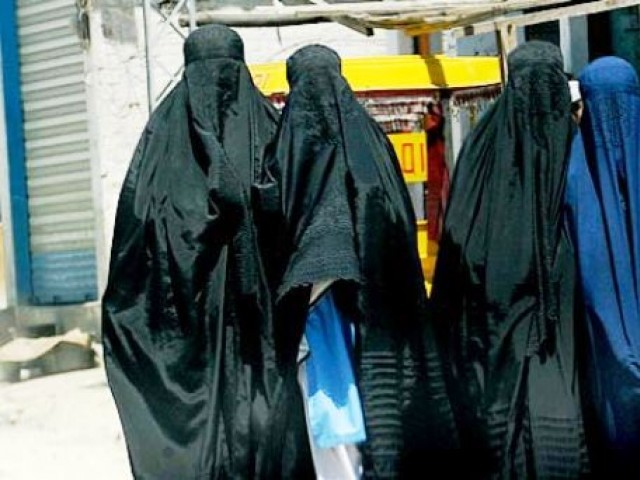
Abaya was an unknown word in Urdu language PHOTO: AFP
There was a land of cavaliers and cotton fields called the Old South. Here in this pretty world, Gallantry took its last bow. Here was the last ever to be seen of Knights and their ladies fair, of Master and of Slave. Look for it only in books, for it is no more than a dream remembered, a civilization gone with the wind.
– An introductory foreword to the film Gone with the Wind (1939)
Civilizations can never be made up, this is all hitherto history has to tell us, but yes they can be ruined to irretrievable notwithstanding. Societies are never absolute in their very essence. This is the natural organic flow of events that weaves the edifice of a society over the time period by encompassing the divergent customs, languages, dogmas and traits. The final synthesis, what we call a society, is the one to impart the distinguishing identity to its adherents. The more firm the foundations of society, the more preeminent will be the identity yielding out of it. Societies are prone to decadence only when they cease to embrace the extrinsic flavors or when become the subject of deliberate acculturation. Later is the case with ‘the land of pure’ which, as for some, is yet to be more pure
Pure is the word and Arabization is the synonym.
Pure of what?
Pure of the specter of the pre-partition Indian identity that was the congenital inheritance of Indian Muslims bestowed on them by the indigenous society that had evolved over hundreds of years by the commingling of various cultures and civilizations.
Plagued by quandary, the Pakistani state, after the partition, was quick to embrace the pan-Islamic identity embellished with salient features of Arabian Peninsula whilst cunningly blending it with religion in order to render it more acceptable for the local populace. The identity engineers considered it the last resort to homogenize the diverse local cultures and vernacular languages by binding them in a construct emanated from religion based identity. That was fall of Dhaka that led to expedition of the Arabization process.
Eminent historian Dr Mubarak Ali explains the predicament in the words:
“Since its inception Pakistan has faced the monumental task of formulating its national identity separate from India. Partitioned from the ancient civilization of India, Pakistan has struggled to construct its own culture; a culture not just different and unique from India, but one appreciable by the rest of the world. ..The tragedy of 1971 [when Bangladesh separated] brought a shock to the people and also a heavy blow to the ideology of Pakistan… More or less convinced of their Islamic heritage and identity, Pakistan’s government and intelligentsia consciously attempted to Islamize the country.”
History itself has been the cardinal victim since antiquity in the hands of plunderers who deem it their foremost target for their ulterior motives. That’s what happened here. History, taught in public schools, starts from the arrival of Muslim Arabs and ends at carving a Muslim state out of Hindu India. Everything else has been rendered smokescreen.
The past, prior to Muhammad Bin Qasim, is a direct threat to the engineered Arab identity as it was obviously Hindu-Buddhist so omitted. The puritans, Aurangzeb Alamgir and Ahmad Sirhindi, get all praise since they are in line with the unyielding version of Arab Islam whilst heretic Akbar is accused of creating a new religion ignoring the fact that people were far better off in Akbar’s era. There’s not even a single mentioning of inter-faith harmony Dara Shikow had been preaching given that there’s no space whatsoever for trans-religious approach in a society aimed for adherents of single creed.
Plunderer Mehmud Ghaznavi has been denominated as ‘idol-breaker’ merely to glorify the unified Islamic triumphalism over the misbeliever India. This systematic maligning of young minds is not confined to only government educational institutes but by an act of parliament, passed in 1976, all private schools are also required to follow this curriculum.
Rubina Saigol, an expert on education says:
“Our state system is the biggest madrasa. We keep blaming madrasas for everything and, of course, they are doing a lot of things I would disagree with. But the state ideologies of hate and a violent, negative nationalism are getting out there where madrasas cannot hope to reach.”
Over the last three decades Pakistan has seen some drastic changes in societal demeanor and etiquettes ranging from language to customs. Dissemination of construct based on the Arab identity is bearing fruit.
Abaya’ that was an unknown word in Urdu language has now become the benchmark of the fictitious morality that is the ultimate result of deliberate assimilation of arid Arab culture. Even the moderate ones are obliged to wear Abaya to meet the newly contrived moral standards of society. ‘Chaadar aur Char Dewaari’ (veiled behind high brick walls) policy of dictator Zia-ul-Haq is turning out to be the worst kind of oppression of women, along with the laws like Hudood ordinance enacted during his regime.
Even the language has not been spared amidst this whole drivel of purification. Article 31/2 (a) of Constitution of Pakistan states:
“The State shall endeavor, as respects the Muslims of Pakistan to make the teaching of the Holy Quran and Islamiat compulsory, to encourage and facilitate the learning of Arabic language.”
 What’s that?
A pathetic attempt to make Arabic lingua franca for Pakistan where less than 1 per cent population can understand Arabic?
What about the divergent local languages or even the so-called national language?
The most common but glaring example that may be put forward to underline the predicament is gradual replacement of the Indo-Persian ‘Khuda Hafiz’ with Arabic ‘Allah Hafiz’ implying that Arabic Allah is the only proper word for God.  Khuda is an Indo-Persian term to say God. It is built on the same building blocks that other Indo-European languages use. The English say God, Germans say Gott or Gutt, Persians say Khuda. The G is a variation of Kh and the utt or od is a variation of “uda”. They’re very similar. On the other hand, Arabic is Afro-Asiatic language. By taking a look to other Semitic languages such as Hebrew, they are very near to Arabic flavor. As for instance Jews say Elohim that sounds very familiar while reciting the word ‘Allah’. Where do the attributes of God come into the matter from? Some of the 99 names of God have their origins in classical Hebrew instead of Arabic. So in the view of this logic should those be abandoned too?
Renowned scholar Dr Pervez Hoodbhoy sheds the light on the issue:
“Persian, the language of Mughal India, had once been taught as a second or third language in many Pakistani schools. But, because of its association with Shiite Iran, it too was dropped and replaced with Arabic. The morphing of the traditional “Khuda hafiz” (Persian for “God be with you”) into “Allah hafiz” (Arabic for “God be with you”) took two decades to complete. The Arab import sounded odd and contrived, but ultimately the Arabic God won and the Persian God lost.”
An interesting aspect of this whole phenomenon is the puritanical version of Islam i.e. Salafism/Wahabism that is predominately a phenomenon traces its roots to Arabian Peninsula and has been instrumented by the identity surgeons to homogenize the cultures that have not even an infinitesimal thing in common – consequences are horrible. This unyielding interpretation of Islam puts great emphasis on rituals and codes of conducts than on substance quite contrary to the Indian version of Islam that is marked with local customs evolved over the centuries through intermingling of diverse doctrines.
All religions have two aspects that are theological beliefs related to one’s relationship with divine reality and sociological beliefs comprising of social behaviors dealing with human society. The former remain more or less absolute in their very nature while the later do change with the passage of time when religions go trans-regional.
Problems predominately start erupting when the sociological beliefs are subjugated by state to implement and propagate hidden agendas. These sociological beliefs then lay the bases of hatred, bigotry and misogyny. This is what has been done in land of the pure in the name of purifying religion by escalating a particular expression of religion to the stature of only-viable-interpretation-of-Islam. God has been portrayed as some Arabic speaking deity who is restricted to ethno-linguistic boundary which is clearly in contradiction of message of religion.
As the Holy Quran says:
“Another of His signs is the creation of the heavens and earth, and the diversity of your languages and color. There truly are signs in this for those who know” (30:22). There is also this famous verse: “O people, we created you from the same male and female, and rendered you distinct peoples and tribes, so that you may know one another.” (49:13)
As for elaborating further the above discussed phenomenon take the example of Madrassas in Pakistan. They are the social sites for the reproduction of Islamic orthodoxy. Hence, to say that the ideological orientation of madrassa education is conservative is to state the obvious.
The madrassas in Muslim South Asia teach a curriculum known as Dars-i-Nizami, first introduced by Mullah Nizamuddin Sihalvi (d.1747) who was a scholar of some repute in Islamic jurisprudence and philosophy in Lucknow. But this was only during the last two decades of twentieth century when they became involve in militancy despite having the two hundred years apathetic history.
The curriculum of madrassas has been the same for about 150 years which is most pacifist in nature. Its approach to Islam is ultra-conservative, literal, legalist and sectarian, but definitely not revolutionary or militant. If it were the militant tendencies of madrassas could have been observed during the most volatile events like: partition, fall of Dhaka and Indo-Pak wars.
What happened during the last two decades of twentieth century?
A classic example of importing doctrine is not-so-secret now and the answers lie with the diplomats and generals who were power brokers in Islamabad, Kabul, Riyadh and Langley, VA at that time.
Kamal Azfar, a Pakistani writer, states the dilemma in words:
“There are two concepts of Pakistan: the first empirical and the second utopian. The empirical concept is based on solid foundations of history and geography while the utopian concept is based on shifting sands. Utopia is not an oasis but a mirage… Samarqand and Bukhara and the splendors of the Arab world are closely related to us but we do not possess them. Our possessions are Mohenjo Daro and Sehwan Sharif, Taxila and Lahore, Multan and the Khyber. We should own up to all that is present here in the Indus Valley and cease to long for realities not our own for that is false-consciousness.”
To conclude, I will take liberty to speak for the third generation, who has the privilege to breathe in the air of this still-not-so-pure-land and is Pakistani now.
I’m not going to mourn the Indus Valley civilization, but what is the substitute they offer me if it is not desert?
The bitter reality is that I don’t have a clue of half of indigenous literature that has been written in Persian.
I have nothing whatsoever against religion, but how would they justify the attacks on the shrines of my land?
I’m all for endorsing their policies, but what is the vindication they have of myriads of dead bodies of my country-fellows?
I’m ready to relinquish Khusro, Ghalib, Bhittai, Bullah, Rahman Baba and Gul Khan, but can they introduce me to an equivalent of this stature?
I shall not question them, but will they care to tell me, ‘who am I’?

சர்வதேச குத்ஸ் தினம்


புனித ரமழான் மாதத்தின் கடைசி வெள்ளிக்கிழமை வருடாந்தம் குத்ஸ் தினம் அல்லது சர்வதேச குத்ஸ் தினம் என அழைக்கப் படுகின்றது. இதன்படி இவ்வாண்டு இந்தத் தினம் ஓகஸ்ட் மாதம் 26 ஆம் திகதி அனுஷ்டிக்கப்படுகின்றது.
இஸ்ரேலிய சியோனிஸ வாதிகளின் இரும்புப் பிடியில் சிக்கித் தவிக்கும் பலஸ்தீன மக்களின் விடுதலைக்காக அவர்களுடனான உலக முஸ்லிம்களின் ஒருமைப்பாட்டை வெளிப்படுத்துவதற்காகவே இன்றைய தினம் அனுஷ்டிக்கப்படுகின்றது.
இந்த எண்ணக்கருவை உலகுக்கு முதல் முதலில் அறிமுகம் செய்தவர் ஈரான் இஸ்லாமியப் புரட்சியின் தலைவர் மறைந்த இமாம் கொமெய்னி ஆவார். இஸ்லாமியப் புரட்சியின் தொடராக 1979 ஆகஸ்டில் அவர் இந்தப் பிரகடனத்தைச் செய்தார். அன்று முதல் ஈரான் இஸ்லாமியக் குடியரசில் இது அரச ஆதரவுடன் கூடிய மாபெரும் மக்கள் பேரணிகளுடன் கூடிய ஒரு வருடாந்த நிகழ்வாக அனுஷ்டிக்கப்பட்டு வருகின்றது.
காலப்போக்கில் முழு முஸ்லிம் உலகமும் இந்த எண்ணக்கருவை ஏற்றுக்கொண்டன. இன்று முழு முஸ்லிம் மற்றும் அரபு உலகிலும் இன்றைய தினம் சர்வதேச குத்ஸ் தினமாக அனுஷ்டிக்கப்பட்டு வருகின்றது.
முஸ்லிம்களின் முதலாவது கிப்லாவான மஸ்ஜிதுல் அக்ஸா அமைந்துள்ள ஜெரூஸலம் இன்று இஸ்ரேலிய ஆதிக்க வெறியர்களின் கரங்களில் சிக்குண்டுள்ளது. இதை விடுவிப்பதற்காக உலக முஸ்லிம்கள் அனைவரும் தமது சகோதரத்துவத்தை வெளிப்படுத்தும் வகையில் இன்றைய தினங்களில் ஆர்ப்பாட்டங்களையும், பேரணிகளையும் நடத்தி இஸ்ரேலுக்கு எதிரான தமது குரலை வெளிப்படுத்தி வருகின்றனர்.
இன்றைய தினத்தின் பிரதான குறிக்கோள் பலஸ்தீன மக்களுக்கு ஆதரவாக குரல்கொடுப்பதும், அவர்களுடனான சகோதரத்துவத்தை வெளிப்படுத்துவதுமாகும். ஜெரூஸலத்தை விடுவிப்பதற்காகப் பாடுபட வேண்டியது உலக முஸ்லிம்கள் அனைவரினதும் கடமையாகும் என்று சர்வதேச குத்ஸ் தின பிரகடனத்தில் இமாம் கொமெய்னி அவர்கள் குறிப்பிட்டுள்ளார்கள்.
பலஸ்தீன மக்களின் சட்டபூர்வமான உரிமைகளை நிலைநாட்ட உலக முஸ்லிம்கள் அனைவரும் ஓரணியில் திரள வேண்டும் என அவர் அன்றே அழைப்பு விடுத்தார். 1979 இல் விடுக்கப்பட்ட இந்த அழைப்பு இன்று உலக முஸ்லிம்களின் செவிகளை மொத்தமாகச் சென்றடைந்துள்ளது. இன்று உலக முஸ்லிம் நாடுகளில் ஏற்பட்டுள்ள மக்கள் விழிப்புணர்வு கூட இந்த அழைப்பின் தாக்கத்தால் விளைந்தது என்று கூறினால் அது மிகையாகாது.
பல ஆண்டுகளாக அப்பாவி பலஸ்தீன மக்கள் இஸ்ரேலின் அச்சுறுத்தல்களுக்கும், ஆபத்துக்களுக்கும் முகம் கொடுத்தவர்களாகக் காணப்படுகின்றனர். தென் லெபனான், காஸா ஆகிய பகுதிகளில் உள்ள அப்பாவி மக்கள் அன்றாடம் சொல்லொணா துன்புறுத்தல்களுக்கும் முகம் கொடுத்தவர்களாகவே வாழ்ந்து வருகின்றனர்.
பால், வயது வித்தியாசங்கள் எதுவுமின்றி இந்தக் கொடுமைகள் இன்றும் தொடருகின்றன. இன்று இஸ்ரேலியப் படைகள் பொழுது போக்காக குண்டு வீசி விளையாடும் மைதானமாக பலஸ்தீன் பிரதேசங்கள் மாறிவிட்டன.
இஸ்ரேலின் போஷகரான அமெரிக்காவில் தயாரிக்கப்படும் நாசகார ஆயுதங்களின் பரீட்சார்த்த பூமியாகவும் பலஸ்தீனம் மாறிவிட்டது. எனவே இந்தக் கொடிய சக்திகளின் கரங்களைத் துண்டிப்பதற்காக, உலக முஸ்லிம் அரசுகள் ஓரணியில் திரள வேண்டிய காலம் வந்துவிட்டது.
சர்வதேச குத்ஸ் தினமாக புனித ரமழான் மாதத்தின் கடைசி வெள்ளிக்கிழமையை தெரிவு செய்ய இதுவும் ஒரு காரணமாகும். ரமழான் திட சங்கற்பத்திற்கான ஒரு மாதம், பலஸ்தீன மக்களின் தலைவிதி குறித்து உலக முஸ்லிம் சமூகம் திடசங்கற்பம் பூணவேண்டிய ஒரு காலம் இதுவாகும்.
உலகம் முழுவதும் பலஸ்தீன மக்களுடனான ஒருமைப்பாட்டை வெளிப்படுத்தி கூட்டங்களையும், ஆர்ப்பாட்டங்களையும் நடத்துவதன் மூலம் அந்த மக்களுக்கான தார்மீக உரிமைகளுக்கான ஆதரவை உலக முஸ்லிம்கள் வெளிப்படுத்த முடியும். மேலும் அடக்குமுறையாளர்களுக்கு எதிரான அப்பாவி பலஸ்தீனர்களின் போராட்டம் வெற்றி பெற வேண்டும் என எல்லாம் வல்ல இறைவனிடம் பிரார்த்திக்க வேண்டியதும் உலக முஸ்லிம்களின் கடமையாகும்.
இன்று குத்ஸ் தினம் ஒரு சர்வதேச தினமாகும். ஆனால் இது பலஸ்தீன விடுதலைக்கு அல்லது மஸ்ஜிதுல் அக்ஸாவின் விடுதலைக்கு மட்டும் ஆதரவு தெரிவிக்கும் ஒரு தினம் அல்ல. இது அநியாயக்கார ஆக்கிரமிப்பு சக்திகளுக்கு எதிராகப் போராடும் அடக்கி ஒடுக்கப்பட்ட பலவீனப்படுத்தப்பட்ட எல்லா மக்களுக்கும் ஆதரவு தெரிவிக்கும் ஒரு தினமாகும். குறிப்பாக அமெரிக்காவினதும் ஏனைய மேலைத்தேய சக்திகளினதும் நெருக்குதலில் சிக்கித் தவிக்கும் நிர்க்கதியான மக்களுக்கு ஆதரவு தெரிவிக்கும் ஒரு தினமாகும்.
சர்வதேச குத்ஸ் தினம் என்பது ஒடுக்கப்பட்ட தேசங்களில் வாழும் அப்பாவி மக்களின் எதிர்காலத்தைத் தீர்மானிக்கும் ஒரு தினமாகும். அடக்கி ஒடுக்கப்பட்ட நாடுகள் அடக்குமுறையாளர்களுக்கு எதிராகக் குரல் எழுப்பி தமது இருப்பைத் தக்க வைத்துக் கொள்வதற்காக குரல் கொடுக்கும் ஒரு நாளாகும்.
இந்த வகையில் அந்த மக்கள் ஈரான் இஸ்லாமியக் குடியரசை ஒரு உதாரணமாகக் கொள்ள வேண்டும். ஆதிக்க வெறியர்களையும் அடக்கு முறையாளர்களையும் குப்புறத் தள்ளி அவர்களின் முதுகின் மேல் ஏறி நின்று வெற்றிக் கொடி நாட்டிய ஒரு தேசம் ஈரானாகும். தொடர்ந்தும் ஈரான் இந்த வெற்றியைத் தனதாக்கி வருகின்றமை இன்றும் கண்கூடாகக் காணக்கூடிய ஒன்றாகும். ஈரானைப் போல் எல்லா முஸ்லிம் நாடுகளும் ஒன்றிணைந்து உலகை ஆட்டிப் படைக்கும் இந்த விஷ ஜந்துக்களை அழித்தொழிக்க சபதம் செய்ய வேண்டிய நாள் இன்றாகும்.
அடக்கி ஆளப்படும் அப்பாவி மக்களை அவர்கள் பாட்டில் தமது சொந்த நாடுகளில் நிம்மதியாக வாழ விட்டுவிட்டு இந்த ஆதிக்கச் சக்திகள் தமது சொந்த நாடுகளை நோக்கி மூட்டை கட்ட வேண்டிய காலம் வந்துவிட்டது என்பதை அவர்களுக்கு உணர்த்துவதற்காக உலக முஸ்லிம்கள் தமது குரல்களை ஓங்கி ஒலிக்கச்செய்ய வேண்டிய தினம் இன்றாகும்.
இஸ்ரேல் என்பது மனித குலத்தின் எதிரி, மனிதப் பண்புகளின் எதிரி. இந்த எதிரி தான் பலஸ்தீனத்திலும், தென் லெபனானிலும் அப்பாவிப் பொது மக்களுக்கு எதிராக அன்றாடம் குழப்பங்களை ஏற்படுத்தி வருகின்றது. அந்த மக்களின் நிம்மதியையும், சமாதானத்தையும் குழப்பி வருகின்றது. இந்த இஸ்ரேலிய விஷமிகளின் எஜமானர்களை இனிமேலும் உலகம் ஏற்றுக்கொள்ளத் தயாரில்லை என்பதை இஸ்ரேல் புரிந்துகொள்ள வேண்டிய நேரம் வந்துவிட்டது.
இஸ்ரேலும் அதன் எஜமானர்களும் தோற்கடிக்கப்படும் காலம் வெகு தூரத்தில் இல்லை. இவர்கள் ஆதிக்கம் செலுத்தும் நாடுகளில் இருந்து இவர்களின் கரங்கள் துண்டிக்கப்படும் நாள் நெருங்கிவிட்டது. இஸ்லாமிய நாடுகளில் இருந்து இஸ்ரேல் அதன் எஜமான்கள், மற்றும் ஏஜன்டுகள் விலகிச் செல்ல வேண்டிய காலம் நெருங்கிவிட்டது என்பதை உணர்த்துவதற்கான ஒரு நாளே இன்றைய சர்வதேச குத்ஸ் தினமாகும்.
இத்தகைய உண்மைகளை இஸ்லாத்துக்கும் முஸ்லிம்களுக்கும் எதிரான தீயசக்திகளுக்கு உணரச் செய்யும் ஒரு உன்னதமான நாளே இன்றைய நாளாகும். இந்த அறிவிப்பை உலகம் முழுவதும் விடுப்பதற்காகவே இன்றைய தினம் அனுஷ்டிக்கப்படுகின்றது. இஸ்லாத்துக்கும் முஸ்லிம்களுக்கும் எதிராக தீய சக்திகள் காணும் கனவு வெறும் கனவுதான்.
அது ஒருபோதும் நனவாகப் போவதில்லை என்ற நம்பிக்கையை உலக முஸ்லிம்களின் உள்ளங்களில் விதைக்கச் செய்யும் நாளே இன்றைய நாளாகும். முஸ்லிம் நாடுகள் வெகு விரைவில் தமக்கே உரிய பிரத்தியேகமான சட்ட திட்டங்களுடன், கலாசார பாரம்பரியங்களுடன் தமது விடயங்களை தாமே நிர்வகித்துக் கொள்ளும் காலம் வெகு விரைவில் மலரப் போகின்றது என்ற நம்பிக்கையை அந்த நாட்டு மக்களுக்கு வலுவாக ஊட்டும் நாளே இன்றைய நாளாகும்.
சர்வதேச குத்ஸ் தினம் இஸ்லாத்தின் தினமாகும். அது இஸ்லாமிய மறுமலர்ச்சிக்கான தினமாகும். எனவே இஸ்லாத்தின் மறுமலர்ச்சிக்காகவும், இஸ்லாமிய நாடுகளில் இருந்து ஆதிக்க வல்லரசுகளை விரட்டியடித்து மீண்டும் அங்கு மக்களாட்சி மலர இன்றைய தினத்தில் பிரார்த்திப்போமாக.
இன்றைய தினம் எல்லா வல்லரசுகளுக்குமான ஒரு எச்சரிக்கை தினமாகும். இஸ்லாமிய நாடுகளையோ, அவற்றின் மக்களையோ இனிமேலும் இந்த ஆதிக்க சக்திகளின் அல்லது அவர்களின் கூட்டாளிகளின் கட்டுப்பாட்டில் வைத்திருக்க முடியாது என்ற எச்சரிக்கையை அவர்களுக்கு விடுக்கும் தினமே இன்றைய தினமாகும்.
குத்ஸ் தினம் முஸ்லிம்களின் விழிப்புணர்வுக்கான தினமாகும். முஸ்லிம்கள் தமக்குள்ளே பொதிந்து கிடக்கும் ஆத்மீக மற்றும் லெளகிக பலங்களை உணர்ந்து கொள்வதற்கான ஒரு தினமாகும்.
நூறு கோடிக்கும் அதிகமான ஒருமக்கள் தொகை, அந்த மக்களுக்கே உரித்தான இஸ்லாம் என்ற தனித்துவமான தெய்வீக வழிகாட்டலும், இறை ஆதரவும், கொண்ட ஒரு பலம் பொருந்திய சமுதாயமாக அவர்கள் இருக்கையில் எதற்காக இந்த போலிச் சக்திகளையும் ஆரவாரங்களையும் கண்டு உலக முஸ்லிம்கள் அஞ்ச வேண்டும்? இஸ்லாம் தோற்கடிக்க முடியாத ஒரு சக்தி என்பதை இந்த ஆதிக்க வெறியர்களுக்கு முஸ்லிம்கள் உணர்த்த வேண்டும்.
இஸ்லாமும் அதன் போதனைகளும் உலக முஸ்லிம் நாடுகளில் நீடித்து நிலைக்க வேண்டும். அதற்காக இன்றைய தினத்தைப் பயன்படுத்த வேண்டும்.

Tuesday, June 21, 2011

Imam Khomeini and the centrality of leadership in the Islamic movement

Every June, ceremonies are held to commemorate the passing away of Imam Khomeini in 1989. This year, these ceremonies gain added significance in view of the uprisings underway in the Muslim East. Zafar Bangash, Director of the Institute of Contemporary Islamic Thought, compares the Imam’s leadership with the near-leaderless movements in the Muslim East.


The Muslim East, commonly referred to as the Middle East, has been in the throes of peoples’ uprisings since December 2010. In two countries long-entrenched dictators — General Zine el-Abidine Ben Ali of Tunisia and Hosni Mubarak of Egypt — were driven from their palaces, while in others, the remaining sentries of Western neo-colonialism are barely clinging to power, fighting ruthlessly to retain it. These include Ali Abdullah Saleh in Yemen, the Khalifah family in Bahrain, Colonel Muammar Qaddafi in Libya, Abdullah in Jordan and Bashar al-Assad of Syria. How long these rulers will remain in power is not clear.

Comparison of the leadership qualities of Imam Khomeini and the Islamic movement he led to success in bringing about an Islamic revolution in Iran and the lack of leadership in the civil uprisings in the rest of the Muslim East is in order. This may explain why the initial momentum that would be expected to lead to societal liberation may be aborted even before any gains are institutionalized in the form of just policies, free constituency building leading to effective representation, more equitable distribution of resources, and re-evaluation of past treaties.

First, let us reflect on common features that are discernable in all the movements in the Muslim East. All appear leaderless or at least no single leader has emerged on the scene. Following from this, there is no clear directional course set for the movement. These uprisings, dubbed the Arab Awakening, are demanding the overthrow of brutal dictators that have either imposed themselves, or more likely, been imposed on the people for far too long. There also appears to be some confusion regarding the nature of the prevailing systems in their societies. Not one movement has publicly and unambiguously called for dismantling the existing systems or cutting down to size the top-heavy militaries, which act as praetorian guards for the status quo even if rulers like Ben Ali of Tunisia and Mubarak of Egypt have been forced out of office. In both countries and in the others, the militaries are at the forefront of crushing the peoples’ aspirations. In some places — Libya and Syria, for instance — the uprisings also have covert or even open external support. In the case of Bahrain, foreign troops — Saudi and Emirati — equipped with American weapons and war materiel have been rushed in to prop up the oppressive Khalifah regime. The common feature in all these countries is the call for freedom, elections, responsible representation, and better job opportunities.

These uprisings began in an unlikely locale: Tunisia — not on many observers’ radar screens to trigger such fast-paced changes in the Muslim East. To their credit, the people of Tunisia were the first to overcome fear. It is a powerful weapon used by oppressors everywhere to deny people their fundamental rights. Tunisians showed the way forward by defying the dreaded security services and standing up to them. Their steadfast defiance forced the establishment, including the military, to push Ben Ali out. The hope was that by removing the most visible face of the regime, it would pacify the people and contain their pent-up rage. The Tunisian military also refused to attack unarmed protesters, thereby sealing Ben Ali’s fate but it would be wrong to conclude that the people have achieved their objectives or that the military is on their side. The people of Egypt face a similar dilemma and are far from certain about realizing their dream of establishing a society based on justice and fairness.

Overcoming fear is the first step toward freedom. The people of Iran led by Imam Khomeini had shown more than 30 years ago that shedding fear is the most powerful tool in the hands of the oppressed. They defied the Shah’s dreaded secret service, the Savak, and his equally ruthless military machine thereby ushering in the Islamic Revolution. While the masses in the Muslim East are showing welcome signs of shedding their fear, they are nowhere near achieving success. True, there are some features common to the Islamic Revolution in Iran and the uprisings in Egypt and Bahrain.

One of them is the large participation of women in anti-government rallies. This was clearly evident in Iran in 1978–1979 when many women were shot and killed by the Shah’s brutal troops. In the more recent Middle Eastern uprisings, women only in Bahrain have been martyred. Nonetheless, their participation is a welcome development and appears to have drawn inspiration from the example of their sisters in Iran of three decades earlier.

Another lesson learned from Iran was that participants in the Muslim East uprisings have not sought direct confrontation with the military. This was even more striking in Bahrain where people came out with their families (including children), bearing flowers to hand out to soldiers. The heavily armed soldiers, however, were in no mood to accept such gestures of peaceful intent and turned their guns on the people, killing and wounding scores of them. Not content with killing and maiming peaceful protesters, the troops then headed to the hospitals attacking medical personnel and dragging the wounded out of hospital beds. Such brutalities have seldom been witnessed before; attacking doctors, nurses, and the obviously wounded is a war crime, but as usual the mainstream media mouthpieces are out to lunch when such things happen to Muslims. Recall that during the Second Gulf War when Saddam Hussein invaded Kuwait, his troops were accused of taking babies out of incubators and crushing them on the floors of the hospitals; and despite the fact that this did not happen, the news of the barbarity of the Republican Guard was flashed all over the world, validated no less by “testimony” in front of the US Congress for maximum effect and brainwashing. In this case, US-backed Saudi and Emirati troops are actually invading hospitals and convalescence facilities, but nary a murmur anywhere other than from the Islamic press. The duplicity of this type of coverage is reflective of the schizophrenia in the Arab Awakening.

But conversely, there are striking differences between the Imam Khomeini-inspired Islamic Revolution in Iran and the uprisings underway in the Muslim East today. One relates to leadership. In Iran, the Imam’s dynamic and charismatic leadership, completely immersed in the teachings of the Qur’an, provided a clear directional course uniting all people behind him. He had no equals or rivals — none. The Imam’s commitment to Islamic principles was also clear and unambiguous. He did not mobilize the people of Iran on the basis of nationalism; nor did he say that he wanted to bring down the price of bread or other essential commodities to win people’s backing. His main objective was to liberate his people not only from the local proxy — the Shah — but also from the global mechanism of corruption and God-denial led by the United States. Thus he emphatically pointed to the gross disparities that had emerged in society as a result of the slavish policies adopted by the Shah to appease his American masters. Further, he did not push to participate in elections under the Shah’s oppressive system. In his lectures and speeches, the Imam repeatedly emphasized how Islamic principles of dignity and respect were being trampled upon. He reminded the ‘ulama’ that they had an obligation to revive the spirit of struggle and sacrifice among the people. He urged them not to fall into the trap of passivity. One of the Qur’anic ayat the Imam frequently quoted to motivate people to rise up was, “Say [unto them O Prophet], “I exhort you unto one thing: that you stand up for Allah in pairs [collectively] and individually…” (34: 46).

Sincere leaders are clear about the overall objective. Setting the directional course is a prerequisite for any movement’s success. Only a muttaqi leader operating above personal or parochial interests can offer such direction. Imam Khomeini was such a leader. In fact, he surpassed any other Islamic leader in the last 200 years. That also explains why he was so successful when others have failed to bring about meaningful change in their societies. In the Muslim East today, on the other hand, there is near total absence of any identifiable leadership, much less one setting a directional course. A leader may yet emerge from within these movements but the fact that such leadership has not been identified and has not provided clear guidance to any of these movements is a major weakness of these struggles. This also explains why these movements, much as one may admire the people’s courage, cannot truly be called revolutionary because they are not demanding total change of the prevailing systems in their societies. A revolution requires a revolutionary leader. In the Muslim East, the movements simply want to fine-tune existing systems and to have a little more say in how the government should be run while leaving the ancient institutions imposed during the colonial period virtually intact. This also makes them vulnerable to external and internal manipulation as is already evident in several cases.

A person is thrust into position of leadership both by circumstances as well as by his personal charisma and ability to inspire and lead people toward the realization of a particular goal. This, of course requires clear articulation of the goal first and to motivate people to accept this as an objective worthy of pursuit. The goal must be such that people would be prepared to offer sacrifices, including lives, for its achievement. For Muslims, this means being an active member of the Islamic movement and working toward the establishment of the Islamic State. The successful leader not only articulates the vision but also demonstrates the ability to transform it into action by aligning performance with vision to create a climate of success for the realization of the stated goal.

Imam Khomeini was the prototype of such a leader. He not only articulated a clear vision but also inspired millions of people, creating a successful Islamic movement in Iran that led to the Islamic Revolution. This resulted in the establishment of the first Islamic State in the post-colonial era. This is and should be the principal aim of every Islamic movement. But the Imam’s is a truly remarkable achievement in contemporary Muslim history because hitherto Muslims had only suffered defeats and humiliations.

To properly understand and appreciate the significance of his legacy, we must briefly review the history of the last 200 years, especially as it relates to the Muslim world. This will enable us to better grasp the enormous challenges the Imam faced and how he overcame them to take the Islamic movement in Iran to its successful conclusion: an Islamic revolution. In the Muslim East, on the other hand, the movements do not seem even to want an Islamic revolution; they merely want permission to participate in “democratic” elections in which the rules of engagement are still defined by the same oppressive order they sought to overthrow.


Contemporary reality

It would be inaccurate to describe the Muslim world as free. True, the era of direct colonialism has ended but this has simply ushered in an era of neocolonialism whereby native agents of the West — civil and military — have assumed power and continued colonial policies, disguised today under the rubric of globalization. It is no coincidence that not one Muslim country, with the notable exception of Islamic Iran and to some extent Turkey under the ruling Justice and Development Party (AKP), can be considered to be truly free. Some may argue that Muslim countries have their own constitutions, parliaments, armies, bureaucracies, flags, and national anthems and therefore, are free. Freedom, however, means much more than flags and anthems. It means to possess the liberty to formulate one’s own socio-economic systems and political priorities as well as to determine one’s own foreign engagements and treaty obligations. Measured on the basis of these criteria, few Muslim countries can be considered free.

The Imam was absolutely clear about the nature of the colonial system in Muslim societies. He did not seek permission from the Shah’s regime to set up a political party to be able to participate in elections. He did not recognize the legitimacy of the Shah’s regime or the imported plutocratic system that was in place, even though it was given a local flavor with a forced Iranian irredentism. He understood that the Shah, despite his fancy titles, was not free; nor was Iran a free country. In one of his famous statements when the Shah’s regime granted immunity from prosecution to Americans if they committed a crime on Iranian soil, the Imam said, “If some American’s servant, some American’s cook, assassinates your marja‘ in the middle of the bazaar, or runs over him, the Iranian police do not have the right to apprehend him. The dossier must be sent to America, so that our masters there can decide what is to be done!”

While endowed with abundant oil and gas resources, the vast majority of people in Iran languished in poverty; only a tiny parasitical class around the Shah acquired enormous wealth, a confirmation of the Western strategy to set up luxury classes in all Muslim societies that are aloof from the people socially as well as economically. The idea was to create a capital decision-making class that would not only concentrate wealth gained from local resources but also redirect the same resources and human potential to the sponsors of the class, while keeping the wealth disconnected from social services and the general economic well-being of the majority of the people. In case such a class ran afoul of its foreign patrons, the imperial sponsor would not have to fight the whole country, but only replace the luxury class and its military custodians with another one just like it. The Shah himself, despite bestowing such titles as the shahinshah (the king of kings), and descendant of Cyrus the Great, upon himself, was totally subservient to the West not unlike rulers in the Muslim East today.

The rulers in Saudi Arabia and Jordan call themselves kings; those in Bahrain and Kuwait have assumed titles of amirs. They were all created by the British and survive through subservience to the UK and its illegitimate prodigal son, the US. What kind of freedom makes a government that apparently represents a whole society of several million so inept as to be incapable of formulating its own policies and of defending its people against aggression? How can a “free” government rely on external forces to maintain its power?

The contemporary world order is not the result of natural evolution, nor was it established through consultation among peoples of the world. The victors of the First World War (and the Second) created it to maintain their dominance in world affairs. Almost all Muslim countries came into existence after these brutal wars, which together caused the deaths of nearly 80 million people. Some Muslim countries had never existed before; the colonial powers did not simply draw lines in the sand or arbitrarily create borders because they happened to be occupying those lands. There was a master plan behind the partitioning of the Muslim East and Africa. It is no mistake that the Arab world, where Arabic was the language that connected Muslims to the Qur’an, was divided into some 27 countries. Areas such as Kurdistan and Baluchistan were intentionally split across several countries so that foreign inspired nationalist movements would destabilize several countries at once creating a permanent impediment to peace and progress. A tribal map of Africa shows that national borders were intentionally created so as to divide tribes into separate countries. Witness the problem in the Darfur area where migratory peoples have to deal with political impediments that come from crossing a border between the Sudan and Chad. Pakistan was supposed to include all of the Punjab, Bengal, and Kashmir, but when the political partitions finally became new nations, half of the Punjab, West Bengal, and three-fourths of Kashmir ended up as a part of the new India; again this was no accident because the majority population in all these areas of the subcontinent is Muslim. Then of course there is the problem of Israel. Obviously, the drawing of borders was not meant to respect the aspirations of the people; it was done to preserve the interests of the colonial powers. Little has changed in the intervening period.


The Imam’s distinctiveness

Countries and peoples in the Muslim East are not only living in cages called nation-states but the systems in place are also imposed by the colonial powers. Any attempt on the part of the people to break free of this imposed colonial order is ruthlessly suppressed. In the unlikely event of some people succeeding, as happened in Iran under the leadership of Imam Khomeini, then every effort is made to undermine and destroy it. Islamic Iran had to face a brutal eight-year war imposed through the Ba‘thist regime in Iraq. Despite enormous odds, the people of Iran, led by the courageous leadership of Imam Khomeini, singlehandedly withstood the combined international onslaught. But the colonial powers also have other weapons at their disposal: freezing of assets, sanctions, and economic and military sabotage. Islamic Iran has faced all these but as the late Imam famously remarked, “Sanctions are a blessing for us.” This is what distinguishes Islamic leadership from an ordinary leader. Iran under its Islamic leadership has proved it. It is among the few countries in the world that has no external debt despite suffering a brutal war. Compare this to the US, the self-proclaimed sole superpower that is reeling from a mountain of debt because it is involved in two wars, and because it has close to 900 military bases all around the world. Its external debt is $14 trillion; add to that its internal debt of $38 trillion and the total climbs to $52 trillion. This translates into a debt of $176,000 for every man, woman, and child in the US. Islamic Iran has no debt whatsoever. Despite the sanctions, it has become self-sufficient in many essential industries, armaments being one of them. It has also mastered nuclear technology to meet its needs. These are the result as much of technical prowess as they are of having total faith in Allah (swt) as the sole Provider for all of His creation, and thereby having the recognition that its people have the same capacities as any other people on earth, regardless of birth, race, or geographic origin. This is the consequence of policies implemented by muttaqi leadership. Regrettably such clarity is absent in leaders elsewhere in the Muslim world.

Another factor that has continued to frustrate the Muslims’ struggle for dignified existence is the lack of clear understanding of the contemporary world order. Many leaders in the Muslim world, including leading figures in the Islamic movement, have failed to understand the Western modes of dominance with their inbuilt disproportionality. The Imam was absolutely clear on this issue and he insisted on banishing all traces of Western influence from the Muslim world in general, and from Iran in particular. While he was not educated in the West and had virtually no contact with it, the Imam understood the secular, God-denying Western nature extremely well. Many Muslims tend to take the West’s pronouncements about freedom and liberty seriously. The Imam, who was the product of traditional Islamic education, was not swayed by such self-serving Western rhetoric. The Imam’s deep study and knowledge of the Qur’an, a clear understanding of the life struggle of the noble Messenger of Allah (pbuh) and the great Imams in Islamic history gave him an insight that enabled him to see with great clarity the West’s hypocritical pronouncements. He understood that all non-Islamic systems are systems of kufr managed by the taghut, and he urged their overthrow. He wrote, “It is our duty to remove from the life of Muslim society all traces of kufr and destroy them.”

He further elucidated:


“Let us overthrow tyrannical governments by (1) severing all relations with governmental institutions; (2) refusing to cooperate with them; (3) refraining from any action that might be construed as aiding them; and (4) creating new judicial, financial, economic, cultural, and political institutions. It is the duty of all of us to overthrow the taghut, that is, the illegitimate political powers that now rule the entire Islamic world. The governmental apparatus of tyrannical and un-representative regimes must be replaced by institutions serving the public good, administered according to Islamic law. In this way, an Islamic government will gradually come into existence.”


From the above, we see that at no stage in his life did the Imam ever resort to a Western mode of operations. He did not call for setting up political parties to oppose the taghuti regime, nor did he tell people to approach the illegitimate courts of law to seek redress for injustices inflicted on them. The Imam was clear: all these institutions were illegitimate; they had to be dismantled. He did not wish to confer legitimacy on them by approaching them for any service. In their place, he called for creating new institutions that would be “administered according to Islamic law” and would serve the interests of the people. Deeply immersed in the Qur’an, all his statements and declarations were based on Islamic principles. The Imam was not a politician in the corrupt utilitarian mode; he was a leader of a different caliber far above the ways of modern politicians who tailor their statements (and principles) according to who they are speaking to.

The Imam was clear about what he wanted to achieve and he minced no words in spelling it out: the overthrow of tyrannical regimes by severing all relations with their institutions whether the bureaucracy, armed forces, police, puppet parliaments, or unjust judicial systems that instead of administering justice want to preserve and maintain the unjust oppressive system. And how this was to be achieved was also spelled out by the Imam: he urged the people to refuse to cooperate with these regimes and their institutions and refrain from any action that might be construed as aiding them.

The Imam, as a true leader, also showed the way forward: create new judicial, financial, economic, cultural, and political institutions that would serve not just a tiny parasitical class but would be at the service of all the people, especially the mustad‘afin. He made clear, “It is the duty of all of us to overthrow the taghut, that is, the illegitimate political powers that now rule the entire Islamic world.” Such clarity of thinking, regrettably, has not been evident among people in much of the Muslim East even today despite the clear example of Iran before them. In fact, there is ample evidence to prove that movements struggling for their rights in the Muslim East are being manipulated by the West, which has maintained dictators like Mubarak and Ben Ali in power for decades. Yet these movements have simply glossed over this fact and are willing to accept Western interference and manipulation, not to mention “help”, as in the case of Libya. They have also failed to understand the degree of polarization the West has imposed on the rest of the world.

Friday, April 22, 2011

Analysis of the Decline of Islamic Civilization

By Abdar Rahman Koya
Sometimes people find themselves in such a mess that the only consolation seems to be to relive the past. In fact so impotent are Muslims now that even their glorious past is relived through orientalist works. Thus we find hundreds of books on Muslim achievements of the so-called academic and objective bent, written by Muslims and non-Muslims, as if even the Muslim mind were colonised. Hundreds of books also flood libraries on Islamic laws and principles, ideals and beauty, without considering whether these principles can be put into practice at a time when Muslims are in the worst situation — humiliated and subjugated despite the enormous amounts of wealth flooding their cities.
Such has been our state for over a century, especially since the collapse of the Uthmaniyyah empire and the establishment of Muslim nation-states ruled by traitors and bandits (‘royals’ and ‘sheikhs’). By 1914 almost the whole Muslim world was directly under Western rule. Muslim leadership was either completely demoralised or had concluded that it was better to join the enemies because we could not fight them all.
It was in this frustrating state that one Muhammad Bisyooni Umran, an alim in Borneo Island (present-day Indonesia), wrote to Al-Manar, the reform magazine edited by Egyptian thinker Muhammad Rashid Rida, asking the "Prince of Eloquence" to explain the causes of the Muslims’ downfall. The "Prince of Eloquence" was no other than a Lebanese-Druze Muslim, Shakib Arslan (1871-1946), known and addressed as "Amir". He was considered well placed to comment on Muslims’ affairs because of his experience in labouring for many Muslim causes. After the first ‘world war’, he moved his efforts from reviving the last caliphate (or "Ottomanism") to Arab nationalism and "Islamism", in much the same way as Jamal ad-Din al-Afghani, being consistently against the West and its policies, unlike many of his contemporaries, who were critical of Muslim "apathy" while preferring western customs in their personal lives. By his stand Arslan earned the admiration of Muslims. Later he supported the jihad of Umar al-Mukhtar in Libya against the Italian Nazis, and that of Muhammad Abd al-Karim in the Maghreb. Arslan injected new life into the narrow brand of nationalism of that time — an ‘Islamist’ nationalism, as it were. Arslan was also one of the main early architects of the revolutionary movement in Palestine in the effort to break free from colonial clutches, using his contacts with activists in Syria, Iraq, Lebanon, Egypt and Palestine and with others in the Arabian Peninsula and Muslim countries.
Thus Arslan’s reply to Bisyooni Umran, first entitled in Arabic Li maza ta’akhkhara al-Muslimun wa li maza taqaddama ghayruhum ("why Muslims are backward and others have progressed") still deserves serious consideration. That most of what he laments about Muslim backwardness is still applicable, 70 years after he wrote it, shows how little (or not at all) Muslims have inched back from their hole.
This new revised translation, renamed Our Decline: Its Causes and Remedies from Our Decline and its Causes, could not be more timely: our history of direct colonization is set to repeat itself, particularly in the Middle East. Iraq, Palestine, the Arabian peninsula, other client-states of the US, as well as Pakistan and Turkey, are today all effectively under Washington’s command. The situation is little different in essence from when European powers were implementing every sort of colonial agenda in Muslim lands.
Arslan delayed giving his diagnosis of the Muslims’ decline until after his visit to Spain, where he saw the remnants of the Islamic-Arabic civilization in Andalus, and until he had seen French attempts to Christianize the Berbers in Morocco. He begins by discussing the Muslims’ "deplorable" conditions everywhere, and why this did not encourage them to leave their miserly and selfish ways and make sacrifices: what Arslan describes as the "modern" sense of jihad. The Europeans, by contrast, for good or bad, made huge sacrifices: Germany, France, Britain, Italy and Japan sent millions of soldiers to die in battle, and spent billions on arms and munitions.
Arslan asks, "Can anyone point out a single Muslim nation of the modern time, which has sacrificed men and money as unstintingly and unhesitatingly for their country as these Christian nations of Europe have done for theirs?" One is tempted to point out that the bulk of the moneys spent by the Europeans were from lands – most of them Muslim – that they colonised, stealing their natural resources and using them for their own ends. Thus to say that these Western powers were willing to sacrifice ‘their’ wealth is a misrepresentation, or misunderstanding, of the facts. But again Shakib could ask us: Would Muslims, if they were to hold this wealth themselves, be spending and sacrificing as the Europeans did? It is true, argues Shakib, that Muslims do not possess such resources to spend, but they need only spend a small proportion of their wealth for the common cause. "Are the Muslims prepared to do so?" he asks. Their abandonment of the waqf and zakah systems, and how these are abused, is one example he highlights.
The Amir should have lived today to see how much more relevant his strictures have become. Muslim governments are completely mixed up, and today we see them busy building sky-scrapers and huge mosques, instead of improving their societies in order to avoid having to depend on the West both for the products we learnt from them to want and for those things that once we produced ourselves. This is not the case with, say, the Japanese, writes Arslan. In addition, to maintain the lifestyles of Muslim rulers also requires astronomical resources. It is a fact that Muslim economies, awash with oil wealth, have to spend more to maintain their ‘royalties’ than any other country.
To strengthen his claim of Muslim miserliness and lack of spirit of sacrifice, Arslan gives the example of how 400 million Muslims could not match the contributions of around twenty million Jews for Palestine. He gives a rough breakdown of how much Muslims contributed to the Palestine Fund at that time, and shows his frustration that one-tenth of the world’s Muslim population were found to have contributed not even a qarsh per head.
There is another aspect to the problem of Muslim decline: our preoccupation with peripheral issues. Arslan criticises severely both the so-called ultra-modern and -conservative Muslims. These are two types of people who, according to him, have damaged Islam more than any other with their narrow interpretations of the deen, one lot to please their western masters, and the other to protect their own status and position in society by their lack of regard for knowledge, and for its right to be disseminated and understood widely, instead of becoming the scholars’ exclusive preserve. While one type accept European values totally, the other interpret Islam narrowly and oppose any effort to change their plight. For Arslan both "modernists" and "conservatives" act from ignorance and dogmatism, preparing the way for the enemies of Islamic civilization to attack it, "to pick holes in it with specious arguments that the teachings of Islam are responsible for the decline and fall of the Muslims." One can safely say that Arslan is definitely referring to the likes of the Turkish military, ever eager to join the West by banning Islam altogether, as well as the followers of the Taliban, who provided ammunition our enemies were longing for. However, he considers the latter more dangerous — theirs is what he calls "incorrigible conservatism": the "rigid, inflexible following of old hackneyed conventions".
The treachery of Muslims against their own people and the existence of false scholars who issue fatwas to justify the enemies’ subversion of Islam are another cause of Muslim decline. With few exceptions, Muslim rulers think their people have been created for their service, and have no scruples about terrorizing them into submission. To justify these rulers, there sprung up "species of scholars" who are only too eager to issue fatwas on the permissibility of killing whoever is bold enough to point out the rulers’ injustices.
He also points out other treacheries committed by Muslim ‘leaders’. One cannot help but wonder at his praise for king Abdul Aziz ibn Saud, who was a member of the very elites that emerged out of treachery. Arslan may have had the astigmatism suffered by many well-meaning Muslim intellectuals and activists in this decade, who are unable to see through the people they deal with, despite their vast knowledge. Having said that, one should not let Arslan’s side-opinions and sentiments mar his arguments; we must look beyond these side-issues to gauge his opinions about the Ummah’s upliftment.
He points out that the Ummah suffered from many traitors: the Berber Muslims who allied themselves with France; some Muslims in India; and many Tartars in Russia. Their analogues are rife in this age: in Chechnya, where some "religious Chechen Muslims" are even more eager than the Russians for Chechnya to be part of the Russian Federation; in Kashmir, where some scholars have no qualms about speaking openly against the Muslims’ struggle for self-determination. These Muslims are either sucked into the colonial masters’ argument that Islam is the cause of their backwardness, and that their (the colonial masters’) only intention is to help these Muslims. Arslan may as well say that Muslims are better fighters when they fight among themselves!
These attempts at subverting Islam convinced some Muslims that the deen is the cause of their decline, and that the path of secularism is the only way out. The truth is, observes Arslan, that the ‘secular’ West are more religious, and the evidence abounds: the laws adopted by the ‘secular’ French in respect of the Berbers, to facilitate the propagation of Catholicism among them; the law imposed by the Dutch in Java to protect Christian missionaries; the Belgian government’s resolution to baptise the inhabitants of the Congo; and the British ban on preaching Islam in Uganda, Tanganyika and southern Sudan.
Throughout this book Shakib’s diagnosis is provided in the spirit of the Qur’anic proposition that "man can have nothing but what he strives for" (Q. 53:39). He not only supports his claims with ayaat, but provides evidence from his dealings with Muslim rulers and activists to drive home some points. He concludes that "sacrifice" is the necessary, irreplaceable method by which a people can redeem their dignity. It is the most obvious remedy, above everything else; only from the spirit of sacrifice in wealth, energy and lives can Muslims complain of their plight to God. It is no surprise, then, to see that the West dominates in almost every field of life today, because of the enormous efforts they have made to protect and nurture their civilization.

A new Western crusade: this time against Libya


By Zafar Bangash

The West’s attack on Libya is yet another crusade launched against a Muslim country on the pretext of protecting its people. Pope Urban II would be pleased to learn that his disciples are still marching on as good “Christian soldiers” against another group of “heathens” in the Muslim world nearly a thousand years after his sermon on Mount Clermont. Colonel Muammar Qaddafi does not have to be our favourite tyrant but like Saddam Husain of Iraq, he has enjoyed Western support for decades. Western multinationals salivate at the prospect of consuming his sweet crude. Now they can have their belly full.

Interestingly, too, the UN Security Council was pressed into service to pass a resolution (#1973), imposing a “no-fly zone” over Libya on March 17, ostensibly to “protect” the Libyan people. Twenty years ago, a similar no-fly zone was imposed on Iraq but without even the formality of going through the motion of a Security Council resolution. An estimated 1.5 million Iraqis were killed as a result of sanctions and the Western-imposed no fly zone. On May 12, 1996, when Leslie Stahl of CBS 60 Minutes program asked Madeleine Albright, then US ambassador to the UN, whether the death of 560,000 children was worth the price for ousting Saddam from power, the latter, without hesitation, said it was! Would it be any different in Libya?

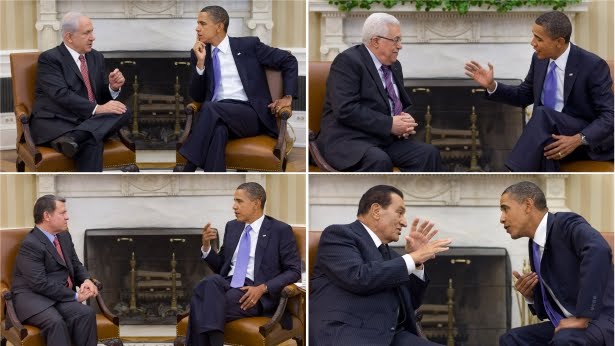
Let us look at the lineup of countries attacking Libya: the US, Britain, France, Italy and Canada. Italy repudiated its friendship treaty with Libya and US President Barack Obama said Qaddafi had lost his legitimacy. Did Qaddafi ever have legitimacy; if yes, when and how did he lose it? If not, why were the same Western powers eager to deal with him before the recent troubles? Former British Prime Minister Tony Blair had visited Qaddafi in his tent in March 2004. The Libyan dictator also received former US Secretary of State Condoleezza Rice in 2008. Qaddafi famously referred to her as “that black woman.” French President Nicolas Sarkozy and Italian Prime Minister Silvio Berlusconi both hosted Qaddafi in their capitals a few months before the uprisings started in the Middle East. So what has changed to make Qaddafi the bad boy of the Middle East again so quickly?

True, like Saddam, Qaddafi has had a rocky relationship with the West. From being the West’s darling to mad dog and then back into their good books, he has been through many ups and downs. Qaddafi’s current pariah status has nothing to do with the West’s argument of “humanitarian intervention” to save Libyan lives. Since when have Western rulers become concerned about the plight of Libyans or Muslims? If they do not care for the lives of their own friends — look at how the children of poor families are being sacrificed in Afghanistan and Iraq — why should they care about Libyans?

We need to understand what is afoot in Libya. Despite claims to the contrary, Western troops are already operating on the ground in Libya under the cover of “protecting” Western diplomats but actually providing training to the rebels. Even with the deeply flawed no-fly resolution that does not authorize attacks on Libyan ground forces or armored columns such as tanks, that is precisely what Western bombers are doing. This is creeping occupation of Libya as the world’s attention is diverted to the nuclear disaster in Japan. What might be the reason for the latest Western crusade?

Libyan oil, much coveted by the West because of its low sulphur content, has already been mentioned. Similarly, the US has frozen about $32 billion in Libyan assets under Executive Order 13566. Libya’s frozen assets represent a significant portion of its wealth, according to the Washington Post (March 23, 2011). “In 2009, Libya had a gross domestic product of $62 billion; its sovereign wealth fund is estimated at $40 billion and its central bank reserves at $110 billion. The European Union has added the central bank, the wealth fund and three other Libyan institutions to its sanctions — two weeks after the US action [of February 25],” according to the Post. Britain, not to be left behind, has seized more than $19 billion in Libyan assets.” The looting of Libya has begun in earnest by thieves that have honed their robbing skills over centuries.

Neither Qaddafi nor a successor regime — whatever its shape or color — will ever see this money again. Americans have a habit of stealing others’ wealth, whether by freezing their assets or robbing them through direct invasion and occupation. The US froze $40 billion of Iranian assets in 1980 and barring a few million the rest have been usurped. The Saudis have invested more than one trillion dollars in the US economy. They, too, are not likely to see any of this, especially given the precarious state of the US economy.

But the West’s crusade has another, more sinister purpose. Libya will serve as a beach-head for Western penetration into sub-Saharan Africa that is rich in minerals. Chad, Niger and Sudan have vast mineral deposits that the West covets. This also fits into the election of Obama as president of the United States in 2008. With a black man in the white house, the people of Africa as well as African Americans at home would not be too concerned if the US were to attack and occupy parts of Africa. After all, nobody would accuse Obama of racism. The American establishment has had it all neatly figured out.

A hint to the permanence of Western military intervention was given by US Defence Secretary Robert Gates when he said there was no definite answer about the duration of the Libyan campaign. But he did reveal what was afoot. “Let’s just call a spade a spade,” he said in what a no-fly zone over Libya would entail. “A no-fly zone begins with an attack on Libya to destroy air defences. That’s the way you do a no-fly zone.” A closer look at what Gates said reveals that there is no end in sight. Let us also recall the statement of Dick Cheney, former US vice president about the “war on terror”. He said it may last 50 to 100 years. We can now begin to get a glimpse into the thinking of Western policy-makers.

Wars necessarily create humanitarian crises. There are already nearly 100,000 refugees trying to flee Libya. These include Egyptians, Tunisians, Algerians and citizens of sub-Saharan African countries as well as poor Bangladeshis, Indians and Pakistanis. The West would use their plight as a pretext to send in “humanitarian” aid and workers. Then their “protection” would be used as a pretext for sending in large numbers of ground troops. Libya would once again be colonized directly.

We can see also that while the no-fly zone resolution was authorized by the UN Security Council, the military operations have been taken over by France and Britain and placed under NATO command. Thus, NATO powers have, once again, set themselves up as “authoritative judges of the world common good.”

Libyans clamoring for Western support to help them topple Qaddafi will rue that day when they wake up. Foreign intervention has never brought liberation to any people. Horace Campbell, Professor of African American studies and political science at Syracuse University and currently working on a book on AFRICOM has said: “US involvement in the Libyan bombing is being turned into a public relations ploy for AFRICOM (US Africa Command). AFRICOM is fundamentally a front for US military contractors like Dyncorp, MPRI and KBR operating in Africa. US military planners who benefit from the revolving door of privatization of warfare are delighted by the opportunity to give AFRICOM credibility under the facade of the Libyan intervention. No African country has agreed to let AFRICOM onto the continent. It has 1,500 people operating out of Stuttgart, Germany. If Libya is indeed partitioned, that new state could provide a base for AFRICOM.”

Libyans must wake up before they end up in even worse shape than they are under Qaddafi, however bad he may be. There are better ways to seek liberation than foreign help. It always comes with long strings attached and ends up enslaving rather than freeing people.