Saturday, February 02, 2019

Is INSTEX the Answer to Iran’s International Banking Needs

By: Kayhan Int’l

Is the European Union living up to its promise of official trade and industrial transactions with the Islamic Republic as per the international banking system by formally rejecting the illegal US economic sanctions, or is it beating around the bush in a time-wasting tactics in a bid to prevent Iran from its inalienable right to increase uranium enrichment for peaceful purpose following Washington’s blatant violation of and withdrawal from the JCPOA (Joint Comprehensive Plan Of Action). 
Thursday’s announcement in the Romanian capital Bucharest by foreign ministers of France, Germany and Britain on a so-called Instrument in Support of Trade Exchanges (INSTEX) for facilitating what they said in their joint statement "legitimate trade between European economic operators and Iran”, has drawn mixed reactions.
While some have hailed it as the long-awaited Special Purpose Vehicle (SPV) that might initially cover medical, food and other basic humanitarian commodities, others have expressed disillusionment as too little and too late.
Those viewing INSTEX as positive, hope it will be expanded in course of time to cover all aspects of Iran’s international commercial dealing with the rest of the world following the caving in to US demands by the Belgium-based Society For Worldwide Interbank Financial Telecommunication (SWIFT) to cut off Iran from the international banking system.
Those who have a negative view of INSTEX are of the opinion that if this is restricted to humanitarian trade, it will be apparent that Europe will have failed to live up to its end of the bargain for Iran. It means the EU is unwilling and unable to confront the threats of US president, Donald Trump. At the time it is not taking seriously enough the Islamic Republic’s frank and forthright statements that its patience is running thin and it might finally consider JCPOA as a dead horse.
Thus, even if all 28 EU members were to formally endorse INSTEX, there is no guarantee Iran’s rights will be fully observed and the US illegal sanctions totally ignored.
Whatever the results of the latest developments, Washington for its part is not expected to lessen its pressures and threats on the EU and will try to abort this new deal with despite its apparent humanitarian aspects.
The US is already irate. It is fuming and swearing at European companies that in case of business with Iran they will be cut off from the American business sector.
It should be noted that the Europeans are after all no friends of Islamic Iran. Their main intention is to keep the Islamic Republic embroiled in economic difficulties, while hoping against hope for a breakthrough.
At any rate, INSTEX which was announced on the eve of the 40th anniversary of the victory of the Islamic Revolution, is another proof of the fact that despite their plots, both Europe and the US have failed to undermine the progress of Iran, let along realize their daydream of replacing the system of government. 

Friday, February 01, 2019

The Duty to Protect Sacred Sites — Part II

Bulldozing and demolishing does not honor the symbols set up by Allah
John Andrew Morrow

As Almighty Allah (swt) states in the glorious Qur’an, “Whoever honors the symbols set up by Allah [shall know that], verily, these [symbols derive their value] from the God-consciousness in the hearts of the [committed Muslims]” (22:32). So, what does “to honor” mean? What does “to magnify” mean? What does it mean to respect and venerate the signs of Allah, the symbols of Allah, the waymarks of Allah, and the offerings consecrated to Allah? I can tell you what it does not mean. It does not mean bulldozing, demolishing, desecrating, and defiling them. It is an exercise in futility to attempt to explain and debunk the reasons used by certain so-called jurists and Islamists to justify their atrocious actions. Intelligence and stupidity do not speak the same language. Civilization and barbarity share no common ground. The deaf will not hear. The dumb will not understand. And the blind will not see.
The glorious Qur’an is a living and breathing book filled with wisdom — past, present, and future. It is the tree of life of a vibrant, living, spiritual tradition. It speaks to us, engages with us, and challenges us. The Qur’an is not meant to be a decorative ornament. It was not revealed to live on a shelf. Rather, it was revealed to live in our hearts and minds. The Qur’an is active, not passive. The Qur’an is totally interactive. Multilayered and multifaceted, it speaks to each soul individually and to each community collectively. Each of its words is a passage to another world. It is a universe that unveils itself through exegesis.
“Have they not traveled through the land and seen how their predecessors met their end? They were mightier than them: they cultivated the earth more and built more upon it” (30:9), asks and affirms the Qur’an. These are not words of condemnation for historical and archeological sites; they are words that call for contemplation and from which we can draw important lessons. The glorious Qur’an evidences a remarkable knowledge of ancient civilizations and devotes many passages to people who have perished (3:137; 6:11; 12:109; 16:36; 22:46; 27:69; 30:9, 42; 35:44; 40:21, 82; 47:10), “Have you considered how your Lord dealt with [the people] of ʿ‘Ad of Iram [the city] of lofty pillars, whose like has never been made in any land, and the Thamud, who hewed into the rocks in the valley, and the mighty and powerful Pharaoh? All of them committed excesses in their lands, and spread corruption there: your Lord let a scourge of punishment loose on them” (89:6–14).
Almighty Allah (swt) spoke of sites that existed and that had survived for centuries, if not thousands of years. Had He wanted them wiped off the face of the earth, He could have done so. He left them there as signs. The Messenger of Allah (pbuh), who was well-traveled, as were many of the Arab Bedouins and traders, had visited many ancient sites. Had he opposed their existence, he would have commanded Muslims to destroy them. He did not. The Prophet Muhammad (pbuh), respected property, private property, communal property, public property, and the collective property and heritage of humanity.
Allow me to give you but a single example for the sake of illustration. When the Messenger of Allah (pbuh) liberated the Ka‘bah, he came across an image of Jesus, and his holy mother Mary (a), painted in the inner chamber of the sacred sanctuary. He covered the image with his sacred hand and commanded his followers to protect it. The Messenger of Allah did not encourage the visual representation of holy personalities and prophets, since this could lead to the exaggeration of their status and, in the case of Jesus, culminated in his deification. Nonetheless, he respected the signs of Allah (swt) that he saw.
We Muslims, or better yet, we human beings who happen to be Muslims, are morally and ethically required to preserve our heritage. Cells pass down information. DNA is transmitted. Likewise, knowledge and wisdom are passed down; orally, in written form, by means of all of the arts, and by mode of architecture. Tragically, our history is being destroyed every day. Salafi-Wahhabi iconoclasts are committing religious, cultural, historical, and scientific suicide. They destroy sites that are judged important to the collective interests of humanity. As the International Criminal Court in The Hague has established by adopting the Rome Statute in 1998, the destruction of historical buildings is a war crime. The International Criminal Tribunal for the Former Yugoslavia, established in 1993, also considers the destruction of religious buildings as an act of cultural genocide. In the eyes of Allah (swt), in the eyes of Islam, and the eyes of world, the destroyers of sacred world heritage sites are nothing more than criminals of war.

"Church Protection in Islam: Too Late, Too Little"

Court scholars represent power, not Islam

John Andrew Morrow


In 2016, the Ministry of Awqaf of the Supreme Council for Islamic Affairs for the Arab Republic of Egypt published a work titled Church Protection in Islam in various languages. The work, which is dedicated to “Mr. President ‘Abd al-Fattah al-Sisi, the president of the Arab Republic of Egypt,” one of the greatest violators of human rights on the planet, features a foreword from Professor Muhammad Mukhtar Jumu‘ah, Minister of Awqaf, an introduction by Professor Shawqi ‘Allam, along with articles by Prof. Muhammad Salim Abu ‘Asi, Professor ‘Abdullah al-Najjar, Professor Muhammad al-Jibali, Professor Muhammad Nabil Ghanayim, Professor ‘Abd al-Halim and Dr. Majdi ‘Ashur. If you read one, you have read them all, as they all essentially repeat the very same thing, quote the very same Qur’anic ayat, quote the very same prophetic hadiths, and use the very same arguments.
Protecting the church is an obligation in Islam. In other words, there should be no need for Muslims to even speak about it. They should simply act. They should defend the church, protect it from all aggression, care for its members, and support them permanently. This is what the Qur’an commands. This is what the Prophet Muhammad (pbuh), commands. To point out that Islam asks Muslims to protect the church is as silly as pointing out that the sky is blue and that clouds are white. God, the Most Compassionate and the Most Merciful, commanded Muslims to protect and defend all believers. To stress the importance of an obligation that should be well-known to every conscientious Muslim is simply senseless unless, of course, those who do so to seek some sort of revenue. Not only should such work be met with ridicule, it should be met with indignation and outrage. The Prophet gave a clear, direct, and unambiguous order. What these establishment scholars at the service of al-Sisi have done is too little and too late.
Why is it that Church Protection in Islam only appeared toward the end of the ISIS crisis? Muslims have been suffering from the savagery of salafi jihadism for centuries. The scholars who contributed to the work were not around 200 years ago; however, they have been Muslim leaders for decades. They have lived long enough to witness the horrors inflicted by the salafi jihadists upon Muslims and non-Muslims for decades in places like Algeria, Afghanistan, Pakistan, Iraq, Tunisia, Libya, Nigeria, the Philippines, Syria, Egypt, Somalia, Niger, Mali, Kenya, Yemen, Cameroun, India, Burkina Faso, Bangladesh, Chad, Turkey, Mozambique, Iran, and elsewhere. Is it because these Egyptian scholars were bred by the Muslim Brotherhood? Or is it because they are court clerics and palace scholars who would never act on their own initiative and simply responded to a request from al-Sisi to combat domestic terrorism?
The answer to these important questions comes from one of the contributors himself, Professor Muhammad Salim Abu ‘Asi, the Dean of the Faculty of Islamic and Arabic Studies for Girls, al-Azhar University, Sadat City. He provides the following apologia for the takfiri Wahhabi terrorists who have raped, tortured, mutilated, mangled, and murdered thousands of Christians on a yearly basis over the past few decades, “For me, the reasons that some ignorant people, who have no good understanding, may be involved in violation against the non-Muslim places of worship are as follows:
1. Immature understanding of legal indication and lack of juristic integration in relation to the rulings of the People of the Book in the Islamic law, especially on the part of extremist groups;
2. Absence of a standard approach and an ideal method for studying the rulings of the People of the Book, [namely, Jews and Christians], which can highlight the differences between the work of a mufti and the work of the one who just cites rulings from traditional references. In addition, it is important to know the difference between the unanimously agreed-upon legal rulings and the debatable rulings and between the missionary rulings and the rulings within the area of the Shari‘ah-oriented political system. Speakers, who are not well versed in Islamic sciences, on issues related to the People of the Book lack this knowledge; and
3. Inconsideration of changes in conditions, times, persons, circumstances, and necessities as well as new information whereas the legal rulings follow their rationales in presence and absence” (pp. 20–22).
The man sounds like an advocate — the devil’s advocate, one must add — trying to downplay the demonic deviation of the salafi, takfiri Wahhabis. They are simply “ignorant people” who “have no good understanding.” They lack a “standard approach” to jurisprudence. They also fail to contextualize their legal rulings. Lovely. With friends like this, namely, court clerics and apologists for terrorists, we, Muslims, do not need enemies. They are already the “official leaders” of our religion! To add insult to injury, these scholars for dollars employ a supposedly religious and juristic language for the single purpose of treating others as if they were imbeciles. They use so-called technical language so that people with little education will say, “Wow. I don’t understand any of this but based on the terms used, it seems like the authors know a whole lot.” Ultimately, this is how people shamelessly accept falsehood, nonsense, and unjustifiable justifications.
We, of the Covenants Initiative, have bent over backward, using all resources available, and sparing no expenses, to expose so-called “Islamic terrorists” for what they really are: infidels, heretics, criminals, and psychopaths who, in addition, are avowed enemies of God, religion, and humanity. There is no doubt about it. We do not make excuses for them. We do not consider them to be “stupid young boys” as Hamza Yusuf does equating them with juvenile delinquents who stole candies, broke windows, and spray-painted brick walls. We hold them accountable for crimes against humanity that are unforgivable. And we hold accountable those who failed to fulfill their obligations and thereby allowed salafi Wahhabi takfirism to spread without an adequate response and rebuttal.
We, of the Covenants Initiative, financed with faith and armed with good intentions, have waged a grassroots public relations campaign to protect the image of the Prophet (pbuh), Islam, and Muslims in the eyes of non-Muslims. With arguments and evidence, we convinced scores of non-Muslims that true Islam protects the People of the Book and that takfiri terrorists were outside the fold of Islam. We were confronted, from day one, with so-called “traditional” Muslim scholars who insisted that takfiri terrorists were simply ignorant or misguided Muslims: they were sinners, but they were believing Muslims. Anyone who accepts this argument might as well believe the Snake in the Garden. A rapist may claim to be chaste; however, his actions show otherwise. As Imam ‘Ali al-Rida said, “Faith is belief in the heart, a speech of the tongue, an action by the limbs” (Majlisi). The Messenger of Allah himself made it clear that any so-called Muslim who persecuted and oppressed Christians was an enemy of God, the Prophet, and Islam. Such a person cannot be a Muslim. Such is the stance of the Covenants Initiative. But such is not the stance of the Supreme Council for Islamic Affairs for the Arab Republic of Egypt that continues to conceal The Covenants of the Prophet Muhammad with the Christians of the World.
It may well be that the rediscovery of the Covenants of the Prophet clued these Egyptian religious authorities that they had now better turn in the direction of a new wind that is blowing. To mention the Muhammadi Covenants would mean that they ignored or occulted them, placing themselves in a poor light. Acting as they did, they have a slim chance to seem as if they had always taken this position. Clearly, if liars and cowards are forced by circumstances to tell the truth and do the right thing, this is not a good sign for their souls, but it is a good sign for the situation. The state of their souls is an affair between them and Allah (swt), but if the situation improves — whether or not the Covenants Initiative had a hand in it, or whether or not the Covenants of the Prophet get the credit — then al-hamdulillah!
When the hypocrites among the Quraysh embraced Islam after the liberation of Makkah, Allah (swt) may not have conquered their hearts, but he did restrain their hands: all praise be to Allah, Lord of the Worlds, Owner of the Day of Judgement.
 

John Andrew Morrow

40 Years On, Iran Celebrates Islamic Revolution Anniversary

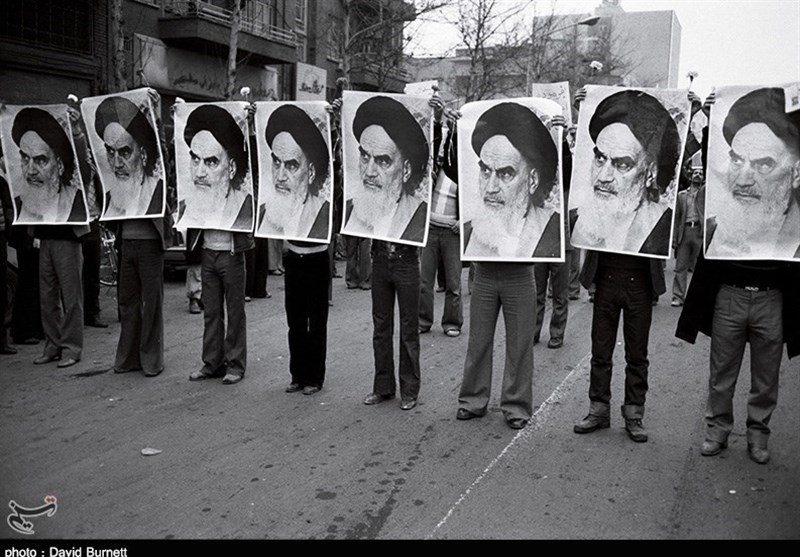
TEHRAN (Tasnim) – Ten-day celebrations started across Iran on Friday to mark the 40th anniversary of the victory of the Islamic Revolution.

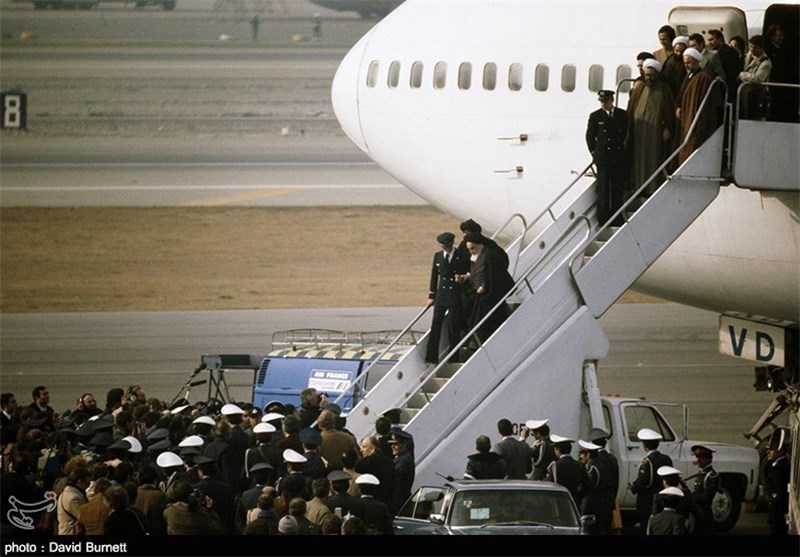
Every year, senior government officials and military commanders attend a special ceremony at Tehran’s Mehrabad Airport in remembrance of the historical return of Imam Khomeini from exile back in 1979.
Late founder of the Islamic Republic Ayatollah Ruhollah Khomeini arrived in Tehran from Paris at 9:33 a.m. on February 1, 1979, and led a nationwide uprising that culminated in the victory of the Islamic Revolution ten days later.
An event is also usually held at the mausoleum of Imam Khomeini, south of Tehran, to pay tribute to the late leader.
Imam Khomeini had lived many years in exile, in Iraq and France, before returning home and leading a historical revolution that overthrew Pahlavi regime on February 11, 1979.
The 10-day period from the return of Imam Khomeini until the revolution’s victory is celebrated annually in Iran, and is known as the Ten-Day Fajr (Dawn).

கல்விப் பணிக்காக தனது வாழ்வையே அர்ப்பணித்த இஸ்லாமிய சிந்தனையாளர்


இருபதாம் நூற்றாண்டில் இஸ்லாமிய சிந்தனையாளராகவும், எழுத்தாளராகவும், பேச்சாளராகவும், தத்துவஞானியாகவும் விளங்கிய ஆயத்துல்லாஹ் முர்தஸா முதஹ்ஹரி 1919 ஜனவரி 31ஆம் திகதி ஈரானின் கொராஸான் மாகாணத்தின் மஷ்ஹத் நகருக்கருகிலுள்ள கிராமத்தில் சன்மார்க்கக் குடும்பமொன்றில் பிறந்தார். தனது சொந்த ஊரில் அடிப்படைக் கல்வியைப் பெற்ற இவர் அல்குர்ஆன் மீதும் இஸ்லாமிய போதனைகள் மீதும் கொண்ட ஆர்வம், அவரை மஷ்ஹத் சன்மார்க்கக் கல்லூரியில் சேர வழிவகுத்தது. அவர் உயர்கல்விக்காக 1937 இல் கும் நகரிலுள்ள புகழ்பெற்ற சன்மார்க்கக் கல்லூரியில் இணைந்தார். அங்கு அல்லாமா செய்யத் முகம்மது ஹுசைன் தபதாபாய் (ரஹ்) உட்பட பல அறிஞர்களிடமும் குறிப்பாக ஈரான் இஸ்லாமியப் புரட்சியின் தந்தை இமாம் கொமைனி (ரஹ்) அவர்களிடமும் கல்வி கற்றார்.
இவரது கூர்மையான நுண்ணறிவு, திறமை மற்றும் விடாமுயற்சி ஆகியன அவரை கல்லூரியின் சிறந்த மாணவராகத் திகழச் செய்தது. கும் சன்மார்க்கக் கல்லூரியில் 12 ஆண்டுகள் கற்ற இவர் இமாம் கொமைனியிடம் அறநெறி, மெய்யியல், மறைஞானம், சட்டங்கள் மற்றும் கோட்பாடு ஆகியவற்றைக் கற்றுத்தேர்ந்தார். குறுகிய காலத்திலேயே குர்ஆன், ஹதீஸ் அடிப்படையில் சுயமாக விளக்கமளிக்கக்கூடிய 'முஜ்தஹித்' நிலையை அடைந்த அவர் நன்கு அறியப்பட்ட ஆசிரியர்களில் ஒருவரானார்.
இவர் 1950இல் கொராஸானின் முன்னணி ஆலிம் ஒருவரின் மகளை மணந்து கொண்டார். திருமணத்துக்கு முன்பும் பின்பும் வறுமையில் வாழ்ந்த அவர் உள்ளதைக் கொண்டு திருப்தியாக வாழ்ந்தார். தனது அறிவார்ந்த மற்றும் கலாசார நடவடிக்கைகளைத் தொடரவென 1952 இல் அவர் தெஹ்ரானுக்கு இடம்பெயர்ந்தார். தெஹ்ரான் பல்கலைக்கழகத்தில் விரிவுரைகள் நிகழ்த்திய அவர், விஞ்ஞானம், அரசியல், ஒழுக்கவியல் மற்றும் வரலாற்றுக் கட்டுரைகளையும், நூல்களையும் எழுதி வெளியிட்டார்.
அவர் கல்வி நடவடிக்கைகளோடு அரசியல் செயற்பாடுகளிலும் தீவிரமாக ஈடுபட்டார். 1963 ஜூன் 5 அன்று ஷா மன்னரினால் இமாம் கொமைனி கைது செய்யப்பட்டார். அதற்கு எதிராக ‘கொர்தாத் எழுச்சி’ போராட்டத்தை ஏற்பாடு செய்வதில் முன்னணி வகித்த இவர், ஷாவுக்கு எதிராக உணர்ச்சிகரமான பேச்சைத் தொடர்ந்து முன்னெடுத்தார். அதனால் அவரும் கைது செய்யப்பட்டு சிறையிலடைக்கப்பட்டார். எனினும் பொதுமக்களின் அழுத்தம் காரணமாக ஒரு மாதம் கழிந்த பின்னர் ஏனைய உலமாக்களுடன் சேர்த்து அவரும் விடுதலையானார்.
அதனைத் தொடர்ந்து சமூக தேவைகளை உள்ளடக்கிய புத்தகங்களை எழுதினார். பல்கலைக்கழகங்களில் விரிவுரைகளை நடத்தினார். தெஹ்ரானிலுள்ள முக்கிய பள்ளிவாசல்களில் சொற்பொழிவுகளை நிகழ்த்தினார்.
இவரது பேனா பிழையான சிந்தனைகளுக்கும் சமூக அநீதிகளுக்கும் எதிராகவே எழுதியது. அல்குர்ஆன் மற்றும் ஹதீஸ் அடிப்படையில் இஸ்லாத்தை பாதுகாக்க தன்னால் முடிந்த எந்த முயற்சியையும் அவர் விட்டு வைக்கவில்லை. இஸ்லாமிய இயக்கத்தை ஊக்குவிப்பதன் ஊடாக, இஸ்லாத்துக்கு எதிரான சதிகளை முறியடிக்கலாம் என்று இவர் உறுதியாக நம்பினார்.
1967 இல் இஸ்ரேல், அரபு நாடுகள் மீது திணித்த 6 நாள் யுத்தத்தில் புனிதத்தலமான பைத்துல் முகத்திஸ் உட்பட பலஸ்தீனர்களுக்கு சொந்தமான பெரும் நிலப்பகுதியையும் ஆக்கிரமித்துக் கொண்டது. அதன்போது பலஸ்தீனர்களுக்கு அவசியமான அனைத்து உதவிகளையும் வழங்குமாறு ஈரானிய மக்களை இவர் கோரினார். அதனால் பஹ்லவி ஆட்சியாளர்களால் அவர் கைது செய்யப்பட்டு மீண்டும் சிறையிலடைக்கப்பட்டார்.
பலஸ்தீன் ஆக்கிரமிக்கப்பட்டமை தொடர்பில் அவர் ஆற்றிய உருக்கமான உரையில், “அல்லாஹ்வின் முன்பாகவும், முஹம்மத் (ஸல்) அவர்கள் முன்பாகவும் நாம் பெறுமானமுடையவர்களாக காணப்பட வேண்டுமாயின், உலக நாடுகளால் நாம் மதிக்கப்பட வேண்டுமாயின், சக முஸ்லிம் சகோதரர்களுடன் நாம் அணிதிரள வேண்டும். முஹம்மத் (ஸல்) அவர்கள் இன்று உயிரோடு இருந்தால், அவர் என்ன செய்திருப்பார்? என்று சிந்தித்துப் பாருங்கள்? அல்லாஹ்வின் மீது ஆணையாக, றஸூலுல்லாஹ்வின் ரூஹ் இஸ்ரேலியரின் இந்த கொடுமை கண்டு சபிப்பதாகவே இருக்கிறது.
இஸ்ரேலின் இந்த அத்துமீறலுக்கு எதிராக எந்த நடவடிக்கையும் எடுக்காதிருப்பவர்கள் பாவமிழைப்பவர்களாகவே விளங்குகின்றனர். இது குறித்து பேசாதிருந்தால் நிச்சயமாக, நானும் பாவமிழைக்கின்றவனாகவே இருப்பேன். எந்த உலமாவும் இது குறித்து பேசாதிருப்பாராயின் அவர்களும் பாவமிழைப்பவரேயாவர். அல்லாஹ்வின் மீது ஆணையாக, நாம் ஒரு பெரும் பொறுப்பைக் கொண்டுள்ளோம், ஆயினும் அதனை நாம் நிறைவேற்றாதுள்ளோம்' என்றார்.
இவரது இந்த உரை சமூகத்தில் கடும் தாக்கத்தை ஏற்படுத்தியது. அவ்வுரையின் பிரதிகள் அச்சிடப்பட்டு நாடு முழுவதும் விநியோகிக்கப்பட்டன. ஈரான் இஸ்லாமிய புரட்சியின் வெற்றியைத் தொடர்ந்து ஈரானிய ஊடகங்கள் இதனை அடிக்கடி ஒளிபரப்பு செய்து, ஒடுக்கப்பட்ட பலஸ்தீனர்களுக்கான ஆதரவைத் தெரிவித்தன. சிறையில் இருந்து விடுவிக்கப்பட்ட அவர், தெஹ்ரானின் முக்கிய பள்ளிவாசல்களில் மக்களை எழுச்சி பெறச்செய்யும் உரைகளை தொடர்ந்தும் நிகழ்த்தினார். 1974ம் ஆண்டளவில் ஷாவின் அரசினால் அவரின் உரைகளுக்குத் தடை விதிக்கப்பட்டது. இத்தடை 1979 இல் இஸ்லாமியப் புரட்சியின் வெற்றி வரை நீடித்தது.
அதேநேரம் இவர், இமாம் கொமைனியுடன் அவர் ஈராக்கில் 14 ஆண்டுகள் அஞ்ஞாதவாசம் இருந்த போது கடிதங்கள் மூலமும் வேறு தொலைத்தொடர்புகள் ஊடாகவும் மேற்கொண்டார்.
1976இல் இமாம் கொமைனியை நஜாப் நகரில் நேரடியாக சந்தித்த இவர், இஸ்லாமிய புரட்சியின் அவசியம் குறித்து இருவரும் கலந்துரையாடினர். இமாம் கொமைனி ஈராக்கில் இருந்து வெளியேற நிர்பந்திக்கப்பட்டதால் பிரான்சில் தஞ்சமடைந்தார். அப்போது ஆயத்துல்லாஹ் முதஹ்ஹரியும் அங்கு சென்று இம்மாமுடன் இணைந்துகொண்டார். ஈரானின் இஸ்லாமியப் புரட்சியின் வெற்றி வரை முதஹ்ஹரி இமாமின் நெருங்கிய சகாவாகவும், ஆலோசகராகவும் செயல்பட்டார். இஸ்லாமிய குடியரசை நிறுவிய பின்னர் 1979ம் மே 2ம் திகதி தெஹ்ரானில் இடம்பெற்ற கருத்தியல் மற்றும் அரசியல் தொடர்பான முக்கிய கூட்டத்தில் கலந்துகொண்டு திரும்புகையில் அவர் ஷஹீதாக்கப்பட்டார்.
http://www.thinakaran.lk/2019/01/31

Trump’s coup to strangle Venezuela’s Maduro

In what is seen as the most outlandish foreign policy declaration the Donald Trump administration has hitherto made, the United States on Monday tried to unseat Venezuela’s democratically elected president by recognising the pro-US opposition leader as the new leader. 


It is reported that US Vice President Mike Pence phoned Venezuelan opposition leader Juan Guaido last week to instruct him to declare himself as the “acting president”, and denounce the incumbent leader Nicolas Maduro as a “usurper.”

Wow! If regime change is so easy, why regular elections?  The US could have removed Saddam Hussein in 2003 by simply declaring a servile opposition figure as president. This would have saved the US thousands of lives and billions of dollars.

The US action of making a random declaration to recognise an opposition figure as a legit leader sets a dangerous precedent that needs to be checked. How can the US endorse an undemocratic power transition, while accusing Maduro of not being a respecter of democracy? How can it meddle in the affairs of Venezuela, while US intelligence agencies probe Russia for rigging the US elections?

In terms of international law, outside intervention is permitted, only when a government commits genocide or crimes against humanity. Maduro is accused of neither.

Maduro may not be a saint. Yet, he is not the Satan that the US president and his neocon advisors are portraying him to be. He may not be a Simón Bolívar, the legendary 19th century leader who led a revolution that spelt freedom for most of Latin America from the colonial yoke. Or even a Hugo Chavez, who re-launched the Bolivarian revolution in the late 1990s to free Latin America’s poverty-trapped people from the grip of transnational capitalists. 

Maduro is far from perfect. The US and its rightwing allies may call him a dictator and accuse him of being corrupt and connected to drug cartels. That’s politics. Permitted. Maduro, once a bus driver, was first elected to office in April 2013, after Chavez died of cancer.  Despite the rising oil prices, the country’s economy went into a free fall. 

In May 2018, Maduro was re-elected to a second term in an election that was boycotted by most opposition parties. The boycott was partly in protest over the arrest of several opposition figures and partly in keeping with a US script worked out to discredit a Maduro victory.  As expected, Venezuela’s opposition-controlled National Assembly refused to recognise Maduro’s victory, intensifying the political crisis that culminated in this week’s US-sponsored coup.  With the anticipated public and military backing not coming, the coup appears to be falling apart.

Why is Venezuela in turmoil despite being the proud possessor of the world’s largest known oil reserves? One of the reasons is that the socialist economic reforms, to which much of the country’s oil revenue is channelled, do not bring rapid results.  Besides, during the Chavez government, Venezuela financed socialist programmes in several neighbouring countries – part of Chavez’s bid to revive the Bolivarian revolution.  This happened at a time when oil prices were rising. During Maduro’s period, especially his second term, the oil prices took a plunge, adding to the country’s economic woes.

But the crisis was also due to US sanctions and US-sponsored subversive measures geared towards bringing about political instability and making Maduro unpopular. Recently, Britain’s Bank of England refused to release US$ 1.2 billion worth of Venezuela’s gold, with which Maduro wanted to revive the economy and provide relief to the people. One wonders whether the Bank of England is also part of the plan to destabilise Venezuela.

Even Tuesday’s US sanctions targeting Venezuela’s national oil sector are aimed at aggravating the economic crisis. While the US action is being endorsed by its rightwing allies in the region and even Britain, Germany and France, despite their democracy-promoting boast and opposition to extrajudicial or extra-constitutional means of government change, Russia, China, Cuba, Turkey, and Iran have condemned what they see as a violation of Venezuela’s sovereignty.

Washington’s response exposes the regime-change programme in its arsenal to subdue unfriendly nations. The US has many regime change formulas with which it has visited more than 50 countries since the end of World War II. One regime change formula is military intervention, like what happened in Iraq, Libya and several countries in Latin America.  Will Trump send troops to Venezuela? The question looms large after pictures showed that a notepad Trump’s National Security Advisor John Bolton carried to the White House news conference on Tuesday had the words “5,000 troops to Columbia” scribbled on it.
Another regime change method involves military coups. It happened in Iran in 1953. In Latin America, it happened in more than a dozen countries in keeping with the Truman doctrine of containing communism. 

In 2002, it nearly happened in Venezuela. The US fully backed the failed military coup against Chavez’s socialist government that had declared war on the private sector.  That the two key plotters had undergone training in the US Army School should be an eye-opener to governments which send troops for training in foreign nations. The coup briefly ousted Chavez, but with the support of loyal troops and people, he took control of the government within two days. Four years later, addressing the UN General Assembly sessions, Chavez hit back: He described as a devil the then US President George W Bush, who backed the botched coup. “The devil came here yesterday... it smells of sulphur still today.”

Another regime change formula is engineered popular uprisings: Through sanctions and other punitive measures, the US would seek to aggravate the economic crisis of a target country with the intention of triggering a popular uprising against the regime. It worked in Ukraine in 2014, but failed twice in Iran. Now comes the Trump way: A regime change through the withdrawal of recognition to a government, followed by a declaration recognising a lackey as the legit leader.

None of the US regime change formulas has to do with ushering in democracy. Rather, it is about power politics connected with the moves to enhance America’s national interest. In Venezuela’s case, it is about regaining the foothold in the country’s energy and other key sectors which Chavez had nationlised after showing the door to multinationals such as Exxon Mobil, ConocoPhillips and Total.  In the meantime, while democratically elected Maduro is being strangled by US-sponsored overt and covert actions, the worst of dictators enjoy the US blessings. 

It was only recently that President Trump refused to take any punitive measure against Saudi Arabia for the murder of journalist Jamal Khashoggi, while Israel continues to be rewarded for its oppression of the Palestinian people.

In this regard, it is not out of place here to recall what President Franklin D. Roosevelt is reported to have said in 1939, when he was asked about the United States’ blind support for Nicaraguan dictator Anastasio Somoza Garcia, known for human rights violations, corruption and collusion with US capitalists who plundered Nicaragua’s gold and other resources. “Somoza may be a son of a bitch, but he is still our son of a bitch.”

‘The most influential intolerant governments of the 20th century were atheist’

By Mohammad Mazhari
TEHRAN - Over centuries, existence of God has attracted attention of philosophers and has as well formed a diverse family of arguments extending from some feature of morality or the moral life to the existence of God, usually understood as a morally good creator of the universe. It has such a key role in human thought that opposing debates and arguments have been continuing until now.
One famous argument against “Theism” is “problem of evil” which tries to question main monotheistic religions as how God could allow humans to do evil and to suffer.
Critics of “Theism” claim that if God is omnipotent and omniscient, so he must be able to prevent catastrophes while the world is replete with recurring evils. They take these examples as proofs which reveal contradictions and infirmities of “Theism”.
However, some philosophers of religions such as Professor Richard Swinburne, try to provide answers to these questions by forming a cumulative argument for the existence of God emphasizing that existence of consciousness -regardless of its material or immaterial nature- shows a Purposeful design.
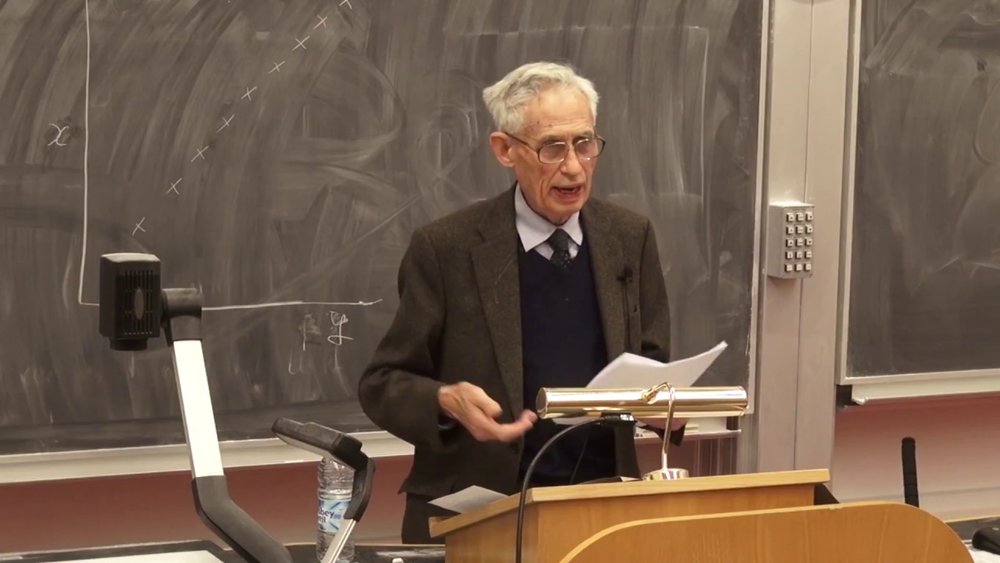
In this regard, Professor Richard Swinburne says to Tehran Times that scientific and materialistic approaches are not able to discover nature of human consciousness in order to give reasonable and simple explanations. What follows is the full text of the interview with Richard Swinburne:
Q: Which religions have impressed you in your researches and work particularly "The existence of God"? Or are your arguments just dependent on Christian theology? 
A: The Existence of God argues from the most general features of the world observable by anyone to the existence of God. I understand by God “a person without a body, who is necessarily eternal, perfectly free, omnipotent, omniscient, perfectly good, and is the creator of all things” I call this doctrine “theism”; and I regard theism as the core belief of the creeds of Christianity, Judaism, and Islam. Only on three pages of a later chapter of this book do I allude to historical evidence favoring a specifically Christian doctrine. The two other books of the trilogy of which The Existence of God is the second volume, are also almost entirely concerned merely with theism. The first volume, The Coherence of Theism, spells out in detail the nature of the divine properties, for example it analyses what it is for God to be omnipotent or omniscient; and the third volume, Faith and Reason, considers the relevance of arguments for the existence of God to the practice of religious faith. I have however argued in favor of particular Christian doctrines in other books. The observed phenomena which I regard as my evidence for the existence of God, are the very existence of a physical universe, its conformity to simple intelligible laws of nature (of the kind discoverable by scientists), those laws being such as to lead to the evolution of humans, and humans being conscious. A scientific theory is probably true in so far as it leads us to expect observed phenomena which would not otherwise be expected, and in so far as it is a simple theory. I claim that these same criteria show theism to be probably true – it is a theory, simple in postulating just one God, whose nature leads us to expect that he will bring about a physical universe governed by simple intelligible laws of nature and inhabited by conscious humans. Just as particular scientific theories explain certain kinds of phenomena, theism explains why those theories operate, and so explains the most general features of all kinds of phenomena.
Q: What is the basis of your argument for using human consciousness as the reason for the existence of God? Why is science not able to explain human consciousness?
A: My arguments for the existence of God taken together form one cumulative argument. Thus, the existence of the physical universe gives some degree of probability to the existence of God, the operation of simple intelligible laws of nature increases that probability, those laws being such as to lead to the evolution of humans increases that probability further, and those humans being conscious increases that probability yet further. If science is to explain the occurrence of consciousness, there must be laws of nature connecting brain states with conscious states; for example there must be a law that if the brain of some human is in a certain particular state, that human will have a thought “today is Thursday”; and if the brain of that human is in a certain different state, that human will have a red after-image. And so on and so on. No laws of nature of the kind that physics currently postulates could possibly explain these phenomena, because today’s physics is not concerned with conscious phenomena – it is concerned only with publicly observable phenomena. It is just possible that physics could be expanded so as to deal with conscious phenomena. This would require physics to postulate an enormous number of extra laws, in view of the enormous number of different kinds of conscious states (not analysable in terms of common elements in the way in which material bodies can be analysed in terms of their constituent atoms) which humans can have. If science could be so expanded, then (with a qualification which I will make in answer to question 4) science could explain consciousness. But then the question would arise why there is such an enormous number of laws of nature of a kind utterly different from the laws which govern physical objects, as there would need to be in order to explain consciousness. Unless someone has designed them for that purpose, there is not the slightest reason to expect that there would be such an enormous number of inter-connected complicated laws. But God has good reason to bring about human beings because humans have a unique kind of goodness, the goodness of being able to choose between good and evil (a choice which God who is perfectly good cannot make himself). So, since the great value of humans lies in their conscious life, including the conscious choices which they can make, God has a good reason to bring about those laws; and so it is probable that there will be those laws if there is a God who makes them operate. Hence the operation of laws connecting brain states and conscious states adds to the probability that there is a God. So if science can explain consciousness, God explains why science can explain consciousness; and if science cannot explain consciousness, we must suppose that God acts outside the laws of nature if we are to have an explanation of why humans are conscious. 
Q: What is your opinion about love-based arguments for existence of God? In Islamic tradition, the believers of this argument try to deny and reject the rational arguments for existence of God.
A: I regret that I am not familiar with love-based arguments of the Islamic tradition for the existence of God. But I certainly think that only some people need arguments of the kind which I am giving in order to believe that there is a God. Some people have deep religious experiences of the presence of God; and it is always rational to believe that things are as they seem to be - in the absence of counter-evidence. For example, it is rational to believe that you are looking at a tree if it seems to you that you are looking at a tree – unless someone can show you that it is only an illusion that there is a tree there. Similarly, it is rational to believe that God is talking to you if it seems to you that God is talking to you – unless you have reason to suppose that you are subject to a hallucination. Also, it is rational to believe what you are told by someone unless you have counter-evidence, that is unless you have some reason to suppose that your informant has not had the experience or qualification to know what he is talking about, or unless you know on other grounds that what he says is false. So it is rational for someone in a mediaeval village in Iran or England to believe what the priest or imam tells them – for example, that there is a God – unless they have reason to believe that the priest or imam are in no position to know whether or not there is a  God, or unless they have any other evidence that there is no God. However in our modern international scientifically-orientated culture, most people are well aware of arguments against the existence of God, and so are aware of counter-evidence to the reliability of their religious experiences or so to what their priest or imam tell them. So in our modern culture, in order rationally to believe that there is a God, many people need positive arguments for the existence of God, as well as arguments which show that the counter-arguments provided by atheists are not cogent, 
Q: In an interview published in May 2011 by The Guardian, Stephen Hawking compared the brain to a computer, noting it stops working once all the components fail. "There is no heaven or afterlife for broken down computers; that is a fairy story for people afraid of the dark," he said. What is your answer to this claim?
A: Human beings are conscious beings; we have sensations, thoughts, and intentions of which we are conscious when we have them, and also beliefs and desires of which we can become conscious when we choose. We are conscious because our brains give rise to consciousness. Computers are machines designed by humans to do things when instructed by humans, including to produce answers to questions set by humans. But I see no reason at all to believe that any current computer is in any way conscious. Such computers are like humans on auto-pilot; they do things without in any way being conscious that they are doing them. It is just possible that some future highly sophisticated computer might be conscious, but we could never know whether or not it is conscious. We reasonably suppose that the higher animals, such as cats and dogs, are conscious (although their consciousness is of a much simpler kind than ours); but we suppose this because their brains are very similar to our brains, not merely in their architecture (that is, the ways in which the different parts of their brain are inter-connected), but in the organic material out of which they are made. But I see no good reason to suppose that the mere similarity of its architecture to that of our brains would be enough to make a computer constructed of silicon chips to be conscious. 
However, humans are not merely things with brains, which as well as having electrochemical properties have conscious properties such as thoughts and feelings. In my view, each human being consists of a body and soul, and it is the soul that makes that human the human he or she is. Here is one argument for this. Each human brain has (as well as cerebellum and brain stem) two cerebral hemispheres on which their consciousness depends, and recent neuroscience has shown that a human can continue to exist and have many of the same memories and beliefs even if one hemisphere is removed. (Sometimes one of someone’s hemispheres is removed to prevent the spread of epilepsy from that hemisphere to the rest of their brain by a procedure called an “anatomical hemispherectomy”.) Neuroscience is also well on the way to becoming able to join severed nerves, including even spinal nerves and neurons (that is, brain nerves). So one day it would be possible for one hemisphere to be removed from a certain person’s brain (I’ll call that person “P1”), and that hemisphere to be replaced by the hemisphere from the brain of some other person (whom I will call “P2”), and connected to the nerves of P1’s brain. Then the resulting person would have one hemisphere on which the memories and beliefs of P1depended, and also one hemisphere on which the memories and beliefs of P2 depended. The resulting person would, therefore, be confused about who he was while being able to remember much of the previous lives of two different persons. Yet no person can be both P1 and P2. So it must be the case either that the resulting person is P1 who has survived the operation, or that the resulting person is P2, or that a resulting person is a new person (neither P1 nor P2). Yet no scientific observation or experiment could ever show which of these the resulting person is – since all that science could show would be how much of the brain of different previous persons a resulting person had and which memories and beliefs that person had. Any such evidence would be compatible with any of the three theories about who the resulting person was. So it cannot be brain matter or memories and beliefs which make a person who he or she is. So there must be some other non-physical part of a person, connected to their brain, which we call a person’s “soul” which determines who or she is. A person goes where their soul goes; normally their soul goes where their brain goes but in abnormal circumstances (such as those which I have just described) we don’t know and can’t discover where it goes. It is just the fact that we can never discover whether a person has survived an operation such as I have described, and yet there must be a truth about whether the resulting person is the earlier person or not, which has the consequence that a person’s identity must be carried by something non-physical. We do not know what happens to our soul in the abnormal circumstances of the death of our body. But clearly, there is no contradiction in supposing that our soul continues to exist and is joined to another body in an after-life. Straight philosophical argument cannot show that that happens, but it is the teaching of both Christianity and Islam that this will happen, and insofar as there is good evidence that the teaching of the Christian church or alternatively the teaching of the Koran is teaching revealed by God, then we have good reason to believe in an after-life
It is because a person’s identity depends on the soul that I need to qualify what I said in answer to question 2. Science might be able to explain why whichever person who has a certain body (and so brain) has a conscious life (thoughts, feelings, and so on) which they do. But science could never explain why one soul rather than a different soul is connected to that body; and so, since who we are depends on our soul, science could never explain why one particular person rather than another has that body and the associated conscious life. For example, it could never explain why I have the body and the conscious life associated with it which I do, instead of someone else having that body and the conscious life associated with it. The reason why science could never explain this is because there would be no difference at all in the publicly observable phenomena (including what I or the person who occupies my body says) if someone else had my body and the associated conscious life instead of me having that body and the associated conscious life. And yet, of course, there would be a big difference, knowable only by me! Science may be able to explain consciousness, but it could never explain who it is that is conscious.
Q: What is your comment on John Leslie Mackie's argument on the problem of evil which tries to question main monotheistic religions arguing that the idea of human free will is no defense for those who wish to believe in an omnicompetent being in the face of evil and suffering?
A: God is supposed to be omnipotent and perfectly good, and so inevitably the problem arises of how could God allow humans to do evil and to suffer. The “problem of evil” is the most important argument against the existence of God, and the theist needs a good answer to it. I believe that a good answer can be provided. Clearly, God could, if he so chose, remove all the suffering in the world and stop people doing evil acts. So the question is why does he not do so. To answer that is to provide a “theodicy”, and here is my theodicy. Human well-being does not consist solely or mainly in having an agreeable life without suffering. It consists also and even more importantly in having a deep responsibility for ourselves and others and exercising that responsibility in the right way. That involves having free choices of whether to do good or evil actions. (If our choices were only between alternative good actions, we wouldn’t have a very deep responsibility for ourselves or others.) We can choose either to benefit each other or to harm each other. One of the greatest goods for humans is to have responsibility for their own children; parents can choose to make their children happy and keen to benefit others, or bitter, resentful, and determined to hurt others. And we can form our own characters because humans are so made that each time we do a good action it becomes easier to do a good action next time; and each time we do a bad action, it becomes easier to do a bad action next time. As well as much of the evil arising through human choices there is of course much suffering which arises through natural processes such as disease and accident and the infirmity of old age- which is called “natural evil”, and it is to that that J.L.Mackie draws our attention. The point of natural evil is, I believe, to give us choices of kinds which we would not otherwise have. If I suffer from some disease, then I have a choice of whether to bear it patiently (and so begin to form a good character) or to be bitter (and so begin to form a bad character); and my friends have a choice of whether to care for me, or whether to ignore me. If the only suffering we had was suffering caused by the actions of other humans, the more fortunate of us would have little opportunity to cope with suffering. And so generally all “natural evils” provide us with opportunities to react to them in the right way and so to develop our characters for good or ill. God wants us to choose to be good people who have a deep responsibility for each other, and not to have goodness forced upon us, and for that purpose, he allows us to do harm to each other and provides suffering of different kinds in the face of which we can develop our characters. This kind of choice and the suffering necessary for it is merely a feature of our earthly existence of up to 80 or 90 years. In that time we have the opportunity of making ourselves and of helping others to make themselves people who are fitted as a result of their own choices for the everlasting heaven in which both Christianity and Islam believe.
Q: Don't you think that monotheistic religions have paved the way to totalitarian views and policies in our world, while polytheist religions and beliefs are compatible with social and political pluralism? 
A: Most governments in most centuries, whether inspired by a theistic religion or a polytheistic religion or militant atheism, have been intolerant of views other than their own. Western medieval Christian governments (with some exceptions) were very intolerant; while medieval Islamic governments (for example, the Ottoman Empire) were fairly tolerant of Christians and Jews, although intolerant of some other religious groups. Today there are very few explicitly Christian governments, but there are some (but not all) explicitly Islamic governments who are intolerant of Christian or other minorities. Yet the most influential intolerant governments of the 20th century – the government of Nazi Germany and the government of Stalinist Soviet Union – were explicitly atheist governments. The polytheistic Roman Empire killed a large number of Christians in very cruel ways. Many Buddhists are in effect polytheists; and there are contemporary intolerant Buddhist governments, in particular, the government of Myanmar which persecutes Muslims. So none of us have very good records in this respect. I think that all governments and all religious and nonreligious people should tolerate those with different religious, political or social views from their own, allowing them both to practice their own religion.