Showing posts with label Ali Asghar Mounesan. Show all posts

Monday, December 02, 2019

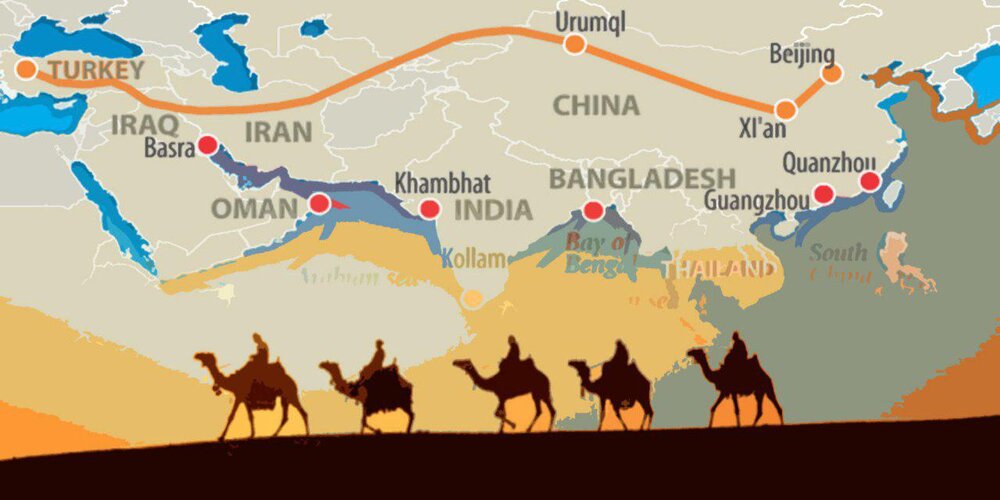
Tehran welcomes Beijing's initiative to revive glory of ancient Silk Road

TEHRAN – Iran’s tourism minister Ali-Asghar Mounesan has said Iran backs China’s initiative for reviving the glory of ancient Silk Road, which existed for thousands of years, passing through many different empires, kingdoms, reigns and societies throughout history.
As one of the countries under the China-proposed Belt and Road Initiative (BRI), Iran enables cultural communication between the East and the West.
“The BRI tightly connected many amicable countries along the Silk Road, and I am very glad that Iran could join in the initiative because it is helping to restore the glory of the ancient road,” the Global Times quoted Mounesan as saying on Friday.
The visiting Iranian minister made the remarks on Friday on the sidelines of the third ministerial meeting of the Ancient Civilizations Forum, which was held in Beijing, China.
The minister voiced hope that more Chinese travelers to visit Iran as he pointed at China a huge tourism market.
Back in June, the Iranian government approved a proposal for allowing visa-free entry of the Chinese nationals into the country. The law took effect on July 16. The decision came in response to a joint request by the Foreign Ministry and the then Iran’s Cultural Heritage, Handicrafts and Tourism Organization of Iran (which later transformed into a ministry).
Mounesan also noted that apart from tourism, Iran would also welcome cooperation with China in the preservation and restoration of cultural relics, the report said.
“China and Iran are two countries with ancient civilizations. Both have many rich world heritage sites, and we are open to learning from each other,” Mounesan said, noting that preserving traditional culture in the new era is very important.
Mounesan also voiced support for China’s efforts to enhance its local culture, mentioning the Palace Museum's attempts to develop creative cultural industries to attract young people. Iran is also trying to keep its traditional culture alive through various art forms including film, drama, traditional clothes and handicrafts.
“I am very happy that some [handicraft] experts are young people, and they do like their jobs. In fact, Iran has become one of the largest exporters of handicrafts in the world. Last year, exports of handicrafts in Iran reached $600 million, and we want to set a target of $2 billion.”
Elsewhere in his remarks, the Iranian minister criticized some Western countries that do not have an ancient cultural background but are trying to create a kind of new culture, which is influencing the younger generation and causing traditional culture to be ignored.
“We have realized the phenomenon of cultural hegemony, but fortunately, more and more young people know their root culture. For example, art majors in universities are very popular among students. However, we still need more talks to face the cultural wave.”
UNESCO says that ancient Silk Road has connected civilizations and brought peoples and cultures into contact with each other from across the world for thousands of years, permitting not only an exchange of goods but an interaction of ideas and cultures that has shaped our world today. 

Sunday, December 01, 2019

Iran proposes a world day for ancient civilizations

TEHRAN – Iranian tourism minister on Friday proposed a world day for ancient civilizations as he was addressing the third ministerial meeting of the Ancient Civilizations Forum in Beijing, China.
“Importance and influence of ancient civilizations over the modern world is so great that I believe it should be marked each year as the world day of ancient civilizations,” CHTN quoted Ali-Asghar Mounesan as saying on Friday.
Chaired by the Chinese Minister of Culture and Tourism Luo Shugang, the forum was also attended by ministers from India, Iraq, Egypt, Armenia, Italy, Bolivia, Peru and Greece, as well as a community of international tourism and cultural heritage officials and experts.
“This forum lays a ground for exchanging our views and ideas. And today, I am going to take this opportunity to share my views on [how to make the best] use of cultural heritage for realization of cultural diplomacy. As we all acknowledge, cultural heritage, tourism, and crafts in today’s challenging world are [considered as] important tools for promoting and consolidating peace between [various] nations and communities.”
The Iranian minister explained how ancient civilizations, which abstained from wars and respected for human values, could ultimately ensure peace and security.
“The history testifies that human beings have always faced challenges of their times. [However], both the emergence and ways of dealing with each challenge has been repeated more or less in all historical periods and in all over the world.”
Mounesan added that though, sometimes, some societies have overruled each other’s rights and challenged their own and others’ peace and security, the true victory was achieved by those societies and nations who abstained from militancy and respected for human values.
“Some [of ancient societies and nations] could ensure peace and security and overcome the spirit of hegemony by the means of [practicing mutual] understanding and cultural interaction.”
Mounesan emphasized that in today world “we” are still witnessing differences of opinion and conflicts of interest.
“Devoting attention to cultural and civilizational commonalities can bring countries closer together and bridge gaps between them. So, in my opinion, the world today needs, most of all, cultural closeness, empathy, discourse, and consultation; ones that ancient societies were also benefited from in the past.”
He said that considering cultural heritage from this perspective would be a right solution because it could linking present generations - especially young people to the dignity and identity they have in common, and it can also play an important role in bringing nations together.
Ancient Civilizations Forum at a glance
The formation and evolution of ancient civilizations and their great achievements, ranging from architecture, philosophy and mathematics to medicine and astronomy, just to name a few, laid the foundation for the modern world as we experience it today.
The heirs of ancient civilizations have an obligation, indeed a mission, to preserve and develop this legacy for the benefit of humanity. This is especially important in a period of rapid changes and great uncertainties when international cooperation for global problems like climate change and growing inequalities is of paramount importance.
The aim of the conference was to discuss the importance of setting up an Ancient Civilization Forum, examine best practices of inter-cultural dialogue, describe initiatives and propose joint actions mainly in the fields of academic and scientific research, cultural diplomacy, cyberspace and the new media with an eye on growth and human-centric development.
The main areas of interest according to the Forum are: the impact of ancient civilizations on the modern era; civilization as a soft and smart power; and civilization as an agent of economic growth.

Tuesday, October 15, 2019

Spark your wanderlust: how influencers can help?

By Afshin Majlesi

In the current fast-paced realm of advertising and marketing, travel influencers have changed the whole game as they have succeeded to materialize a totally new and self-directed channels to reach audiences in a more authentic and personal way, even influencing to shape their wanderlusts.
We can say that the Instagram has backtracked old-school manners of travel advertising campaigns. Well-traveled influencers induce their avid followers to win sparking their wanderlusts by the means of the photo-sharing platform that enables sharing of wonderful moments and wandering adventures of their journeys.
Many believe that the Instagram has drastically changed the way people, especially the youth, travel, and it’s undoubtedly not all for the better. The trend, however, has its own harms, for instance, it may lead to overtourism, a relativity new term that you may cannot look it up in many dictionaries.
That’s why Iran’s tourism ministry has started to make the best use of new technologies in order to portray a true image of the country based on what travelers and influencers perceive during their visits to the country.
But, how does it work for Iran? It’s noteworthy to remind that Iran has been under U.S. sanctions and its anti-Iran propaganda for around four decades. Some Western media outlets have long tried to portray Iran’s global image as unsafe, unwelcoming and so on.
As an example, some of their messages carry themes from U.S. State Department’s travel advisory against Iran, which since 1979, warns about “the risk of kidnapping, arrest and detention of U.S. citizens.”
On the contrary, when you refer to people who have visited the country or even you read their travelogues on Iran, you usually perceive that Iranians are described as warm, friendly and eager to show off their country to foreigners. Moreover, almost all international tour operators and travel agents have the same attitude towards the country and its people.
The 2019 Travel Risk Map, which shows the risk level around the world, puts Iran among countries with “insignificant risk”, a category where the UK, Denmark, Switzerland, Norway, and Finland are placed in.
Tourism minister Ali-Asghar Mounesan said on Thursday that the ministry supports certain the Instagram influencers to travel to the country.
“Instagram influencers’ trips to Iran are backed by the Ministry of Cultural Heritage, Tourism and Handicrafts and, in the advertising arena, we do a lot of work to fight Iranophobia and introduce the true face of Iran,” Mounesan said.
“One of the areas [in travel & tourism advertising] is to bring famous figures to Iran, get the country known to them in terms of its rich culture, beautiful natural landscapes and historical monuments…this is part of programs to introduce the country that we will definitely continue.”
With over one billion active monthly users, it seems reasonable that the Instagram has enough power to set new trends on traveling to a country that boasts hospitable people and some of the world’s oldest cultural monuments such as bazaars, museums, mosques, bridges, bathhouses, madrasas, gardens, rich natural, rural landscapes and 22 UNESCO World Heritage sites to name a few.

Saturday, October 12, 2019

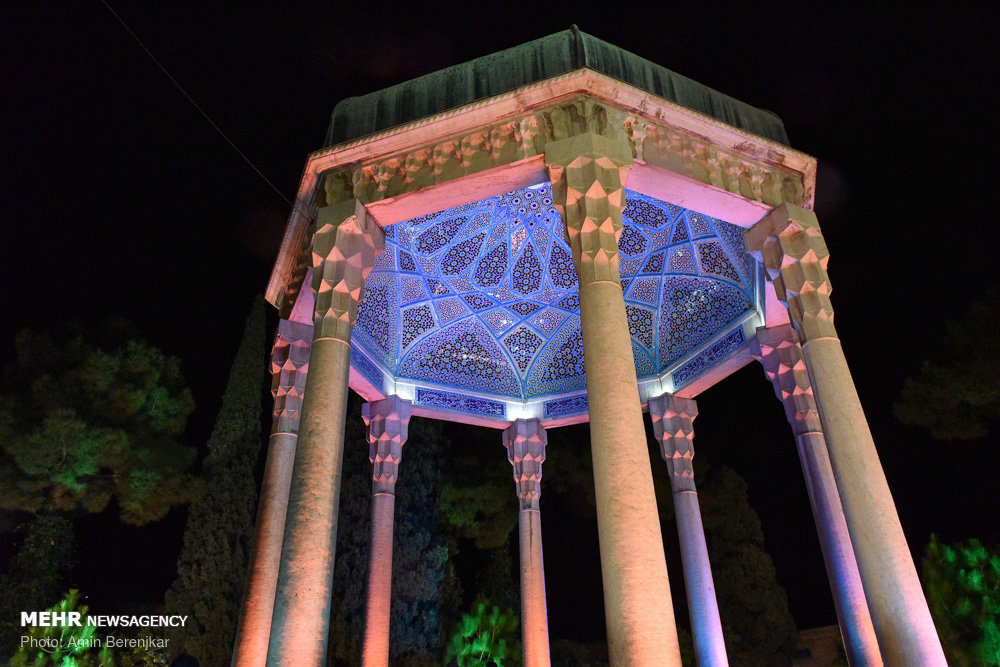
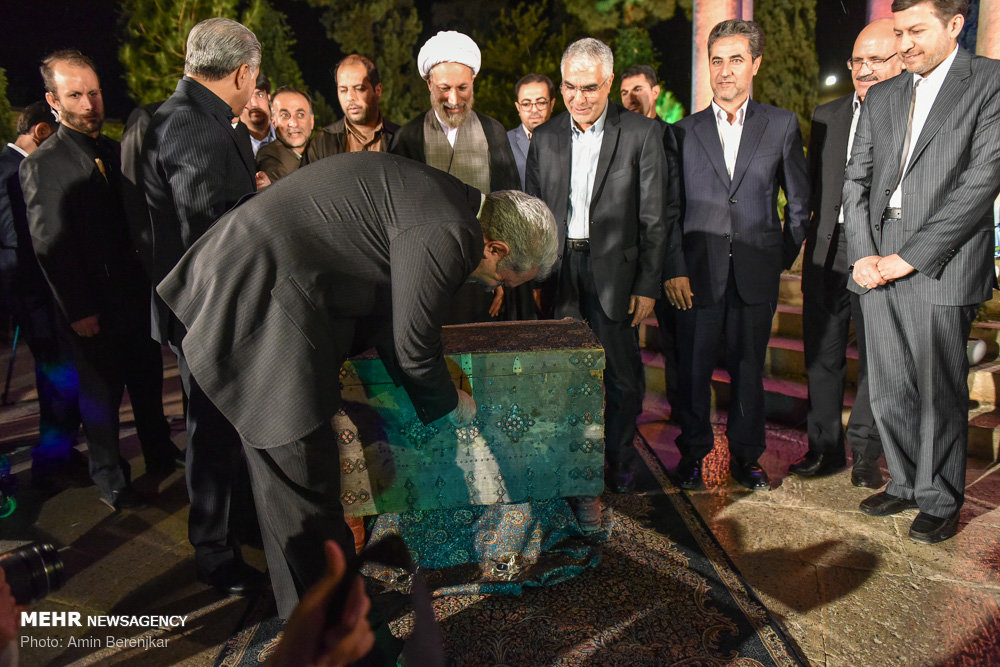
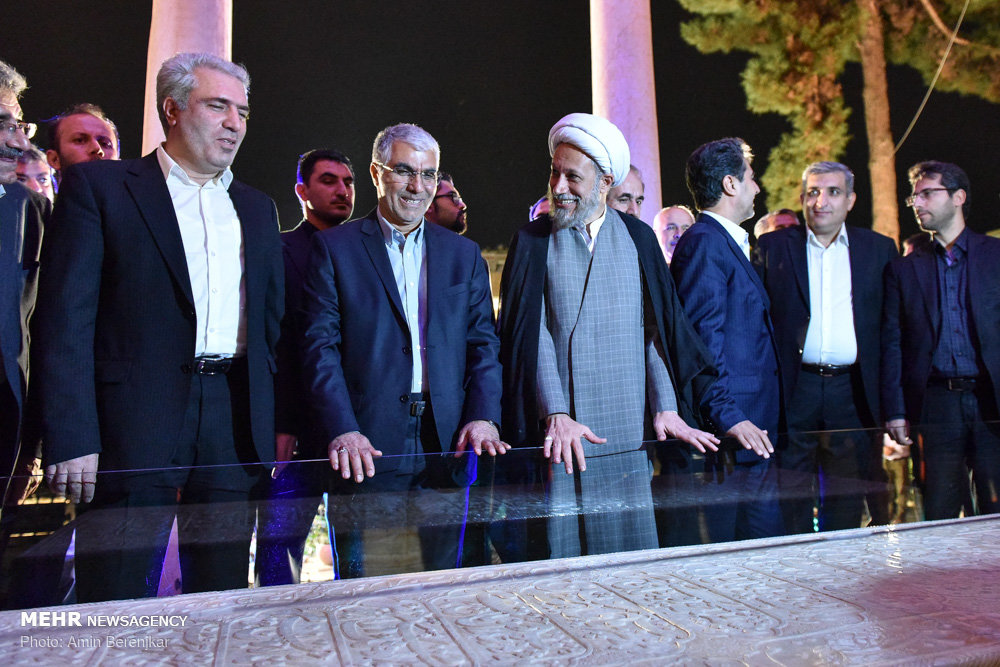
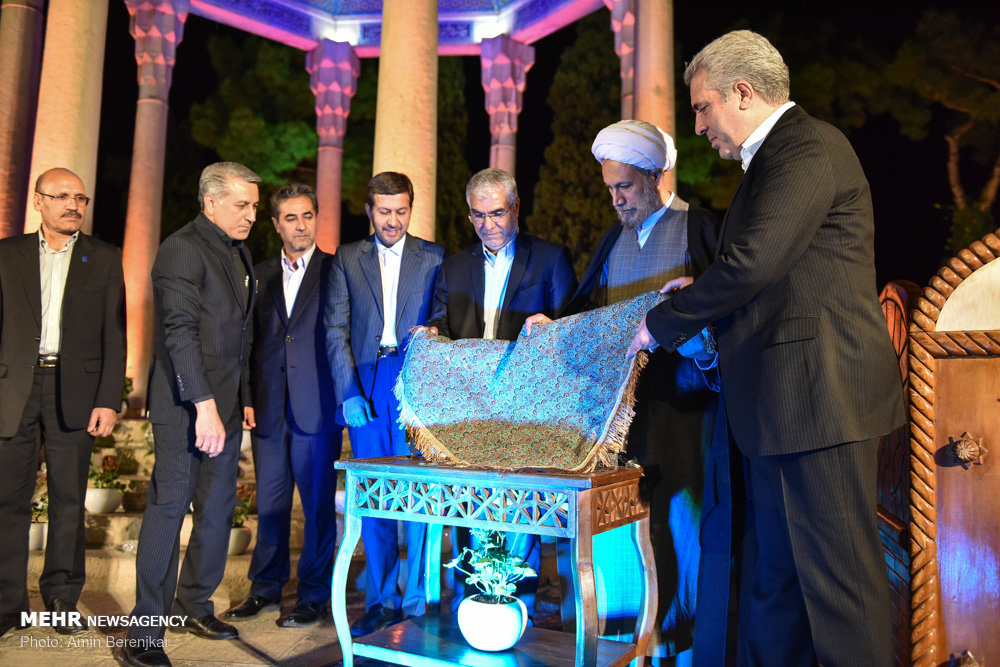
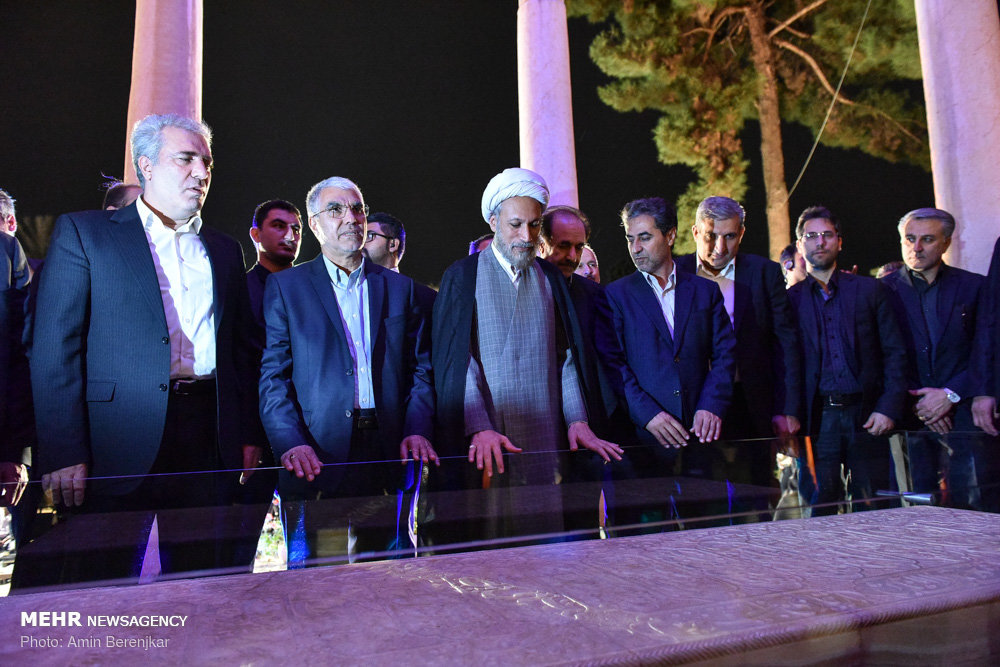
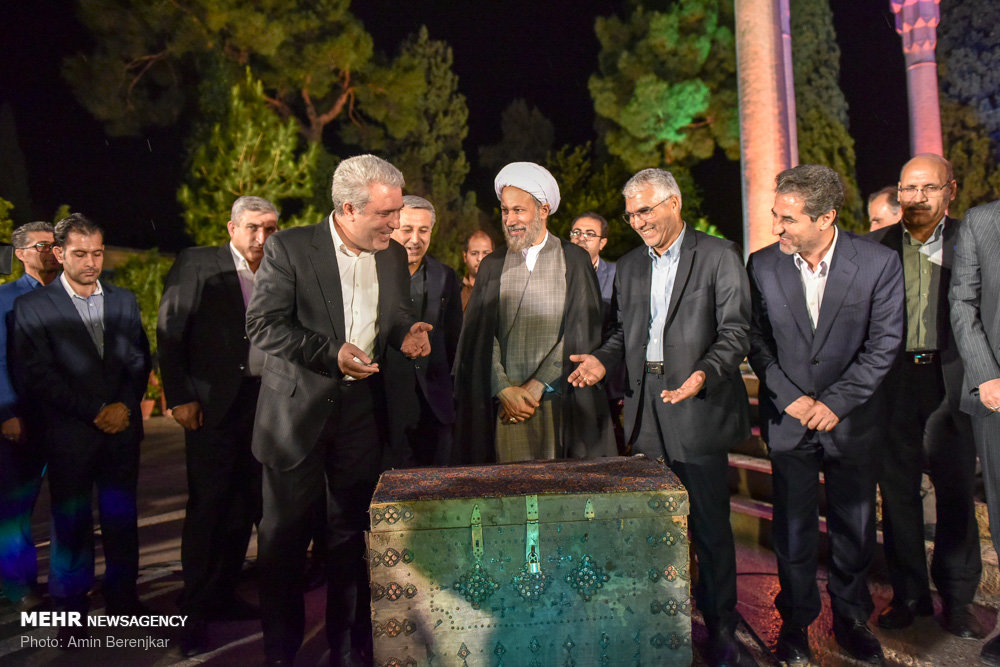
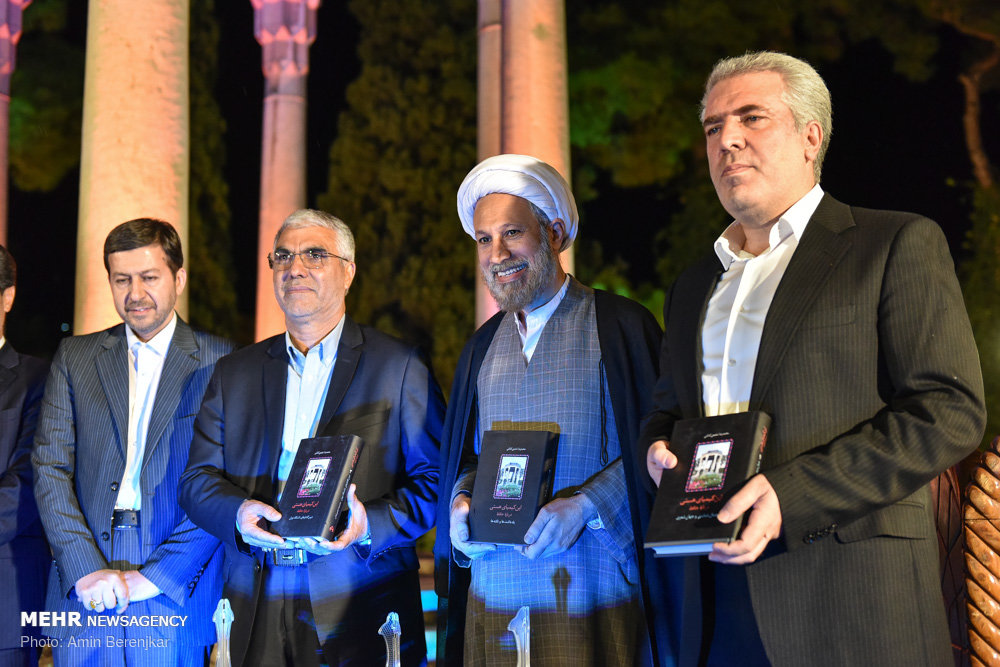
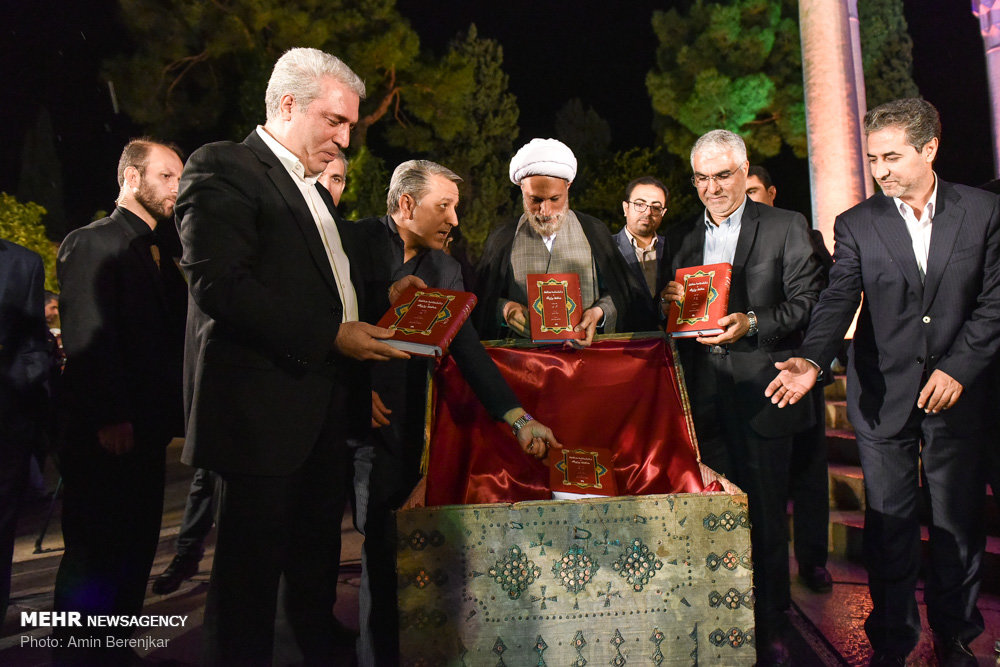
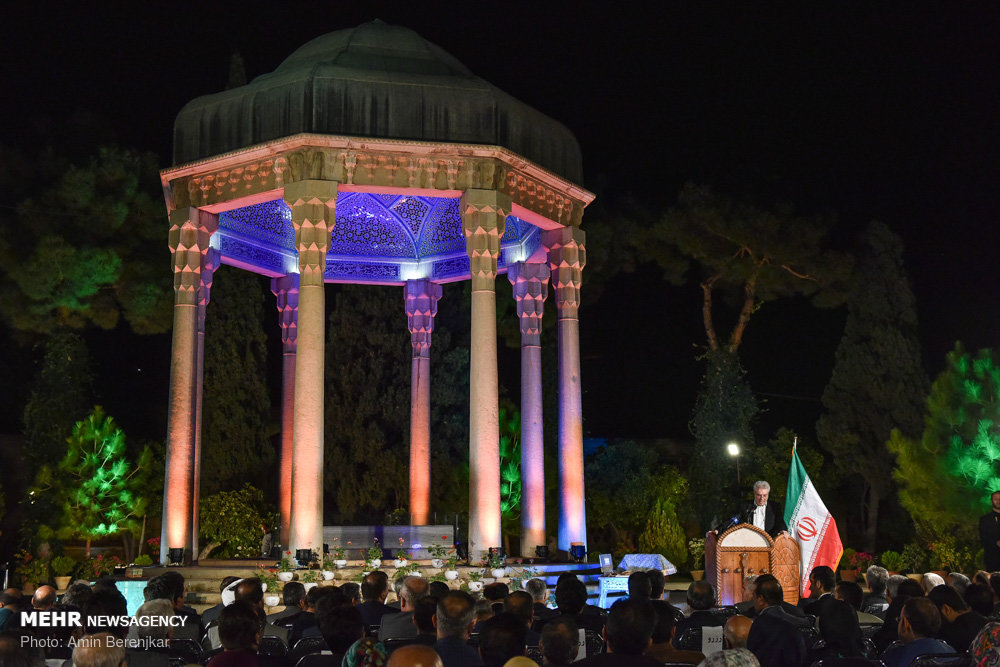
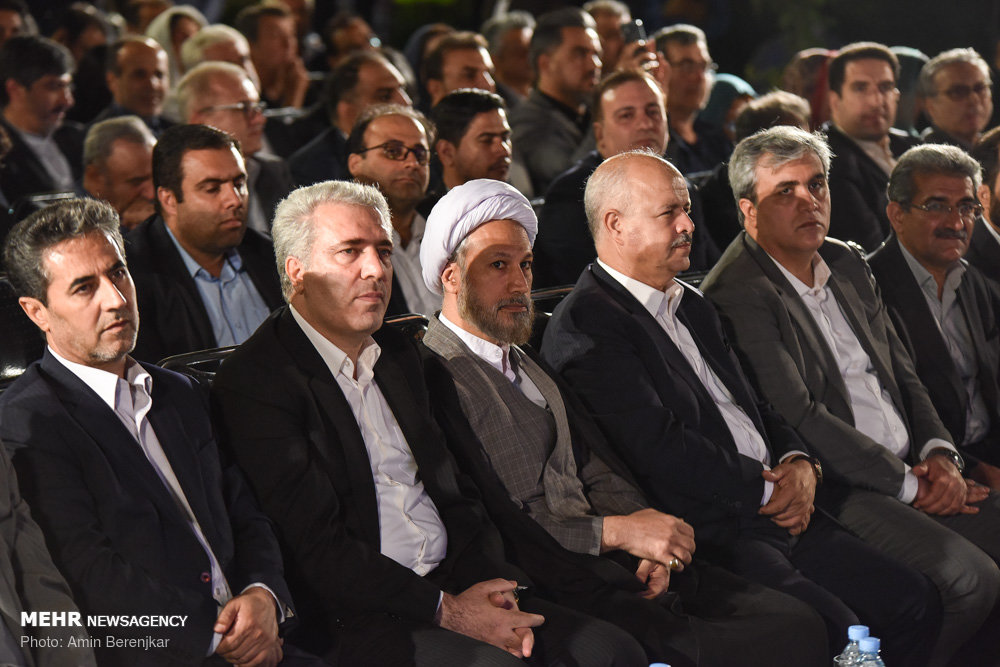
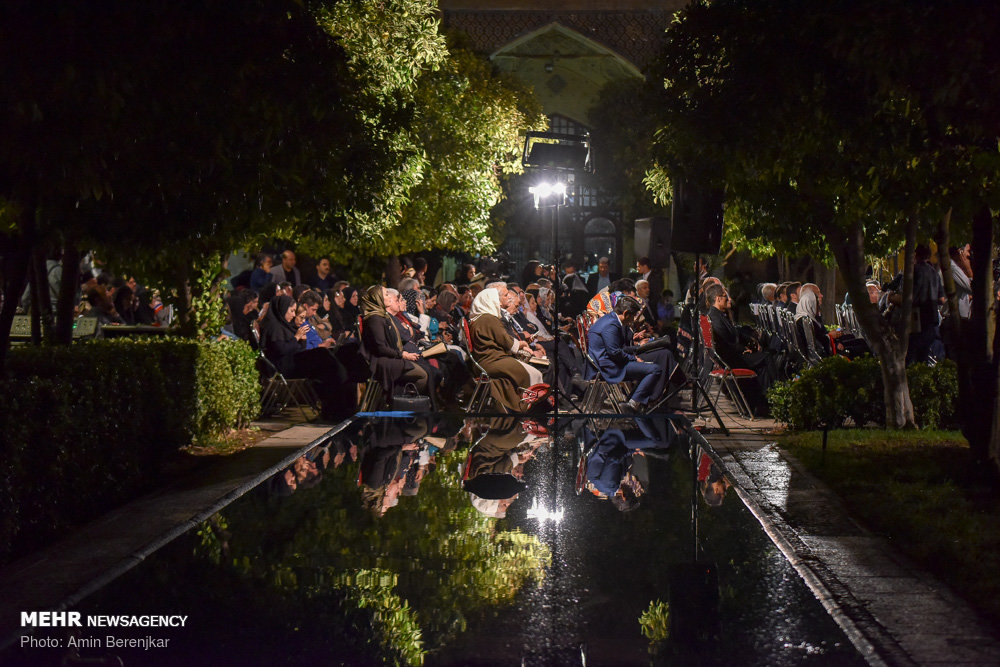
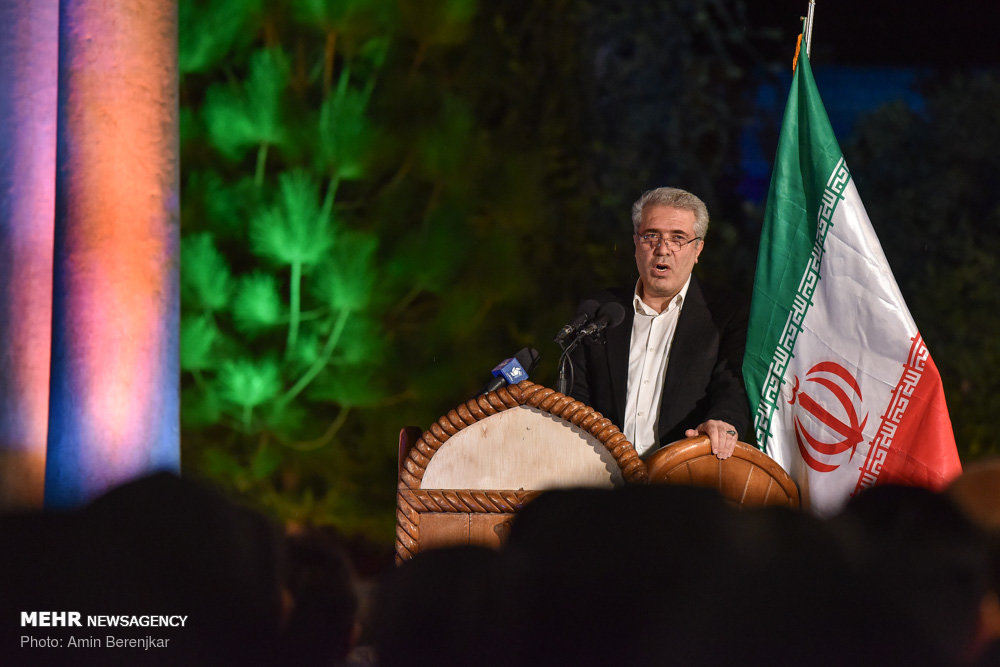
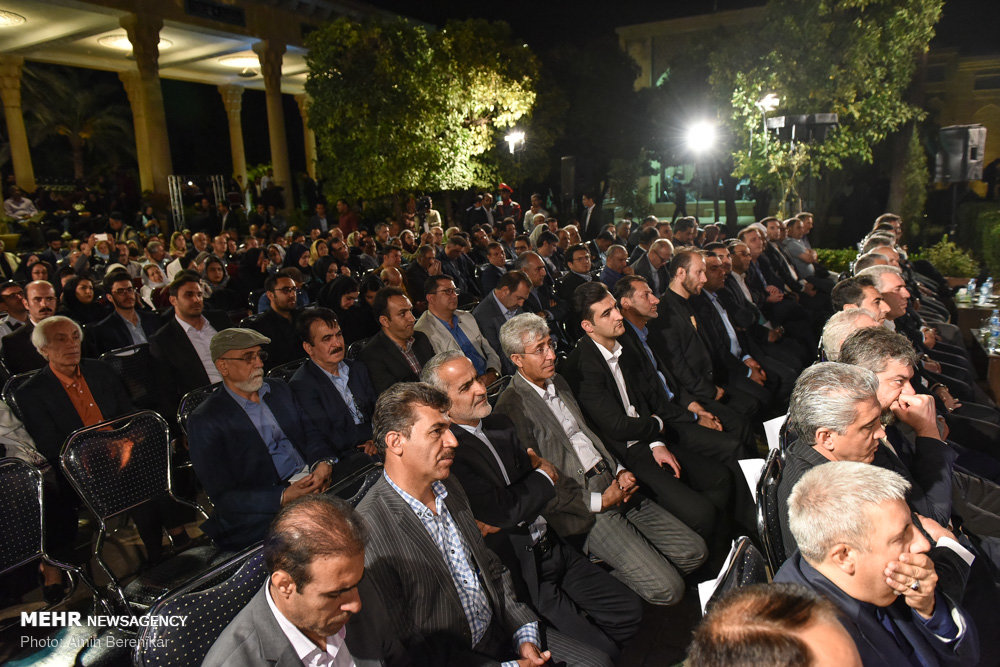
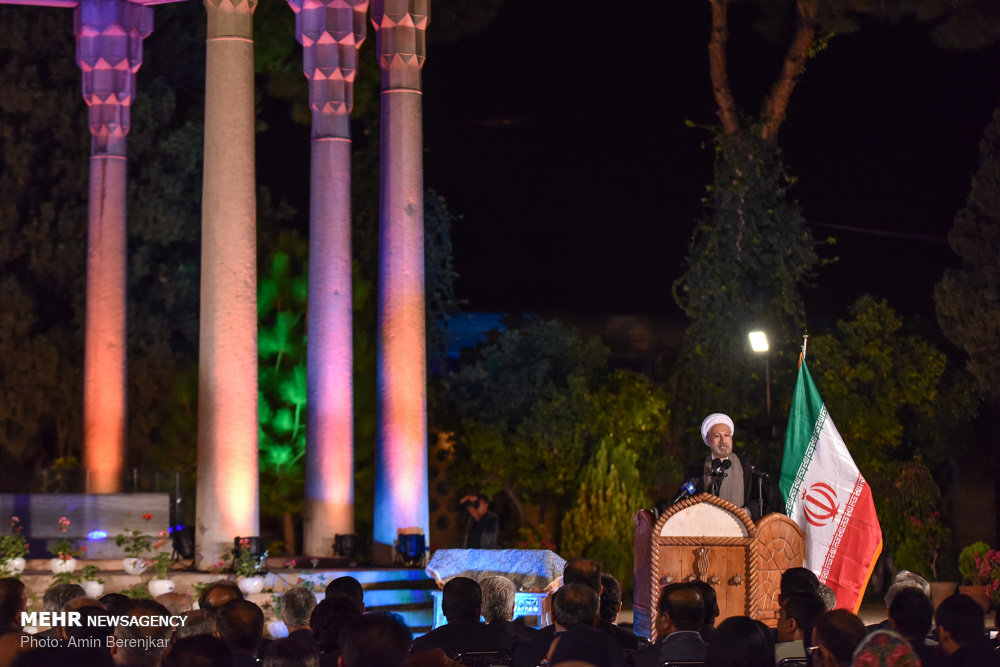
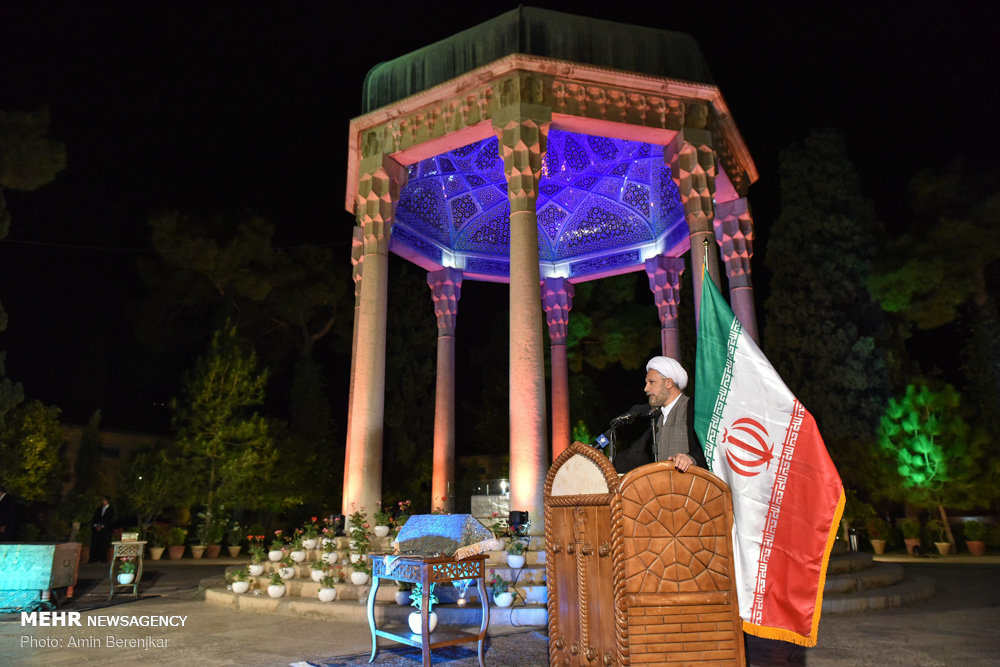
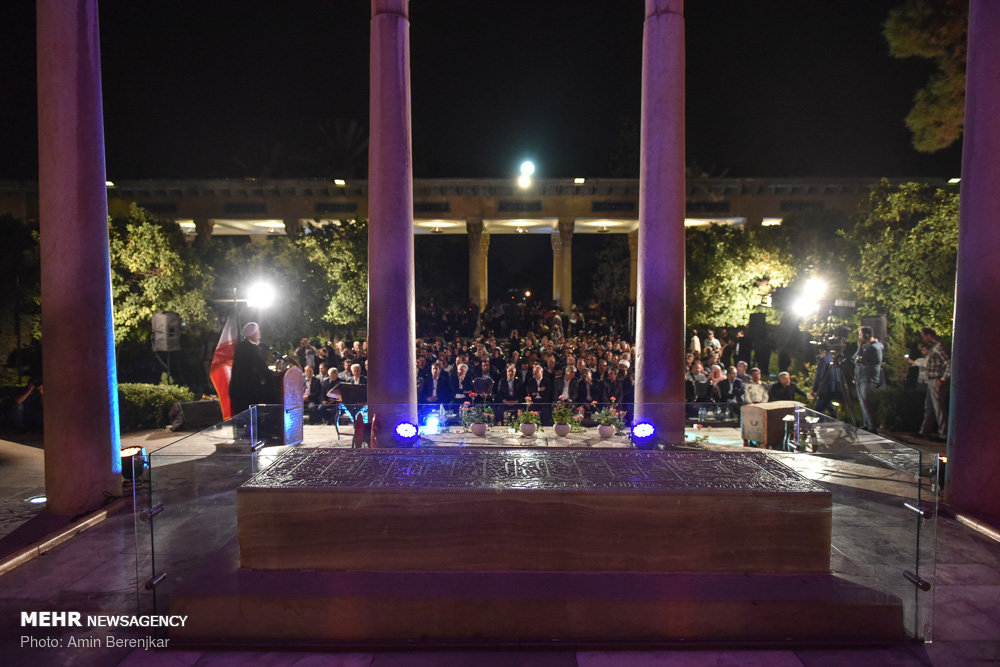
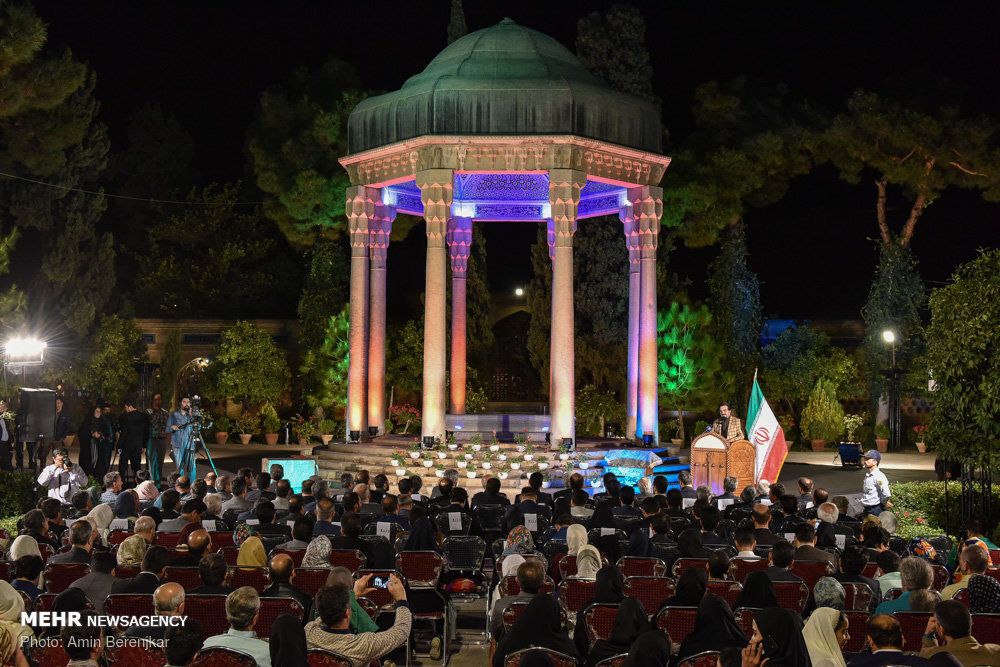
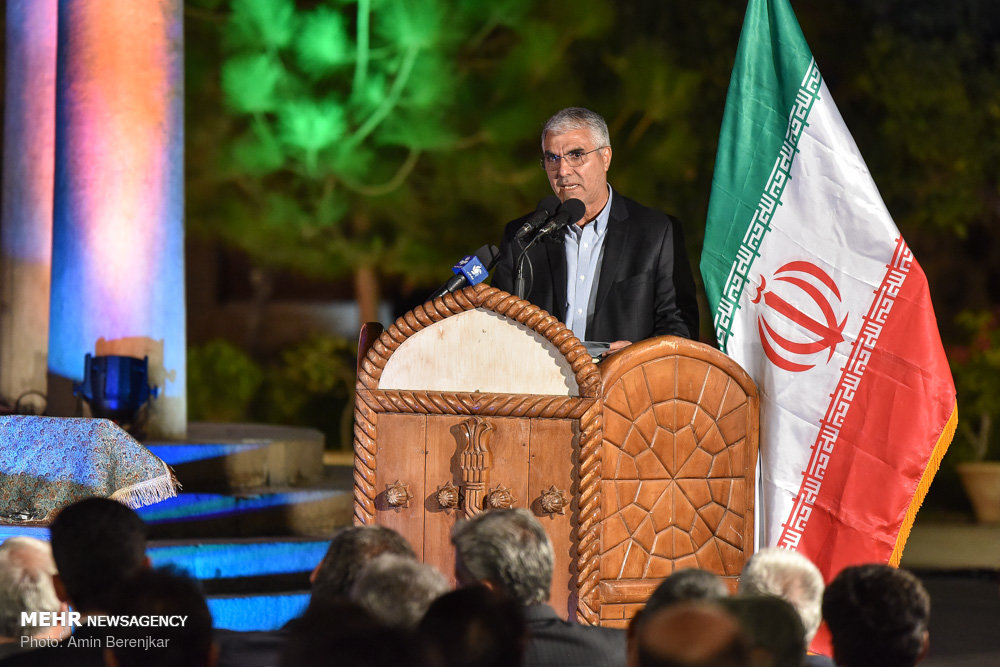
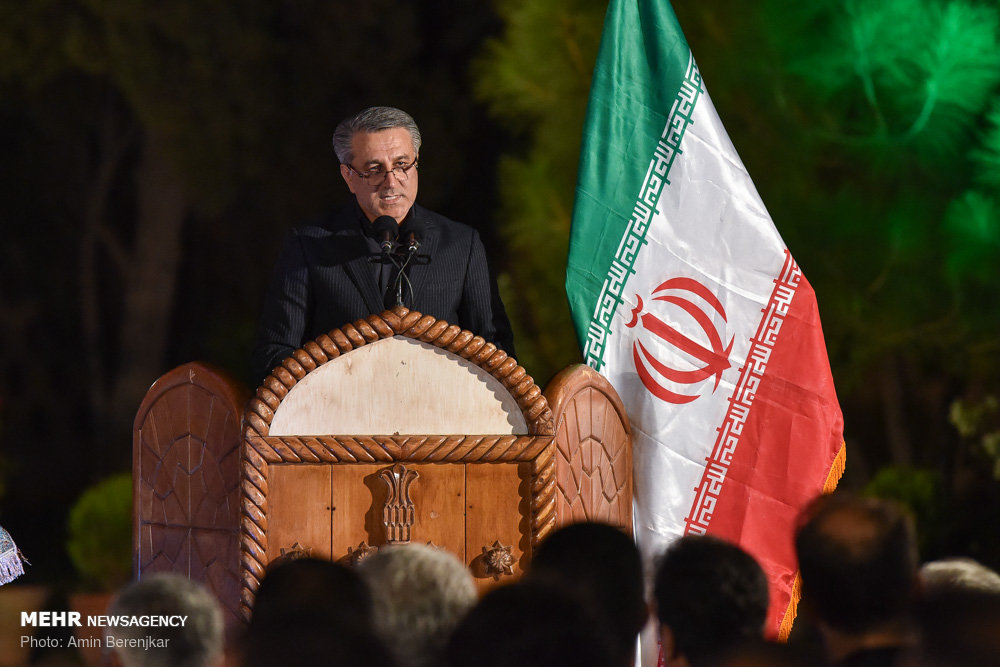
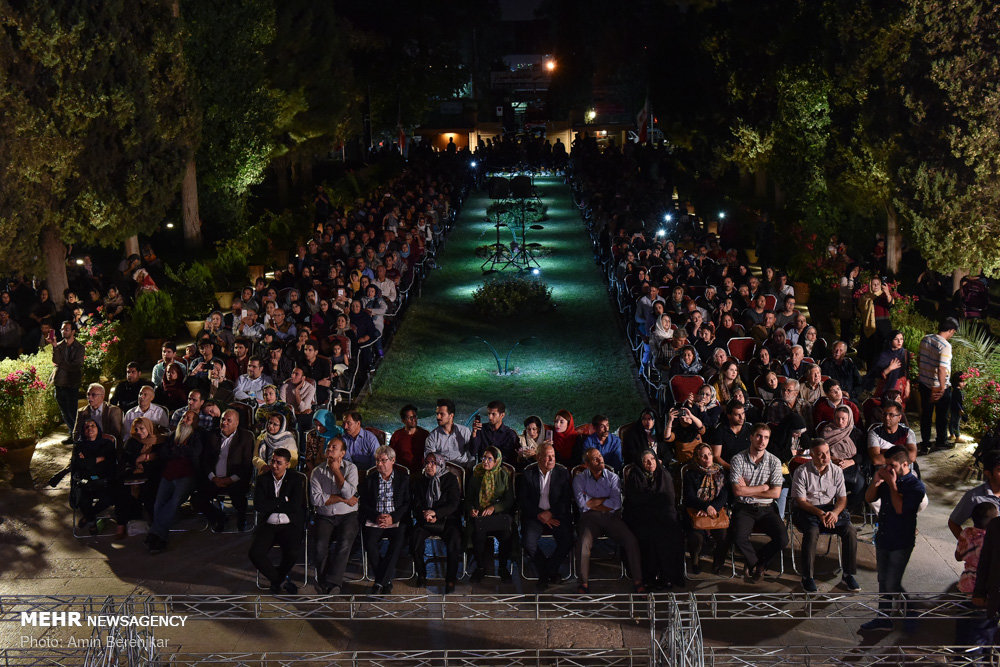
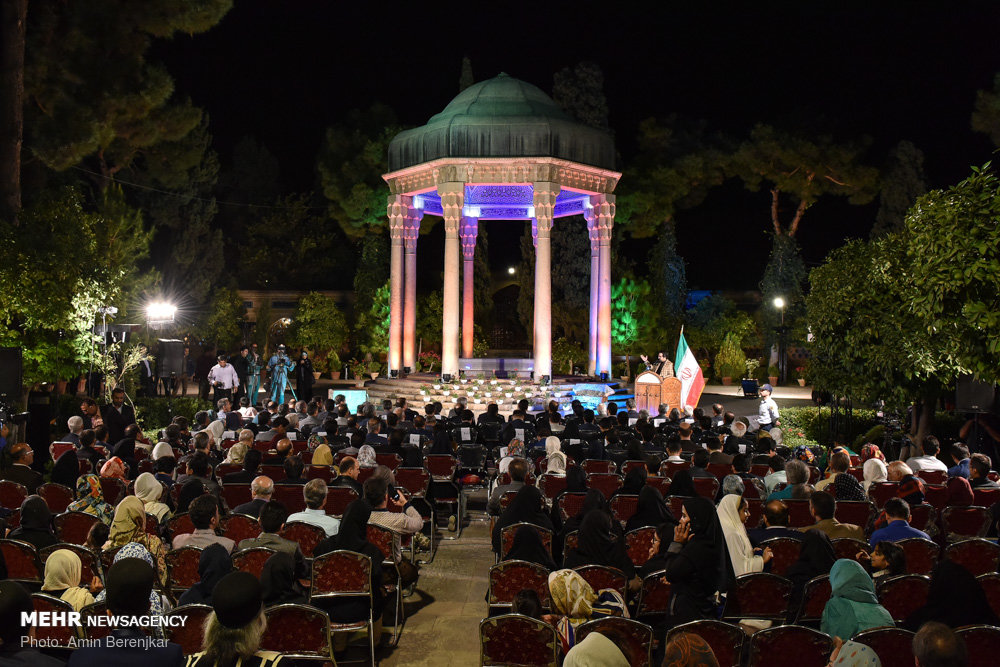
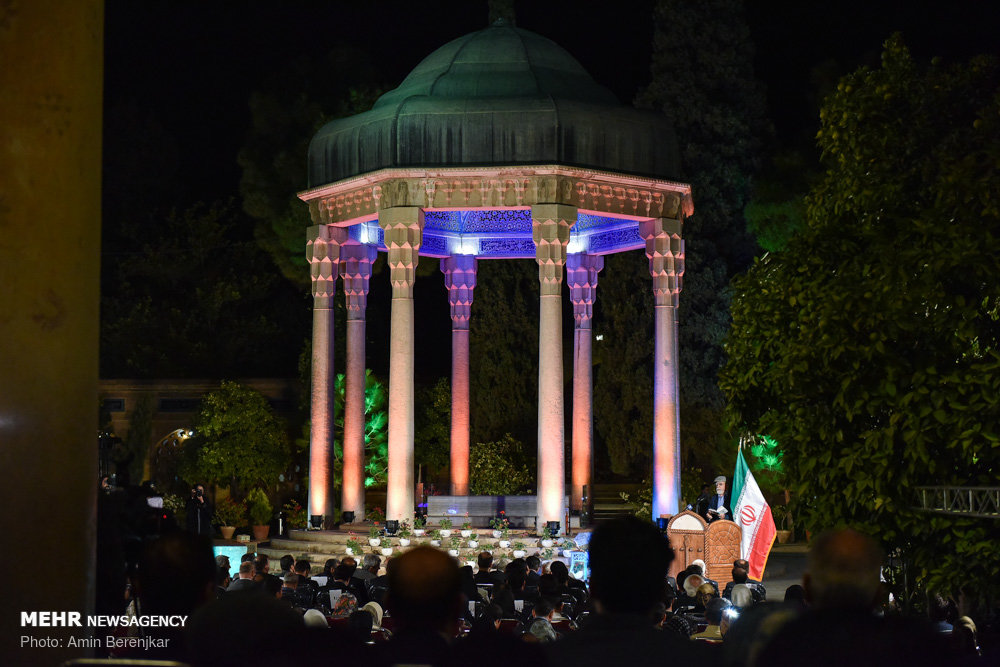
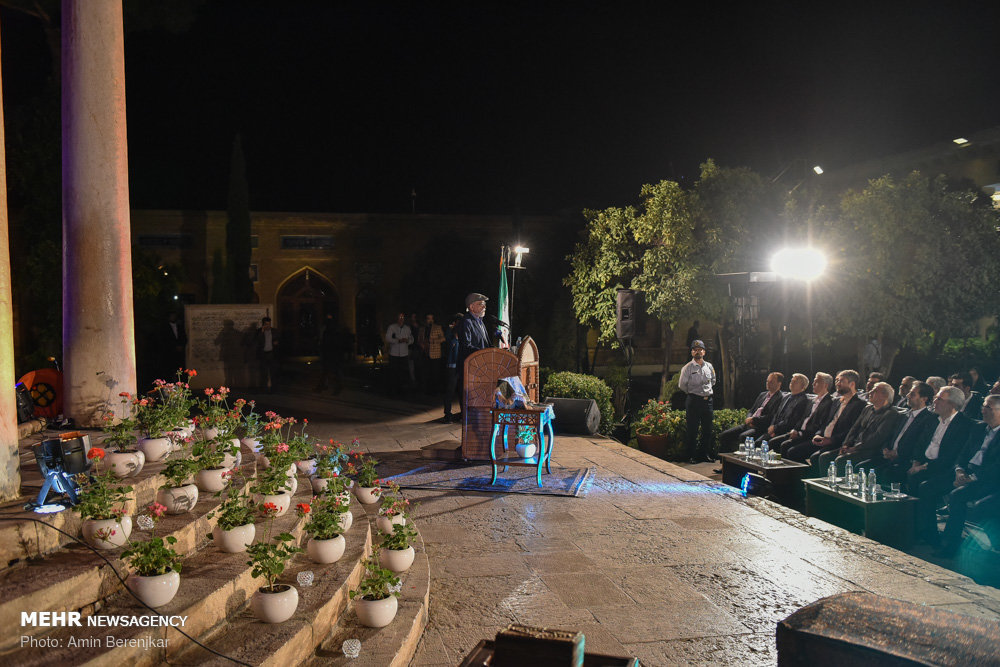
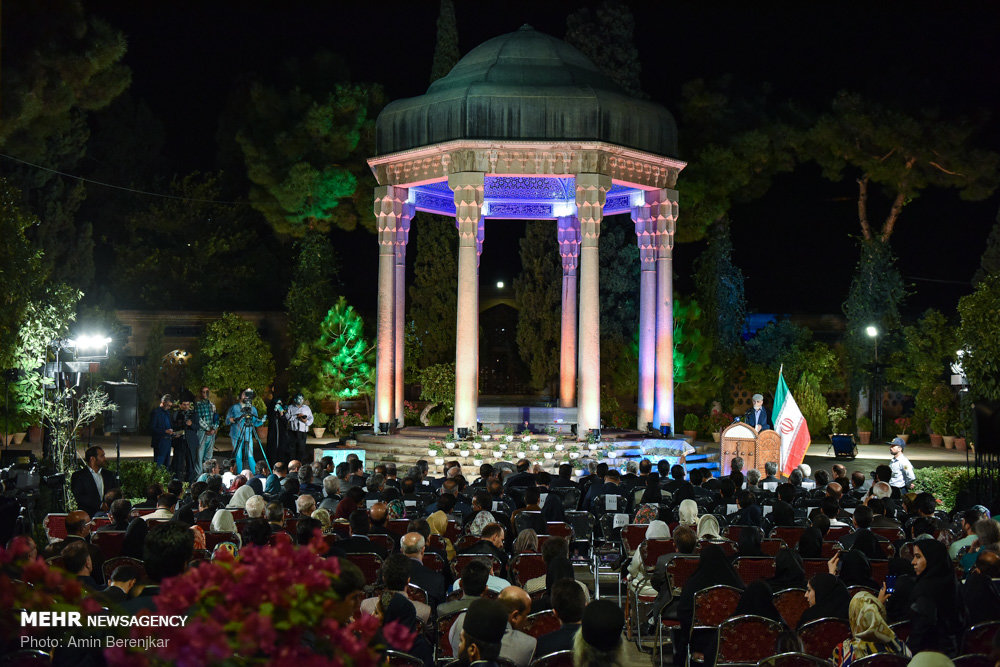
Commemoration of Hafez Day in Shiraz

By: Amin Berenjkar


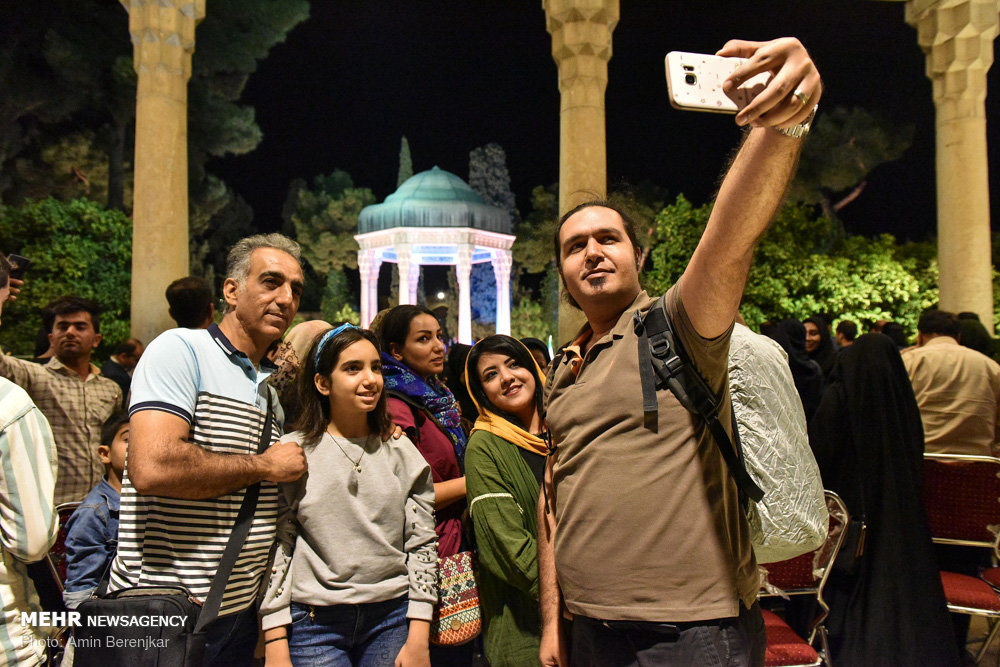
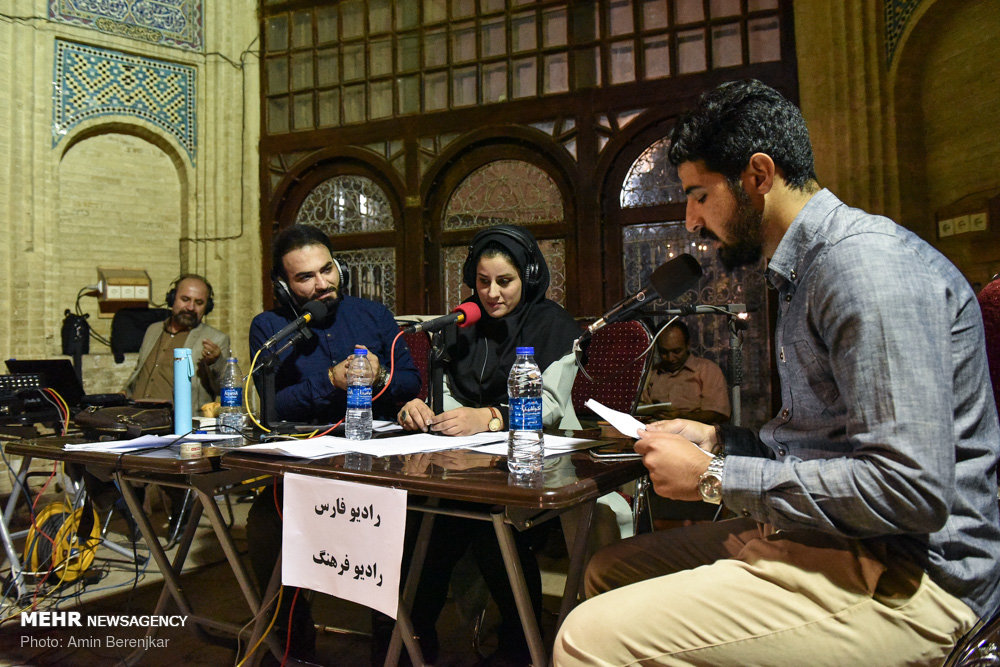
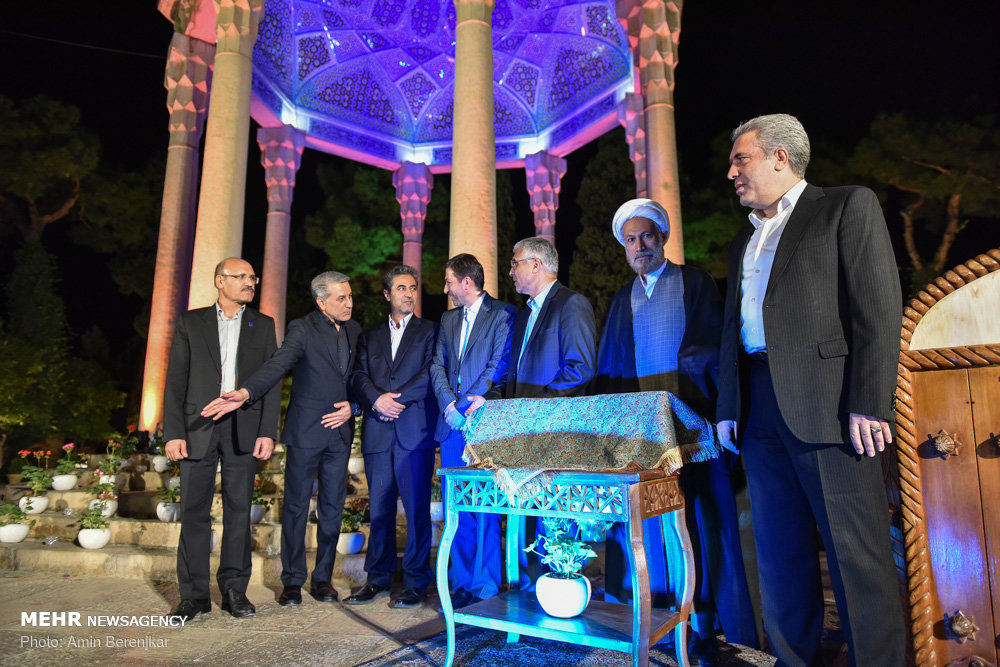
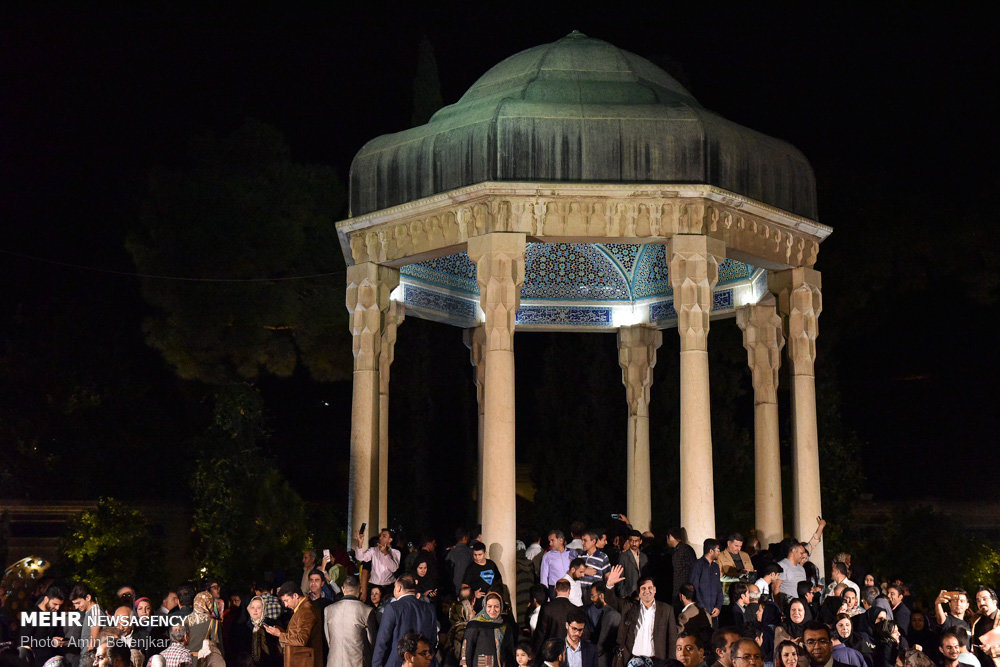
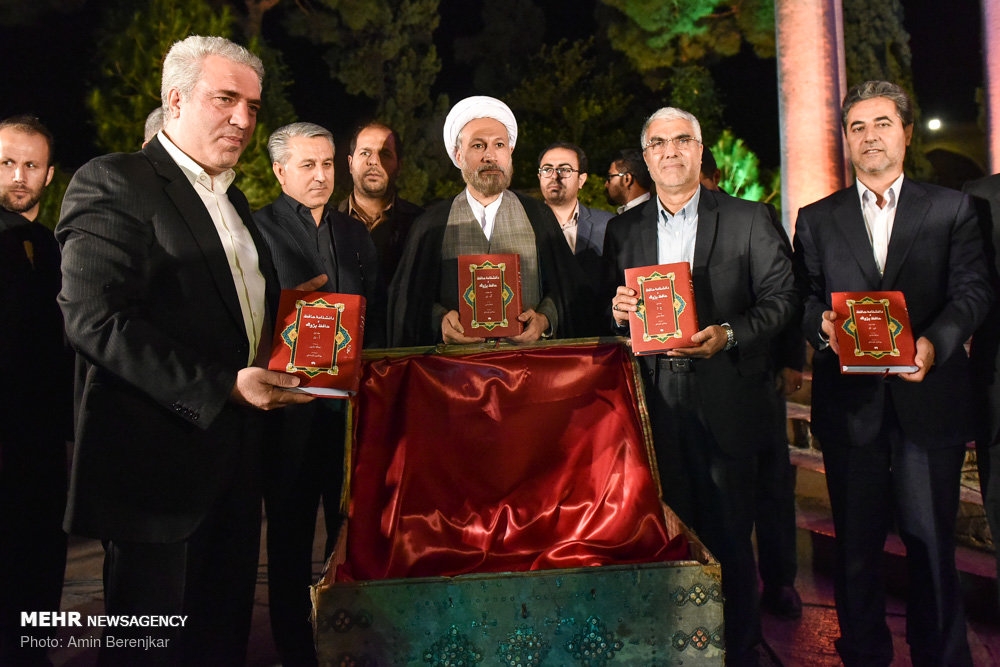
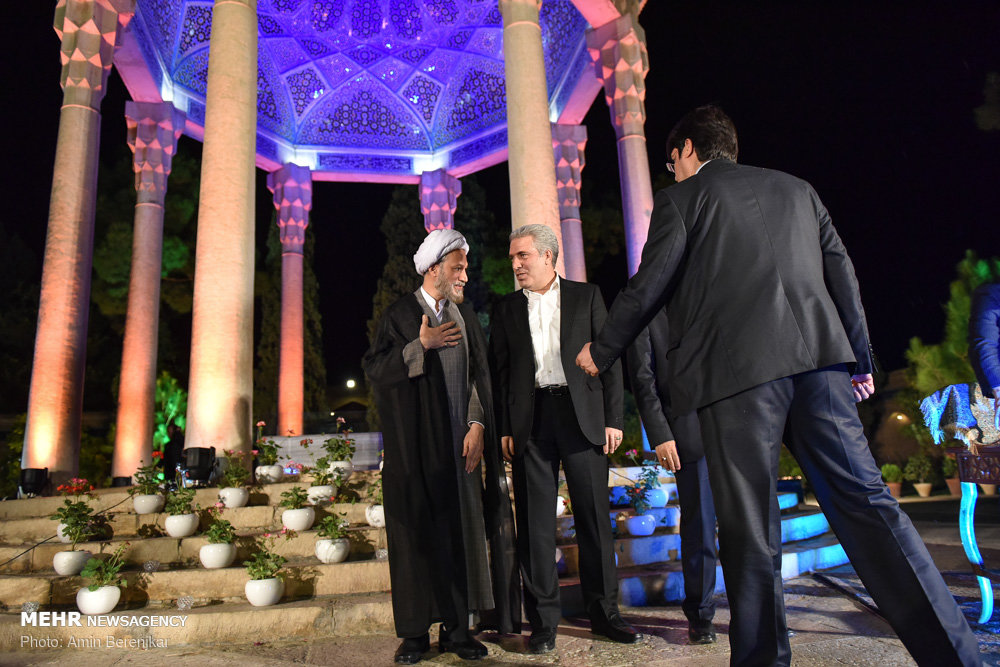
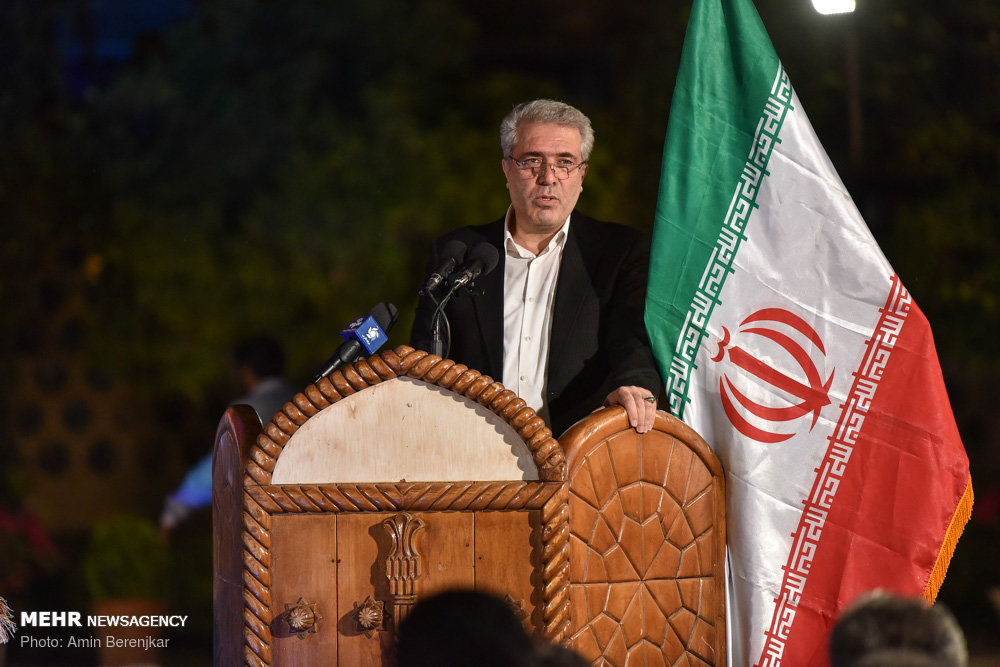
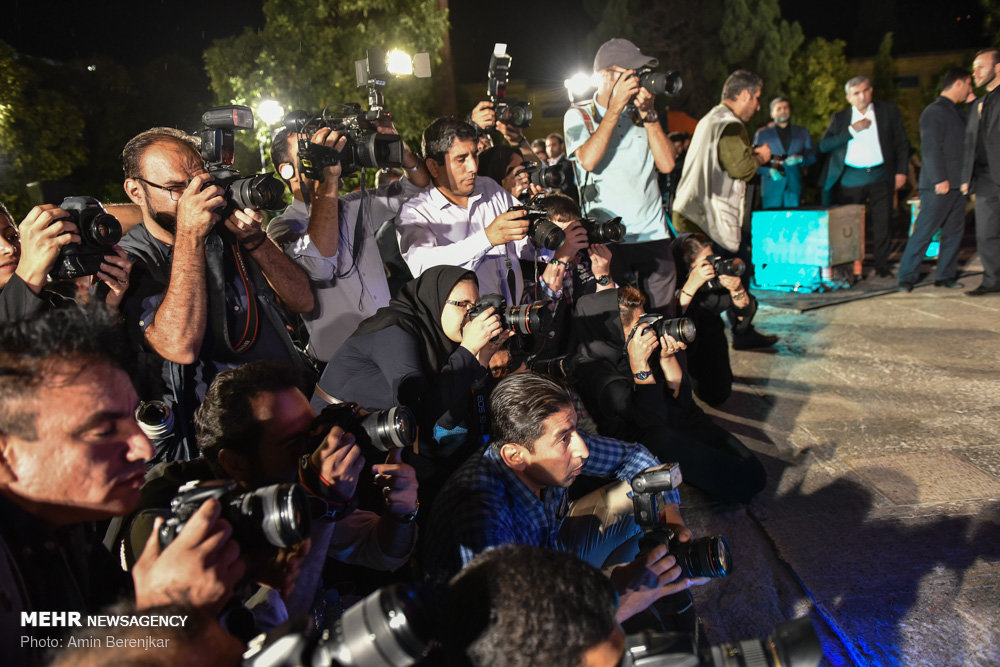
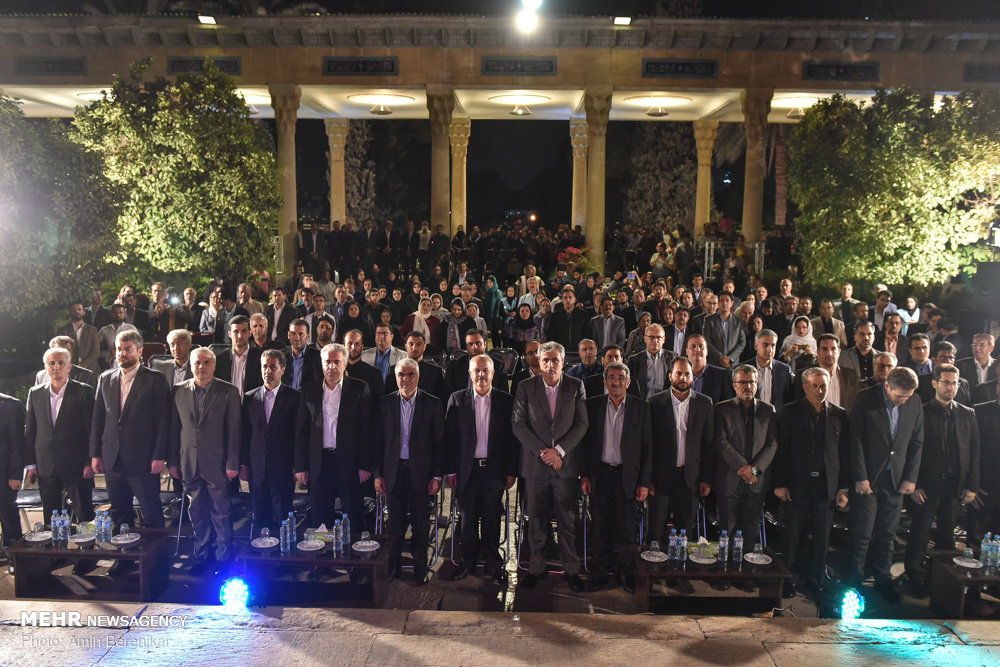
SHIRAZ, (MNA) – The commemoration ceremony of Hafez National Day was held at the Tomb of Hafez on Thursday, in the presence of Ali Asghar Mounesan, Head of Cultural Heritage and Tourism Organization, Esmail Tabadar, the governor of Fars province and a group of other senior officials of the province. Hafez was a 14th-century Persian poet and mystic highly revered by by famous writers and scholars all across the world.

  • Commemoration of Hafez Day in Shiraz
  • Commemoration of Hafez Day in Shiraz
  • Commemoration of Hafez Day in Shiraz
  • Commemoration of Hafez Day in Shiraz
  • Commemoration of Hafez Day in Shiraz
  • Commemoration of Hafez Day in Shiraz
  • Commemoration of Hafez Day in Shiraz
  • Commemoration of Hafez Day in Shiraz
  • Commemoration of Hafez Day in Shiraz
  • Commemoration of Hafez Day in Shiraz
  • Commemoration of Hafez Day in Shiraz
  • Commemoration of Hafez Day in Shiraz
  • Commemoration of Hafez Day in Shiraz
  • Commemoration of Hafez Day in Shiraz
  • Commemoration of Hafez Day in Shiraz
  • Commemoration of Hafez Day in Shiraz
  • Commemoration of Hafez Day in Shiraz
  • Commemoration of Hafez Day in Shiraz
  • Commemoration of Hafez Day in Shiraz
  • Commemoration of Hafez Day in Shiraz
  • Commemoration of Hafez Day in Shiraz
  • Commemoration of Hafez Day in Shiraz
  • Commemoration of Hafez Day in Shiraz
  • Commemoration of Hafez Day in Shiraz
  • Commemoration of Hafez Day in Shiraz
  • Commemoration of Hafez Day in Shiraz
  • Commemoration of Hafez Day in Shiraz
  • Commemoration of Hafez Day in Shiraz
  • Commemoration of Hafez Day in Shiraz
  • Commemoration of Hafez Day in Shiraz
  • Commemoration of Hafez Day in Shiraz
  • Commemoration of Hafez Day in Shiraz
  • Commemoration of Hafez Day in Shiraz
  • Commemoration of Hafez Day in Shiraz
  • Commemoration of Hafez Day in Shiraz


Wednesday, October 02, 2019

Achaemenid-era clay tablets returned home after 84 years

TEHRAN – A total of 1,783 Achaemenid-era clay tablets, which were on loan from Iran to the Oriental Institute of the University of Chicago since 1935, have been returned home.
The fourth batch of the Achaemenid objects, composed of 1783 clay tablets, entered the country from the Oriental Institute after 84 years, CHTN reported.
They are part of thousands of clay tablets and related fragments, which were kept at Chicago’s Field Museum of Natural History and the University of Chicago’s Oriental Institute.
The artifacts were recuperated with great deal of efforts made by the Ministry of Cultural Heritage, Tourism and Handicrafts and the presidential office for legal affairs, tourism minister Ali-Asghar Mounesan said.
The tablets were handed over to the National Museum of Iran, where they are supposed to be put on show as of tomorrow. 
“These treasured documents decipher an important segment of recorded history of Achaemenids during the reign of Darius I (Darius the Great who reigned from 522 to 486 BC),” said Jebrael Nokandeh, director of the National Museum of Iran.
Last December, Mounesan announced that over 11,000 flawless [Achaemenid-era] clay tablets and a large number of fragments of their kind will be back home.
“Of the cited number, 1784 clay tablets have been endorsed by the U.S. Department of the Treasury in order to be shipped to Iran, in the first stage… and they are currently being packed by the Oriental Institute of the University of Chicago,” Mounesan said.
In February 2018, and following years of ups and downs, the fate of those ancient Persian artifacts, was left in the hands of a U.S. Supreme Court, which ruled in favor of Iran.
Archaeologists affiliated with the University of Chicago discovered the tablets in 1930s while excavating in Persepolis, the ceremonial capital of the Persian Empire. However, the institute has resumed work in collaboration with colleagues in Iran, and the return of the tablets is part of a broadening of contacts between scholars in the two countries, said Gil Stein, director of the Oriental Institute at the University of Chicago.
The tablets reveal economic, social and religious history of the Achaemenid Empire (550-330 BC) and the larger Near Eastern region in the fifth century BC.
Darius I, byname Darius the Great, (born 550 BC—died 486), king of Persia in 522–486 BC, one of the greatest rulers of the Achaemenid dynasty, who was noted for his administrative genius and for his great building projects. Darius attempted several times to conquer Greece; his fleet was destroyed by a storm in 492, and the Athenians defeated his army at Marathon in 490.
The Achaemenid [Persian] Empire was the largest and most durable empire of its time. The empire stretched from Ethiopia, through Egypt, to Greece, to Anatolia (modern Turkey), Central Asia and to India.