TEHRAN – Apadana Staircase is one of the most striking sections of the UNESCO-registered Persepolis, southern Iran.
The lavishly decorated monument draws hundreds of domestic and foreign visitors every single day, showing them off scenes of mighty Achaemenid Empire (550 –330 BC) and grandeur of its fabled arts.
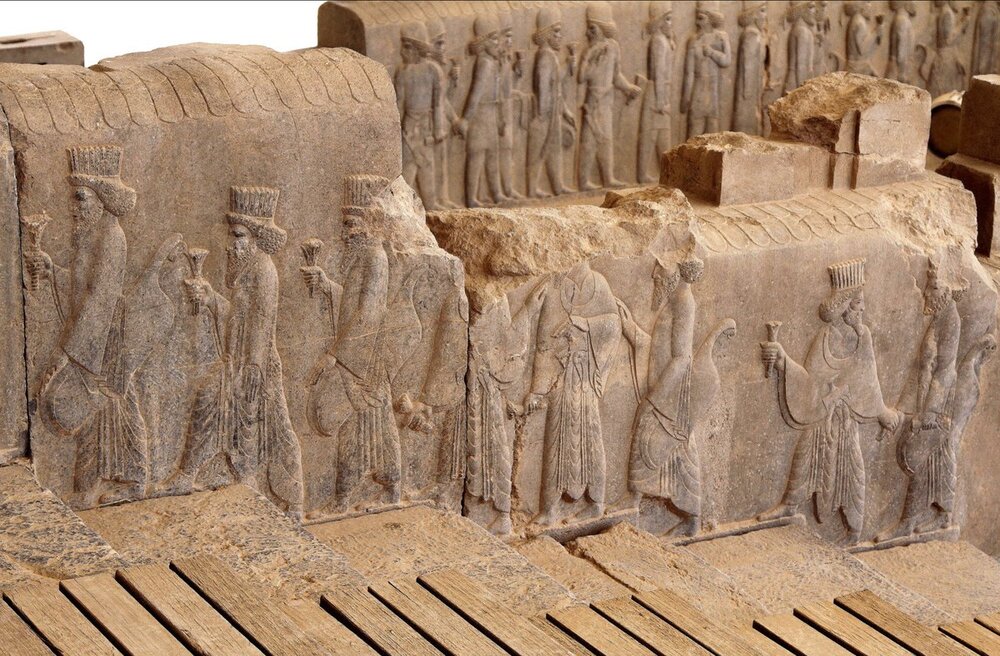
Visitors can observe finely crafted friezes along three major panels each divided into several tiers depicting sovereigns, dignitaries and the then visitors to Persepolis.
The northern panel itself is divided into three tiers of well-preserved bas-relief figures of Persian nobility including the Imperial Guard and the Immortals.
On the upper tier, according to the Lonely Planet, the figures are followed by the royal procession, valets and horses of the king’s chariot; on the lower two tiers these figures precede Persians wearing feather headdresses and Medes in their round caps.
The central panel of the staircase is dominated by traditional symbol of Zoroastrianism which is flanked by two winged lions with human heads.
Elaborate panels at the southern end of the staircase depicts a record of nations, showing 23 delegations bringing their gifts to an Achaemenid king. The Ethiopians begin the frieze in the bottom left corner and are joined by Arabs, Thracians, Kasmiris, Parthians and Cappadocians. The Elamites, Egyptians and Medians occupy the panel at top right. Accompanying this pantheon of guests are an assortment of delicately carved sheep with ram’s horns and curled wool, two-humped Bactrian camels, oxen and mules.
On the northern panel exists inscriptions with fairly stereotypical texts by king Xerxes; one in Old Persian and others in Elamite and Babylonian.
According to livius.org, a website on ancient history written and maintained since 1996 by the Dutch historian Jona Lendering, parts of the inscriptions read:
“A great god is Ahuramazda, who created this earth, who created that heaven, who created man, who created happiness for man, who made Xerxes king: the king of many kings, one ruler of many rulers.”
“I am Xerxes, the great king, king of kings, king of all nations, having various kinds of people, king in this great earth far and wide, the son of king Darius, an Achaemenid.”
In 330 BC, the staircase was miraculously survived the sack of Persepolis by the soldiers of Alexander the Great. The staircase is currently protected by a permanent shelter.
Here is a comment that “R0hanL” from Jordan have posted to TripAdvisor, one of the most popular travel websites in the world:
“Stunning ancient ruins”
The ruins at this site are stunning. Some of the ruins have been covered, which gives you a sense of the shape of buildings-especially when you view the site from up the hill from one of the tombs. On the ground, it does take some imagination to "see" the 100 column palace for example, but a good guide book helps a lot to aid that process. The exceptionally carved friezes on the Apadana Staircase, Xerxes Gateway and Royal Apartments were exquisite. We also walked to both the tombs up on the hill, which were very similar to the tombs I had seen in Jordan at Petra. It was very hot the afternoon we were there, so ensure you bring plenty of water as the place to buy water in the site was very removed from the main part of the ruins itself. In all, we thoroughly enjoyed walking through this timeless place.
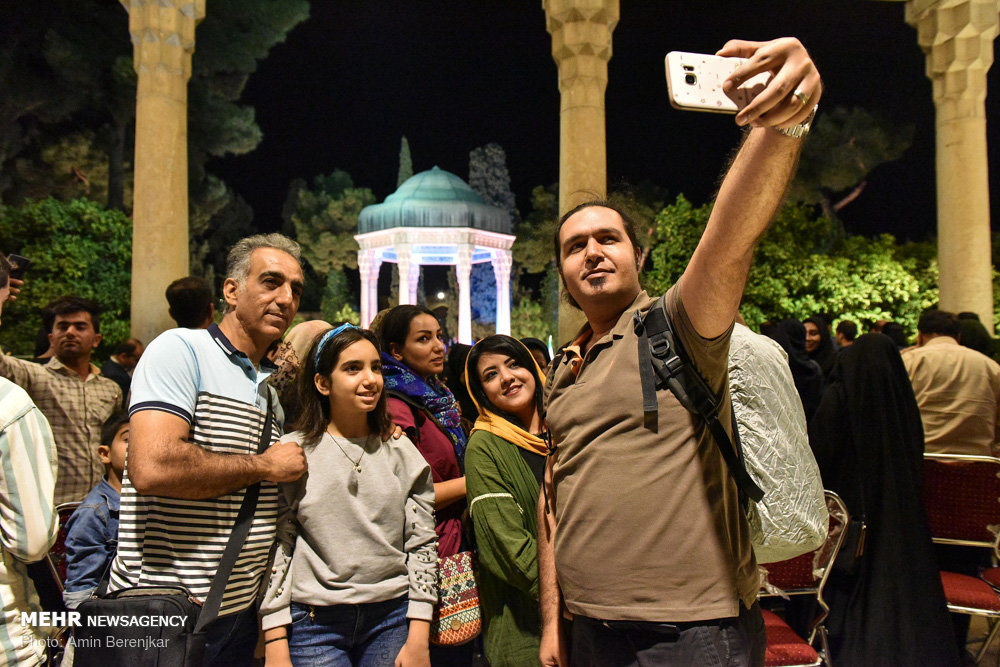
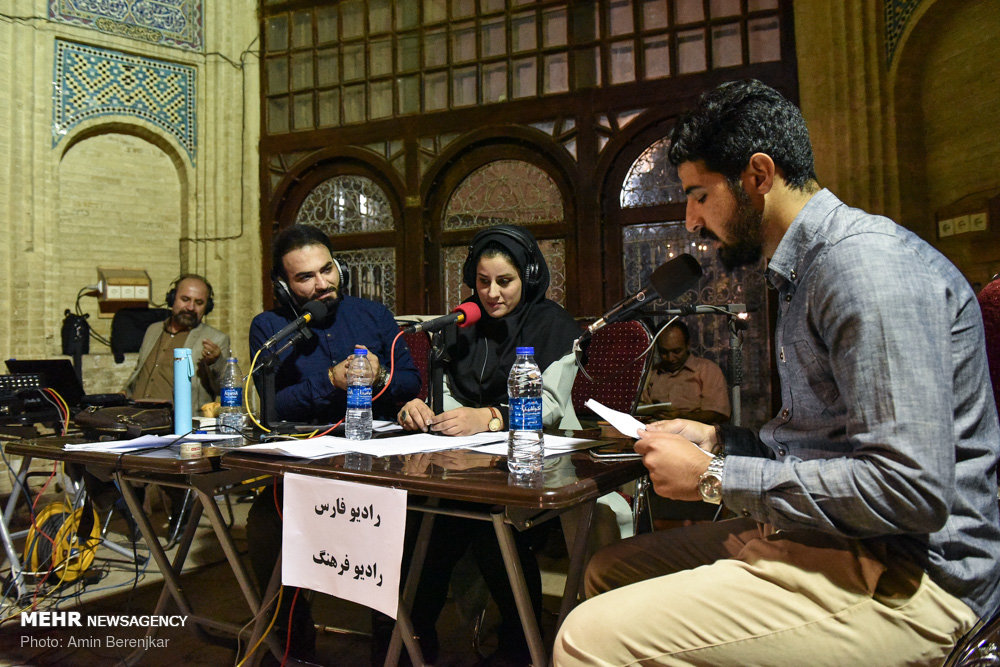
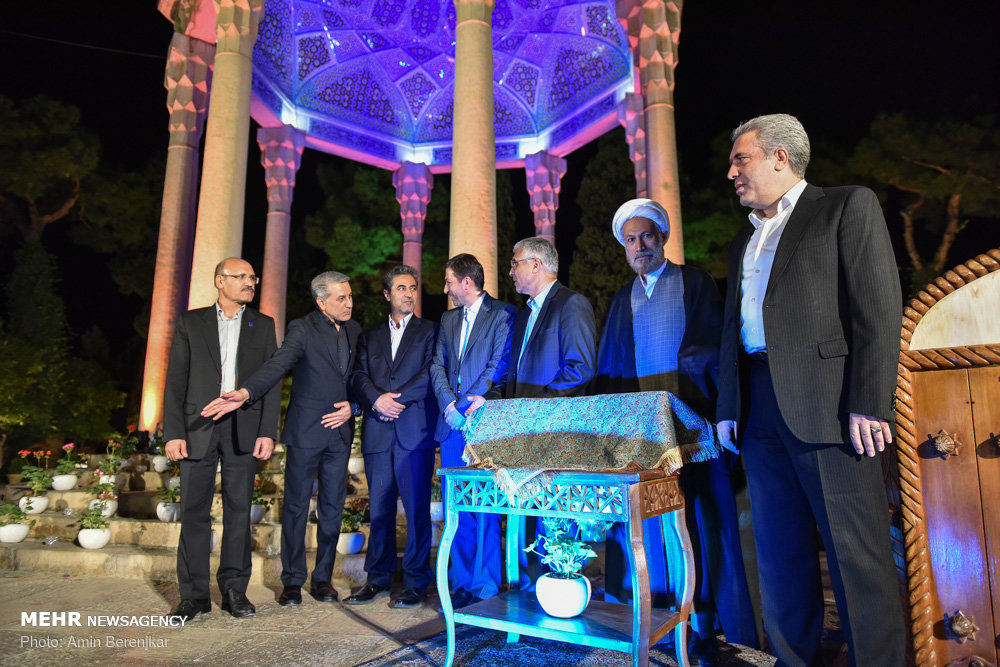
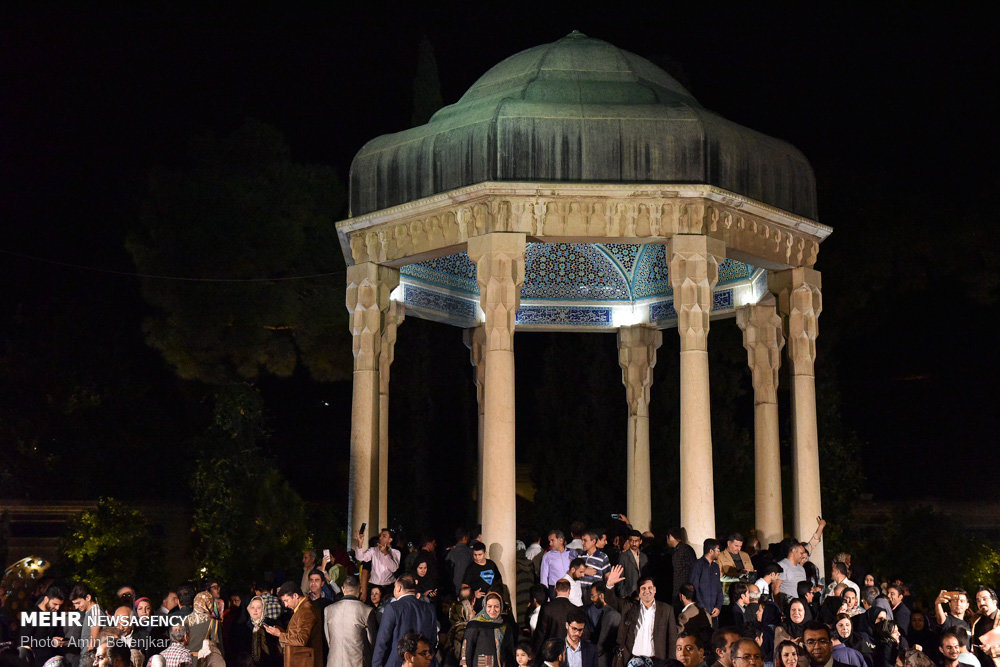
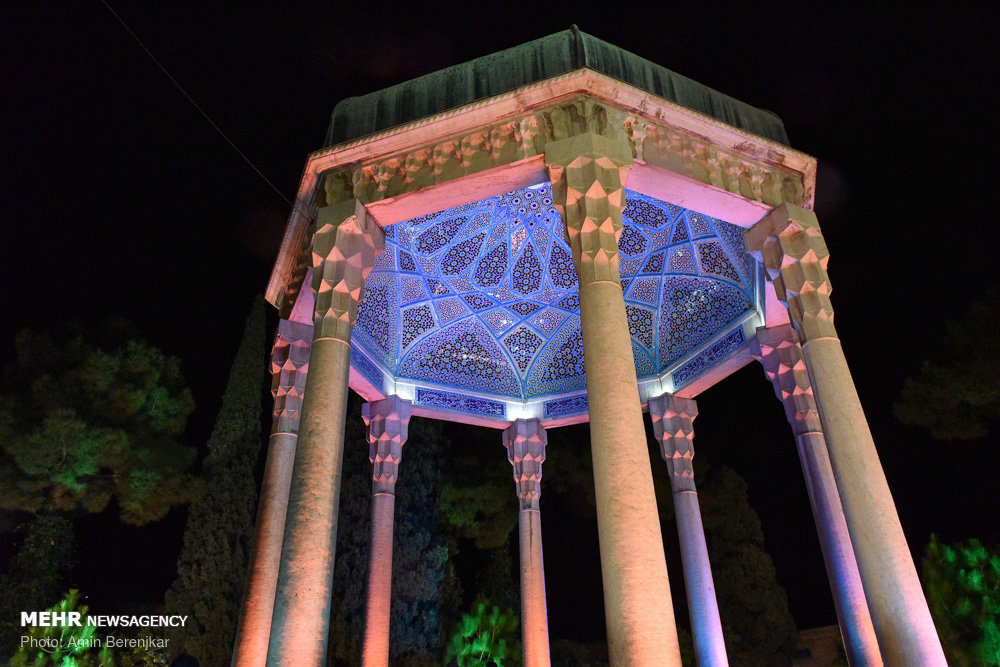
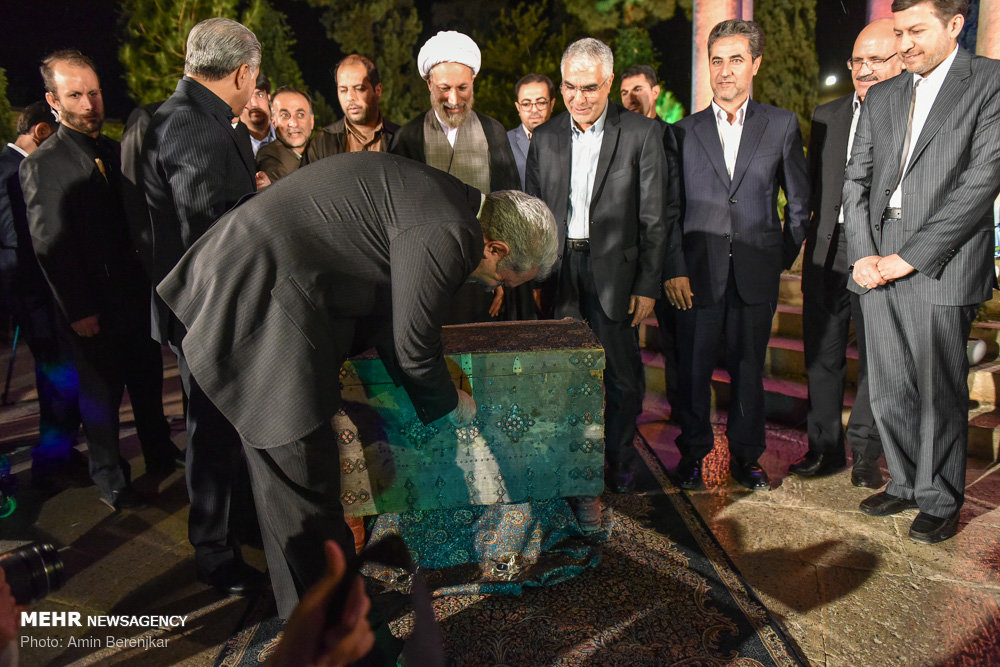
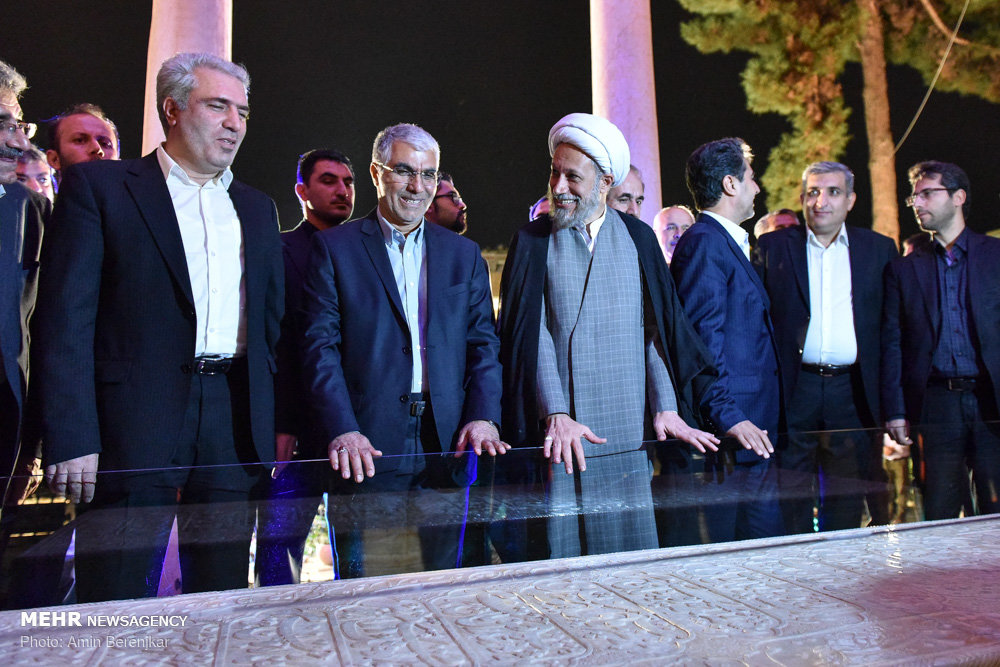
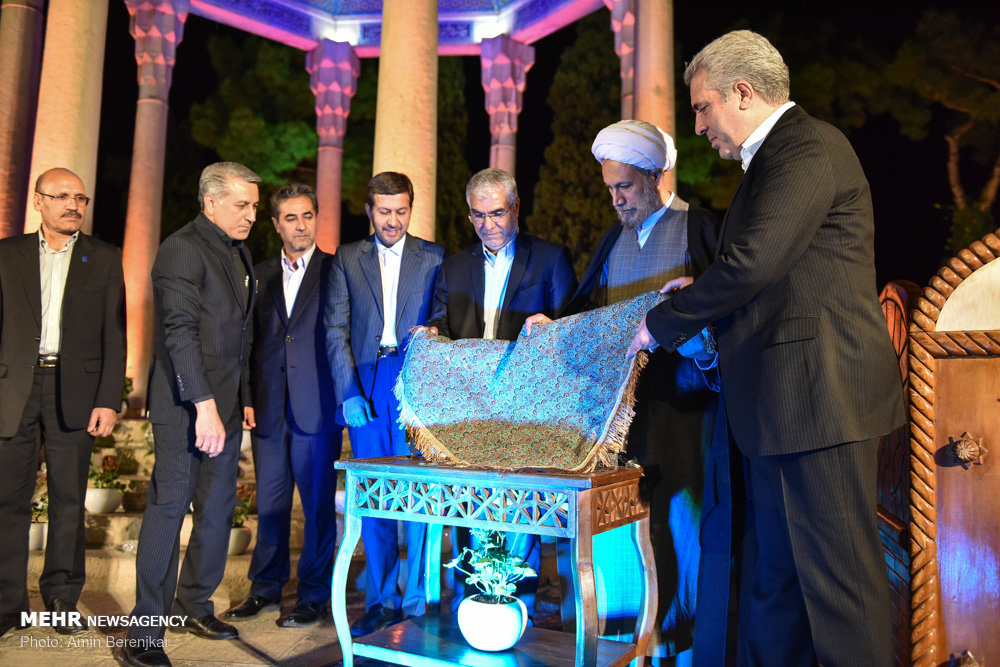
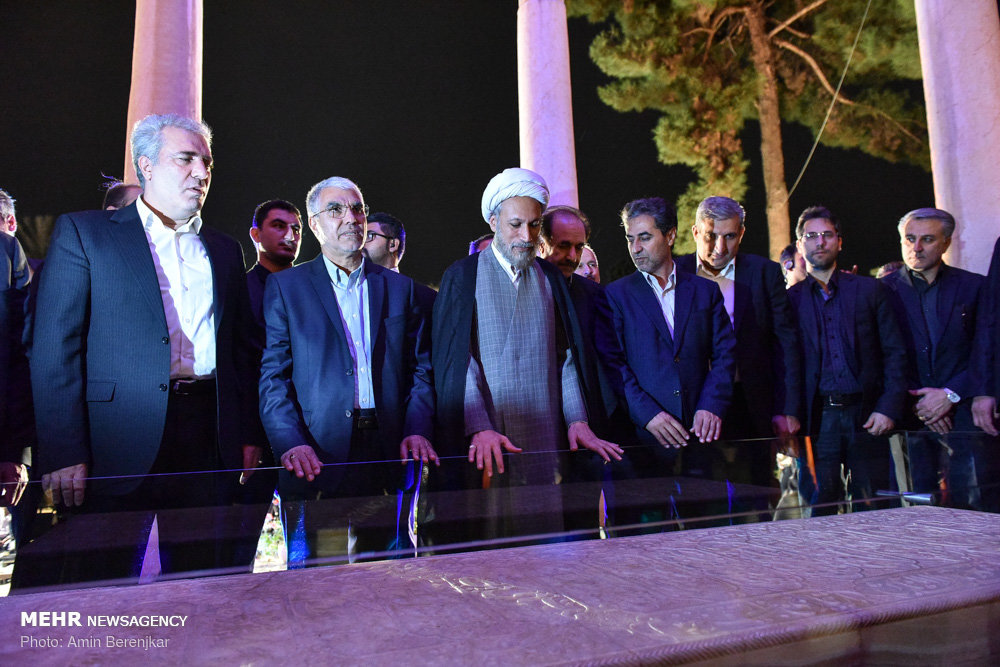
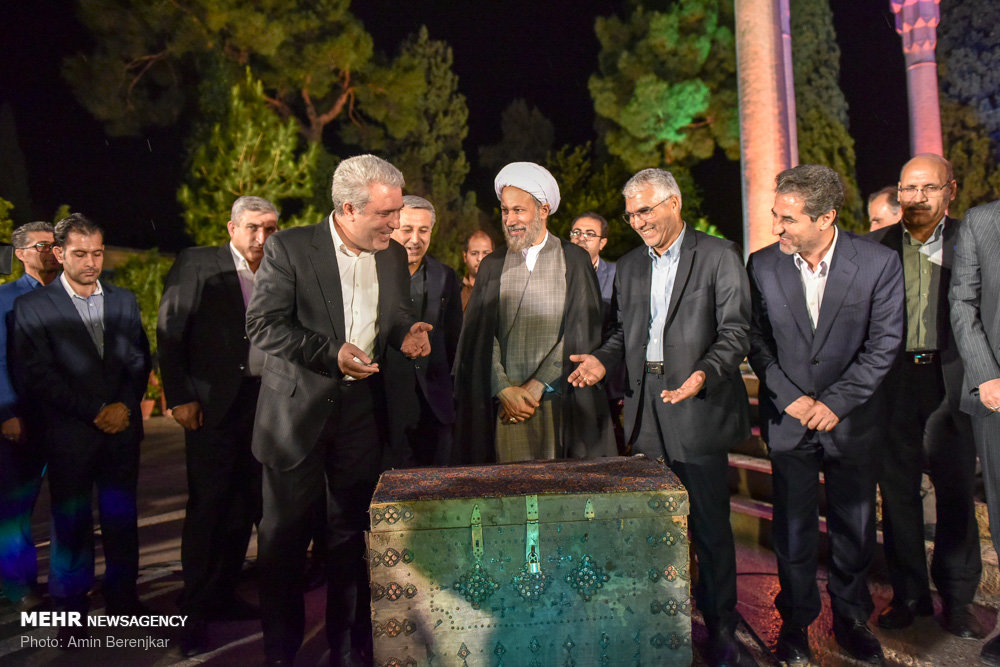
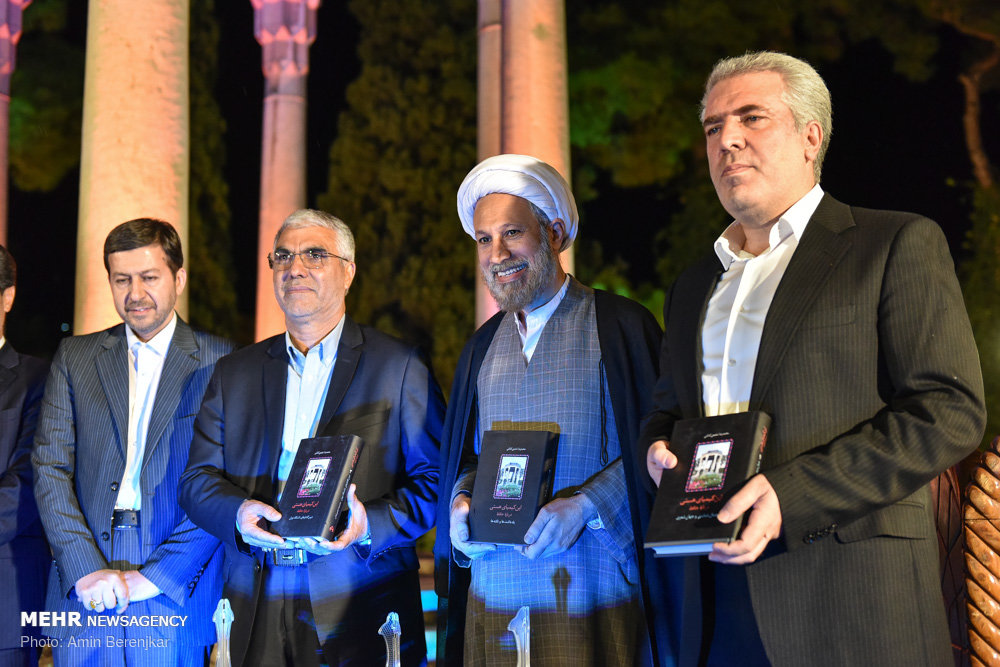
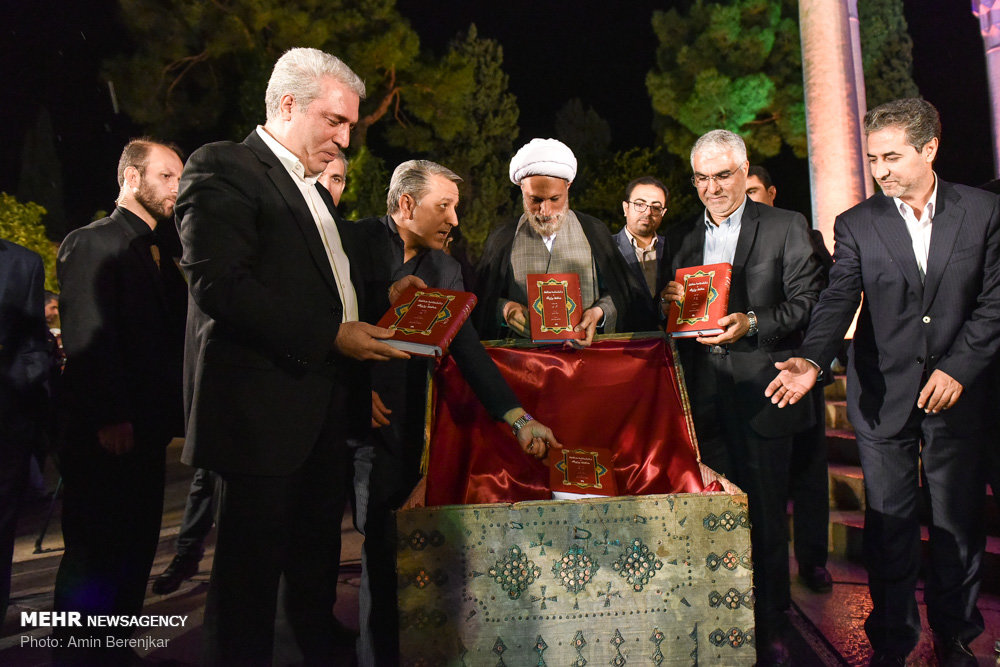
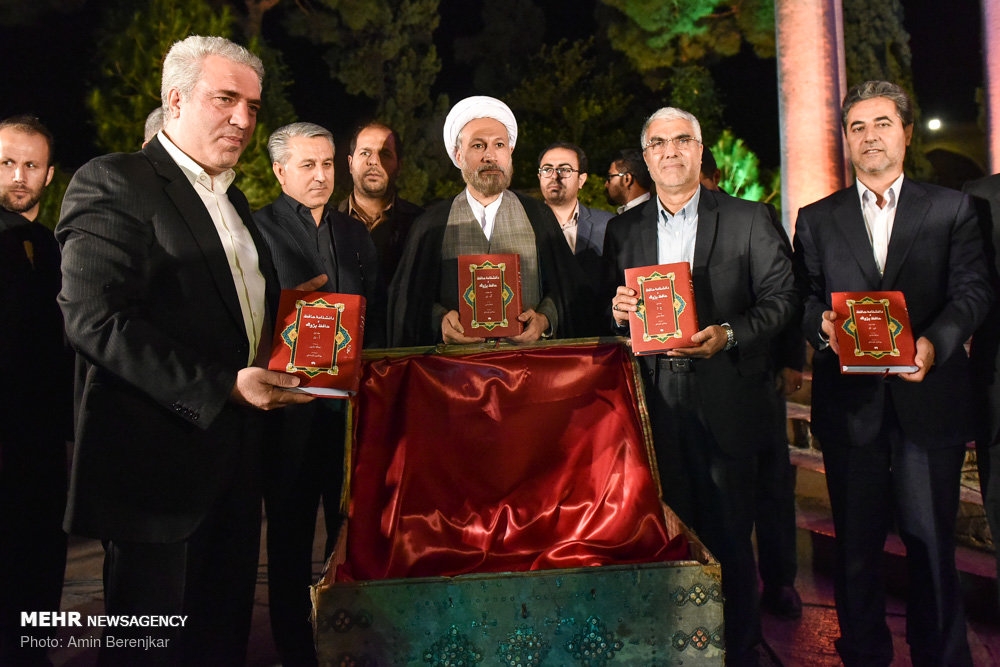
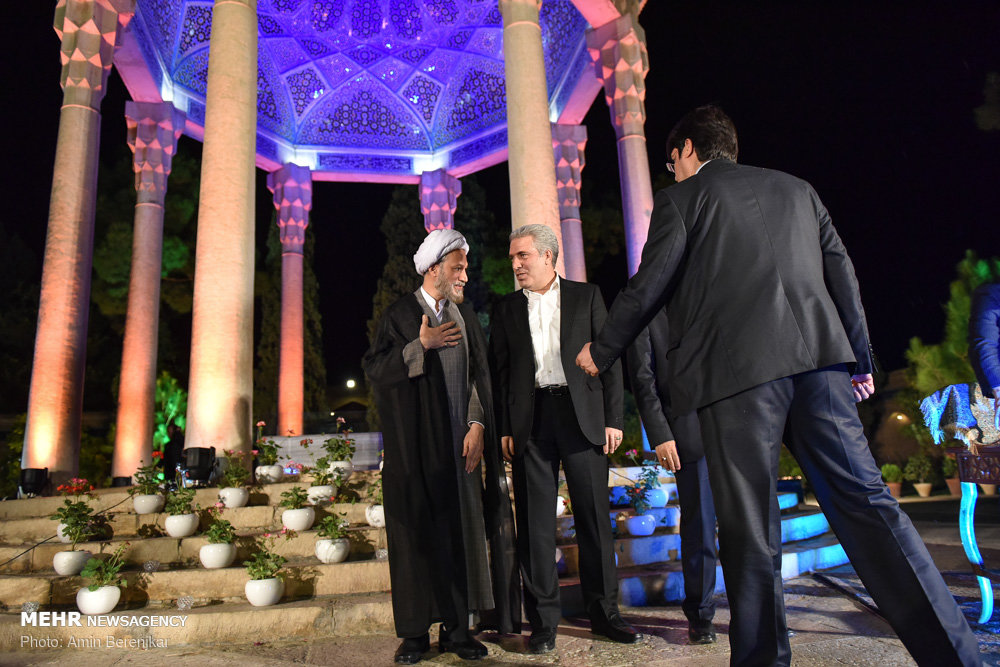
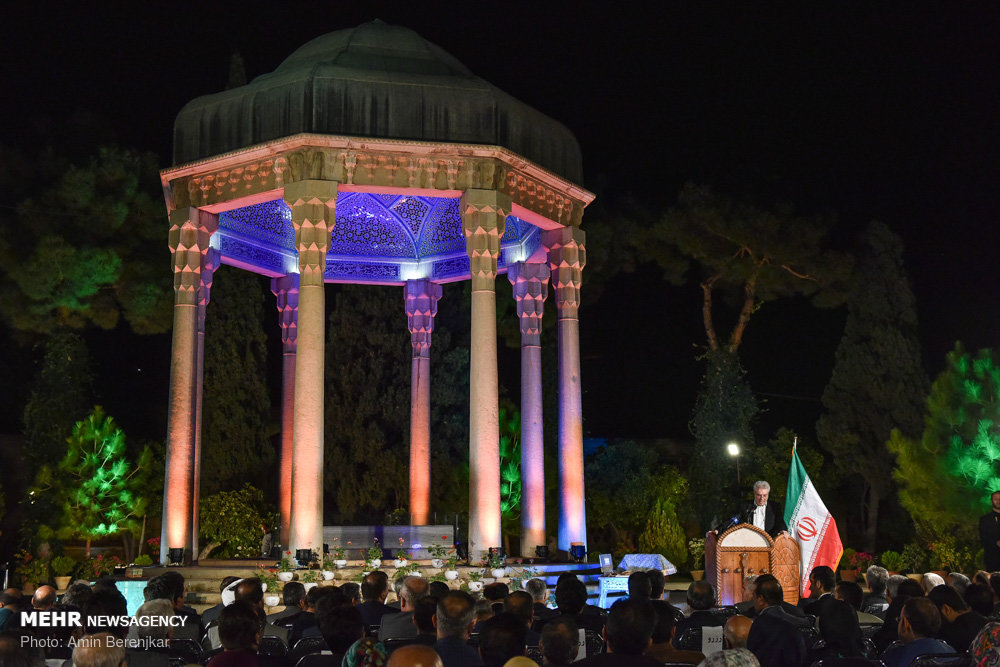
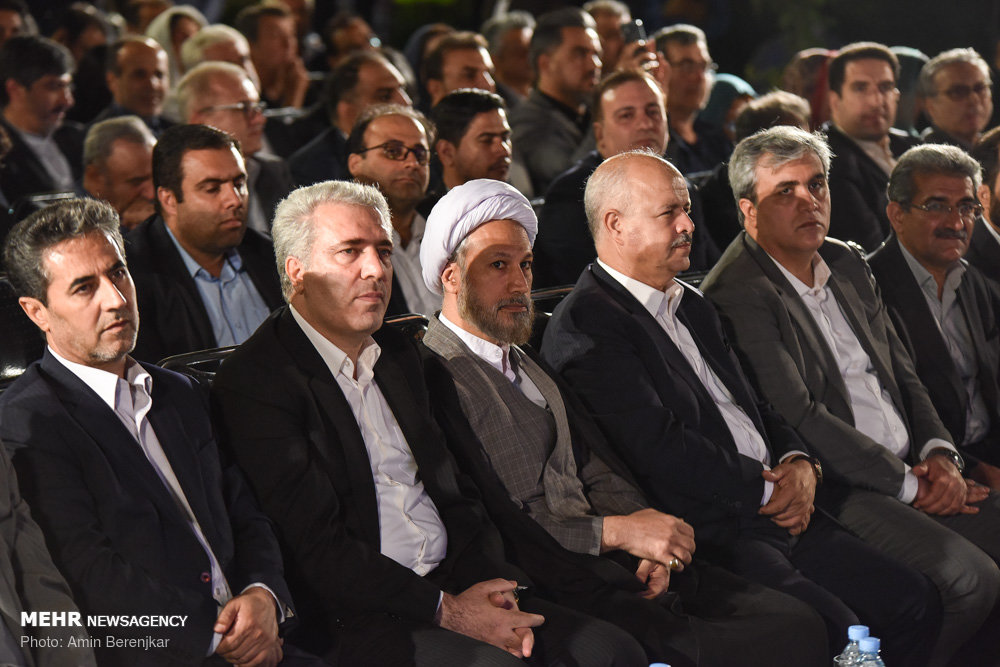
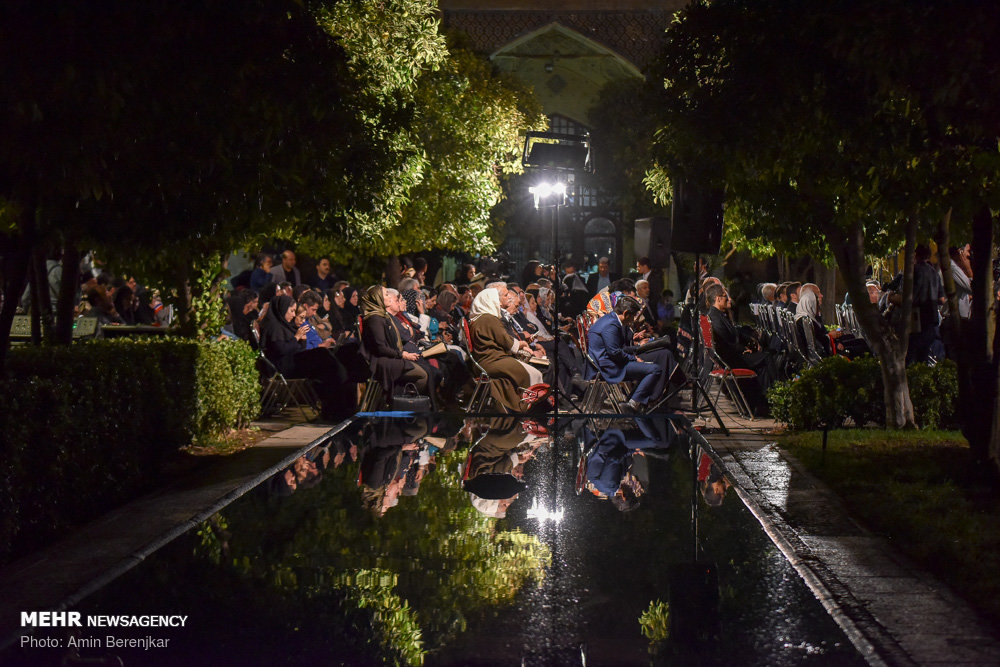
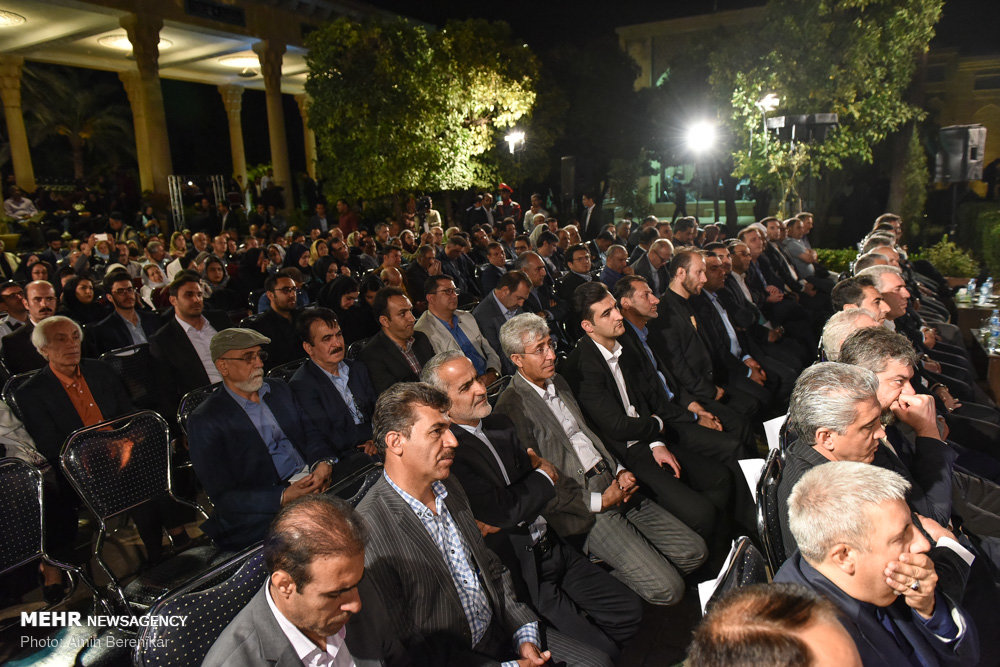
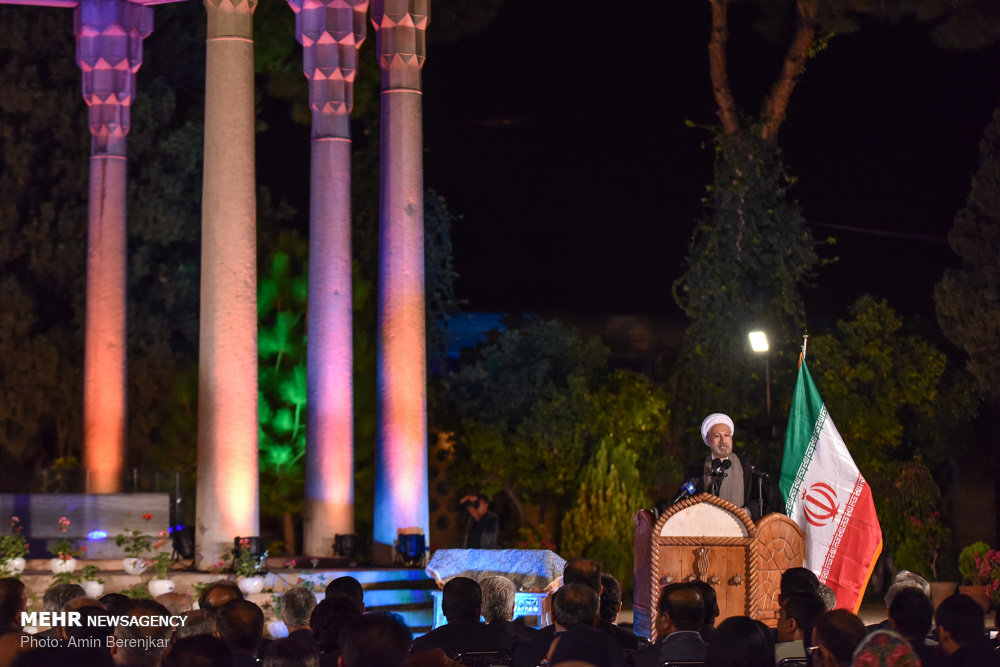
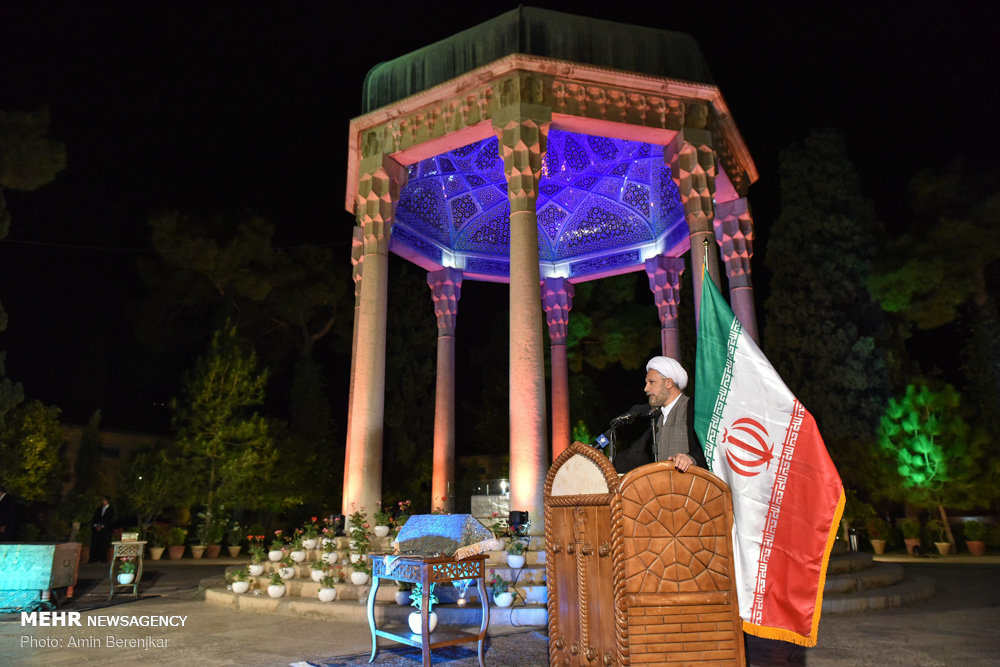
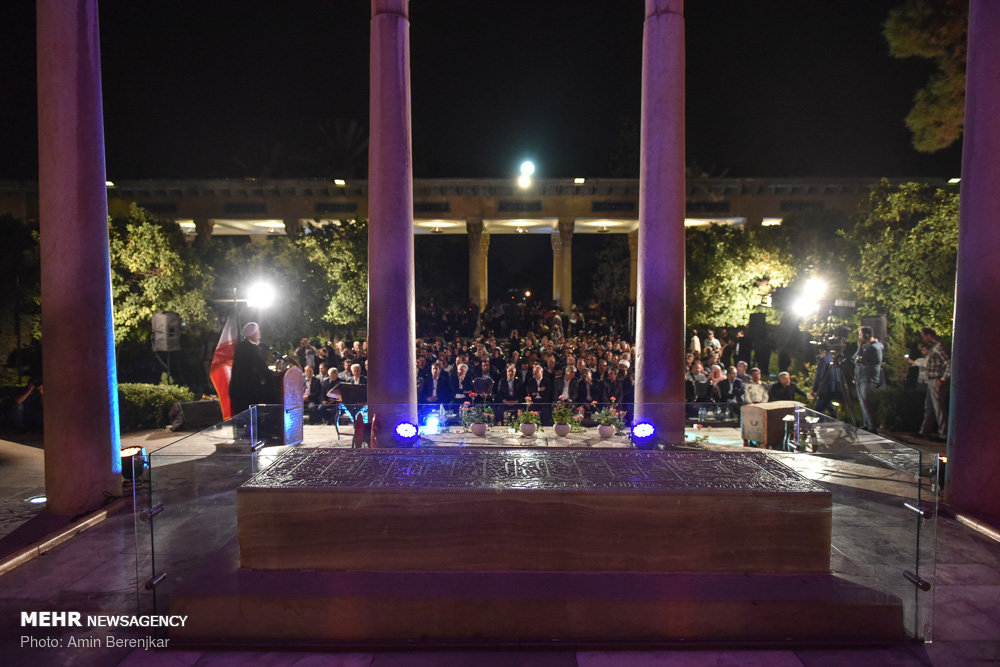
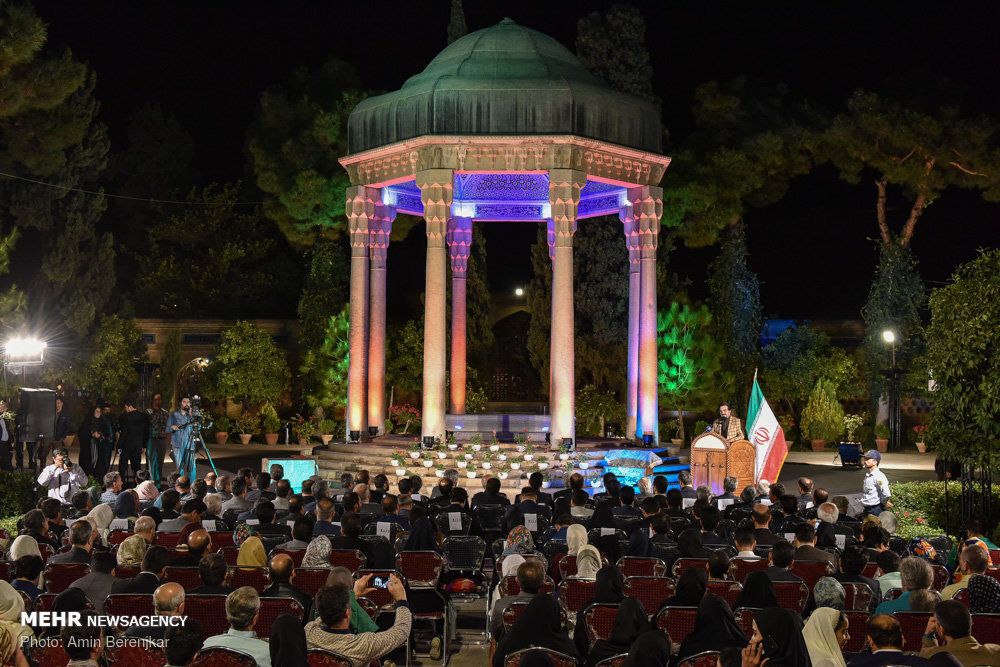
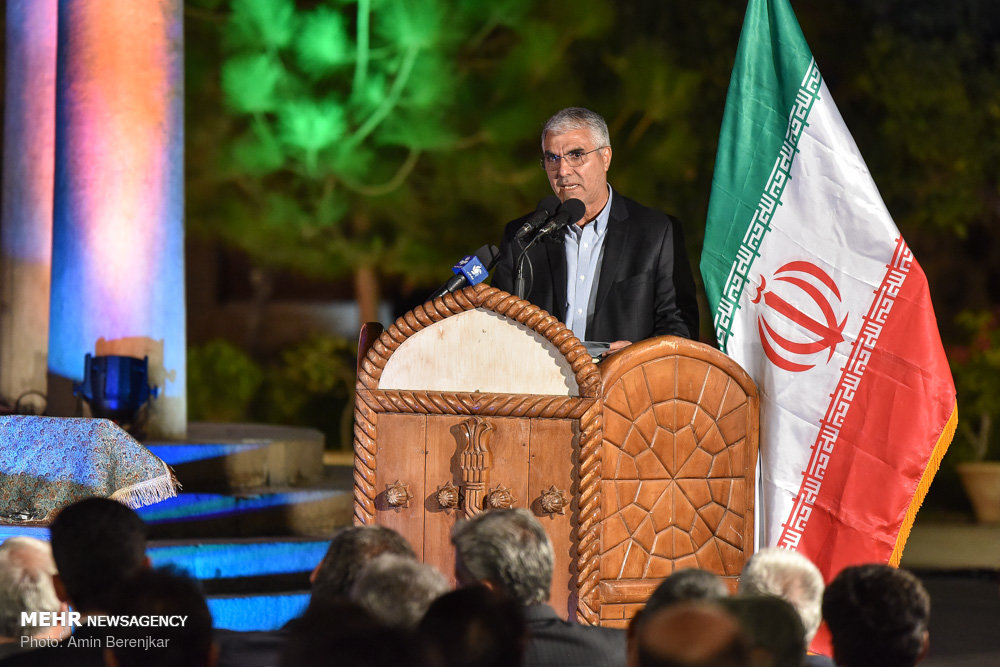
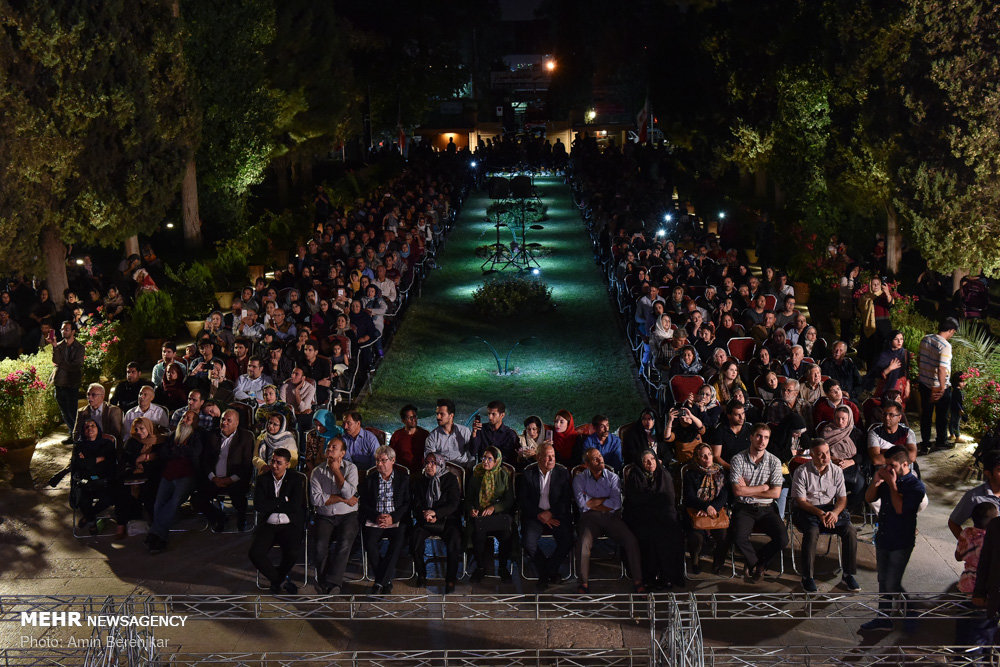
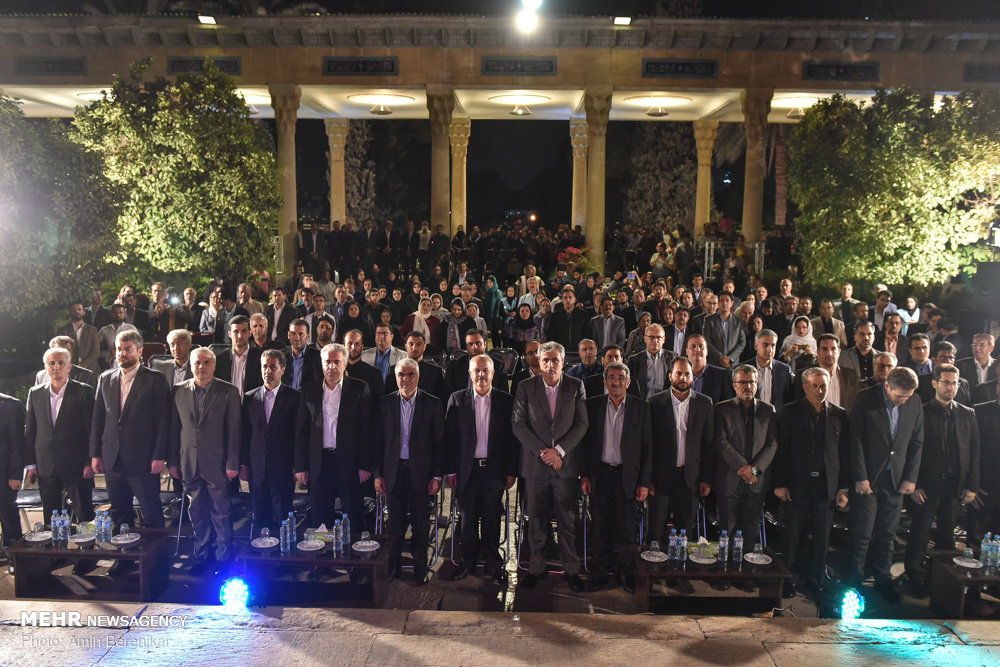
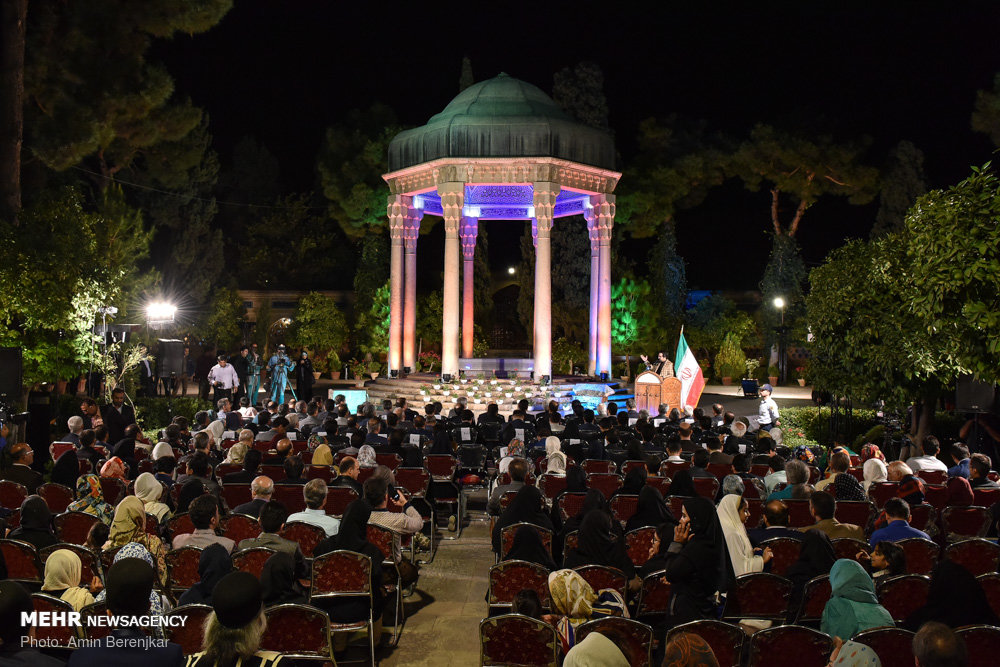
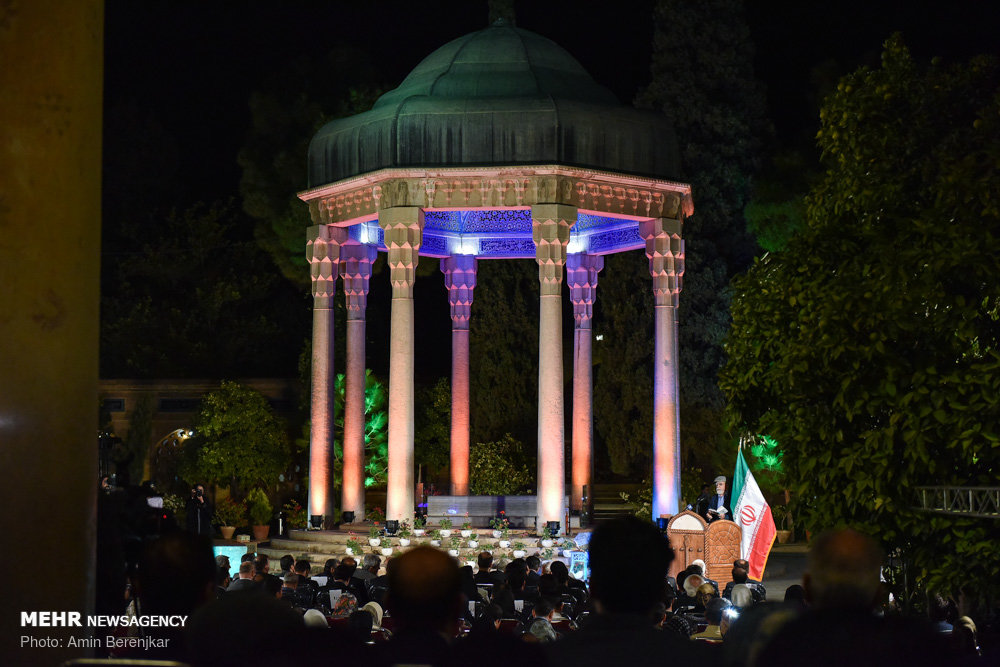
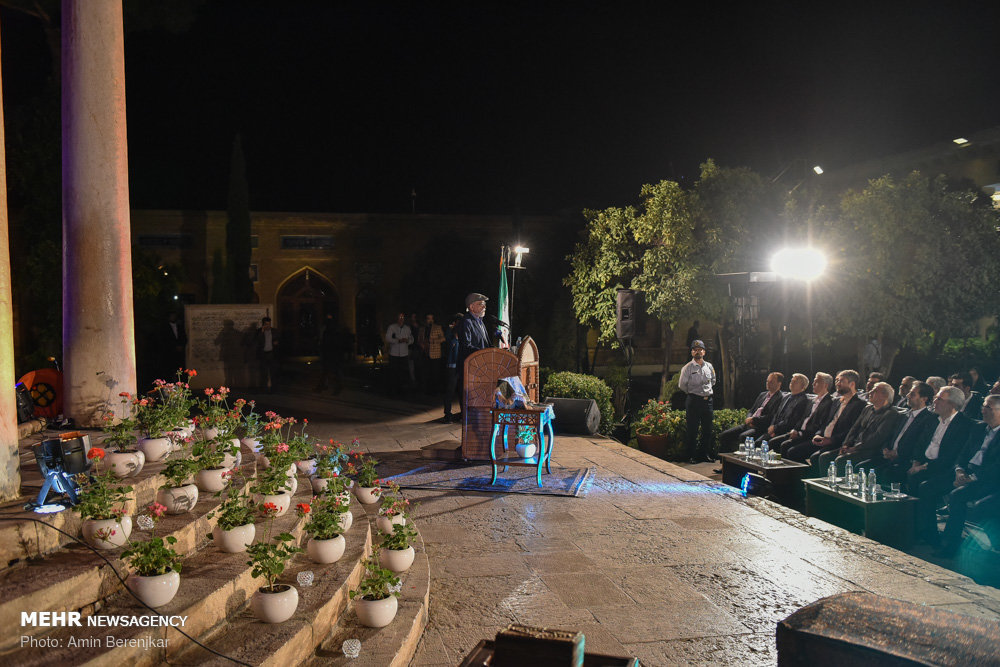
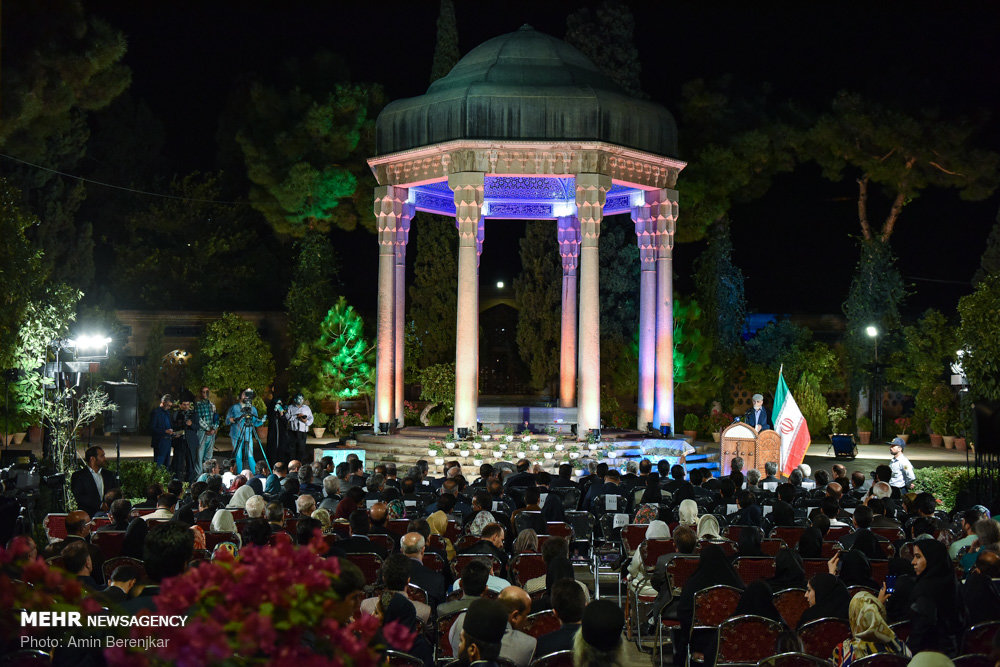
SHIRAZ, (MNA) – The commemoration ceremony of Hafez National Day was held at the Tomb of Hafez on Thursday, in the presence of Ali Asghar Mounesan, Head of Cultural Heritage and Tourism Organization, Esmail Tabadar, the governor of Fars province and a group of other senior officials of the province. Hafez was a 14th-century Persian poet and mystic highly revered by by famous writers and scholars all across the world.
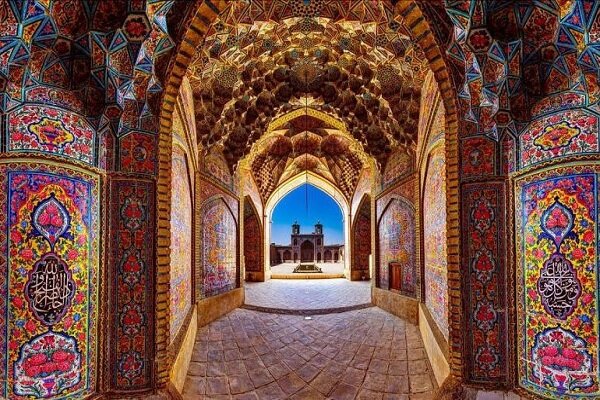
TEHRAN, (MNA) – One of the most beautiful and photographed pieces of architecture in southern Iran, is Nasir-ol-Molk Mosque. It is one of the tourist attractions of Iran’s historic city of Shiraz which is known for its colorful lights that are formed by stained glass windows.
Shiraz is one of the most beautiful cities in south of Iran, where many tourists visit it every year. It is one of the oldest cities of ancient Persia and is known as the city of poets, literature, flowers and gardens. It is one of the main tourism sites in Iran and its cultural heritage is of global importance. Due to many historical, cultural, religious and natural attractions, Shiraz has always attracted many tourists. One of these magnificent places is Nasir-ol-molk Mosque.
Nasir-ol-molk Mosque is one the tourist attractions of Shiraz which was built during the Qajar dynasty at the end of the 19th century. It is one of the most unique and different mosques in Iran. The mosque is famous for its colored glasses and its tiles are unique in their kind.
This mosque is called by many different names. Mostly known as the “Pink Mosque” because its tiles are beautifully decorated with a pre-eminently pinkish rose color, it is also called the “Mosque of colors,” the “Rainbow Mosque” or the “Kaleidoscope Mosque”.
It is located in a region in the southern part of Lotf Ali Khan Zand Street. The mosque was built by order of Mirza Hasan Ali Nasir ol Molk, a Qajar ruler. Mohammad Hasan-e-Memar, an Iranian architect, and Mohammad Reza KashiSaz were two designers of this mosque. The construction of this elegant mosque was finished after 12 years.
It is 2890 square meters and considered as one of the most valuable mosques in Iran in terms of construction, especially tiling and muqarnas (a form of ornamented vaulting in Islamic architecture). It has two shabestan (an underground space that can be usually found in traditional architecture of mosques, houses, and schools in ancient Iran which were usually used during summers) in east and west.
The eastern Shabestan has seven columns that are located in the middle of the space and are in a row. The most amazing part of the mosque is the western Shabestan. There are twelve columns which are placed in two rows of six. Seven arches are located between the two pillars, and at the end, there is an attractive tiled altar. The floor of the altar is made of marble and its surface is lower than the floor of the Shabestan. The western Shabestan has seven wooden doors with colored glasses that open to the courtyard.
With dazzling stained glass, thousands of painted tiles on the ceiling and Persian rugs covering the floor, this place of worship is a gorgeous rainbow of color in every direction, like stepping into a kaleidoscope.
There is an open courtyard with a rectangular pool in the center of the mosque, surrounded by flowers. The building’s facade features dozens of Islamic arches, adding to the beauty of the light show from the stained glass.
Despite other mosques, Nasir-ol-molk Mosque has no dome, which indicates that this religious building was quite personal and not used by the public. The tiling of this mosque is unique and the use of pink color is one of the features of the mosque which is not usual in any other Iranian mosques.
In autumn and winter, when the sunlight shines through the colorful glasses, and reflexes it on blue mosaics, make a dazzling view inside this mosque which making this mosque outstandingly aesthetic among other mosques of Iran.
Recently, Nasir-ol-molk Mosque has been lighted at nights as well; the light passes through the colored glasses and spreads into the yard and all over the mosque.
Nasir-ol-molk Mosque is still used for worship. It was registered in Iran's National Heritage on February 1955 under the registration number of 369.
The best time to visit Nasir-ol-molk Mosque is early in the morning before 9 a.m when the hall and its Persian carpets are illuminated with a kaleidoscope of patterned flecks of light.
If you’re interested in walking and if long-distance drives have made you tired enough to long for a walking tour in Shiraz, you will enjoy this sightseeing excursion. It takes half a day and you visit 6 major sites before ending up in an enjoyable local restaurant where traditional food is served.
What I’m introducing to you at this post is the Zand Quarter that was initially built in the second half of 18th century when Karimkhan-e-Zand was ruling over most parts of Iran from Shiraz. This is the flourishing era of Shiraz when a lot was constructed and the economy was thriving. The king, who preferred not to be called as such and named himself Vakil-o-Roaya (Attorney of Servants), had chosen to build a citadel in the heart of the city and ruled from there. So, you can begin your sightseeing from this spot.
1. Arg-e-Karimkhany (Karimkhan Citadel)
When you’re taking your tour to Iran, you rarely come across such a thing as an old citadel of huge size and quality in the center of a city. This is a rectangular brick-made fortress with bastions at all its corners located at the North East of Shahrdary Square. Karimkhan used to live inside this structure and ruled from this point. The stronghold appearance of this arg may make you think of anything but a presidential palace, but it has actually been such a building inside for him.
Karimkhan’s residence has got a decorative panel of glazed tiles on top of its Eastern entrance depicting Rostam, the protagonist of Shahnameh, the epic poems of Ferdosy, Iranian poet of 10th and 11th centuries. It resembles fighting against demonic forces. Inside, you’ll find a garden with orange trees and four major sections in the middle of each wing. In addition, there’s a private bath at the South East of this large courtyard that’ worth a visit.
2. Pars Museum
A View of Pars Museum Facade in Shiraz
Around Arg-e-Karimkhani, there is a little park these days and the pedestrians’ street, which is, in fact, a roof on top of an underpass for cars driving under Zand quarter. On the other side of this street and almost at the south of the citadel, there can be seen a mall but elegant octagonal building inside a garden called Nazar.
This mansion used to be called kolah farangy (foreign hat) building too because it seemed to be like what people used to know as a foreign hat. It has been converted into what is called Pars Museum today.
Karimkhan used to meet with the dignitaries both inside and outside Iran who came to his court for official visits. Now, it is the exhibition of exquisite Qorans, lacquer-painted boxes, beautiful paintings, etc among other stunning objects that invite visitors to spend some time there to appreciate the art of Iranians.
3. Vakil Mosque
A View of Vakil Mosque in Shiraz
Walking along the fences of Nazar garden toward East and a little before the main entrance to the bazaar, on your right-hand side, you will see a relatively broad street leading to the entrance of Vakil Mosque.
From far distance, it easily invites you to its colorful celebration of striking glazed tiles bearing beautiful floral patterns. After passing across a wide-open courtyard, you will enter the Southern Shabestan where a columned hall is hidden behind its tall entrance portal.
This hall is generously filled with pillars set in precise order and distance. They are so monochromatic that you will immediately notice the tiled ceiling leading you from the entrance to the mehrab. You won’t hues there’s such an elaborate mehrab and menbar (preacher’ seat) somewhere in this mosque when you were strolling at the courtyard.
4. Vakil Bathhouse
Inside Vakil Bathhouse in Shiraz during a Carpet Exhibition
This public bath is a few meters to the West of Vakil Mosque. You will find the interesting architecture of Zand Era as well as the tasteful decoration of cultural authorities of Shiraz in it.
The vax statues of people from all walks of life living during that period, tell you more about life in 18th century Iran. You will learn about different parts of a typical public bath as it used to be.
This bath used to had been converted into a restaurant and then an exhibition of Persian rugs. Eventually, it’s been decided to use it as a museum in which traditional bath ambiance is introduced.
5. Vakil Bazaar & Sara-ye-Moshir
Just go back to the main street where you were walking from Pars Museum toward East and walk a bit further on the same direction to get to the main entrance of the bazaar. You will reach a point where on both Northern and Southern sides of the street, you will find the entrance to Shiraz bazaar. Which one is the more exotic for most of the visitors? The Southern one does. It’s got very colorful shops and aromatic atmosphere thanks to the herb shops at the beginning of its passageway. The Northern one is the section where most of the local people go to for shopping necessary items of an ordinary lower-middle-class family. It has its own charm as well. If your time allows, you may want to explore this one as well.
You will be amazed by the fascinating high-arched ceilings of Vakil Bazaar at the Southern section. Soon after you enter, there’s a Chaharsoo, a dome with four directions underneath. It gives you an idea of the passageways crossing the main one offering similar items, workshops, warehouses, etc. Proceed to the end of this passageway and you will see dozens of fabric stores selling glittering materials usually Qashqai nomads go to Shiraz to buy to make their traditional costume.
In the end, turn left and walk less than 10 meters to find an entrance on the left that leads to the astonishing set of stores offering Iranian traditional handicrafts from carpets to enamel works, from inlaid wood-works to copper-made items, etc. This colorful place I called Sara-ye-Moshir.
This section is an impressive part of the bazaar easily distinguishable for its charming tile works and the pool in the middle of its courtyard. Several types of handicrafts from Fars province can be found here.
6. Eat in Sara-ye-Mehr Restaurant
This is a traditional restaurant inside Sara-ye-Moshir. The ambiance and decoration are like Iranian teahouses in the past couple of centuries. Traditional food is served including kebabs, stews as well as Dizi, traditional broth. The food is delicious and your dining experience will keep you in the same traditional mood of the past. You may feel you eat during Zand period!
Half Day Tour Ends Here!
This walking tour is very appealing to most of the foreign travelers. You will enjoy it and feel you’ve seen plenty of Iran in the 18th and 19th centuries. You will be immersed in the local culture so much that you may forget this country has changed! I’m sure you will get a strong impression of the past as well as today’s traditional Iranian lifestyle. So, take this walking tour of Shiraz in half a day and get acquainted with what’s out there.
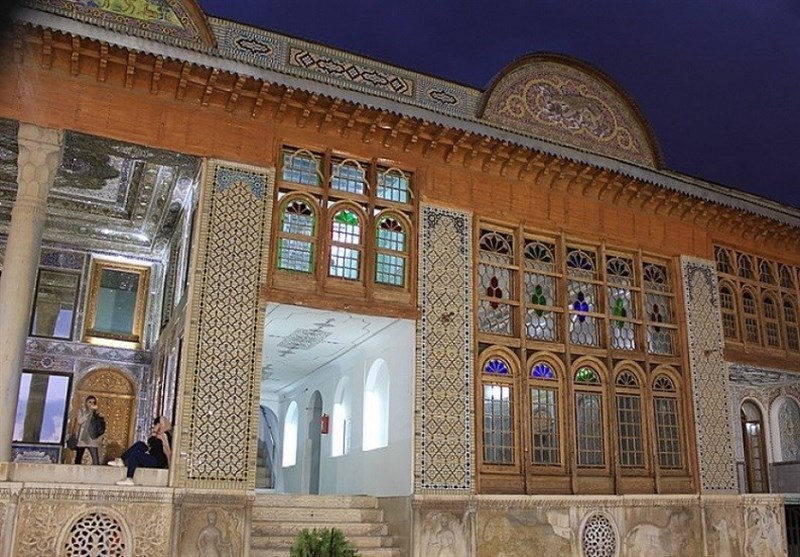
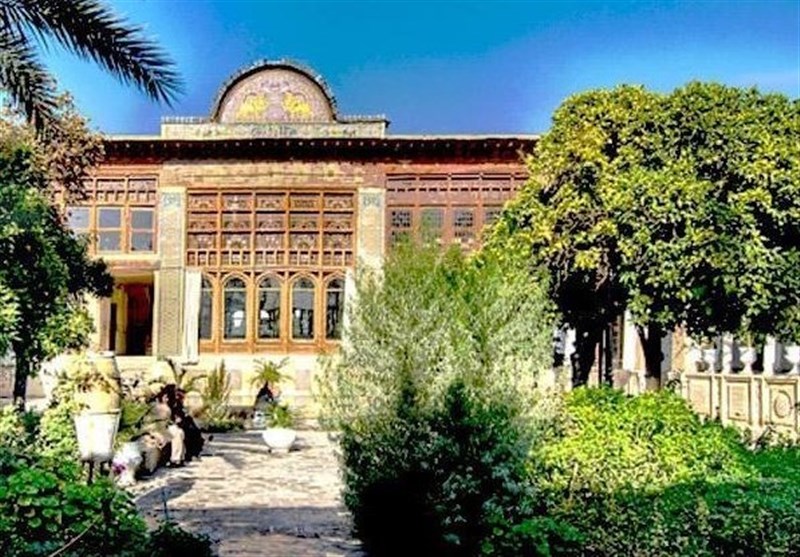
Tehran, Sep 29, IRNA - The breathtaking Qavam House — often referred to as Narenjestan-e Qavam and Qavam Garden — is a multi-century-old Persian Garden and luxurious royal mansion that’s constantly frequented by tourists to Shiraz, southern province of Fars.
According to goingiran.com, located in an elite upper-class neighborhood of Shiraz city, this extraordinary Persian garden and house is one of the most beautiful in Iran. No wonder it’s a UNESCO World Heritage Site.
All right folks. Make sure you have your camera batteries fully charged and memory cards emptied as the Qavam House is no place to come unprepared. For those of you keeping it old school and shooting with film, don’t forget to pack a couple extra rolls.
History
The beautiful Persian garden and house was built during the reign of Nasereddin Shah of the Qajar Dynasty. The project was accomplished upon the order of Ali Mohammad Khan (Qavam-ol-Molk II) and his son, Mohammadreza Khan (Qavam-ol-Molk III).
The precise years of the construction of Qavam House go back to between the years 1879 – 1886. It was designed by Mirza Ibrahim Khan.
Originally, the Qavam family were wealthy merchants from the city of Qazvin. However, they became affiliated to the government during the Zand Dynasty and continued their involvement throughout the Qajar Era, right to the Pahlavi Dynasty.
The house was donated to the University of Shiraz in 1966. It is now an official museum (Narenjestan Museum). The awe-inspiring Qavam garden, house.
The enormous property encompasses a massive area of 3,500 square meters, while the Qavam House, or better yet mansion, takes 940 of those meters to itself.
All we can say is, just get ready to be ‘wowed’. Entering the Qavam Garden through the main southern entrance, visitors are instantly transported into another dimension. In this new realm, you are about to experience one of the highest levels of beauty you are ever going to see.
The stroll through the lush and extremely tastefully decorated UNESCO garden is a good warm up for what’s in-store at the Qavam House up ahead. Tall symmetrical palm trees, citrus trees and so many flowers that you’ll need a quantum-arithmetic formula to keep count of.
The mesmerizing garden and its refreshing pool lead you through the beautiful landscape towards glorious Persian house.
The entire exterior and interior of the Qavam House is completely adorned in the widest variety of decorations. At the spectacular Qavam House, tourists will be able to find just about every facet of traditional Persian art and architecture. . Gorgeous displays of woodwork, mirrorwork, tilework, stained glass, frescoes, bas-relief carving, plasterwork, brickwork, muqarnas, vaulted ceilings, metalwork, calligraphy and stunning Persian paintings of animals and floral motifs.
Yes — this imperial summer abode not only features these techniques, it’s entirely made of them.
Not even one centimeter of this amazing Persian house has been left unblessed by the hands of the masterful Persian craftsmen. Every single room, wall, ceiling, door and window has meticulously detailed!