Showing posts with label Iranian Poet. Show all posts

Thursday, December 05, 2019

Is Dhaka Violating Islamic-Humanitarian Rights to Education of Rohingya Refugee Children?

Kayhan Int’l 

   Article 1 of the Universal Declaration of Human Rights, proclaimed by the United Nations General Assembly in Paris on 10 December 1948, reads:


   "All human beings are born free and equal in dignity and rights. They are endowed with reason and conscience and should act towards one another in a spirit of brotherhood.”


   Interestingly, there is a large hand-woven Persian wall carpet at the UN headquarters in New York gifted by the Islamic Republic of Iran in 2005 and inscribed with the famous poem of the medieval Iranian poet, Mosleh od-Din Sa’di of Shiraz, in the same vein:


  "The children of Adam are members of one frame,
   "Since all, at first, from the same essence came.
    "When time afflicts a limb with pain
   "The other limbs at rest cannot remain.
   "If thou feel not for other’s misery  
   "A human being is no name for thee”.


   Sa’di is said to have been inspired by a hadith attributed to Prophet Muhammad (SAWA) that 


"The example of the believers (Muslims) in their affection, mercy, and compassion for each other is that of a body. When any limb aches, the rest of the body reacts with sleeplessness and fever.”

     If the above mentioned article of the Universal Declaration of Human Rights has been memorized by governments of all world countries especially diplomats visiting the UN and also noticing the big bold golden letters on the Iranian wall carpet in the Meeting Hall of the World Body, Sa’di is a household name in not just Iran and the Muslim World, but throughout the globe which considers the works of this Persian poet among the heritage of mankind.
     Bangladesh, which is hosting around a million Rohingya refugees displaced from their homeland Arakan or Rakhine by the bloodthirsty military junta of Myanmar, is also fully aware of the articles of the UN Charter and of the contents of "Gulistan” and "Bustan”, the masterpieces of Sa’di, including his poem on the World Body’s walls in New York, both in the original Persian and the Bengali translations.
     In fact, Bangladesh is heir to almost eight centuries of the Islamic Persianate culture of the Subcontinent, first as a seat of a series of dynasties of whom one had invited the great Iranian poet Hafez Shirazi (who in reply sent a famous Persian poem to the ruler Ghiyas od-Din Azam Shah), next as a province of the Mughal Empire, followed by the semi-independent Nawab Nazims of Iranian origin, before being annexed by the British to emerge as East Pakistan in 1947, and finally as a fully independent country and UN member in 1971.
     In view of this rich legacy and history, it is a matter of regret that the current government in Dhaka is reportedly depriving Rohingya Muslim refugees of their Islamic right to education.
     Why? Because, if the report released last Tuesday by the Human Rights Watch is to be believed, the authorities in Bangladesh want to prevent the Rohingyas from integrating with local communities, despite the fact that many of them share close cultural ties with the Bengali Muslims.
      The camps, located in the Cox Bazar district, are home to as many as 1 million displaced people -- the largest such refugee settlement in the world.
       The release of the report by the New York-based Foundation, titled, "Are We Not Human” reflects the difficulties faced by the camp’s 400,000 school-age children, who without proper education, will be left more vulnerable to abuse, crime and poverty.
       According to Bill Van Esveld, Associate Children’s Rights Director at Human Rights Watch and author of the report, who acknowledged that "the government of Bangladesh saved countless lives by opening its borders and providing refuge to the Rohingya”, depriving children of education "merely compounds the harm to the children and won’t resolve the refugees’ plight any faster.”
       In his 81-page report he claimed that the Bangladeshi government has barred UN humanitarian agencies and NGOs from providing children in the camps with any formal or accredited education, saying: "Dhaka needs to end its misguided policy of blocking education for Rohingya children.”
      Bangladesh officials, however, deny the report and say the Rohingya refugee children are free to study. If such is the case, then Dhaka should practically carry out its Muslim and humanitarian responsibilities, in order to earn the pleasure of God Almighty for having helped co-religionists forced to seek asylum in the face of the brutal genocide unleashed by the  Buddhists(?) of Myanmar.

Saturday, October 12, 2019

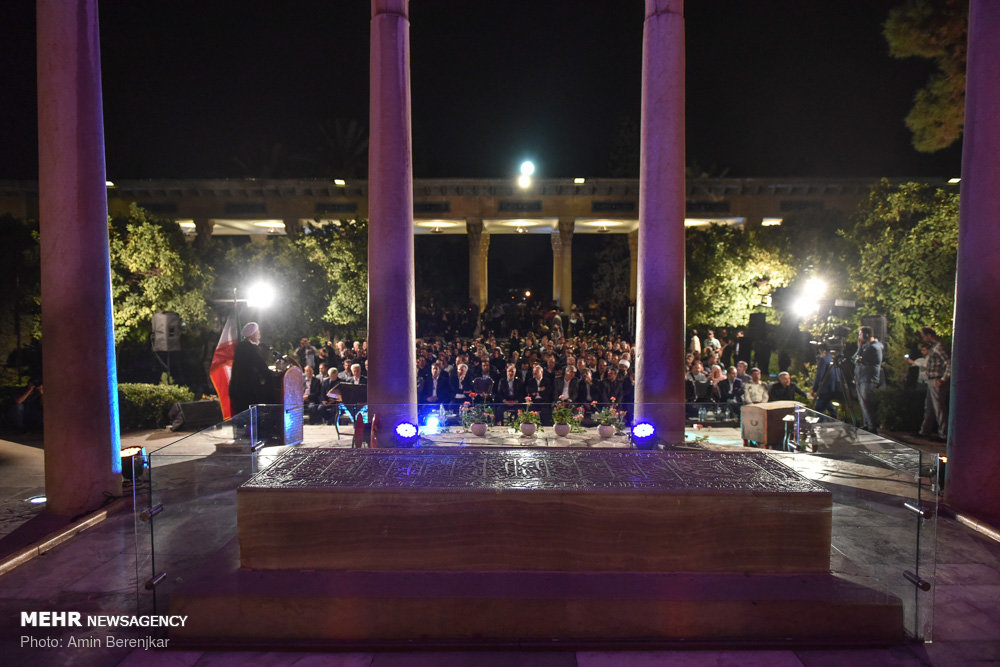
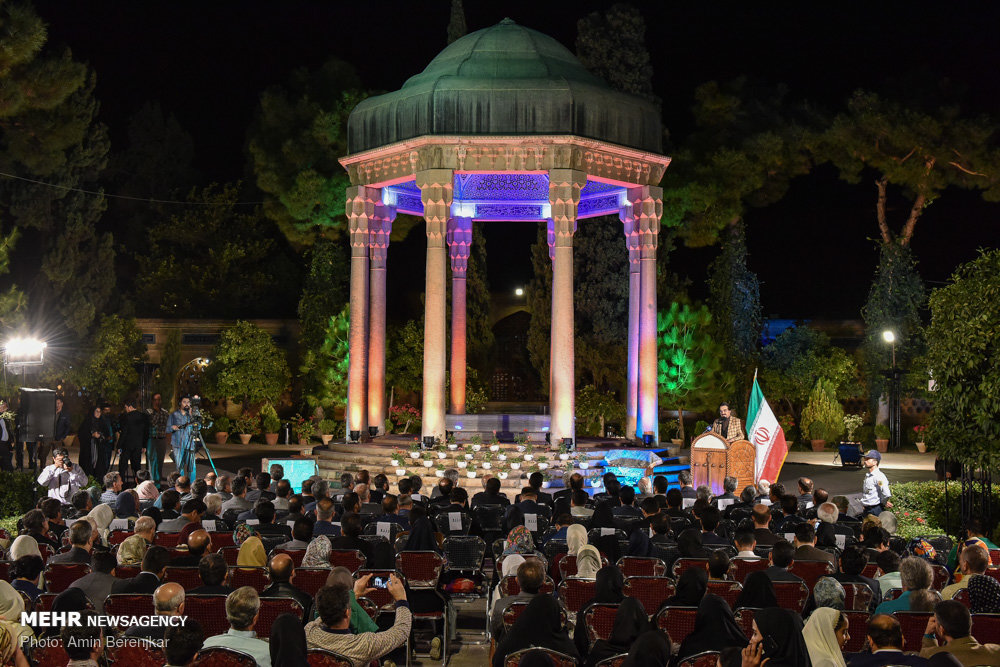
Commemoration of Hafez Day in Shiraz

By: Amin Berenjkar


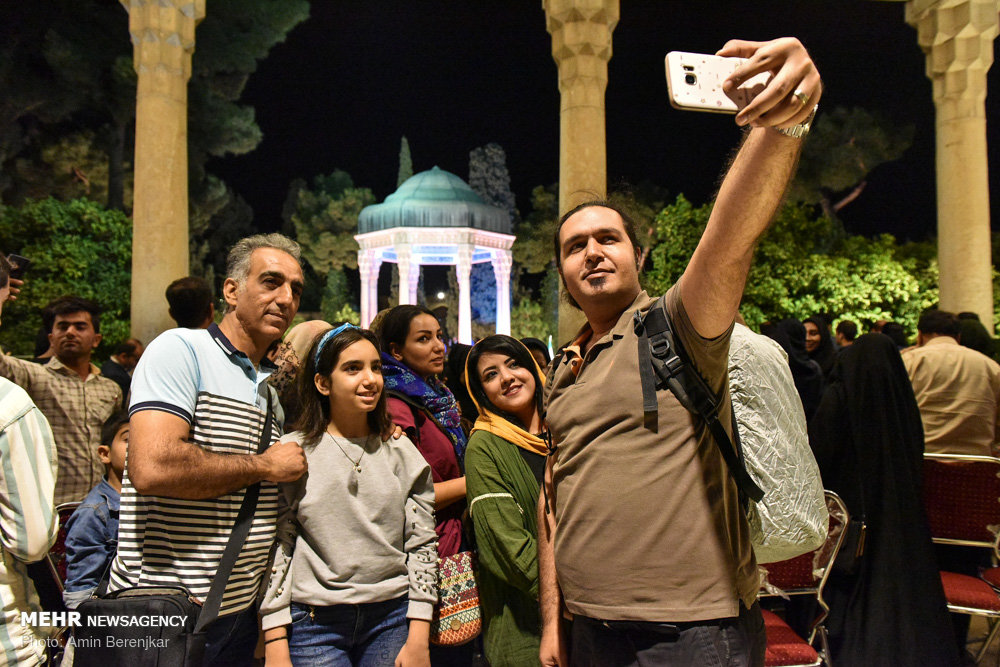
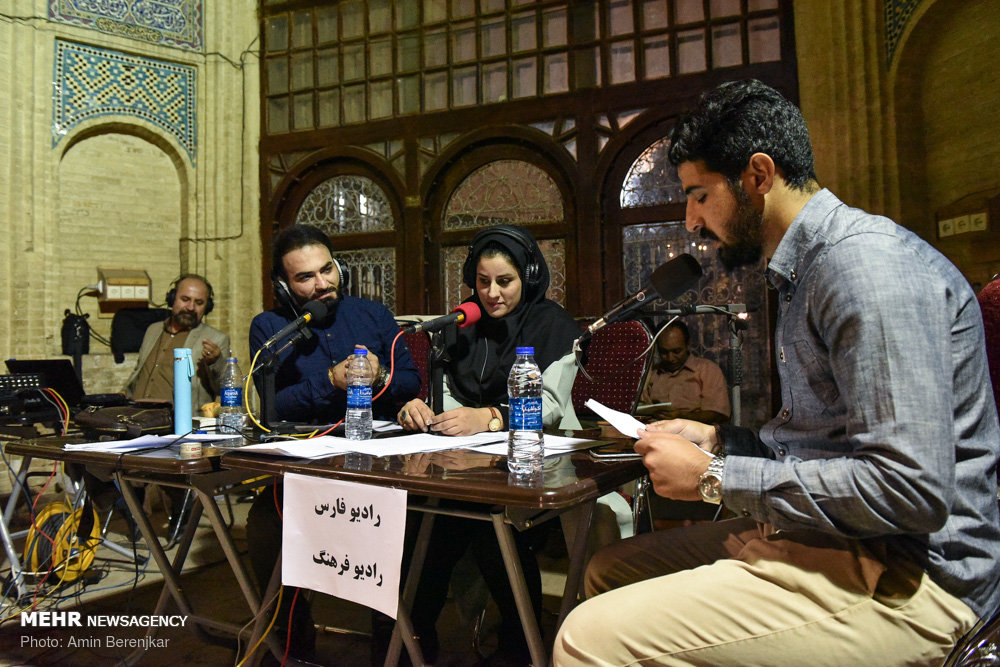
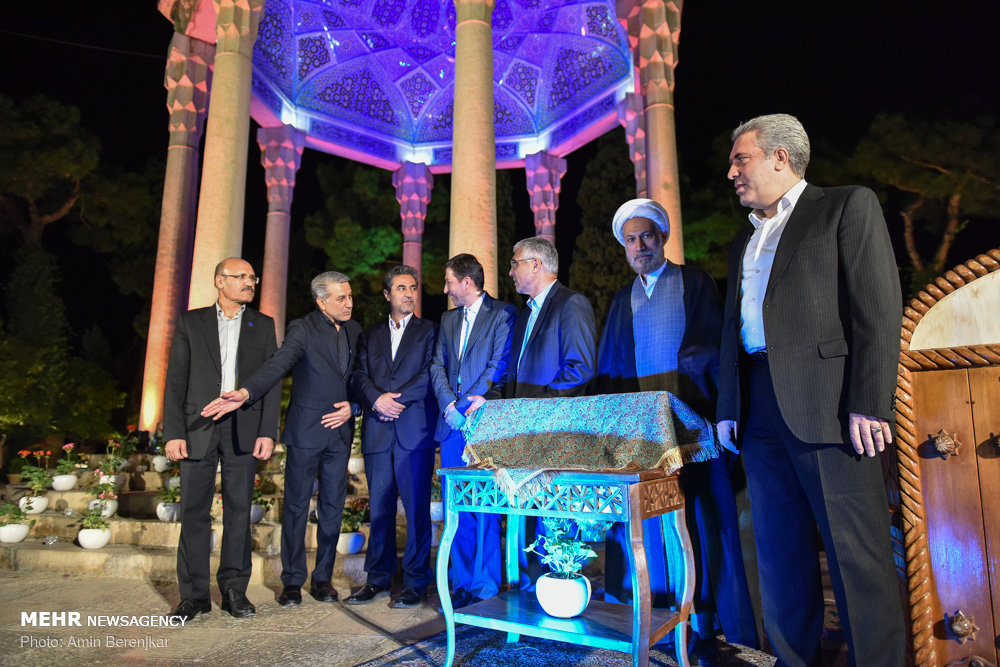
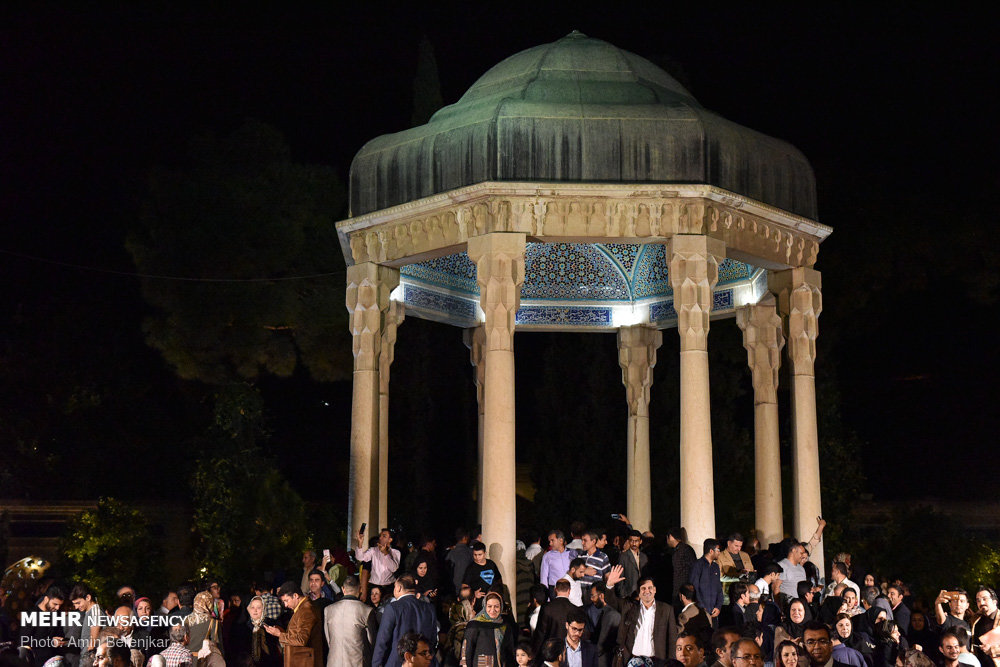
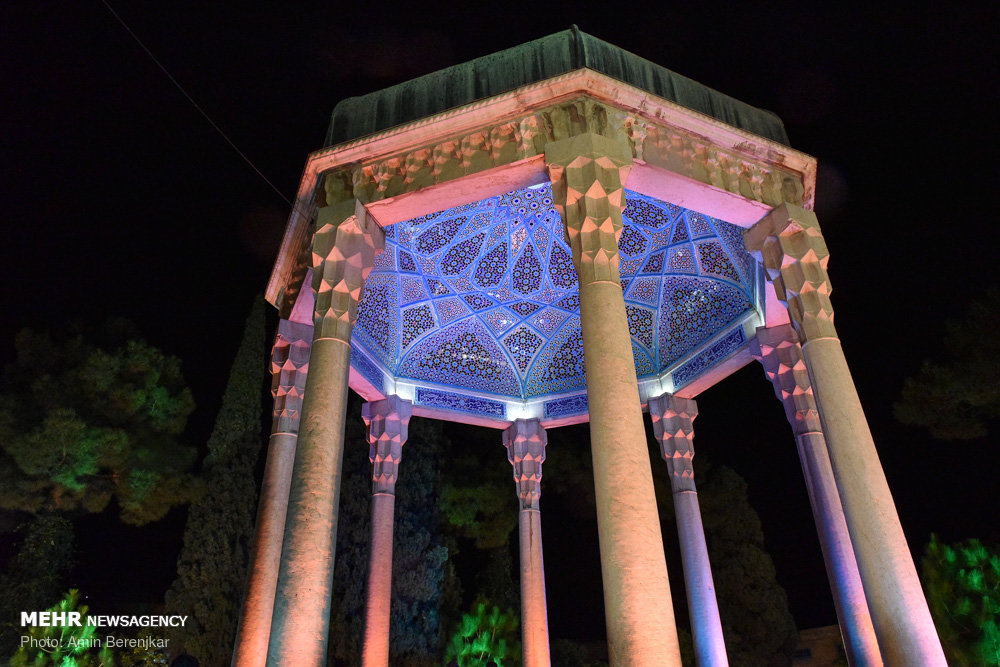
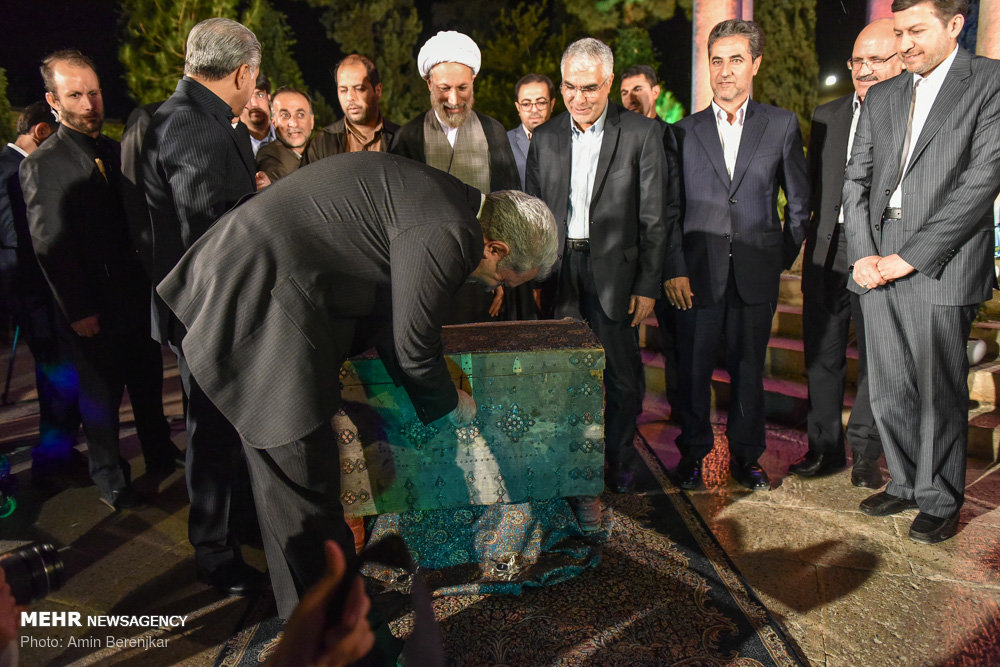
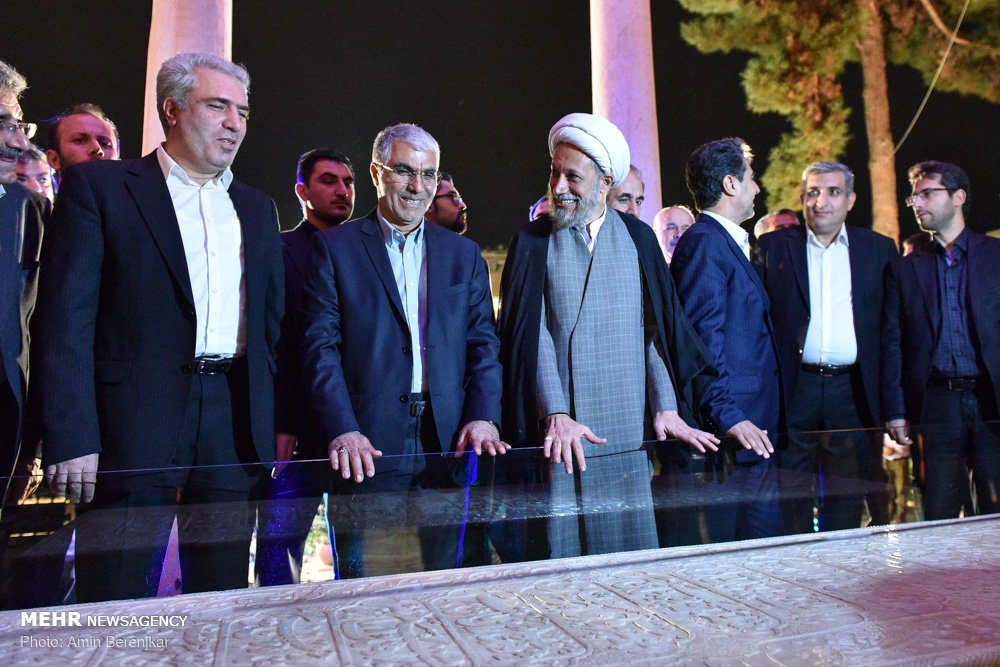
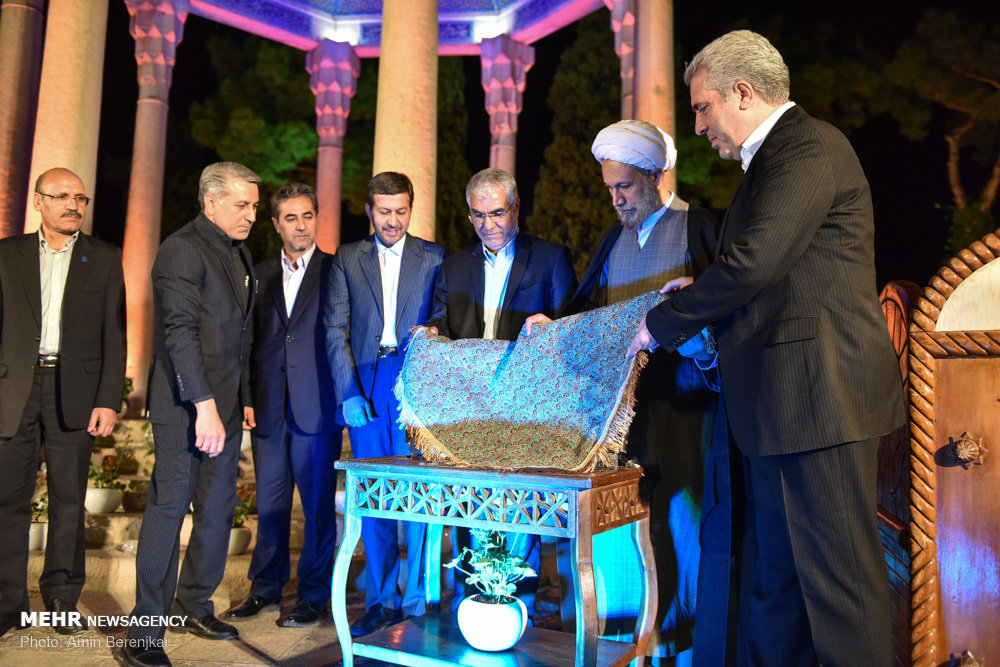
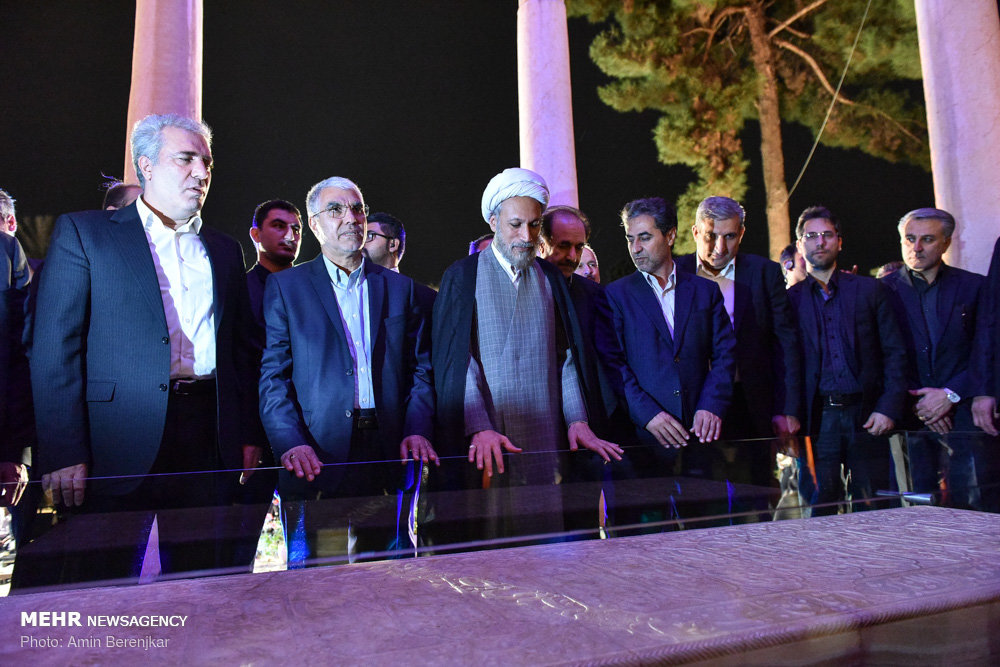
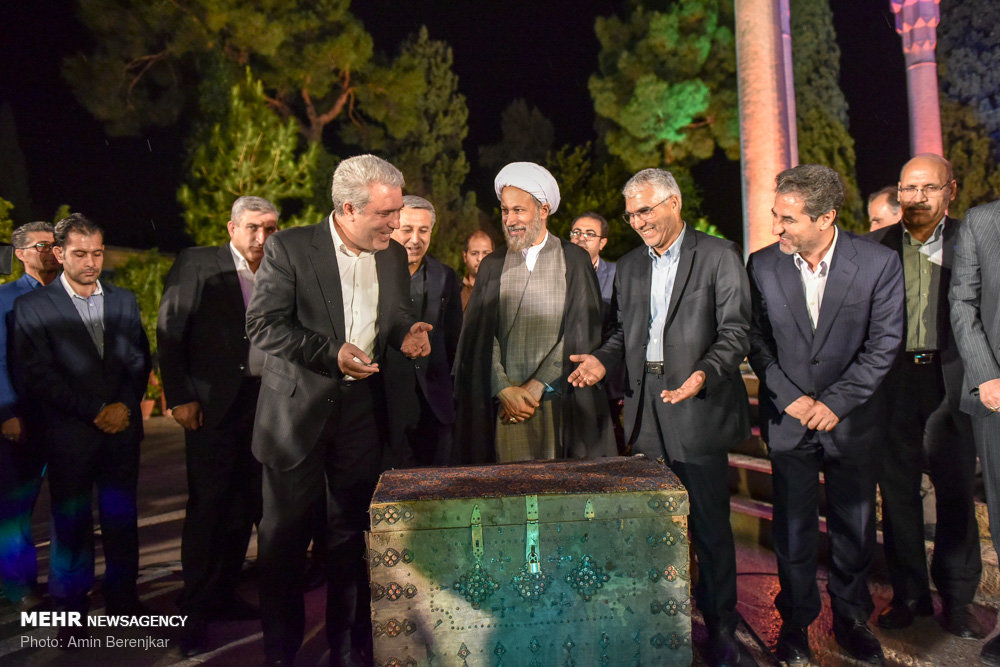
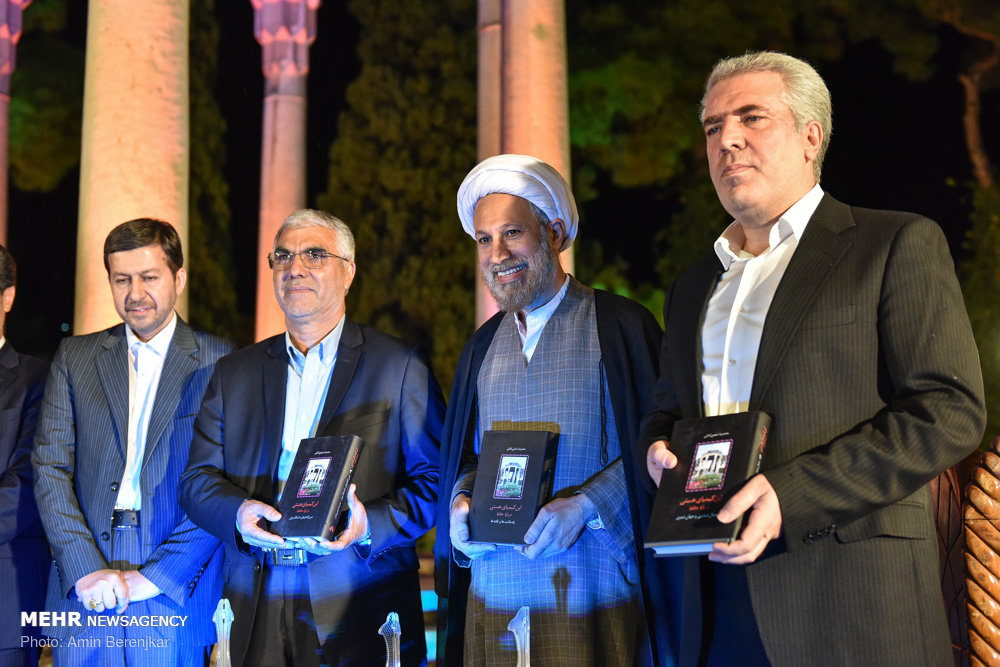
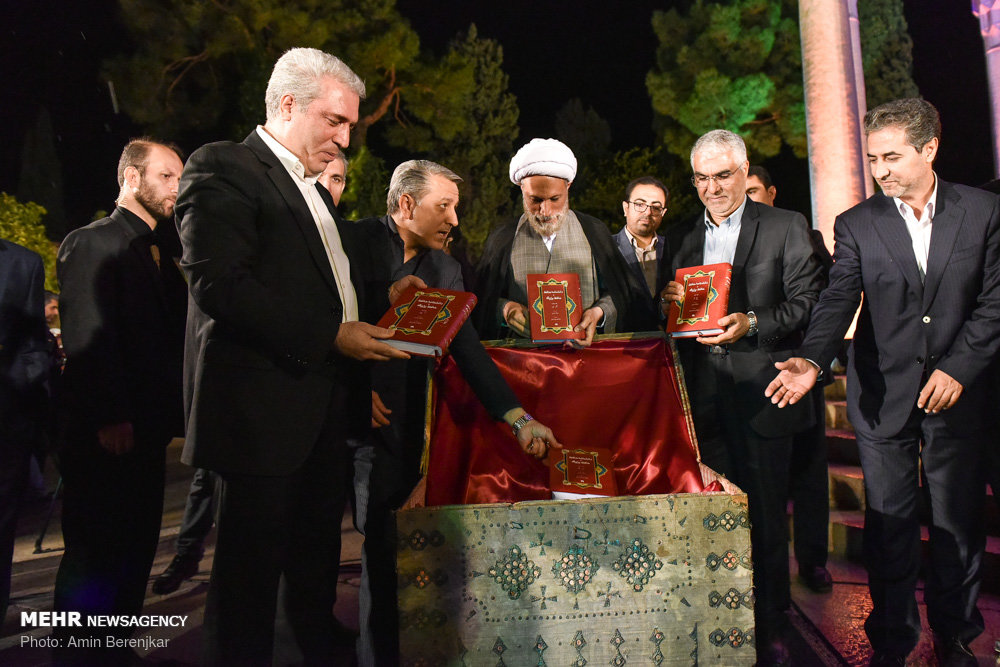
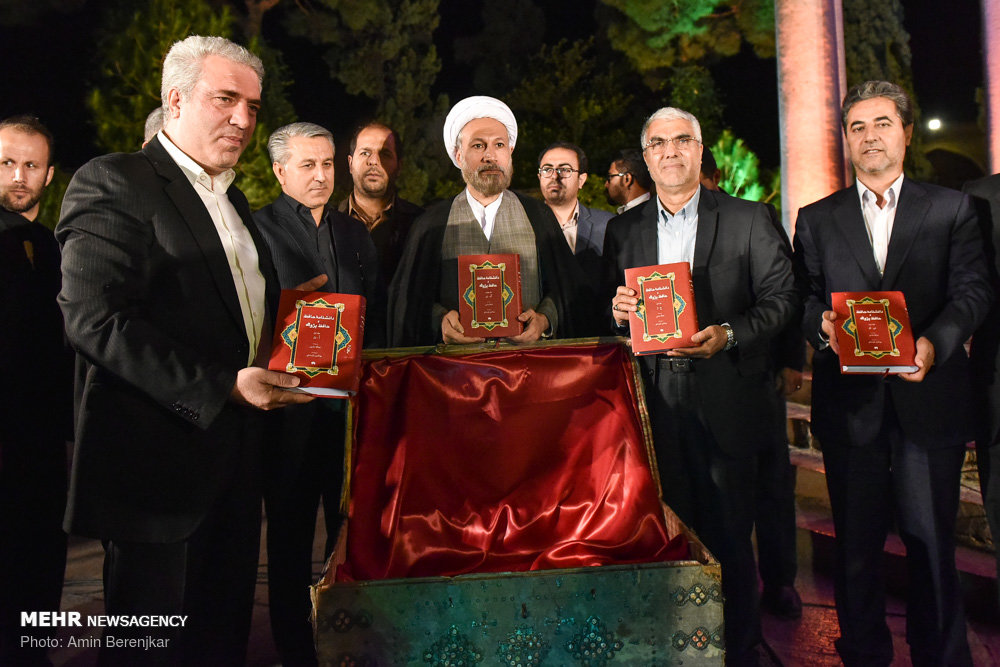
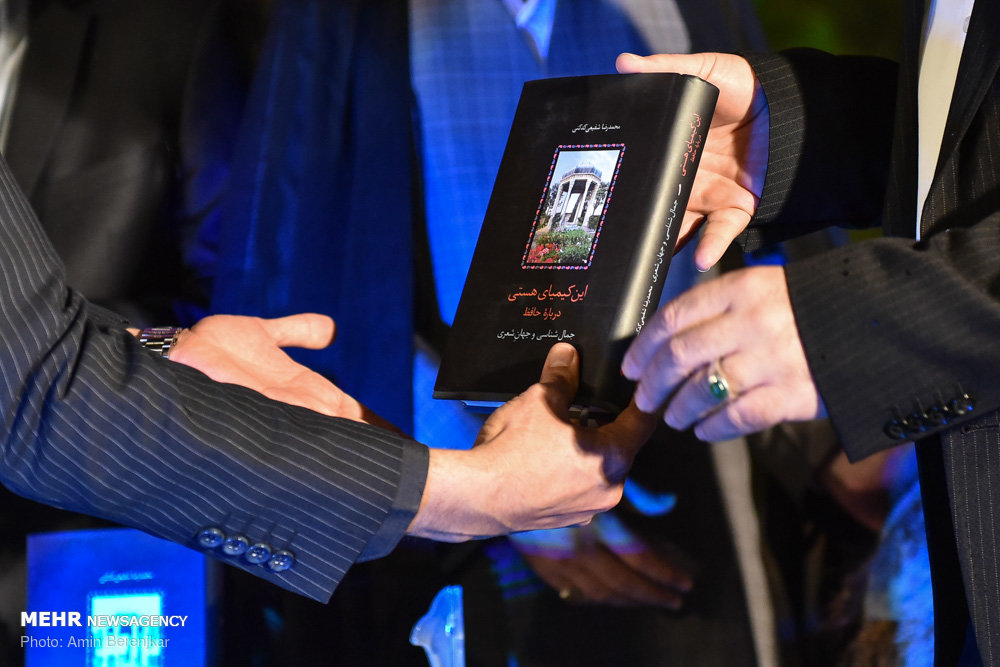
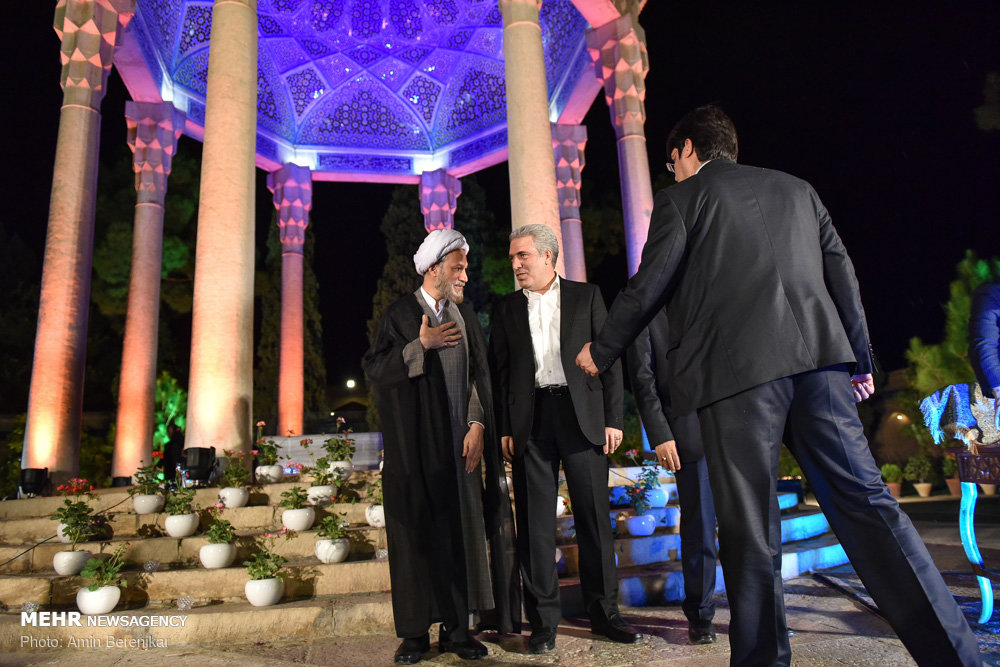
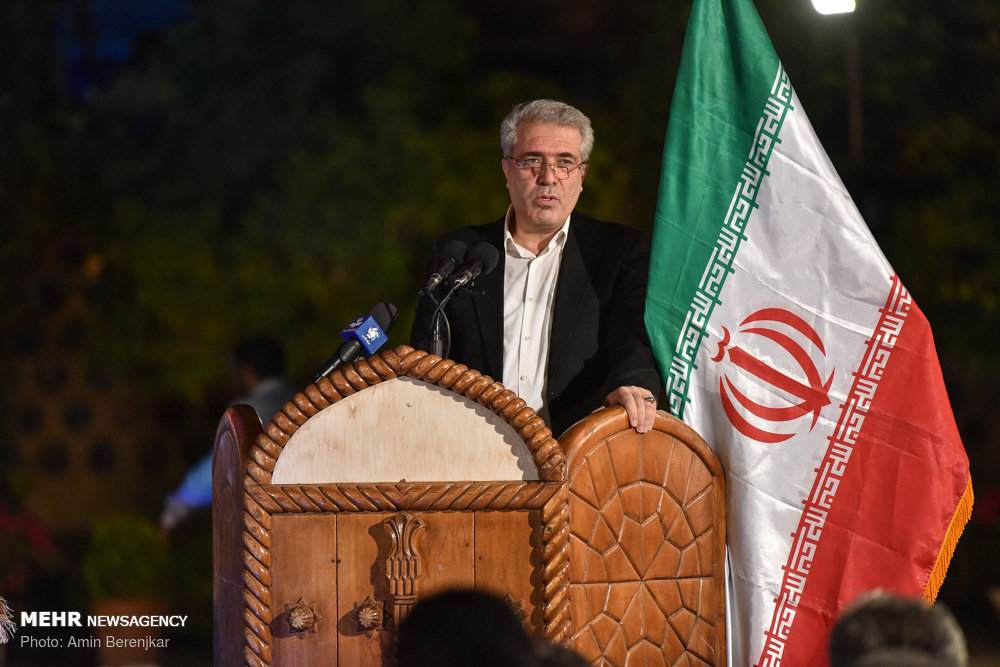
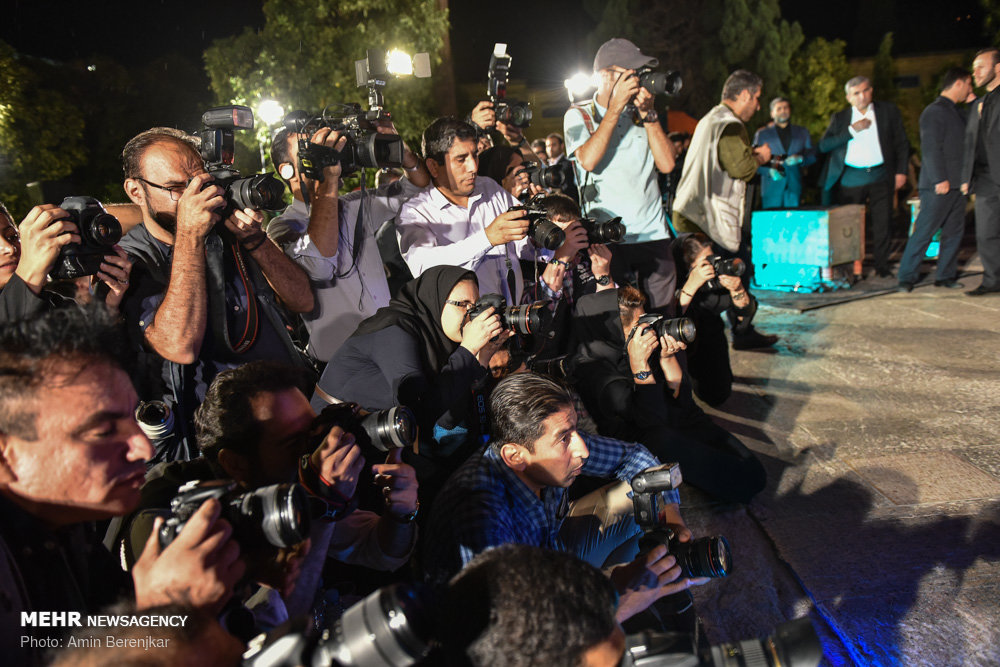
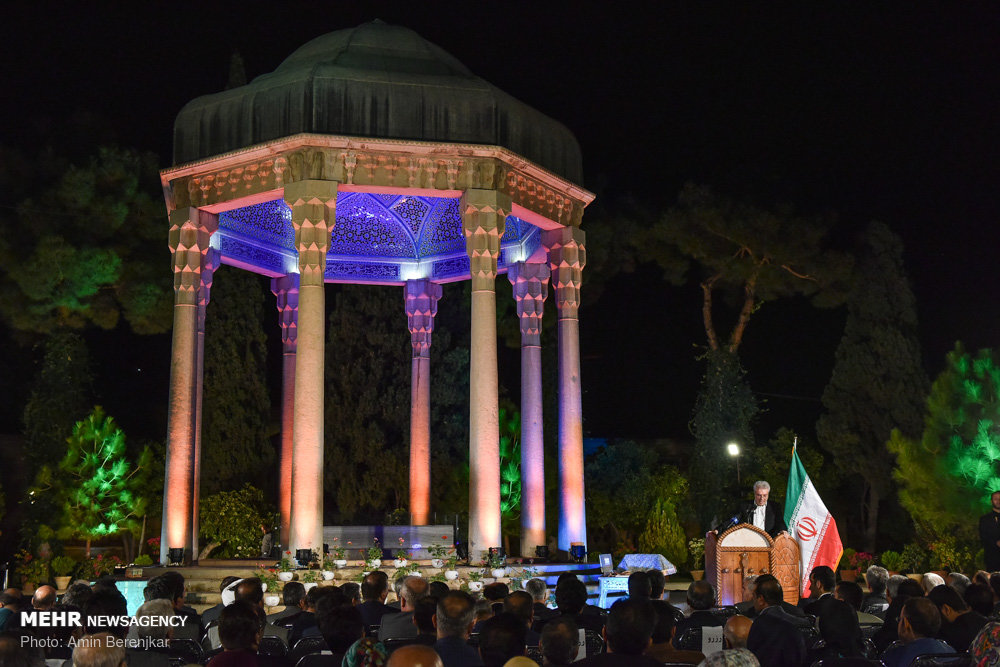
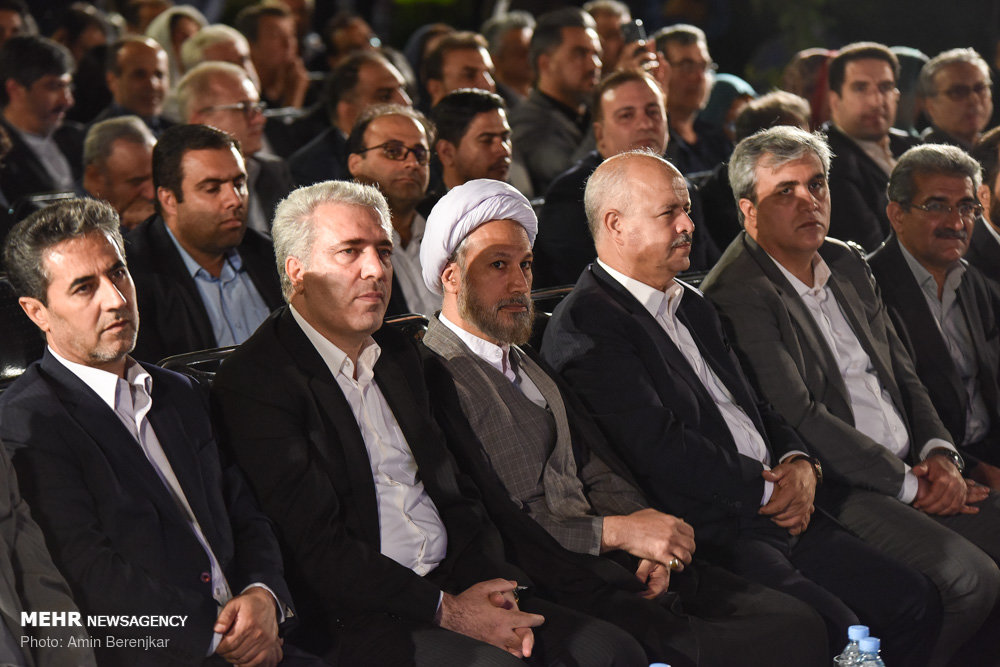
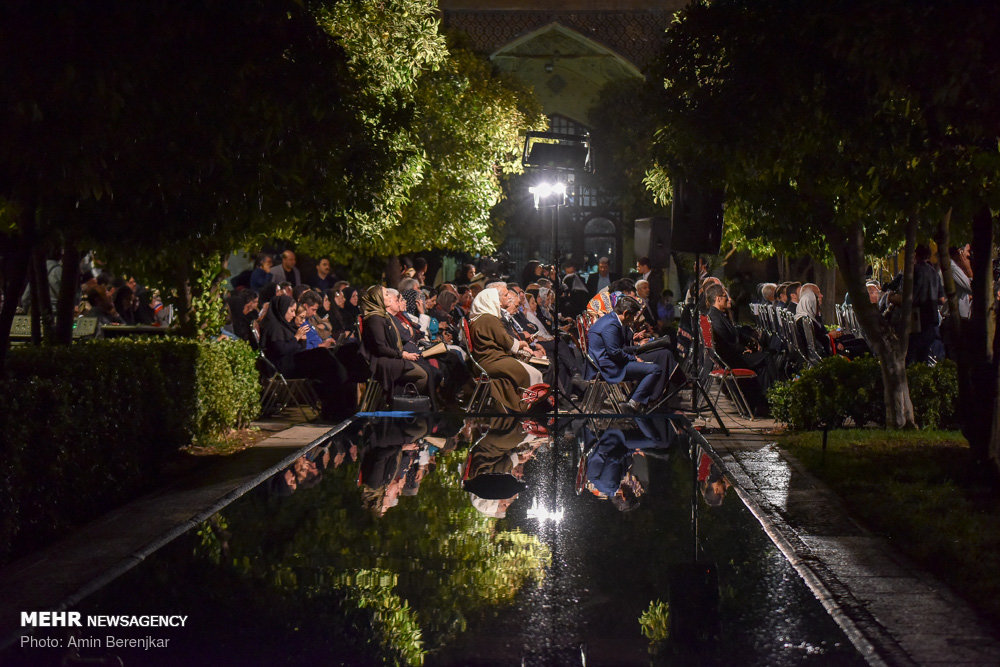
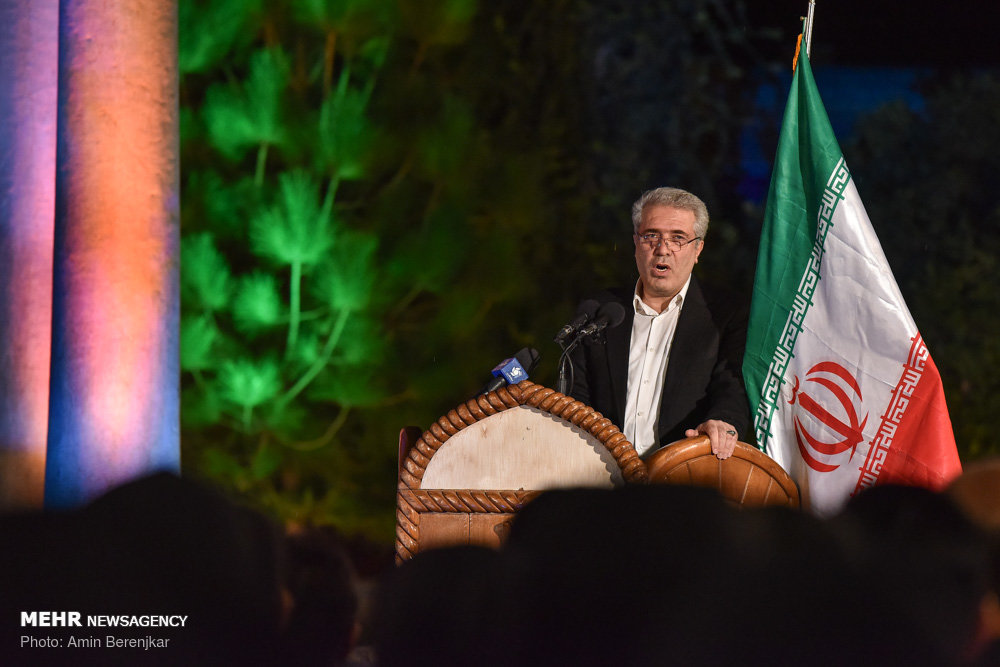
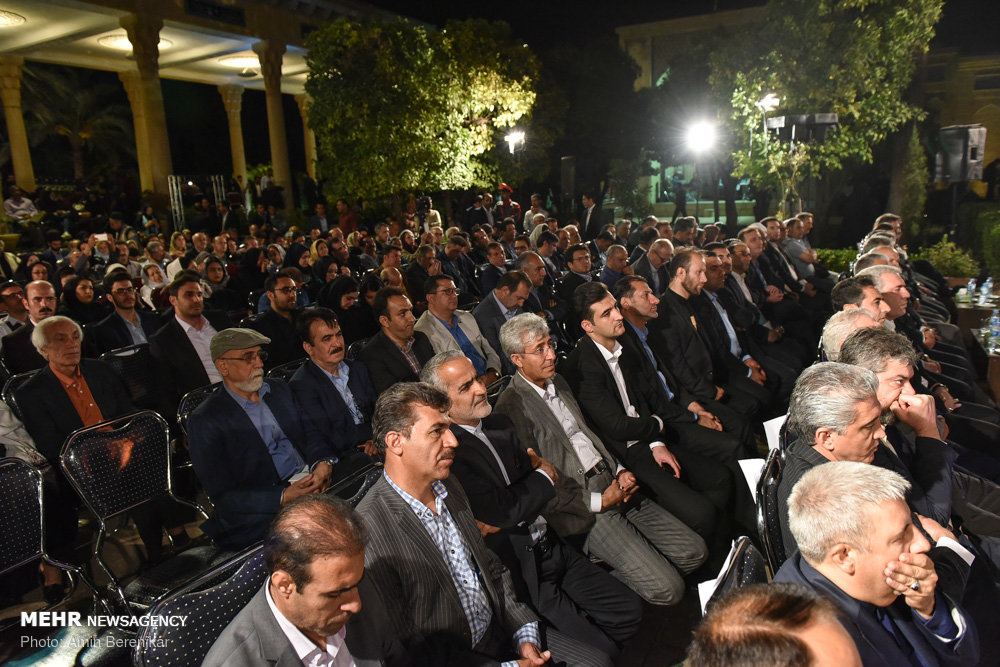
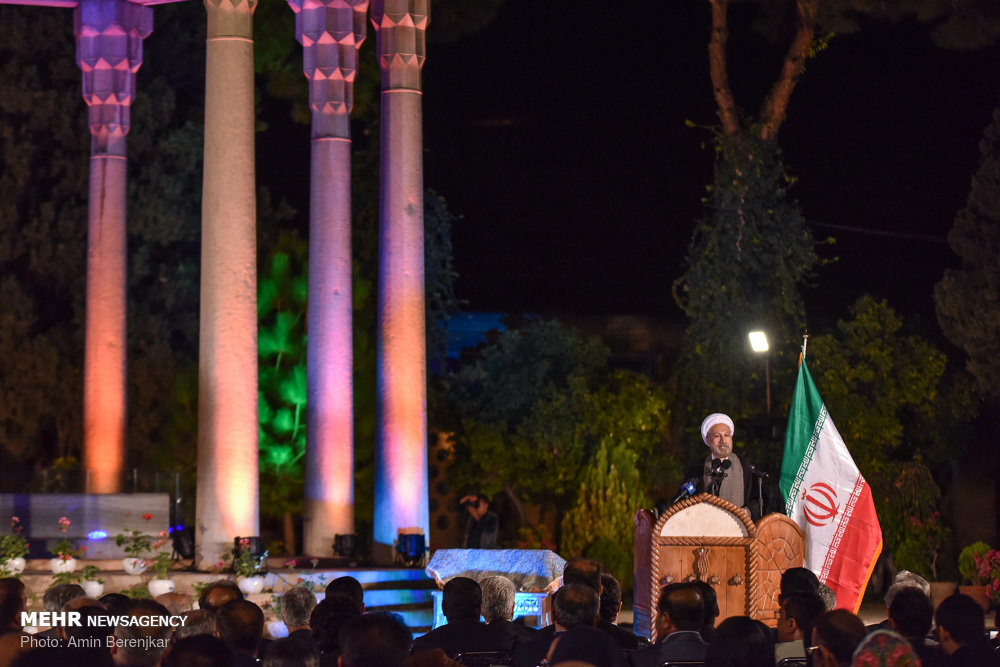
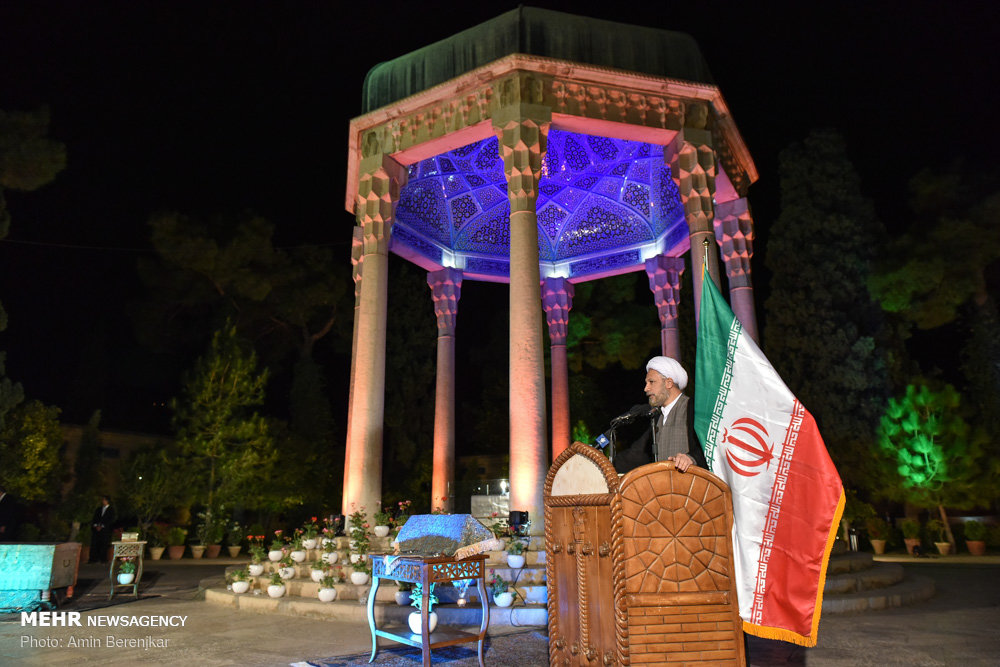
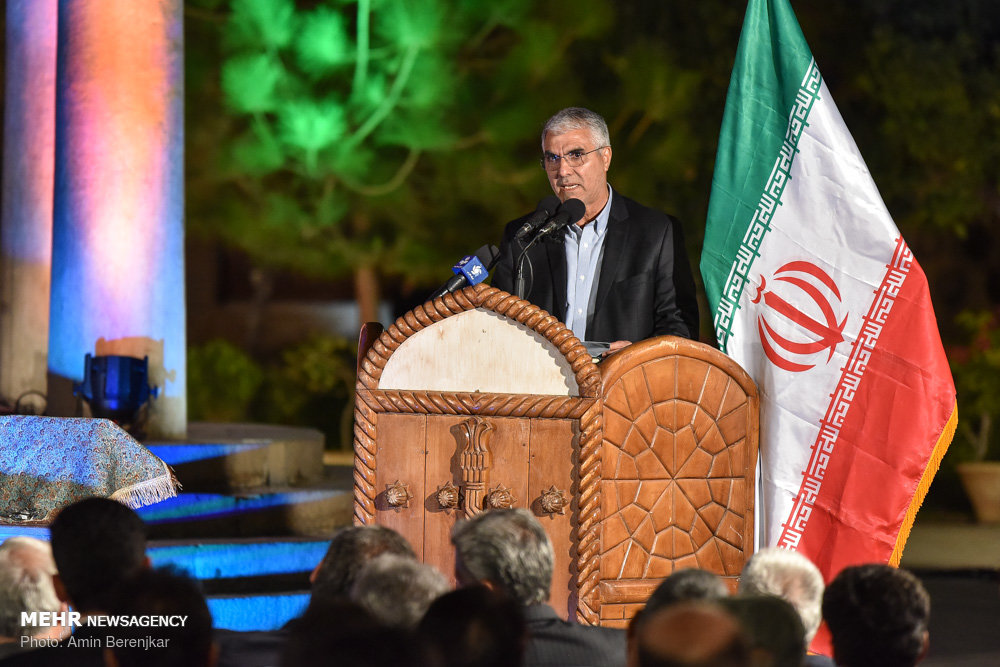
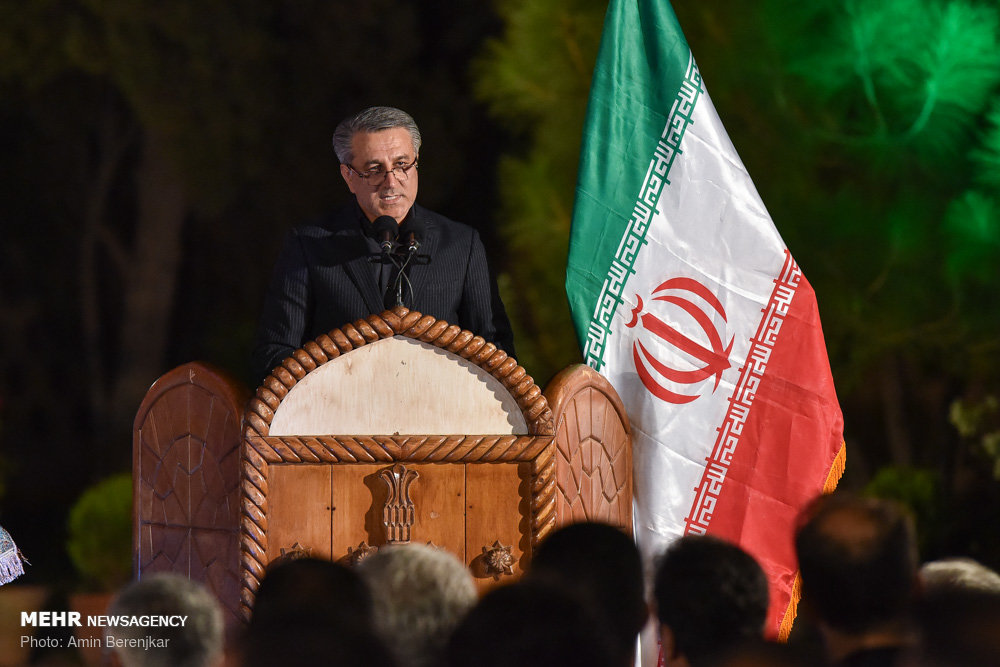
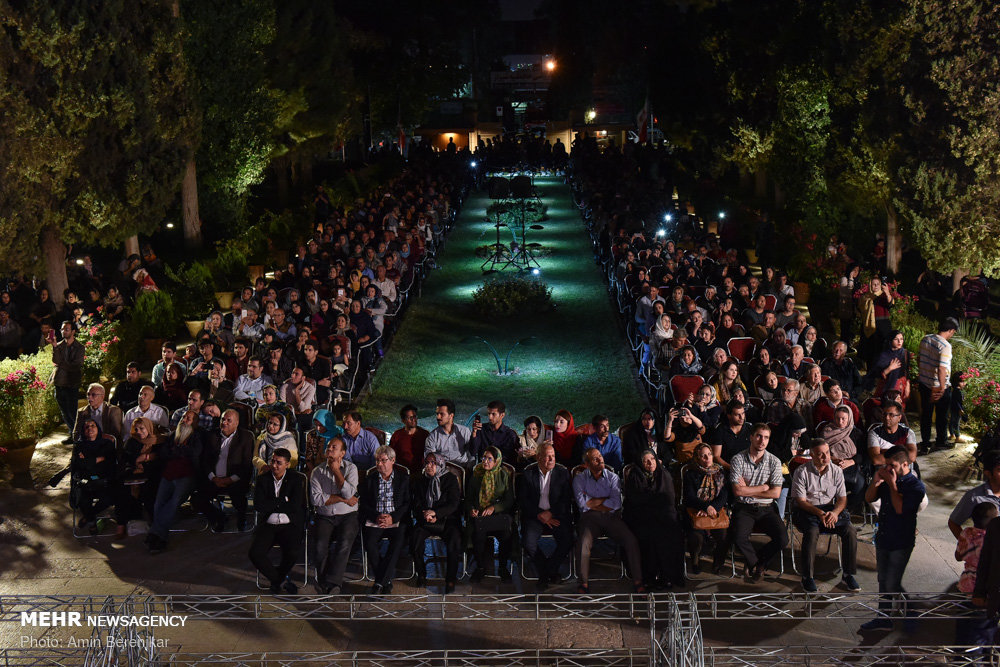
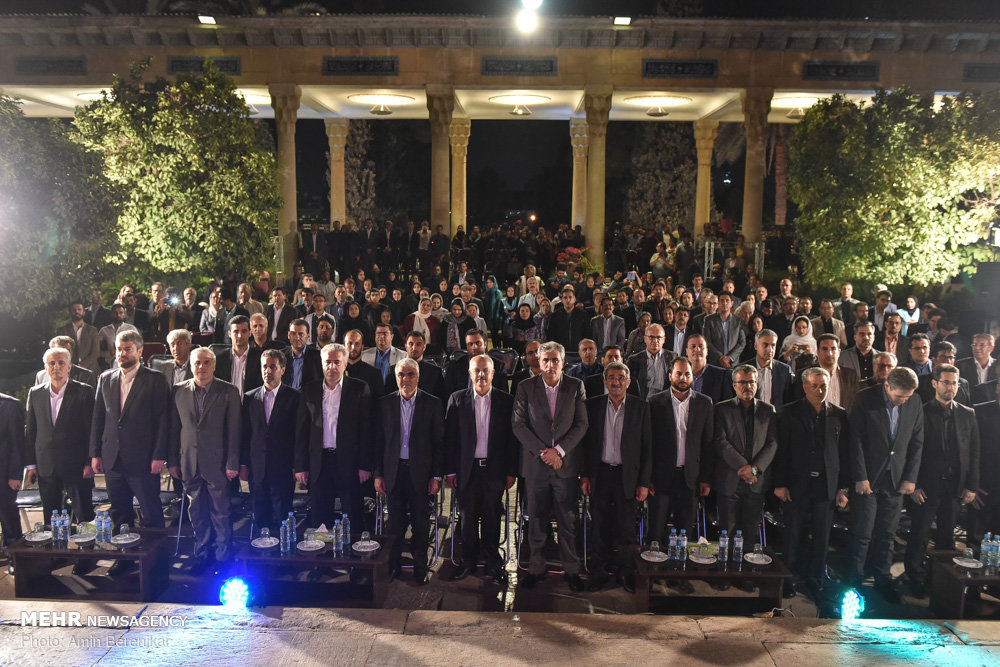
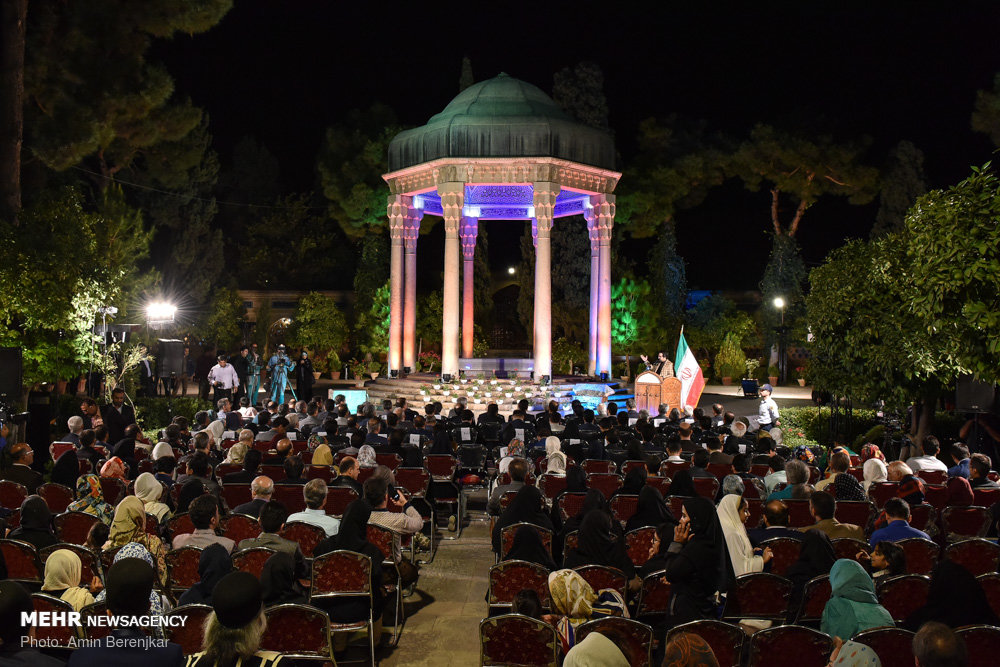
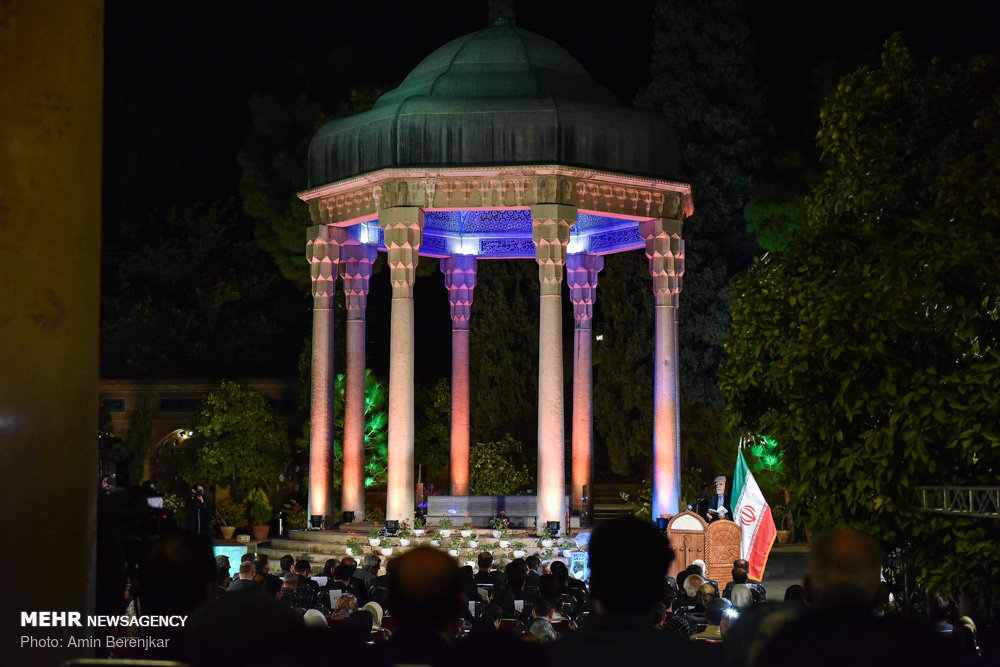
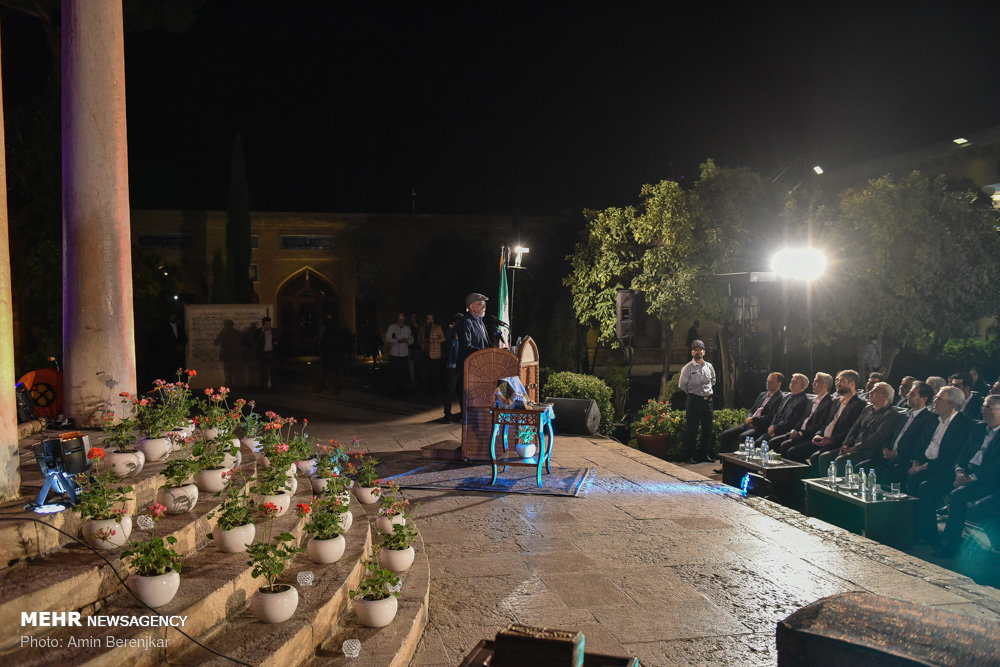
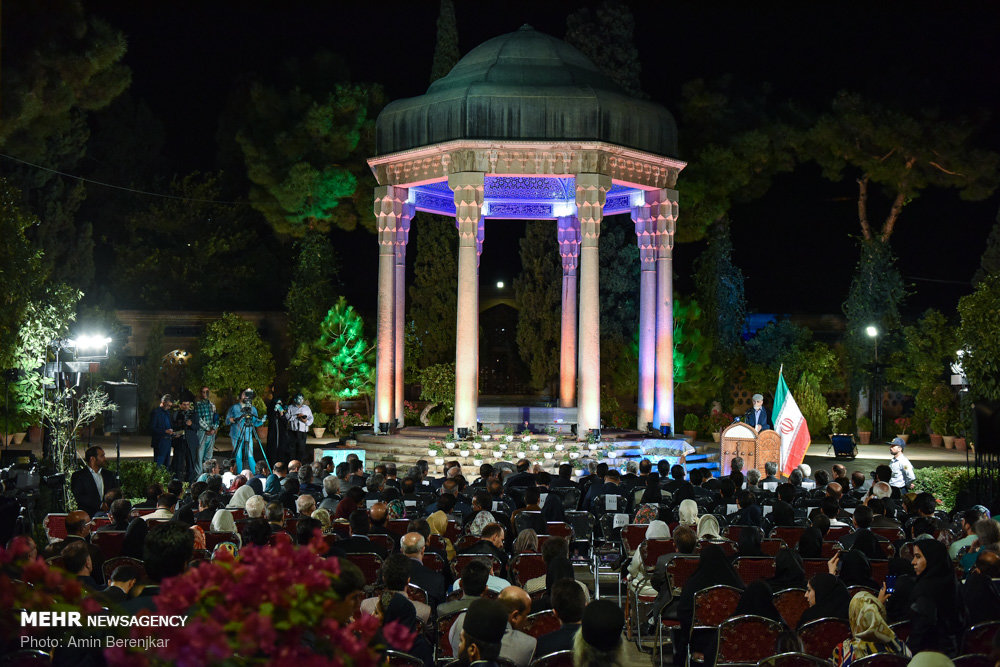
SHIRAZ, (MNA) – The commemoration ceremony of Hafez National Day was held at the Tomb of Hafez on Thursday, in the presence of Ali Asghar Mounesan, Head of Cultural Heritage and Tourism Organization, Esmail Tabadar, the governor of Fars province and a group of other senior officials of the province. Hafez was a 14th-century Persian poet and mystic highly revered by by famous writers and scholars all across the world.

  • Commemoration of Hafez Day in Shiraz
  • Commemoration of Hafez Day in Shiraz
  • Commemoration of Hafez Day in Shiraz
  • Commemoration of Hafez Day in Shiraz
  • Commemoration of Hafez Day in Shiraz
  • Commemoration of Hafez Day in Shiraz
  • Commemoration of Hafez Day in Shiraz
  • Commemoration of Hafez Day in Shiraz
  • Commemoration of Hafez Day in Shiraz
  • Commemoration of Hafez Day in Shiraz
  • Commemoration of Hafez Day in Shiraz
  • Commemoration of Hafez Day in Shiraz
  • Commemoration of Hafez Day in Shiraz
  • Commemoration of Hafez Day in Shiraz
  • Commemoration of Hafez Day in Shiraz
  • Commemoration of Hafez Day in Shiraz
  • Commemoration of Hafez Day in Shiraz
  • Commemoration of Hafez Day in Shiraz
  • Commemoration of Hafez Day in Shiraz
  • Commemoration of Hafez Day in Shiraz
  • Commemoration of Hafez Day in Shiraz
  • Commemoration of Hafez Day in Shiraz
  • Commemoration of Hafez Day in Shiraz
  • Commemoration of Hafez Day in Shiraz
  • Commemoration of Hafez Day in Shiraz
  • Commemoration of Hafez Day in Shiraz
  • Commemoration of Hafez Day in Shiraz
  • Commemoration of Hafez Day in Shiraz
  • Commemoration of Hafez Day in Shiraz
  • Commemoration of Hafez Day in Shiraz
  • Commemoration of Hafez Day in Shiraz
  • Commemoration of Hafez Day in Shiraz
  • Commemoration of Hafez Day in Shiraz
  • Commemoration of Hafez Day in Shiraz
  • Commemoration of Hafez Day in Shiraz


Sunday, April 14, 2019

Attar's teachings for the wandering human (1)


The 25th of Farvardin, corresponding with April 14, is the day of commemoration of the acclaimed Iranian poet, Attar Neishabouri. We will touch upon his life and times and world outlook in two episodes.
The contemporary man is suffering from a variety of crises and problems. In spite of great successes and progresses in different fields, he has been gripped by superciliousness and self-conceit. These sufferings have their roots in the negligence of man toward himself. He has lost some characteristics which link him with God and the Unseen. Things like spirituality, ethics and religion are missing. Literature can help man find his lost identity and get rid of the monotony of the everyday life. The Iranian mystic literature is full of spiritual teachings which can lead him to his inner world. April 14 has been named in Iran as the Day of Commemoration of Farid-uddin Attar Neishabouri, the renowned poet of the 6th century AH. Many crises have befallen upon man of today such as nihilism, racism, profiteering, hedonism and individualism. Attar's thoughts, especially those of the book "Mantiq al-Tayr" (Discourse of Birds), are a remedy to these crises.
Attar Neishabouri believes that man's outlook has been restricted due to busying himself with fruitless whims and frivolities. Hence, he tries to relieve man of these restrictions and make him aware of wide horizons. He calls on mankind to fly high in the expanse of spirituality and absolute perfection. Attar has explained whatever is needed for solving the contemporary man's problems. Helmut Ritter, who is a German specialist in the studies related to Attar, maintains that he has concentrated his attention on man, the world and God and his main concern is to explicate the relation between these three. Perhaps in no era, mankind has been so negligent of his inner world as this era. Today's man has forgotten himself and looks at the material world as the only tool of cognizance. He has distanced himself from the gem of humanity and is scared of solitude to muse on his genuine being. This leads to absurdity. Attar, due to profound view and perception of the multisided human spirit, has succeeded to open the ropes tied on the hands and feet of mankind. Attar's poetry is full of movement, dynamism and liveliness. In his thought, mankind is always in transformation and change. Attar responsibly is in quest of his real identity. That's why he considers movement as the path toward man's perfection. He negates any stagnation and immobility. In view of this, he sends humans to a symbolic long journey in the form of birds while he himself is the Hoopoe which is guide of the path and knows the pitfalls of the way. Each of Attar's books "Mantiq al-Tayr", "Mosibat Nameh" and "Elahi Nameh" is a mystic travelogue that takes man to self-cognizance.
The noted Iranian poet, Farid-uddin Attar Neishabouri, maintains that if mankind goes beyond the routine habits of this world, he will know his spiritual capacities and potentials better. Mankind should discover himself and help his individuality materialize as it is. He says,
What you utter, and what you know, that's you;
Recognize your own self just as it is.
Another problem of the contemporary man is inattention to spirituality and forgetting the perpetual reality. Being indulged in the luxuries of this transient world, he has separated himself from the ethereal world and the Creator of the world. He seeks pleasures that are passing very soon. That's why the older he becomes the more desperate and frustrated he gets. The modern technologies have apparently made man more comfortable but, whether he accepts it or not, he has a missing which cannot be replaced by anything. In "Mantiq al-Tayr" (Discourse of Birds), Attar calls birds which are the symbols of human spirits. He wants to remind them of God and show them hints of His beauty and mercy so that the desire for cognizance is revived in them.
Attar attaches much importance to love, because he believes that without love man will not be awakened. Love of the Creator will give man the courage to strive in the way of materializing the impossible. The heart is the center of love; hence it should be kept away from malice and malevolence. Next time we will continue the discussion.