
By Wesam Bahrani
TEHRAN – Iraq stands at a critical point as parliament prepares to elect a new president and form the next government.
The Coordination Framework’s nomination of Nouri al-Maliki for Prime Minister has drawn attention to the growing presence of foreign influence in Baghdad’s decision-making process.
While Iraq’s constitution grants its people and parliament full authority over elections and appointments, the United States has increasingly sought to shape political outcomes.
Baghdad hosts one of the largest U.S. embassies in the world, alongside a military presence, which is opposed by the vast majority of Iraqi society, as reflected in recent election results. This presence reinforces U.S. leverage over domestic politics.
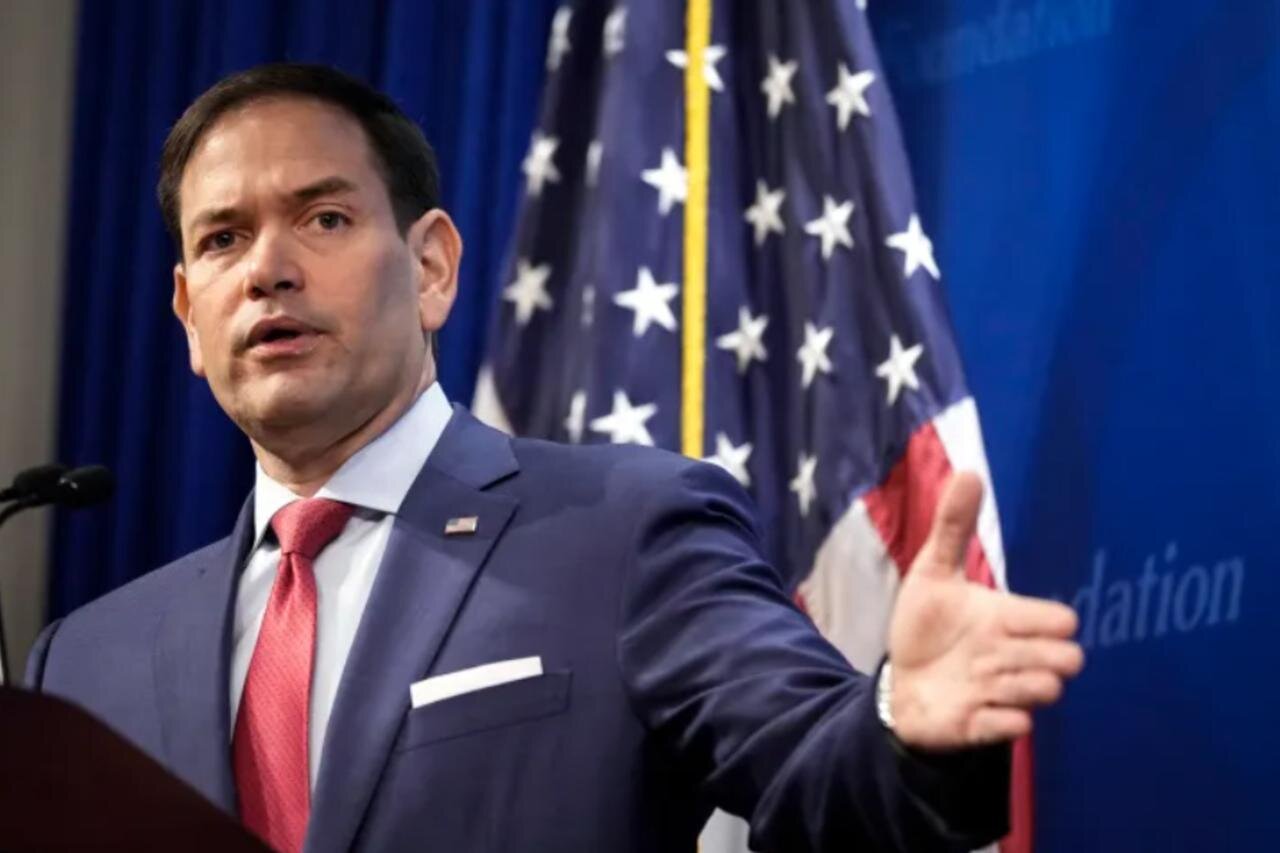
Statements and phone calls to Baghdad from senior U.S. officials, including U.S. Secretary of State Marco Rubio and envoy Tom Barrack, suggest Washington is directly signaling which candidates and alliances are acceptable. Rubio indicated Washington’s opposition to the nomination of al-Maliki.
Reports indicate that this pressure has included threats and warnings, while Iraq’s oil revenues continue to flow to the U.S. Federal Reserve, further fueling perceptions of external control over Iraq’s political and economic sovereignty.
“There is clear pressure from the United States on Iraq’s political leaders,” one Iraqi official said. Such interventions undermine Iraq’s independence by implicitly dictating which political directions are permissible, shaping both internal negotiations and the outcome of key votes.
Iraq’s political landscape is already complex. The presidency, traditionally held by a Kurdish politician, is largely ceremonial but plays a symbolic role in balancing ethnic and sectarian representation. Negotiations over this position are intertwined with broader discussions on government formation, including the premiership and cabinet allocations.
The presidential race now emerges as one of the most complex elements of the political process.
The Coordination Framework’s selection of al-Maliki reflects internal decision-making based on an electoral mandate. Yet, external pressures complicate these negotiations, as leaders must consider both domestic consensus and U.S. expectations.
Senior politician Salah al-Dulaimi, a member of the largest Sunni alliance, Azem, says his coalition ‘’aligns with the Coordination Framework’s decision.’’
“The Framework has clearly nominated Nouri Al-Maliki for the prime minister’s position. That’s settled.’’ Al-Dulaimi points out.
Analysts argue that U.S. interference in Iraq’s domestic affairs affects the ability of Iraqi leaders to act independently. “Political blocs are being pulled in different directions, and foreign involvement makes it harder for them to prioritize national interests,” one said.
Such pressures can overshadow domestic negotiation efforts, forcing compromises that may not reflect the will of voters.
“The U.S. influence, through past visits and communications, pressures Iraqi politics, but Iraq maintains a degree of sovereign decision-making. For example, the U.S. objected to certain parliamentary positions.’’ Al-Dulaimi says.
The upcoming parliamentary session to elect Iraq’s president will reveal how much sway foreign actors hold over domestic politics.
With the Coordination Framework backing al-Maliki and Kurdish parties negotiating their preferred candidates, the vote will test whether Iraq’s political actors can assert independence or remain under external pressure.
The outcome will not only affect the presidency but also shape the formation of the new government and its policy priorities.
Iraq is facing a critical period for its sovereignty. Continued American interference, combined with threats, and control over Iraq’s oil revenues, risks weakening public trust in domestic institutions.
Unless political actors can assert independence, U.S. influence will continue to steer key decisions at a critical moment that will have consequences for the shape of the next government and Iraq’s political stability.
The choices made in parliament will determine whether Iraq can maintain sovereignty or continue to operate under the shadow of U.S. intervention.

No comments:
Post a Comment