
By staff writer
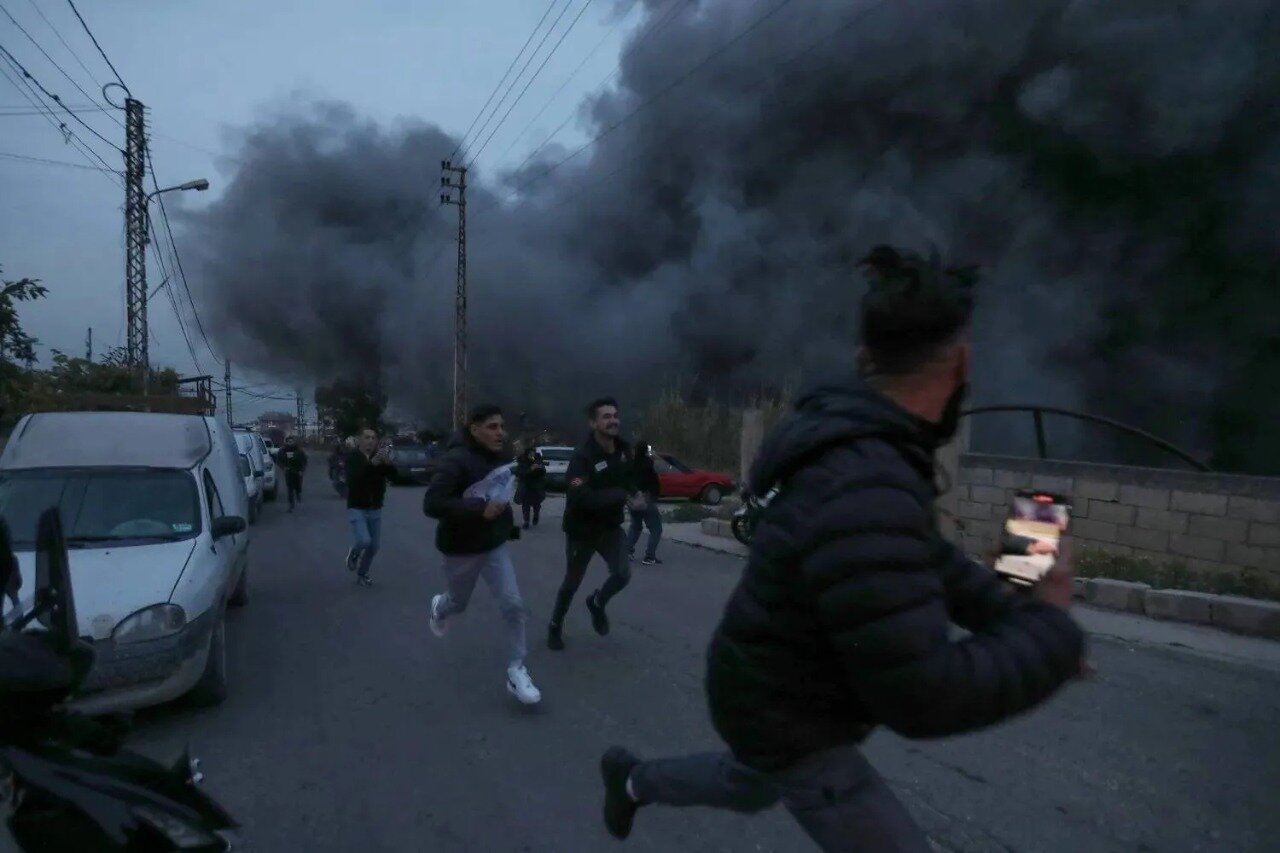
TEHRAN — Despite the ceasefire agreement signed with Israel in November 2024, the promised peace remains a distant hope for the people of Lebanon. Israel’s military has effectively transformed a signed truce into a period of controlled aggression, conducting near-daily strikes that have claimed hundreds of innocent lives.
The most recent Sunday air raids, which killed at least two civilians, serve as a grim reminder that the Israeli military operates with total disregard for the diplomatic agreements it signed. These actions suggest that the ceasefire was never a goal for Israel, but rather a temporary pause used to recalibrate its next move into Lebanese territory.
Israel’s occupation strategy
The reality on the ground completely contradicts the narrative of an Israeli withdrawal from Lebanon. Currently, Israeli forces continue to occupy five strategic points within Lebanese territory, maintaining a physical barrier to national recovery. Beyond this occupation, the Israeli military has leveled several border towns to the ground and is now actively blocking their reconstruction. This systematic destruction is designed to prevent tens of thousands of displaced Lebanese citizens from returning to their ancestral homes, effectively creating a no-man's land that Israel can exploit. Furthermore, in a direct challenge to international law, Israeli forces have repeatedly opened fire on UNIFIL positions to intimidate the very peacekeepers meant to monitor these abuses.
Israel justifies its ongoing strikes by claiming they are targeting Hezbollah infrastructure, yet these claims lack any factual basis following recent developments. Earlier this month, the Lebanese government officially completed the removal of Hezbollah weaponry south of the Litani River, proving its commitment to UN Resolution 1701. Despite this clear compliance, Israeli bombs continue to fall both south and north of the Litani. This persistent aggression exposes the truth that these actions are not “defensive”. Instead, they are clear components of the "Greater Israel" scheme—an expansionist ideology aimed at extending permanent control over Lebanese land and resources.
Resistance as the only deterrent
In the face of these constant incursions, Hezbollah has maintained a firm position as the shield of the nation. While the group agreed to the disarmament south of the Litani to facilitate the ceasefire and protect Lebanese civilians, they have warned that complete disarmament elsewhere is impossible while the threat of invasion looms. From the perspective of the resistance, the Lebanese national army is not yet equipped to repel a full-scale Israeli expansionist project alone. Consequently, Hezbollah views its arsenal as a necessary and legitimate deterrent against Israel, which has shown a consistent and violent appetite for Lebanese territory.
Israel’s media warfare
Beyond the physical battlefield, Israel is conducting a sophisticated hybrid war through its media outlets. Tel Aviv frequently broadcasts accusations that Hezbollah is rearming in demilitarized zones, yet they never provide evidence to back these claims. These propaganda efforts are designed to smear Hezbollah’s political legitimacy and trick the international community into viewing Israeli ceasefire violations as preemptive strikes. By painting the resistance as a foreign proxy rather than a domestic defender, Israel hopes to erode internal unity and pave the way for further territorial theft.
Presently, the complaint that the Lebanese Foreign Ministry filed with the UN on Monday highlights a staggering level of aggression, with over 2,000 Israeli violations recorded in the final three months of 2025 alone. Lebanon is now demanding that the Security Council move beyond empty rhetoric and force a full, unconditional Israeli withdrawal. As long as the "Greater Israel" project remains the driving force in Tel Aviv’s regional policy, the cycle of violence will continue. For Lebanon, the struggle led by the resistance is no longer just about a ceasefire—it is a fight for the very survival of the country’s borders, its dignity, and its independence.

No comments:
Post a Comment