
TEHRAN- In the West, police pursue opposition figures all the way to hospital beds and call it “law enforcement.” In Iran, police restraint is labeled a “bloody crackdown.” This deliberate double standard is not a media mistake; it is the organized censorship of truth and a core component of the narrative war against Iran.
In recent days, amid scattered anti-Iran gatherings across Europe, British local media reported that police entered hospitals to arrest individuals linked to disturbances of public order—people who were neither armed nor directly attacking police forces, but were detained solely for causing security disruptions. This news, however, was quickly erased from the memory of Persian-language hostile media outlets.
While such incidents are treated as routine law enforcement actions in the West, placing them alongside the exaggerated portrayals of Iran’s police responses exposes a clear and calculated double standard.
Legitimate violence—when it is Western
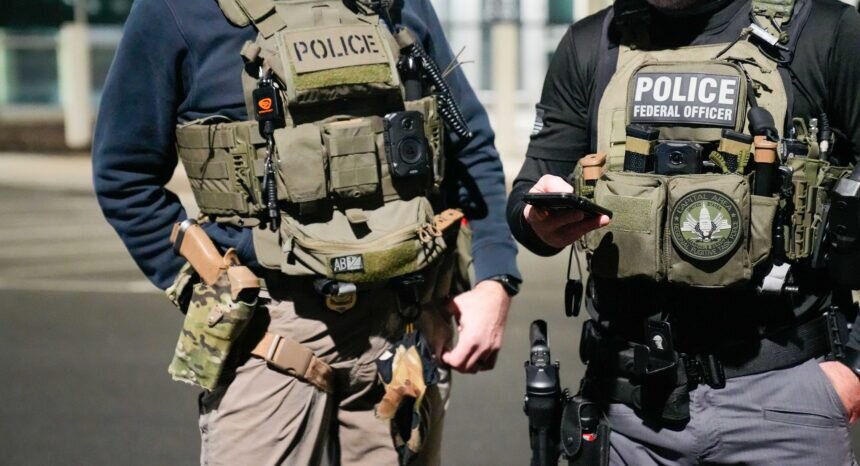
In the United States, police not only have the right to use lethal force, but dozens of people are killed every year during direct encounters with law enforcement—figures repeatedly confirmed by independent human rights organizations. Yet in Western media narratives, this level of violence is framed as “the enforcement of the law.”
In Europe as well, harsh police responses to protest gatherings are widely accepted. Chasing protesters into hospitals, making immediate arrests, and imposing severe restrictions are not concealed; they are presented as signs of state authority. The law in these countries is uncompromising, even when protesters are unarmed.
Iran’s police without the right to shoot
By contrast, Iran’s police operate under a strict set of legal and operational constraints that limit the use of firearms to extremely exceptional circumstances. The level of violent confrontation by police in Iran is significantly lower than in many Western countries, yet this reality never becomes a headline in hostile media coverage.
Within the dominant anti-Iran narrative, any law enforcement action is instantly labeled a “bloody suppression,” even when no weapons are used and police officers themselves are victims of violence. Facts are irrelevant here; what matters is constructing a dark image for media consumption.
A two-faced opposition and the logic of cost
What is particularly revealing is that these same anti-Iran groups fully understand the “logic of cost” when operating abroad. Monarchists and other regime-change advocates know exactly what confronting Western police entails—from immediate arrest to criminal records and long-term legal consequences.
Yet when it comes to Iran, they freely encourage violence against police and even the killing of security forces on social media. Why? Because they are confident that Western media arms will not condemn such violence against Iran’s police, but instead portray it as “justified” or even “heroic.”
The narrative war and the destabilization project
What lies behind this media environment is not merely political disagreement, but a clear and deliberate destabilization project. In this framework, the institution responsible for public security must be transformed into the enemy of the people, while street violence is given a moral façade.
When a country like Iran becomes the target of psychological operations, even terrorist attacks are justified within the same narrative logic—as if insecurity itself were a legitimate tool of political pressure. This is the point where media ceases to inform and becomes a weapon.
The reality is simple: the law is strict everywhere, but narratives are shaped according to power. Western police, despite their overt violence, are portrayed as symbols of order, while Iran’s police, despite restraint, are depicted as instruments of repression. This contradiction does not stem from differences in law, but from a war of narratives—a war in which truth is the first casualty.

No comments:
Post a Comment