Showing posts with label Iranian cinema. Show all posts

Thursday, October 31, 2019

Iran’s submissions to 2020 Academy Awards

TEHRAN, (MNA) – For the first time, the Iranian cinema has introduced nominees for four categories of the 92nd Academy Awards, including a documentary which is also Iran's entry for international feature, an animated feature film and two short films.
The preliminary list of nominees for the 92nd Academy Awards includes four titles from Iran in four different categories: a documentary which is also the country's entry for the best international feature, an animated feature and two short films.
Interestingly, there is no feature film from Iran, which won the Academy Award for the Best Foreign Language Film in 2017 for ‘The Salesman’ and in 2012 for ‘A Separation’, both of which directed by Iranian filmmaker Asghar Farhadi.
Out of the four submissions, the animated feature 'The Last Fiction' has a slightly better chance to make it into the final list of nominees as it is competing with only 31 other titles for the five available slots.
International Feature and Documentary
Iran selected the documentary ‘Finding Farideh’, co-directed by Azadeh Mousavi and Kourosh Atai, as its entry for the best international feature category (formerly foreign language film) in the 92nd Academy Awards.
‘Finding Farideh’ is about an Iranian girl named Farideh, who has been adopted by a Dutch couple 40 years ago, and now she overcomes her fears and travels to her motherland Iran for the first time to meet three families who claim to be her real family, and to find out about her Iranian identity and culture.
The documentary has taken part in a number of international film festivals such as the Big Sky Documentary Film Festival in the US, and was selected as best documentary at the 20th Iran Cinema Celebration in Tehran in September 2013.
‘Finding Farideh’ is also eligible for the Feature Documentaries category of the 92nd Academy Awards.
The ten-nominee list for the best international feature category will be announced in December. The final nominees, which include five titles, will be announced on 13 January.
Animated Feature Film
'The Last Fiction’, written and directed by Ashkan Rahgozar and produced by Ehsan Rasulof at Hoorakhsh Studios, is one of the 32 submissions for this year's Animated Feature category of the Academy Awards.
The Iranian animation is an open interpretation of the story of 'Zahhak', a page from one of the central tales of the 'Book of Kings/Shahnameh’ written by acclaimed Persian poet Ferdowsi between 977 and 1010.
The film follows Zahhak's treacherous rise to the throne in Jamkard in Persia. The young and naïve hero Afaridoun will have to save the kingdom and its people from darkness. But he must first conquer his own demons in this portrayal of Persian mythology which reveals human nature.
'The Last Fiction’ premiered at Annecy, the world’s top animation film festival in France, and won several awards at international film festivals including the best feature animation award at the 3rd international South American films festival in Chile, the best film award at the 3rd Ajayu International Animation Festival in Peru, the best score award at the 22nd Bucheon International Fantastic Film Festival in South Korea, as well as  Best Animated Future Film at the 16th edition of San Diego International Kids' Film Festival in the US.
While submissions reached a record high this year, only five slots are guaranteed for the best animated feature Oscar category, which include Pixar’s 'Toy Story 4' and DreamWorks’ 'How to Train Your Dragon: The Hidden World', as well as Netflix’s 'I Lost My Body'. 
According to Indiewire, the members of the Short Films and Feature Animation Branch are automatically eligible to nominate the films for the five available slots, with other Academy members invited to opt in by watching a minimum number of films. 
Short Film (Live Action)
‘Tattoo’, directed by Farhad Delaram, was introduced to the 92nd Academy Awards after winning the best film award at the 17th edition of the Oscar-Qualifying Tirana International Film Festival in Albania.
The film is about a young girl who wants to renew her driving license but she is sent to the traffic police center for her tattoos. 
‘Tattoo’, as Delaram’s seventh experience as a director and first time as the producer, had previously won the Crystal Bear for best short in the Generation 14plus at the 69th Berlin International Film Festival. The short film had also taken part at other prestigious festivals such as Melbourne and Raindance in the UK.
This is the second Iranian short film introduced to the 2020 Academy Awards. ‘Pedovore’ by Mohammad Kart was the first after winning the main award at the International Cinema section of the 19th Odense International Film Festival in Denmark.
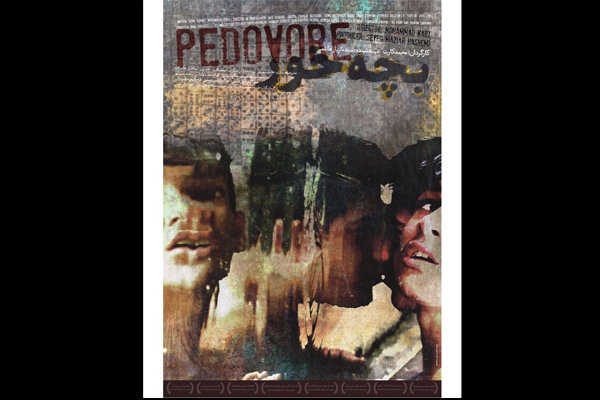
‘Pedovore’ is a social drama which zeros in on the issues of the youngsters dealing with problems like child labor, bad parenting or having no parents at all.
Iran has participated at the Academy Awards 24 times. Three times, the Iranian submissions had managed to make it into the final list of nominees and two times they won the Oscar (‘The Salesman’, ‘A Separation’.)
The 92nd Academy Awards ceremony is slated to be held on February 9, 2020 at the Dolby Theatre in Hollywood, Los Angeles, California.

Tuesday, August 13, 2019

Abyar’s ‘Night of the Full Moon’ rakes in Iran’s major cinematic awards

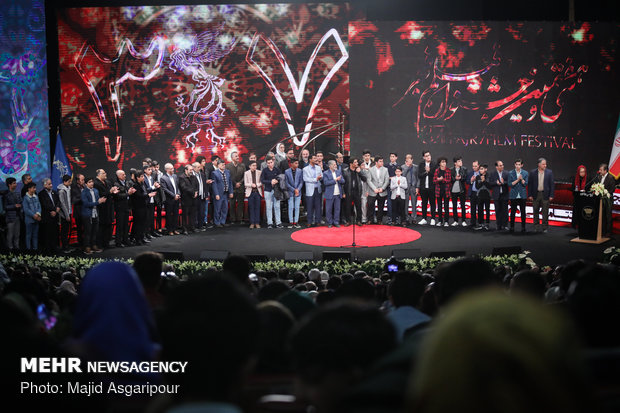
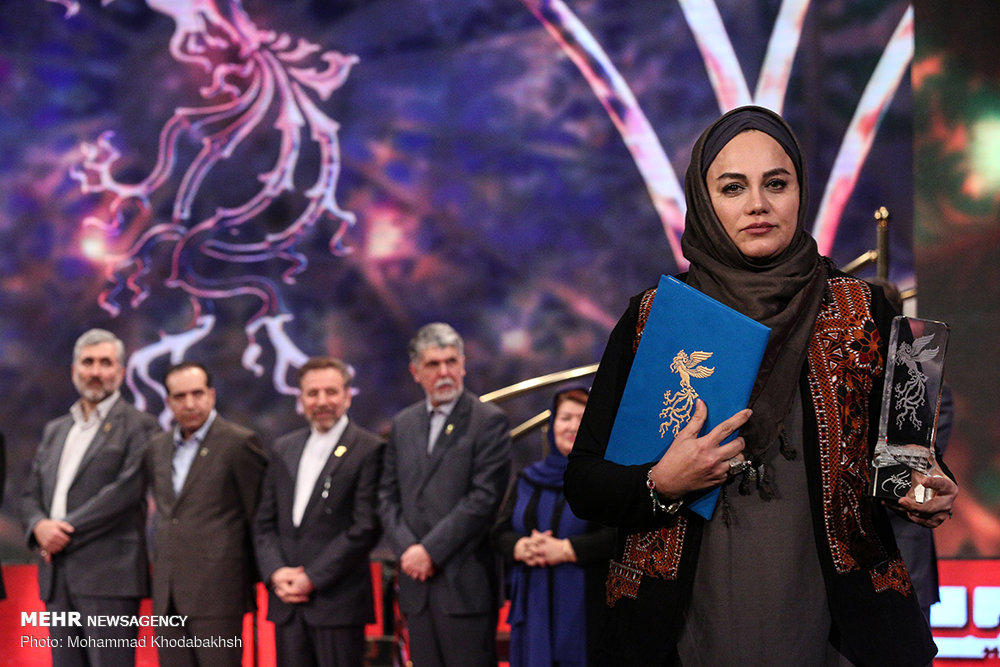
TEHRAN, (MNA) – The 37th Fajr Film Festival, Iran’s major cinematic event, named winners during a closing ceremony on Mon. evening, with Narges Abyar’s ‘Night of the Full Moon’ winning as many as six main awards.
Fajr Film Festival is the most important, most anticipated and longest-running cinematic event of Iran, which was founded in 1983 and is organized every year by Farabi Cinema Foundation under the supervision of the ministry of culture.
The festival this year, in its 37th run, had an interesting line-up, to say the least. From the director of fan-favorite ‘Life and A Day’, Saeed Roustayi – whose latest feature ‘6.5 Each Meter’ starring household names Payman Moadi and Navid Mohammadzadeh won the Audience Award – to ‘Midday Adventures’ sequel, ‘Trace of Blood’, and of course ‘Night of the Full Moon’, the latest film by the female director and screenwriter Narges Abyar, whose successful results with ‘Track 143’ and ‘Breath’ had already raised much expectations about her newest cinematic endeavor.
Last night’s award ceremony directed its spotlight on Abyar’s ‘Night of the Full Moon’ for the most part. The film won Best Director, Best Film, Best Actor (Houtan Shakiba), Best Actress (Elnaz Shakerdoust), Best Supporting Actress (Freshteh Sadr Erfaei), and Best Make-Up (Iman Omidvari) awards.
Narges Abyar, director of 'Night of the Full Moon'
The film narrates the true story of Abdul-Hamid Rigi, the younger brother of Abdul-Malik Rigi, the founder and leader of the Jundallah terrorist group in southeastern Iran, who marries Faezeh Mansuri, a woman from Tehran. He forces Faezeh to leave her homeland along with her brother to live in Pakistan where they find themselves involved in the Jundallah terrorist activities.
‘Midday Adventures: Trace of Blood’ directed by Mohammad Hossein Mahdavian, was the second most award-winning title of the festival, along with ‘6.5 Each Meter’ and ‘Maskhareh-baz’ (‘Doofus’). The sequel to ‘Midday Adventures’ won Best Special Effects (Iman Kariman), Best Costume Design (Mohammadreza Shojaee), and Best Sound Mixing (Mehrshad Malakouti).
‘6.5 Each Meter’ by Saeed Roustayi, meanwhile, won the Best Audience award. It also won the Best Sound Editing (Iraj Shahzadi), and Best Editing (Bahram Dehghani) awards.
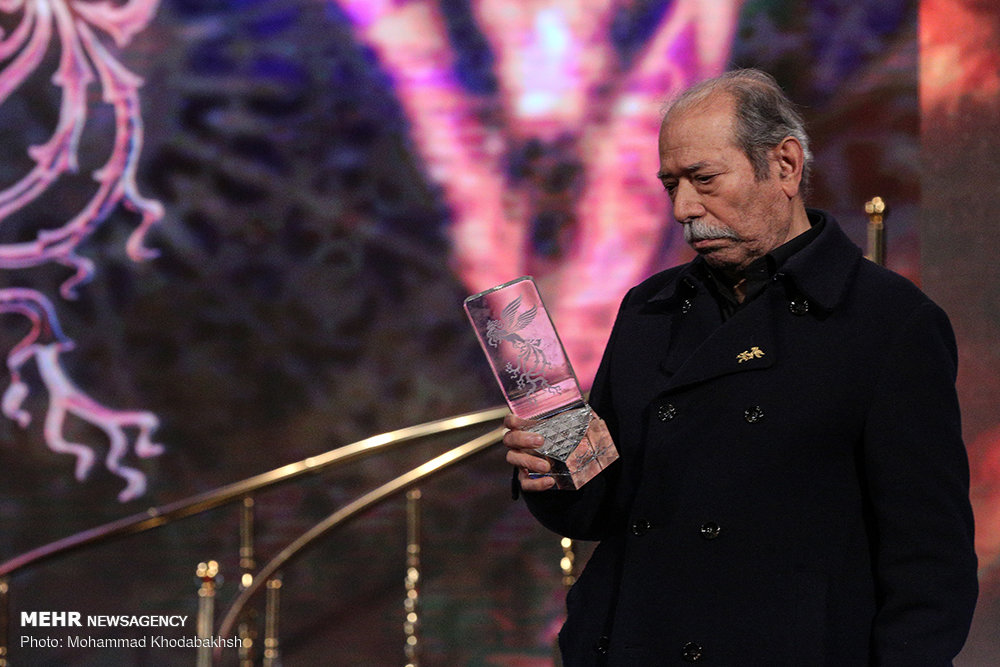
‘Maskhareh-baz’ by Amir Homayoun Ghanizadeh also won three awards for Best Visual Effects (Javad Motouri), Best Supporting Actor (Ali Nasirian), and Best Art and Best Experimental Film awards.
Ali Nasirian, holding the Crystal Simorgh for Best Supporting Actor in 'Maskhareh-baz'
Other winners of the 37th Fajr Film Festival include ‘Gholamreza Takhti’ by Ali Hatami and Behrouz Afkhami (Best Scenic Design and Best Cinematography), ‘Qasr-e Shirin’ by Reza Mirkarimi (Best Film Score and Best Script), ‘The Warden’ by Nima Javidi (Special Jury Award), ‘The Last Fiction’ by Ashkan Rahgozar (Best Animation), ‘Baharestan: House of Nation’ by Babak Behdad (Best Documentary) and ‘Pedovore’ by Mohammad Kart (Best Short Film Award).
‘Maskhareh-baz’ also won the best film award in the ‘New Vision’ section of the festival.
The 37th Fajr Film Festival ran from 1–11 February 2019 at a number of major venues in capital Tehran and some metropolitan cities across the country.

Thursday, June 27, 2019

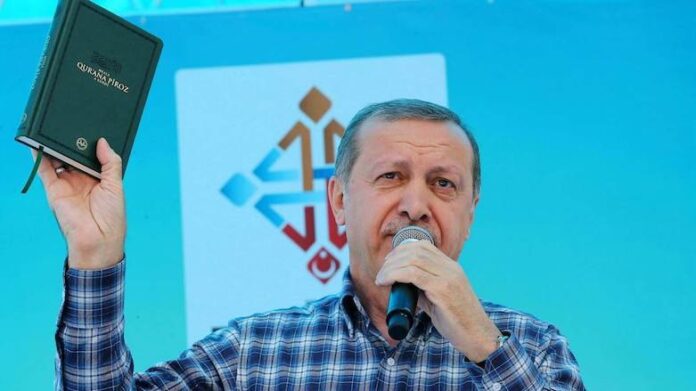
Majidi Thanks Erdogan for Screening ‘Muhammad’ in Turkey


By
 IFP Editorial Staff

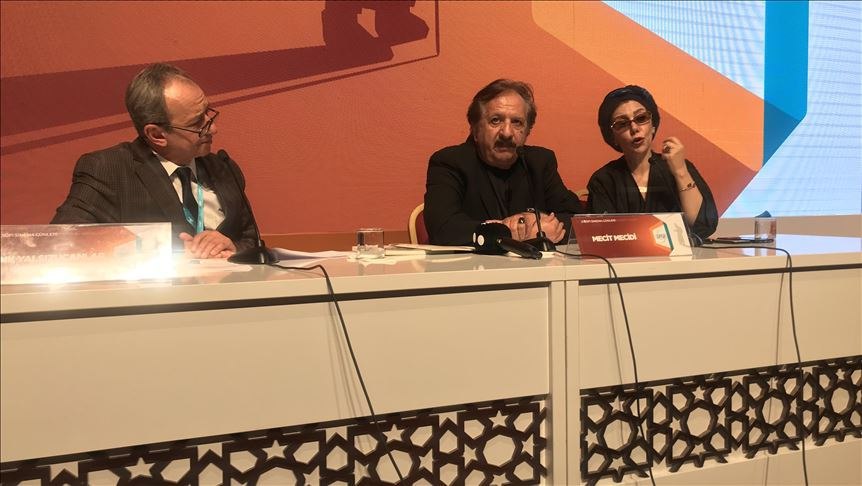
Acclaimed Iranian filmmaker Majid Majidi has expressed his gratitude to Turkish President Recep Tayyip Erdogan for allowing his film Muhammad: The Messenger of God to go on screens in Turkey.

The Iranian director said in a speech that certain lobby groups prevented the widespread release of Muhammad: The Messenger of God in the world, but “I would like to express my special thanks to the Turkish President because the feature was screened only in Turkey.”
Addressing the SufiSin film festival in the Turkish city of Konya, he expressed pleasure for being in the city of Rumi, saying that Iran’s literature and culture are influenced by Rumi’s teachings and thoughts.
“Cinema is an effective means to introduce Islam to the world, but unfortunately we have witnessed the presence of radical groups in this region in recent years that do not show the facts of Islam,” added Majidi.
He also emphasised some groups, such as ISIS, have defamed Islam, adding that they have nothing to do with real Islam, but unfortunately, in the West, the beautiful messages of this religion are not displayed.
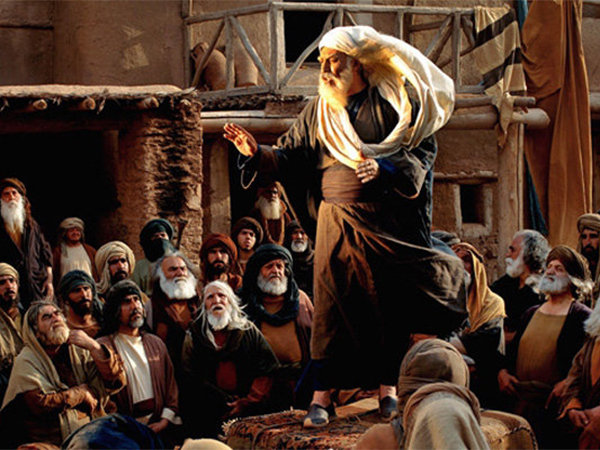
Muhammad: The Messenger of God is a 2015 Iranian Islamic epic film directed by Majidi. The film is set in the sixth century where the story revolves around the childhood of Prophet Muhammad (PBUH). The film marks the biggest-budget production in the Iranian cinema to date.
Majidi has won numerous international awards. In 1998, he directed Children of Heaven, which was nominated to receive the Academy Award for Best Foreign Language Film. Though it could not win the award, it became the first Iranian film to be nominated by the Academy.
Muhammad: the Messenger of God
He has directed several other feature films including The Colour of Paradise, The Song of Sparrows, Baran, and The Willow Tree.

Saturday, April 27, 2019

Fajr Intl. Film Festival gives you a cinema of all flavors

Fajr Intl. Film Festival gives you a cinema of all flavors
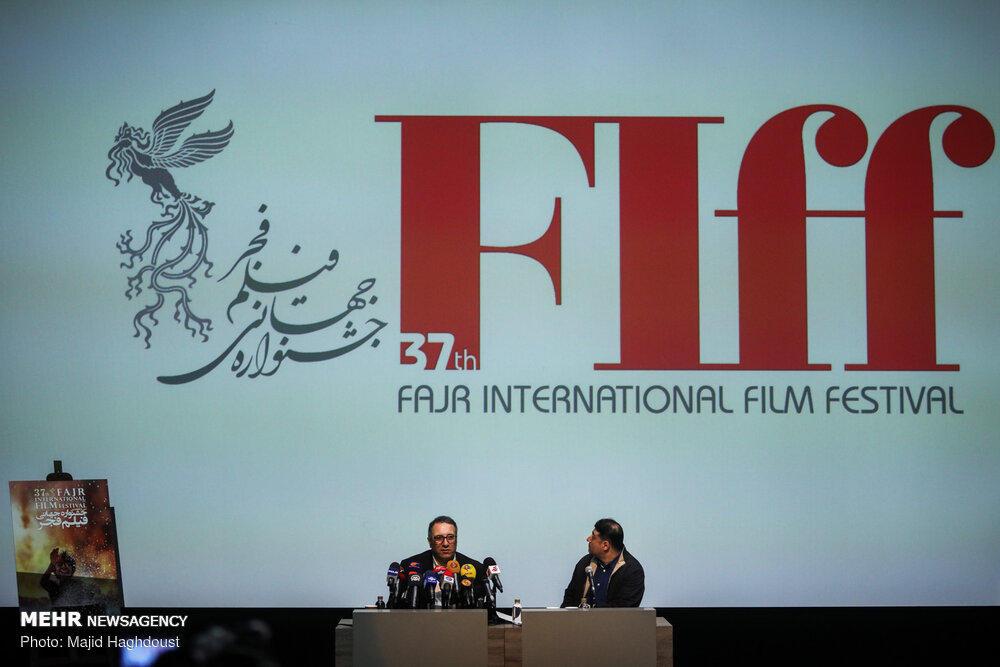
TEHRAN, Apr. 27 (MNA) – The 37th Fajr International Film Festival came to a close on Friday, after screening as many as 109 titles from 75 countries from near and far, offering the avid festival goers a cinematic concoction of all flavors.
After four years of having organized the international section of Fajr film festival as an independent event from its national section, one could now say with confidence that Tehran has come a long way in such a short span of time with its biggest international cinematic event and now is quite proud of it.
The Fajr International Film Festival has already proved its worth and credibility, establishing itself not just as a domestic venue for the Iranian festival goers who wish to experience a different kind of cinema, but also as a wider arena for hundreds of people around the world, who become guests for a two-week period to a diverse selection of movies from places that they have little to no exposure to. Fajr gives you a taste of high-quality, non-commercial movies from heterogeneous cultures, places that you have never been to, countries that you have had a stereotypical view on, or have been completely misinformed about. 
This year, the overall screening program, comprising 11 sections, had as many as 109 titles from 75 countries from near and far – distance or culture wise – from Russia, Turkey and China all the way to Egypt, Denmark and Argentina. The international competition section, called ‘Cinema Salvation’, included 15 feature films and 15 short films, with a jury panel of seven notable figures in the film industry.
Personally, I found this year’s lineup to have a more coherent structure compared to the previous edition; selected movies generally had solid executions, breath-taking cinematography, award-worthy acting, and most importantly, thought-provoking, smooth-flowing subject matters, which made them both ‘festival-worthy’ and ‘audience-friendly’.
Movies such as ‘Erased’, a Slovenian-Croatian-Serbian production directed by Miha Mazzini, or ‘Before the Frost’ by Danish filmmaker Michael Noer, kept the audience on the edge of their seats, breathless with anticipation, with their tense, solid unfolding of the events, at the same time as they painted a spectacular image of the sociocultural context of a particular period of time in a specific part of the world.
While Fajr is not a themed festival, more focused on diversity of representation instead, many movies in this year’s lineup shared a number of characteristics in common: children, adoption or future generations; environment; strong female characters; rejection of conventions and refusal to submit to a higher power; moving tales based on true stories, and characters with free, fighting spirits that didn’t give up, that kept looking for solutions in the face of challenges and dire situations.  
'Erased' directed by Miha Mazzini
My personal favorites in the International Competition section were ‘Erased’ and ‘Before the Frost’. ‘Erased’, the story of a Slovenian woman whose identity was erased, along with 26,000 others, in the wake of the country's independence from Yugoslavia in 1991. Refusing to be ‘invisible’, she did everything she could to get her identity, as well as her newborn baby, back, even going so far as to expose herself on national TV. ‘Erased’ was both informative of a historical incident that is possibly unknown to many people around the world, and it was at the same time a breathtaking story of a strong-willed character that kept pushing forward against a hostile tide.
‘Before the Frost’ directed by Michael Noer
‘Before the Frost’, a rural period piece taking place in a wretched part of backwoods Denmark, was noteworthy for its honest portrayal of an old father (played by Danish star Jesper Christensen) who would go to great lengths for the happiness of her daughter; yet, his own personal gains were not hidden from the watchful eyes of the viewer.
Still, the grand prix (Golden Simorgh for Best Film) went to ‘A Russian Youth’ by Alexander Zolotukhin; a unique take on the horrors of World War I from the viewpoint of a brave yet useless young boy, who keeps a steadfast grip on the falling world around him, even as he loses his sight and his hearing on the Eastern front.
‘A Russian Youth’ was supported by legendary director Alexander Sokurov’s own non-commercial film fund. Sokurov himself is no stranger to Fajr. He was a guest at the 34th FIFF, with his documentary ‘Francofonia’ (2015) in the screening program.
‘Before the Frost’ still managed to grab the Best Actor award for Jesper Christensen, who you might know from ‘Melancholia’ (Lars von Trier) or ‘Casino Royale’ (Martin Campbell).
The Best Script award went to Gernot Kraa and Oliver Haffner for ‘Wackersdorf’ from Germany; another wonderful tale about the environment, refusal to submit, and the power of public against the state wrapped neatly in a true story.
Martina Apostolova grabbed the festival’s Best Actress award for ‘Irina’ by Bulgarian director Nadejda Koseva; ‘Irina’ also features a strong female character that powers through the unpleasant surroundings of a small mining town. Her story is that of survival, as she needs to save her family from poverty by becoming a surrogate mother for money. 
Last year, the festival made headlines by hosting three-times Oscar winner, American director Oliver Stone, and legendary Italian actor Franco Nero. This time, the guest of honor was the renowned American screenwriter, director, and film critic Paul Schrader, who held a workshop on transcendental style in film, and attended a press conference at Charsou Cineplex on April 24. The legendary American filmmaker compared the atmosphere of Fajr with that of Toronto, Venice and Berlin, voicing surprise by the sheer size and dimensions of it. Talking about the Iranian cinema, he praised the works of the late Palme d'Or Abbas Kiarostami and two-time Oscar winner Asghar Farhadi, saying the Iranian natural cinema shows growth and it is full of sense of life. 
The 37th Fajr International Festival was presided over by 52-year-old award-winning director Reza Mirkarimi from April 18 to 26 in the Iranian capital Tehran. 

Thursday, April 25, 2019

Iranian cinema is true reflection of its society: Spanish producer Rosa Bosch

By Manijeh Rezapoor

Photo: Spanish film producer Rosa Bosch attends a panel discussion during the 37th Fajr International Film Festival at Tehran Charsu Cineplex on April 22, 2019. (Mehr/Majid Haqdust) 

TEHRAN – Rosa Bosch, the Spanish producer of Wim Wenders’ movie “Buena Vista Social Club”, says that Iranian cinema is an accurate reflection of Iranian society.
She is in Tehran to hold a workshop at the 37th Fajr International Film Festival, which comes to an end today.
“Iranian cinema is very true. It is a true reflection of the society and culture of the country. It is as if you have seen the films before, and now you see the sets,” Bosch told the Tehran Times.
“That means Iranian cinema is not artificial, it has a very big heart and it is really based on what happens in life and how life is,” she added with a smile on her kind face.
This is the first time Bosch is visiting Iran but she knows a lot about Iranian people and the history of their country.
She served as the deputy director of the London Film Festival from 1986 to 1997. “I think the festival was the first international event where films from Iran were shown,” she said.
“One thing about coming here is as if you have seen a lot of photographs of a house and you finally go into the house,” she said about her experience of being in Iran.
“For example, I take a taxi and then I see the images of Iranian cinema like what happens in Jafar Panahi’s film ‘Taxi’,” she added.
Working with Sheila Whitaker, the director of the London Film Festival who co-wrote the book “Life and Art”: The New Iranian Cinema” with writer and producer Rose Issa in 1999, encouraged Bosch to improve her knowledge of Iranian cinema.
“When I worked at the London Film Festival I never came to Iran because Sheila came, I was Sheila’s deputy then,” she mentioned. 
With her love of Japanese films and Italian cinema, Bosch called Iranian cinema part of her life as she knows a large number of Iranian cineastes, including Abbas Kiarostami, Jafar Panahi, Abolfazl Jalili, Niki Karimi and Fatemeh Motamed-Arya.
“I think all the festivals in the Middle East and the Arab world are in the process of change,” she said. “But really the only true festivals I think are the Fajr and Cairo festivals, and I think it is very important that these things continue.”
Bosch’s workshop was part of the programs arranged for the Fajr festival’s Talent Campus, a venue to discover gifted young students from across the world in various fields of cinema.
“I think it is great, it is an essential thing to have young people at Talent Campus where they have the opportunity to watch and learn. I think the workshops are wonderful,” she said.
“The world’s film figures and fantastic names like Luca Bigazzi and Silke Buhr were here, where the young people met, held talks and learned; this is essential,” she noted.
She praised Mexico, Iran, Denmark and several other countries for their unique films and said, “These four or five cultures have managed to make their own films and work internationally over the past 25 years, and that is a big achievement.”
Rosa also said that she likes both feature and documentary movies of Iranian cinema. She praised “Monir”, Iranian filmmaker Bahman Kiarostami’s documentary about late Monir Shahrudi Farmanfarmaian, a modern art pioneer in Iran who was famous for her mirror mosaics and geometric drawings.
Rosa said that she was going to meet Monir, who died of old age in Tehran last week. But anyway, she was able to visit her museum at the Negarestan Garden Museum of the University of Tehran.
Bosch held a panel discussion and a workshop and also attended a press conference during the festival, during which international festivals, distribution, some technical things about the festivals and the international aspects of filmmaking were discussed.

Wednesday, April 24, 2019

New Iranian Directors Make Unusual Films: American Critic

By
 IFP 

American film critic Deborah Young says the new generation of Iranian filmmakers are more adventurous than the previous ones, and make more unusual films.
Young, a senior film critic at Hollywood Reporter, has long been acquainted with the Iranian cinema and watches Iranian films at various international festivals.
This year, she is among the special guests at the 37th International Fajr Film Festival, which is underway in Tehran.
What follows is a brief interview with Young:
Q: You have always been a supporter of the Iranian cinema. You watch Iranian films at various festivals. What do you think of the Iranian films you watched last year?
A: I think it was a great year. Young filmmakers from the new generation have emerged that I have not been acquainted with before. Your cinema is in a state of transformation. I think great filmmakers like Abbas Kiarostami have opened the way for young people, young filmmakers and new topics. Filmmakers do not repeat the same themes in their films. New young directors make films that are unusual and unconventional, and their works are a bit complicated. But I think they have more modern and up-to-date feelings and expressions.
Q: After Abbas Kiarostami’s death, how do you evaluate the Iranian cinema in recent years? Do you think the Iranian cinema has entered a new phase?
A: The Iranian cinema in its current state is attractive. There is no clear gap between the present and the past few years. In general, film industry has strong roots in Iran. In the new generation of Iranian cinema there is something that I have not seen in other countries.
Q: Who is your favourite actor from the new generation?
A: Navid Mohammadzadeh.
Q: There are a lot of anti-Trump comments in Hollywood, and Trump has many opponents. What do you think?
A: I can say that 90% of Hollywood is anti-Trump. I do not know why. I mean, the cinema is clearly an art form, and it brings all the artistic forms of people with different points of view together. There are people who have an independent outlook and are not looking for money. So there is no connection between these people and Trump.

Fajr Festival Great Chance to Watch Oriental Films: Italian Director

Italian director, screenwriter and actor Italo Spinelli believes that the focus of cinema is moving from the West to the East, and Iran’s Fajr International Film Festival is the best place to watch Oriental movies.
Spinelli believes that the festival is dedicated to Asian films and serves as a link between the cinema of Italy and the cinema of Asia.
Here is an interview conducted with the renowned Italian filmmaker:
Q: Have you participated in Fajr Festival before?
A: Yes. I have come here many times since 2000. I come to Iran for Fajr and Verite festivals. Fajr is a great and interesting festival that gives me the opportunity to watch and pick Iranian films.
Q: You must have seen a lot of Iranian films. What is your opinion about the Iranian cinema?
A: I think your cinema is one of the best ones in the world. It has a long history and high quality. There are good directors here.
I can make a huge list of my favourite Iranian directors, especially the contemporary ones. There are many great names such as Asghar Farhadi, Abbas Kiarostami and the young director Reza Dormishian. Iranian director’s films are very wonderful and they are very talented. It’s difficult to name them all.
The 37th Fajr International Film Festival was opened in the Iranian capital Tehran on Wednesday, April 17. A showcase for audiences for more than three decades, the Festival is hosting over 250 international guests from 58 countries.
163 features and shorts from 64 countries are screened at this year’s festival. 60 students from Iran and abroad also attend this year’s workshops called Talent Campus.
Presided over by award-winning writer and director Seyyed Reza Mirkarimi, the 37th Fajr International Film Festival runs until April 26.

Tuesday, April 23, 2019

Iranian cinema captures reality of life: Italian cinematographer Luca Bigazzi

By Manijeh Rezapoor

TEHRAN – Italian cinematographer Luca Bigazzi has said that talking about the reality of life is one of the main characteristics of Iranian movies.
“Every time I see Iranian movies I have the feeling of reality. It is not fiction, it is reality with a real structure,” Bigazzi told the Tehran Times on Sunday during an interview at Tehran’s Charsu Cineplex, which is hosting the 37th Fajr International Film Festival.
Bigazz is attending the event and has held two workshops and one master class on cinematography at the festival on April 19, 20 and 21.
“Iranian cinema is about real life with a very personal view, and this is very, very important in cinema; it is actually one of the most important things in cinema, and this is a type of cinema I am greatly interested in,” he added.
Iranian cinema is exactly on the borderline between documentary and fiction cinema, said Bigazzi who worked with the legendary Iranian filmmaker Abbas Kiarostami in his 2010 film “Certified Copy” starring Juliette Binoche and British opera singer William Shimell.
“Collaboration with Abbas was a fantastic experience. He was a great director and every day he surprised us with new ideas and new perspectives. The movie was shot in Italy, but it was an international movie because he was not speaking about Italy or Iran, he was speaking about humanity,” he added. 
On his opinion about the Fajr festival, Bigazzi said, “This is one of my favorites, really, because I see some fantastic films by many directors not just Abbas but also many other good directors from Iran.”
Photo: Luca Bigazzi attends a press conference during the 37th Fajr International Film Festival at Tehran’s Charsu Cineplex on April 21, 2019. (FIFF/Farnaz Azizi)

Monday, April 22, 2019

I know Iranian cinema through Kiarostami films: German editor Hansjorg Weissbri

By Manijeh Rezapoor

TEHRAN – German film editor Hansjorg Weissbrich has said that he is familiar with Iranian cinema through films by legendary filmmaker Abbas Kiarostami’s movies.
Speaking to the Tehran Times in an email interview, Weissbrich, who is in Tehran to hold workshops at the 37th Fajr International Film Festival, said that he has also watched Asghar Farhadi’s “A Separation” and Mani Haqiqi’s “Pig” at the Berlin Film Festival.  
“I would love to know more about Iranian cinema than I currently do,” he added.
“A Separation” was named best film at the Berlin Film Festival in 2011, while, its cast ensemble received best actor and actress Silver Bears at the event. Haqiqi’s “Pig” was screened at the Berlin Film Festival in 2018.
Weissbrich will hold three workshops at the festival set for April 22, 23 and 24.
“In my workshops, I will address techniques of editing and storytelling by presenting some examples from films I have edited,” he said.
The editor has already collaborated with many world famous directors. He has won the award for best film editor at the 64th edition of the German Film Awards for George Maas’s thriller “Two Lives”. 
Weissbrich also said that he received the invitation from the Fajr organizers via the production company of German director Hans-Christian Schmid, with whom he has worked for more than 20 years.
“We have done all his feature films together since 1995, with ‘Distant Lights’, ‘Requiem’, ‘Storm’ and ‘Home for the Weekend’, all premiered at the Berlin Film Festival,” he said.
“I have also frequently worked with Oscar-winning director Florian Gallenberger, who was a guest of the Fajr festival two years ago,” he added.
Weissbrich has also collaborated with Gallenberger in his Oscar-winning short film “Quiero Ser” (“I Want to Be”), as well as his feature films “Shadows of Time”, “John Rabe” and “Colonia”.
Gallenberger’s latest film “As Green as It Gets” will be reviewed in a special program for German filmmakers at the Fajr festival this year.
The 37th Fajr International Film Festival opened in Tehran on April 18 and will be running until April 26.

Wednesday, April 17, 2019

Tehran begins playing host to over 100 films at 37th FIFF

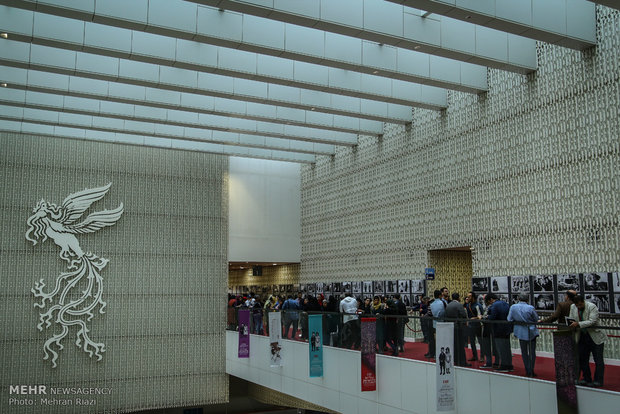
TEHRAN, Apr. 17 (MNA) – Curtains have raised on the 37th edition of Fajr International Film Festival in Tehran, inviting avid festival goers to its jam-packed screening program including 109 titles from 75 countries across the globe.
The 37th edition of Fajr International Film Festival opened at Felestin Cinema in downtown Tehran on Wednesday evening, with the screening of Ebrahim Hatamikia’s classic movie 'The Scout', originally released in 1990.
The movie, which is also included in the Classics Preserved section of this year’s cinematic event, is set during the 1980-1988 Iran-Iraq’s war, and tells the story of a young scout who joins the front-line to help his comrades single-handedly.
Last year, the festival’s curtain-raiser was Majid Majidi’s ‘Beyond the Clouds’ (2018); produced by Zee Studios and Namah Pictures, and starring Ishaan Khatter and Malavika Mohanan, Majidi’s India-set melodrama tells the story of a brother and sister who grew up in the slums of Mumbai. When Tara (Mohanan) is arrested on charges of attempted murder, her bond with her brother Amir (Khatter) is put to the test. AR Rahman composed the film score.
The 37th may be misleading. The Fajr has only started to grow comfortably into its own skin as an independent international event since 2016. Before that, the international section of Iran’s biggest cinematic event was a part of the national one, sorely overshadowed by the intimidating presence of Iranian productions that attract movie-goers like moths to a flame.
With 52-year-old award-winning director Reza Mirkarimi in charge, the Fajr International Film Festival has already made a name for itself among other longer-running festivals in the region, despite its fourth year of having been able to stand on its own feet. As many as 1,400 titles were submitted to this year’s secretariat, bespeaking the festival’s popularity among filmmakers across the globe. The line-up is neatly drawn for nine days of back-to-back screening of 109 titles from 75 countries from 11:30 in the morning to 22:15 for the last screening.
The international competition section, called ‘Cinema Salvation’, includes 30 foreign and Iranian feature and short films, from Russia, Denmark, China, Germany, Poland, India, Albania, Turkey, Argentina and many more countries whose cinematic trends are almost swallowed up by box-office darlings of Hollywood, as the largest and most profitable film industry in the world.
As such, Fajr film festival offers a breathing space for those high-quality productions from smaller film industries, many of which are either experiencing their global premiere, or are only screened at festival venues. Avid festival-goers may find joy and pride in the fact that they are among a lucky few who get the chance to watch a particular movie at Fajr.
The screening program, particularly for the competition sections, is focused on aesthetics and the message rather than entertainment; yet, the festival is not completely void of it. This year, a special section has been dedicated to contemporary comedies, including ‘How about Adolf?’ from Germany, or ‘Lajko – Gypsy in Space’ from Hungary. The 35th edition of FIFF had a special section for horror movies, with the screenings all scheduled for late in the evening. Needless to say, all show times were sold out.   
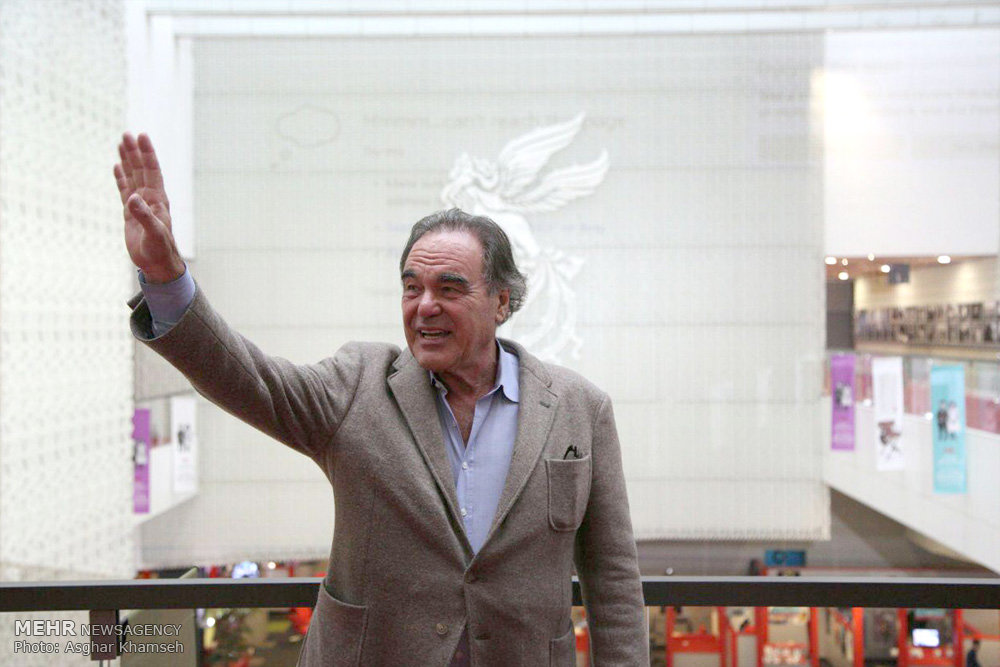
Fajr is by no means a red-carpet event. Yet, that does not mean that the event is averse to inviting A-listers. Last year, the festival made headlines by hosting three-times Oscar winner, American director Oliver Stone, and legendary Italian actor Franco Nero. This year, festival attendees will have the opportunity to catch renowned American screenwriter, director, and film critic Paul Schrader at his workshop on transcendental style in film during the festival time. Schrader is best known for his script about an obsessed New York City taxi driver in Martin Scorsese’s film Taxi Driver (1976) or Raging Bull (1980).
Oliver Stone, special guest of 36th FIFF in Tehran
Other special guests of the 37th FIFF include Italian cinematographer Luca Bigazzi, Dimitri Alips, international sales manager of Courant 3d Film Festival; Julie Bertucelli, who worked as assistant Director to a series of well-known directors including Krystof Kieslowski, Bertrand Tavernier, and Rithy Panh; Turkish writer and film critic Rıza Oylum, Romanian director and screenwriter Adina Pintilie, and Chinese producer and director Liu Xuan.
The sideline programs include 15 academic sessions and panel discussions with national and international university scholars and A-listers of the movie industry as key speakers, discussing the place of the Iranian cinema after the 1979 Revolution, and other cinema-related topics with the attendees. Many workshops will also be held on screenwriting, producing, directing, cinematography, editing and set design.
This year, all proceeds from tickets and sales of Fajr International Film Festival will be channeled to the national flood donation collection, according to FIFF Media and Communications manager.
The recent floods, which hit many provinces in Iran since March 19, have killed over 70 people, and caused damages to 438 urban houses and 87,000 village houses. The severity of the situation triggered widespread national and international humanitarian contributions.  
Kassirian, the FIFF Media and Communications manager, said in response to the country’s flood, and in collaboration with the Iranian Red Crescent Society, Fajr International Film Festival is extending a helping hand to fellow Iranians and families who are in dire need of help.
The Festival also plans to screen movies and teasers related to the works done by the Red Crescent Society and the difficulties its workers face during relief efforts and natural disasters. “The annual event is now being held as a donation drive and this will continue next year in collaboration with the Red Crescent Society,” he added.
The 37th Fajr International Film Festival, as Iran’s most anticipated international cinematic event, will roll out tomorrow at Charsu Cineplex and Felestin Cinema in downtown Tehran, and come to a close on April 26.
Last year, 'Aga' by Milko Lazarov, a co-production from Bulgaria, Germany, France, won the festival's grand prix. Winners of this year’s event will be announced during an award ceremony at Vahdat Hall on the last evening of the festival.

Monday, January 21, 2019

எ செபரேஷன்: ஒரு படம் 81 விருதுகள்

A Separation 


விவாகரத்து கோருகிறது அந்தத் தம்பதி.
“பிடிக்கலையா, குடிப்பாரா, கொடுமைப்படுத்துகிறாரா,நடத்தை சரியில்லையா?” என்று கேட்டால் “இல்லை..இல்லை.. ரொம்ப நல்லவர்! “ என்கிறாள் மனைவி. பின்னே எதற்கு வழக்கு?


“என் மகளுக்கு வெளிநாட்டில்தான் படிக்க வாய்ப்பு உள்ளது. அதனால் வெளிநாடு செல்லணும். இவர் தந்தையை விட்டு விட்டு வரத் தயாராக இல்லை. அவருக்கு அல்சைமர் நோய். இவர் மகன் என்று கூட இப்போது அடையாளம் தெரியாது. நான் மகளை அழைத்துப் போகணும். அதனால் விவாகரத்து வேண்டும்”

“அப்பாவை விட முடியாது. விவாகரத்து தருகிறேன். ஆனால் மகள் என்னுடன்தான் இருக்கணும்”

“11 வயது மகள் தந்தையிடம்தான் இருக்கணும். நீயும் குடும்பத்துடன் இரு!” என்கிறது நீதிமன்றம். கோபத்தில் உள்ளூரில் உள்ள அம்மா வீட்டுக்குப் போகிறாள் மனைவி. மகள் தந்தையுடனும் தாத்தாவுடன் தங்குகிறாள்.

பகல் பொழுதில் வயதான தந்தையைப் பார்த்துக்கொள்ள ஒரு பணிப்பெண் அமர்த்தப்படுகிறாள். அவள் கர்ப்பம் தரித்திருக்கிறாள். தன் சிறு மகளுடன் வேலைக்கு வருகிறாள்.


ஒரு முறை வயதானவருக்குச் சிறுநீர் கழிக்க உதவி செய்ய நேர்கிறது. மதம் பற்றிப் பயந்துகொண்டே செய்கிறாள். “அப்பாவிடம் சொல்ல மாட்டேன்” என்று ஆறுதல் சொல்கிறாள் அந்தச் சிறு மகள். தனக்குப் பதில் தன் கணவனை அந்தப் பணிக்கு அமர்த்த முயல்கிறாள். கடன் திருப்பிக்கொடுக்காததால் அவன் கைது செய்யப்பட்டுச் சிறையில் அடைபடுகிறான்.

இடையில் ஒரு மருத்துவ அவசரத்துக்கு அந்தப் பணிப்பெண் பெரியவரைப் படுக்கையில் கட்டிவிட்டு வெளியே சென்று வருவதற்குள் அவர் கீழே விழுந்து அடிபடுகிறார். இதைப் பார்த்த கதாநாயகன் அவளை வேலையை விட்டு விலக்கி வீட்டை விட்டு வெளியே பிடித்துத் தள்ளுகிறான்.


மறுநாள்தான் தெரிகிறது. அவளுக்குக் கருச்சிதைவு ஏற்பட்டு மருத்துவ மனையில் கிடக்கிறாள் என்று. தாய் வீட்டுக்குச் சென்ற மனைவியையும் கூட்டிக் கொண்டு அங்குச் செல்கிறான். “என் குழந்தையைக் கொன்று விட்டாய்!” என அந்தப் பணிப்பெண்ணின் கணவன் சண்டை போட்டு, வழக்கும் தொடுக்கிறான். அவள் கர்ப்பிணி என்பது தெரியாது என்றும் தான் தள்ளிவிட்டதில் அவளுக்குக் கருச்சிதைவு ஏற்படவில்லை என்றும் வாதிடுகிறான் கதாநாயகன்.

அப்பா பொய் சொல்கிறார் என்று தீவிர மன உளைச்சலுக்கு ஆளாகிறாள் மகள். மனைவியும் மீண்டும் இவனையே குறை கூறுகிறாள். குற்றம் நிரூபித்தால் அங்கு 3 வருடங்கள் சிறை. நோய்வாய்ப்பட்ட அப்பாவையும் பூப்பெய்தும் நிலையில் உள்ள மகளையும் ஆதரவின்றி விட முடியாது; அதனால்தான் பொய் சொல்கிறேன் என்கிறான்.

இடையில் மனைவி தரப்பு ஜாமீன் கொடுக்கவும், பணிப்பெண் கணவனுக்கு நஷ்ட ஈடு தரவும் முன்வருகிறது. நீதிதான் வேண்டும்; பணம் வேண்டாம் என்கிறான் அவள் கணவன். பணம் வாங்கினால் தன் குழந்தைக்கு ஏதாவது நேரும் என்று அஞ்சுகிறாள் அந்தப் பணிப்பெண். பணம் தருகிறேன். ஆனால் நான் தள்ளியதால்தான் கருச்சிதைவு என்று குரான் மீது சத்தியம் செய்யக் கேட்கிறான். மறுக்கிறாள் அவள். அல்சைமர் பெரியவர் தன்னை அறியாமல் சாலையைக் கடக்கும்போது அவரைக் காப்பாற்ற ஓடி வந்து ஒரு காரில் முட்டியதுதான் பாதிப்புக்குக் காரணம். முன் பகல் சம்பவத்தை அவள் யாருக்கும் சொல்லவில்லை.

அந்த வழக்கு ரத்தாகிறது. ஆனால் மீண்டும் விவாகரத்து வழக்கு எடுக்கப்படுகிறது. “நீ யாருடன் இருக்க ஆசைப்படுகிறாய்?” என்று நீதிபதி மகளைத் தனிமையில் கேட்கையில். பெற்றோர் வெளியே காத்திருக்கிறார்கள். படம் முடிகிறது.

அஸ்கர் ஃபராதி இயக்கிய இரானிய படம். 2011-ல் வெளியான படம். ஒரு ஆஸ்கர் விருதுடன் மொத்தம் 81 விருதுகளை உலகத் திரைப்பட விழாக்கள் அனைத்திலும் சேர்த்து அள்ளியது இந்தப் படம்.

ஒரு அடுக்கு மாடி குடியிருப்பில் வீடு, வழக்கு நடக்கும் ஒரு அறை, ஒரு மருத்துவமனை அறை,பணிப்பெண் வீடு, பள்ளியின் சாலை முகப்பு என மிகக் குறைவான படப்பிடிப்புத் தளங்கள். இசை,நடனம், பாடல், சண்டை, நகைச்சுவைக் காட்சிகள் எதுவும் கிடையாது. தொலைக்காட்சி படம் போல எல்லாம் அண்மைக் காட்சிகள்.

வேகம் வேகமாக ஓடும் காமரா கதை மாந்தர்களின் தவிப்பைப் பிரதிபலிக்கிறது. மொழி புரியாமல்,பாத்திரங்களின் உரையாடலை மொழிபெயர்ப்பு வாக்கியங்களாகப் பார்க்கிறோம் என்பதையும் மறந்து நம்மைக் கதைக்களத்துடன் கட்டிப்போடும் வித்தைதான் படத்தின் வெற்றி.


மகளின் வாழ்க்கைக்கு அக்கறைப்படும் நாயகி, தந்தையின் கடைசிக் காலத்தில் கடமை செய்ய நினைக்கும் நாயகன்,பெற்றோர்கள் இணைய விரும்பும் மகள், பொருளாதாரச் சுமைக்காக வேலைக்கு வரும் பணிப்பெண்,கருச்சிதைவுக்கு நீதி கேட்கும் அவள் கணவன், ‘என் அம்மா திருடலை’என்று அம்மாவுக்கு ஆதரவாக இருக்கும் பணிப்பெண்ணின் மகள்,நரம்பியல் நோயால் பாதிக்கப்பட்டு இந்த நாடகத்தின் மையப் பொருளாய் நின்றும் அதை அறியாத வயதான பெரியவர் என அனைவர் வாழ்வும் துயர் மிகுந்தவை.

ஆனால் அன்பும் நேர்மையும் மிக்கவர்கள். அடுத்தவர் துயர் துடைக்கவும் தயாராக இருக்கிறார்கள். இயலாமைகள் இருந்தும் இந்த மனிதாபிமானமும் நியாய உணர்வும்தான் இவர்களை வழி நடத்துகின்றன.

மனித வாழ்வின் ஒரு குறுக்கு வெட்டை இந்தப் படத்தில் காண முடிகிறது. அதனால்தான் உலகின் எந்த மொழி பேசும் மனிதனும் இந்தப் படைப்புடன் தொடர்பு கொள்ள முடிகிறது.

இந்தப் படம் ஒரு கனத்த அனுபவம். இது போன்ற எண்ணற்ற அனுபவங்கள் நம்மைச் சூழ்ந்த மனிதர்களின் கதைகளின் உள்ளன. வாழ்க்கையைப் படிக்க யத்தனிக்கும் போது நல்ல படைப்புகள் பிறக்கின்றன. இந்தத் திரைப்படத்தைப் போல!