Showing posts with label Iran’s oil exports. Show all posts

Thursday, June 13, 2019

Abe’s high-profile visit to Tehran

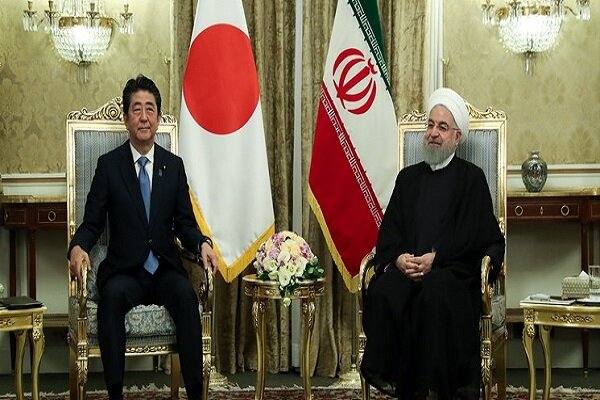
TEHRAN – Japanese Prime Minister Shinzo Abe visited Tehran on Wednesday afternoon for talks with top Iranian leaders.  
Abe was welcomed by Foreign Minister Mohammad Javad Zarif at Mehrabad Airport.
President Hassan Rouhani officially welcomed Prime Minister Abe at Sa'dabad Palace. After the welcome ceremony, which included a guard of honor and the playing of national anthems of the two countries, Rouhani and Abe started private talks.
It was planned that after the Rouhani-Abe talks, delegations from the two countries start a joint meeting.
The Japanese prime minister is scheduled to meet with Leader of the Islamic Revolution Ayatollah Ali Khamenei on Thursday morning.
The visit has been called historic.
Though no official statements have been made that during his talks with the Iranian leaders the Japanese prime minister will seek to act as a mediator to deescalate tension between Iran and the United States, it was highly expected that Abe use his country’s good ties with Tehran and Washington to ease the tension between Iran and the United States.
Japan was one of the eight countries that imported oil from Iran before the Trump administration ended sanctions waivers for Iran’s oil exports in April.
Amid escalating tensions between Tehran and Washington, the U.S. has sent military reinforcements, including the USS Abraham Lincoln aircraft carrier strike group, a squadron of B-52 bombers, and a battery of patriot missiles, to the Middle East, citing alleged unspecified “threats” from Iran.
Before his departure to Tehran, Abe said he wanted to have candid talks with the Iranian leadership to secure stability in the Middle East, in a high-stakes attempt to act as a mediator between Iran and the United States.
“There are concerns over rising tensions in the Middle East. While the situation attracts the attention of the international community, for peace and stability in the region, Japan wants to play a role as much as it can,” Kyodo News quoted him as telling reporters at Tokyo’s Haneda airport.
“To ease tensions, I’d like to have a frank exchange of views,” said Abe.
Talking to Zarif before Abe’s arrival to Tehran, Japanese Foreign Minister Taro Kono said, “We believe that in this important region a lesser tension will benefit all, otherwise we all lose.”
He added, “Japan is ready to do whatever that leads to reducing tension.”
“Rational approach”
Parliament speaker Ali Larijani said the visit to Tehran by the Japanese prime minister shows that Iran has a “rational approach” by trying to settle issues through dialogue.
“The presence of the prime minister of Japan in Iran is the product of Iran’s rational approach that follows issues through dialogue,” noted Larijani, a philosopher-turned politician who acted as Iran’s chief nuclear negotiator with the European Union when Javier Solana was the 28-nation bloc’s chief diplomat.
The senior MP said Iran holds talks on international and regional issues with “friends” and countries who show interest in dialogue. “Japan is one of those countries that over the past years has always had interaction and economic relations with the Islamic Republic of Iran.”
The parliament speaker also referred to German Foreign Minister Heiko Maas’s talks with Zarif and Rouhani on Monday and said Rouhani will attend the Shanghai Cooperation Organization summit in Bishkek on Thursday and Friday where he will hold talks with foreign officials including the presidents of Russia and China.
With an indirect reference to the Trump administration’s intensified sanctions pressure on Iran, Larijani said the visit by Abe shows that if “different parties” show seriousness and “act properly the issues would be resolved more easily”.
Foreign Minister Zarif praised the old relationship between Iran and Japan which enjoy 90 years of diplomatic relationship.
Talking to his Japanese counterpart, Zarif said Iran considers Japan as a “good friend and partner” which have political, economic and cultural ties with.

Saturday, April 27, 2019

‘U.S. sanctions doesn’t affect Iraq’s energy ties with Iran’

By Ebrahim Fallahi
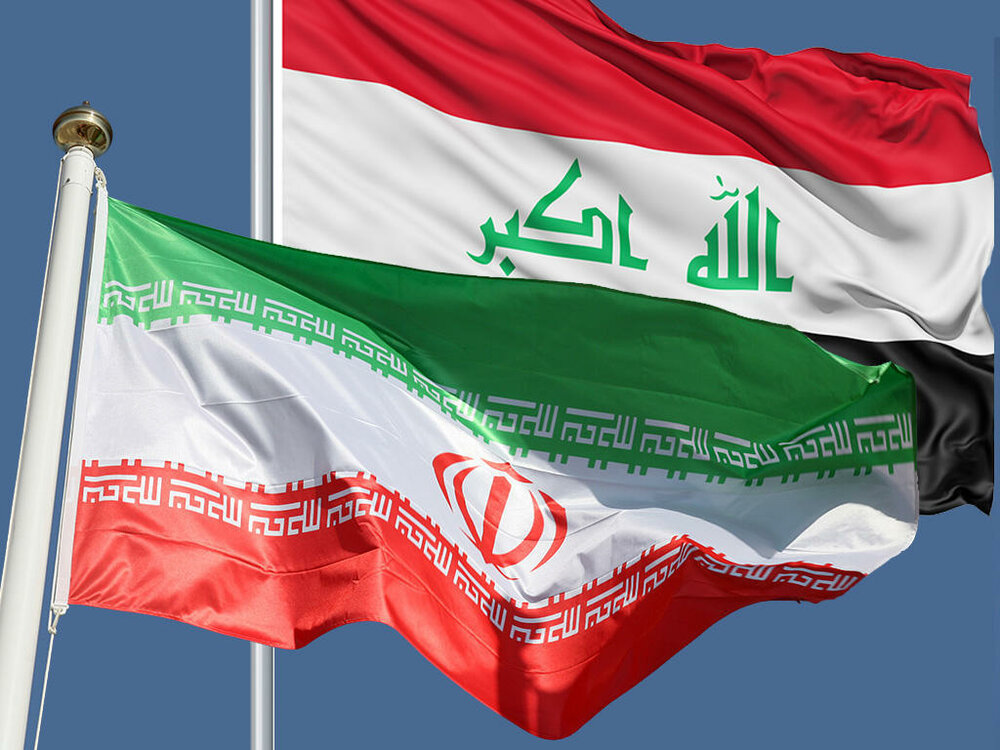
TEHRAN – Deputy prime minister of Iraq for energy affairs said the U.S. decision on ending waivers on Iran sanctions does not affect Iraq’s energy ties with Iran since the country does not import oil from Iran, IRNA reported on Friday.
Thamer Ghadhban, who is also the country’s oil minister, made the remarks in a joint press conference with Executive Director of the International Energy Agency Fatih Birol in Baghdad.
“Iraq is an exporter of crude oil to other countries and therefore is not subject to the new decision of the U.S. president” the official said. 
The oil minister said on Thursday that although his country had the capacity to increase its oil production to six million barrels per day (bpd) if necessary, but it is committed to OPEC-led output cuts and would not take unilateral action to boost supply.
Iraq’s electricity ministry has also announced that despite the recent decision by Donald Trump to end sanctions exemptions on Iran oil, Iraq will continue to import gas from Iran.
As reported by Mehr news agency, the spokesman of Iraqi Ministry of Electricity Musab Al-Mpdares told a talk show on Wednesday that “Iraq now imports about 28 million cubic feet of gas from Iran which feed a number of power stations that produce about 2,800 MW.”
The official further noted that his country plans to increase its gas imports from Iran to 35 million cubic feet per day as of early June in order to increase electricity production to 3,500 MW.
The spokesman also said that the Iraq ministry is going to supply 18,000 MW during hot summer as its main aim, adding that Iran will continue to export 1,200 MW per day to Iraq as before.
He further pointed out that Iran and Iraq use their local currencies to carry out the contract payments.
The United States on Monday demanded that buyers of Iranian oil stop purchases by May 1 or face sanctions, ending six months of waivers which allowed Iran’s eight biggest buyers, most of them in Asia, to continue importing limited volumes.
The White House said after its Iran move it was working with Saudi Arabia and the United Arab Emirates to ensure oil markets were “adequately supplied” but traders worried about tight supplies.

Wednesday, April 24, 2019

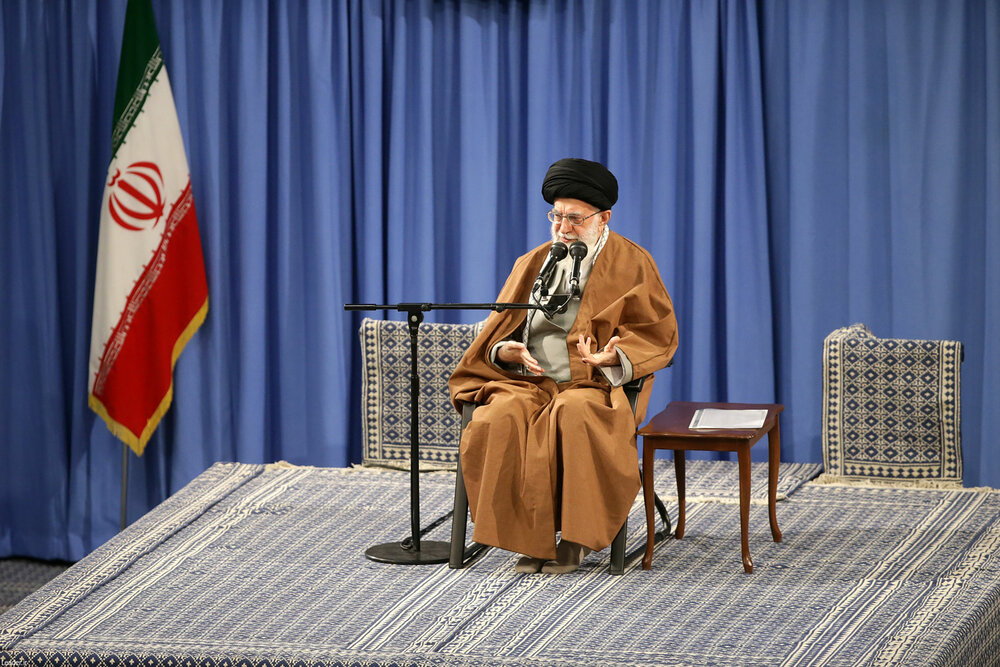
Ayatollah Khamenei says Iran to export oil as much as it needs

Leader of the Islamic Revolution Ayatollah Seyyed Ali Khamenei says the U.S. administration’s hostile attempts to block Iran’s oil sales will lead nowhere, and that the country will export “as much crude as it needs and wishes” in defiance of American sanctions.
Speaking at a meeting with a large group of Iranian workers on Wednesday, Leader played down Washington’s recent decision to end exemptions from sanctions for countries buying oil from Tehran.
“In the first place, such attempts will lead nowhere, and we are capable of exporting as much oil as we need and want,” Ayatollah Khamenei said.
The Leader warned that “this act of hostility will not go unanswered,” emphasizing that the Iranian nation “will not sit idly by” in the face of its enemies.
Ayatollah Khamenei further said the enemies have recurrently failed in their attempts to bring the Iranian nation to its knees.
They are now resorting to economic pressure to achieve that end, but will once again fail to do so, the Leader added.
“They (enemies) imagine they’ve blocked [our] way, but our vigorous nation and vigilant authorities will overcome the dead-ends if they put their efforts into this,” the Leader added.
Ayatollah Khamenei, however, called for collective efforts to reduce domestic dependence on oil.
The Leader said American and Israeli officials claim that they are the enemies of the Iranian government and not of the Iranian people, “however, enmity with the Islamic Republic is enmity with the Iranian nation because the Islamic Republic is standing thanks to the support of the people.”
Ayatollah Khamenei said that although the US sanctions against Iran have caused problems, they would benefit the country if “correctly and logically” dealt with.
“Sanctions lead to reliance on domestic power, capacity, and initiatives,” he said.
The Leader said Iran appreciated a lower reliance on oil sales and considered it as “a kind of opportunity” to focus more on its domestic capabilities.
Ayatollah Khamenei said that the recent measures against Iran were the enemies’ “last breaths of enmity” and that they would “ultimately grow tired of hostility toward the Iranian nation.”
The administration of US President Donald Trump has said it seeks to stop Iranian oil sales by imposing sanctions on countries that continue purchasing Iranian crude after May 1.
In May last year, Washington unilaterally withdrew from a multilateral deal with Iran that mainly guarantees Iran’s oil sales in return for a number of concessions by Iran and the lifting of US sanctions on the country.
Tehran and the other parties to the deal, including European countries, have remained in the deal.
Previously, the US had issued waivers to its sanctions for eight major buyers of Iranian crude.