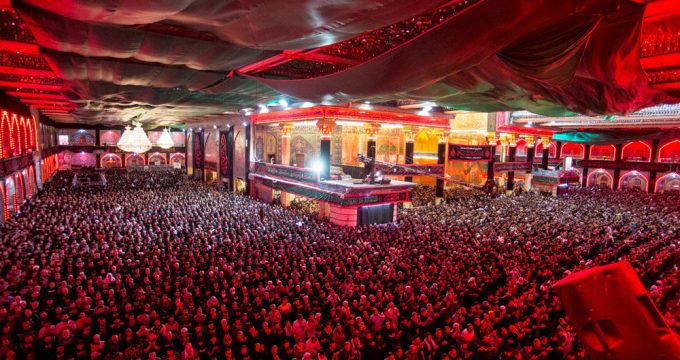
A collaborative effort by writer Saarah Bokhari and photographer Ayaz Ali, Arbaeen: A Lens into a Sacred Journey is a first-hand glimpse into the World’s Largest Peaceful gathering, through intricate photographic documentation and poetic expressions on the theme of divine love. The book provides an insight into the life-defining stages of the journey undertaken by the millions of pilgrims on foot towards Karbala. The endeavoured purpose of this work is to encourage further journalistic coverage of Arbaeen and its unification of divine love and service to humanity in action.
Saarah studied her MSc in Global Politics and Religion at the London School of Economics and University of Oxford. Ayaz is a photographer focusing on documenting major events and humanitarian stories, as well as specializing in travel and landscape photography.
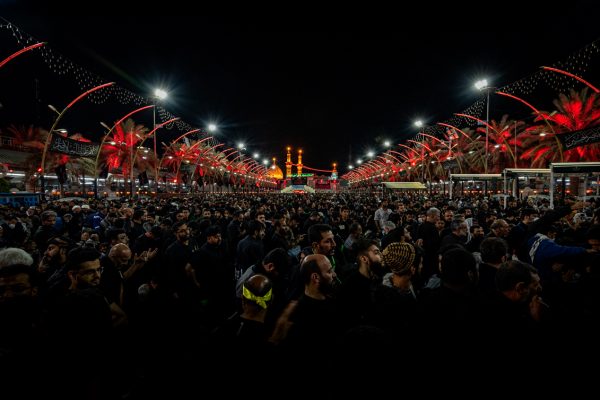
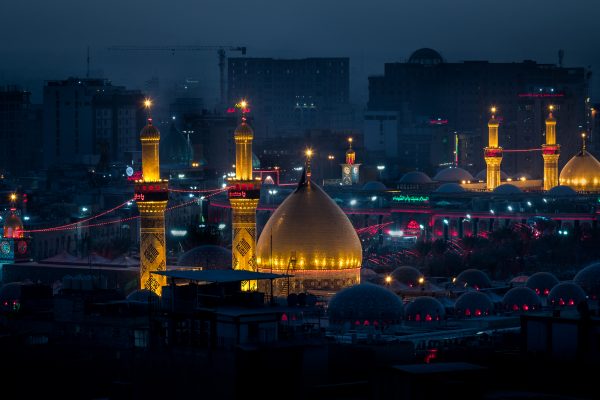
The year 2003: Saddam falls. A momentum gathers concurrently along the central southern cities of Iraq. A suppressed nation, banned from walking to the city of Karbala due to the fear of being detained and persecuted by the regime. They are now free to make their way for the first time in three decades. Ironically, this annual peaceful march and pilgrimage to the shrine of Hussain, the grandson of Prophet Muhammad, in the midst of ongoing conflict, is now considered the World’s Largest Peaceful Gathering. Up to twenty-five million people march towards Karbala on the occasion of Arbaeen, to mark the fortieth day after the brutal martyrdom of Hussain at the hands of the Caliph Yazid on the Day of Ashura, in 680 CE.
Photograph: Ayaz Ali via Perspective Photography
I joined this peaceful march in 2012 and have returned every year since. As a student of Global Politics at the time, the vastness of the pilgrimage with its post-war implications, combined with the spiritual reflections which accompanied it enthralled me. Hailing from a world inherently consumed by materialism, the magnanimous displays of generosity by the Iraqi people, despite facing the extremities of war, made the Arbaeen of Hussain extraordinary. It was far from the images I had seen of Iraq plastered on the news. Women, children, men, youth, the elderly, the displaced, the affluent and the destitute, all inspired by the personalities martyred in the battle of Karbala, walk together in a unison indiscriminate of race, colour, or creed, purely for the love of Hussain.
Photograph: Ayaz Ali via Perspective Photography
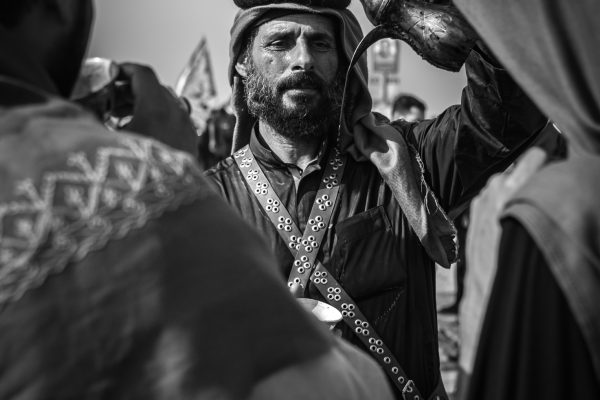
It is a world away from all that is familiar. Theatrical plays, recitations, lamentations reminiscent of the martyrs of Karbala enliven your voyage. Each provokes a train of thought as you reflect on the history behind this momentous march. We walk in the footsteps of Hussain’s remaining family members, as they return to Karbala after being released as prisoners of war from the seat of Yazid’s caliphate in modern-day Syria. We reflect upon their arduous journeys since they were exiled from their home in Medina. They have endured deathly thirst when banned from attaining water in Karbala’s desert heat, witnessed the brutal massacre of their loved ones, held captive and tortured. Yet, they stand victorious with their heads held high. For the spirit of divine love had not been severed from Islam in the way that Yazid had hoped. The continued outpouring of love for Hussain on Arbaeen stands as a witness to the victory of his timeless stance.
Photograph: Ayaz Ali via Perspective Photography
In each passing year, Arbaeen never failed to revitalise my faith in its spirit of selfless humanity. Weeks ahead, pilgrims from more than forty countries set up tents, mawkebs, to serve the lovers of Hussain as they proceed to trek through the desert roads en route Karbala. Throughout the eighty-kilometre route between the cities of Najaf and Karbala, luscious spreads of food, shelter and all needs are catered for free, including medical healthcare and massages carried out by altruistic volunteers of all ages. Dates, meat dishes, falafel, freshly made naan bread, the famous Abu Ali tea. As you walk through a vibrant food festival, people stand on the side of the road longing to serve you in any capacity. They seek nothing in return. This is all an ode to Hussain’s legacy of selfless divine love. To uphold and mirror his legacy, his lovers emulate his generosity of heart by fulfilling acts of selfless humanitarian service and demonstrations of love in his name.
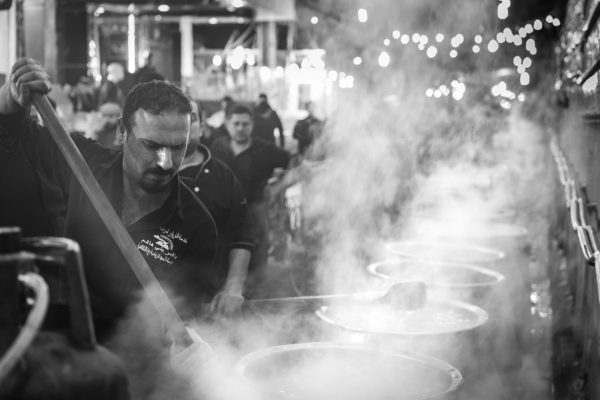
Photograph: Ayaz Ali via Perspective Photography
It’s empowering, unbelievably empowering, to stand in solidarity with millions of people from all walks of life in a land that has witnessed so much subjugation, and to be able to take a unified stance for the ardently desired peace. This message of peace so perfectly resonates with the collective energy within Hussain’s shrine on the night of Arbaeen. It is the manifestation of deep-rooted love, shared by millions. The power of this collective movement is deeply ironic: Hussain turned a situation of isolation, persecution and loss, into a situation where today he has the largest number of visitors in his death than any human being, ever to live. Hussain turned a situation that shatters the heart of one who comes to know of him, into a lesson which inspires millions to emulate his character. His demonstration of mercy in the face of repression and hardship has led him to stand as an everlasting inspiration. For this reason, his name is honoured by people of faith and no faith alike, and generations of humanitarian leaders have aspired to his moral stances.
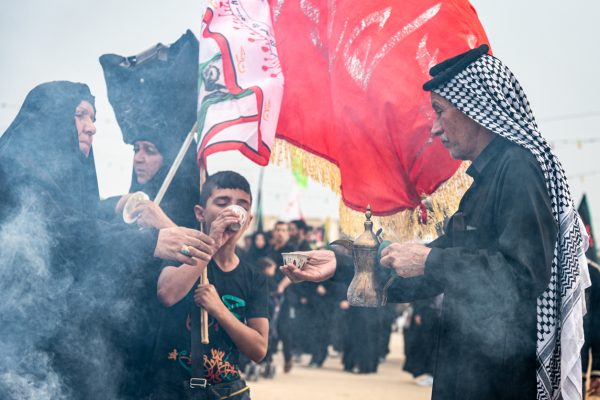
Photograph: Ayaz Ali via Perspective Photography
Yet, it is a heart-wrenching reality, that the lovers of Hussain are often targeted by heinous acts of terrorism at this time of the year. Knowing this, the pilgrims continue to peacefully walk to Karbala in order to uphold Hussain’s beautiful legacy, which evocatively ties in with protesting against the injustices of the time. After all, as Hussain demonstrated – his spirit of pure, selfless love always wins.