
By Syeda Farheen Naqi Mossavi
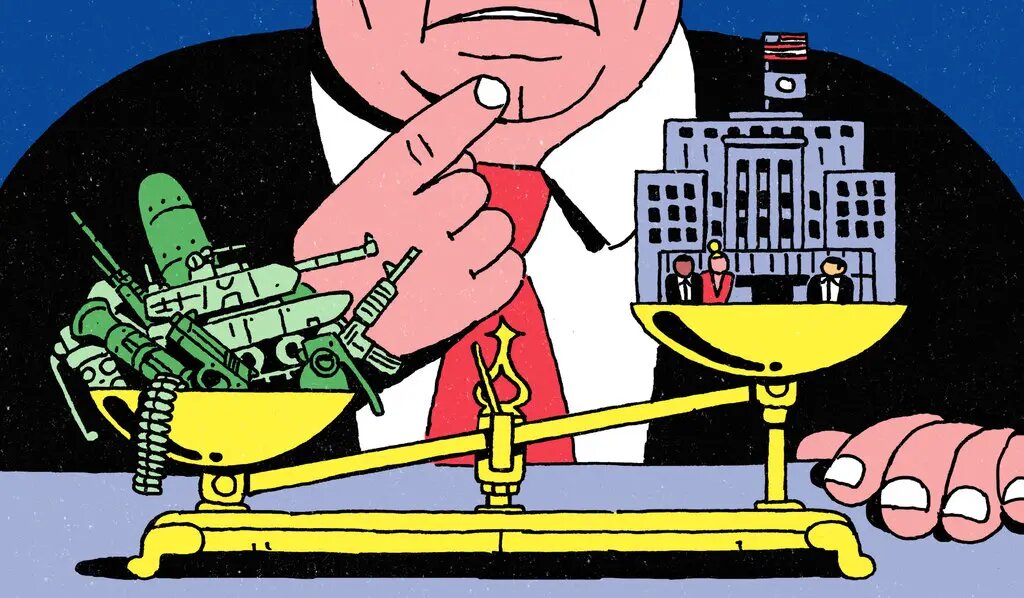
HAFIZABAD, Pakistan – For decades, American presidents, despite their differences, avoided a direct war with Iran. They understood that another conflict in the Middle East could drain resources, deepen instability, and pull the United States into a crisis with no clear end. They said no. But Donald Trump said yes.
This confrontation was never truly about America’s national interest. Washington stepped into a conflict that served the strategic goals of Israel far more than those of the American people. While American taxpayers carried the financial burden and American forces faced the risks, the promised benefits for the United States remained difficult to see.
War is easy to start. Peace is much harder to build.
At a time when diplomacy still had a chance, military action pushed negotiations into the background. Opportunities for dialogue were replaced by rising tensions, uncertainty in global markets, and fears of a wider regional conflict. Every missile launched carried not only a military cost but also an economic and political price.
Critics of this policy argue that America gained nothing while paying heavily. The conflict added pressure to government spending, increased instability across the region, and damaged Washington’s image as a force for diplomacy. Strategic influence is not measured only by military strength. It is also measured by trust, credibility, and the ability to bring rivals to the negotiating table.
Iran, despite years of sanctions and pressure, remained standing. The expectation that force alone would deliver quick political results proved far more complicated than many predicted.
History often asks a simple question: who benefited, and who paid the price?
Those who oppose this war believe the answer is clear. America spent money, political capital, and international goodwill. The region became more tense. The path to negotiations became narrower. And ordinary people, on all sides, bore the consequences.
The lesson is not that peace is easy. The lesson is that diplomacy should never be abandoned before every possible door has been tried. Nations become stronger through wise decisions, not endless wars. The future of the Middle East will be built at negotiating tables, not on battlefields.
The real question is not who fired first or who fired more. The real question is: what did America gain?
Thousands of miles from home, billions of dollars spent, another generation pulled into a conflict that was never a direct threat to the American people. While Washington carried the cost, the direct impacts of this war-driven inflation on the U.S. economy include: surging pump prices, while others pursued their own strategic goals.
For years, U.S. presidents looked at the prospect of war with Iran but stepped back from the edge. They understood that starting a war is easy, but living with its consequences is not. Trump chose a different path.
History is rarely kind to wars that lack a clear purpose. It remembers the promises made before the first strike and compares them with the reality that follows.
If the goal was peace, the region is more tense. If the goal was stability, uncertainty has grown. If the goal was to strengthen America, many would argue that the opposite happened.
In the end, nations are not judged by the wars they start, but by the wisdom they show in avoiding them.
And when future generations ask who benefited from this confrontation and who paid the price, the answer may be far more uncomfortable than the slogans that sold it.
Years from now, people may forget the speeches, the press conferences, and the promises. What they will remember is a simple reality: A nation under sanctions, pressure, and constant threats remained standing.
Supporters of Iran argue that while the so-called superpower displayed its military might, Iran displayed something stronger: endurance.
America spent money. America spent political capital. America risked its standing in the world. Yet the outcome remains a subject of debate. Iran, meanwhile, survived the pressure and continued to stand on its feet.
The battlefield may produce explosions, but history delivers the final judgment.
In the eyes of those who support Iran, this was never a story about who had more weapons. It was a story about who could withstand the storm.
One side entered the confrontation believing power alone could shape the future. The other endured the pressure and refused to disappear.
If a superpower uses all its strength and still cannot break the will of its opponent, then the meaning of victory becomes a question worth asking.
The final chapter has not been written. But one thing is certain: Iran remains standing, and that fact alone speaks louder than a thousand political speeches.

No comments:
Post a Comment