
By Sondoss Al Asaad
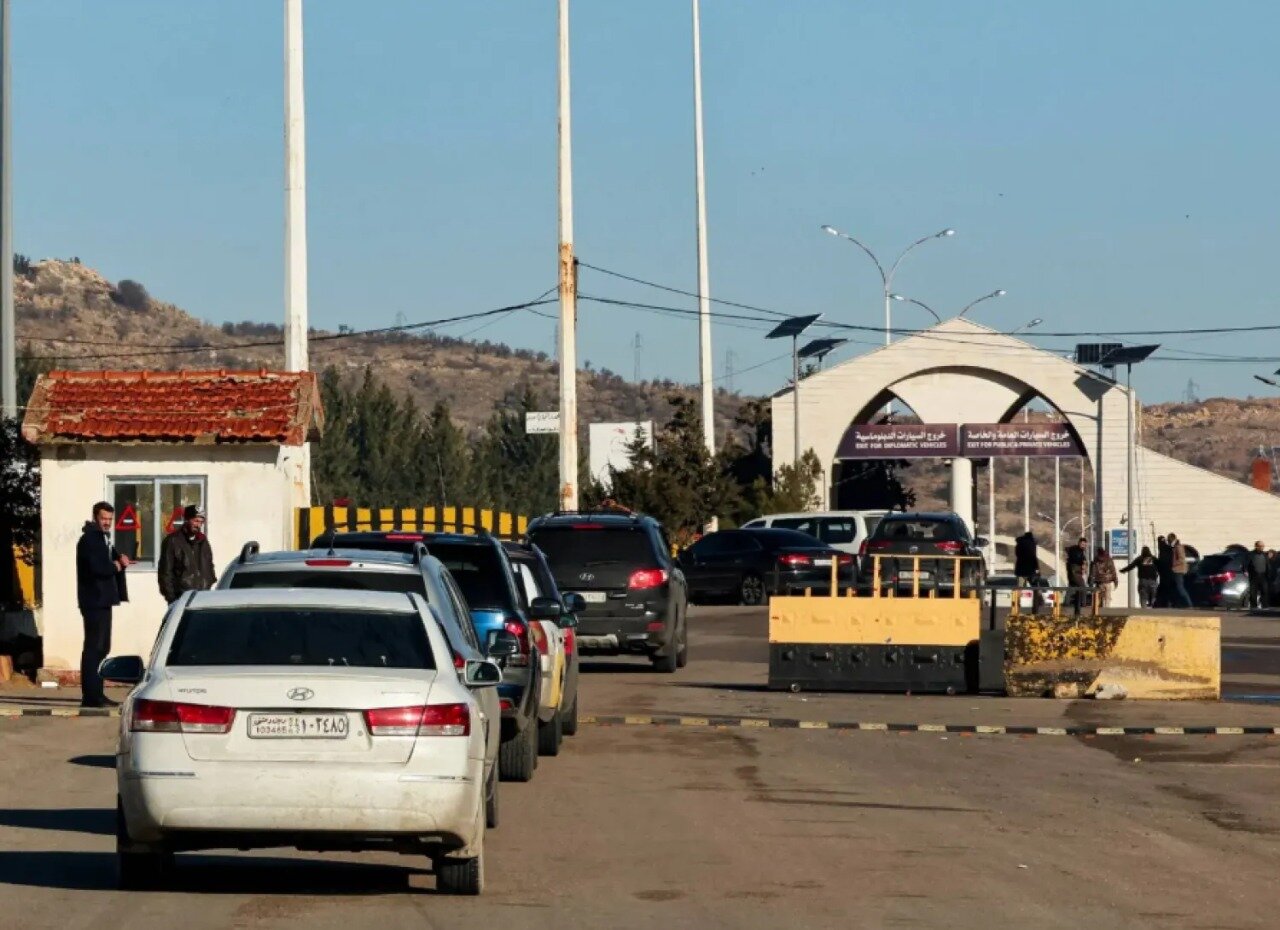
BEIRUT — The fall of Bashar al-Assad’s government did not bring an end to smuggling between Syria and Lebanon. Instead, it transformed its logic, scale, and actors.
What was once a highly organized, protection-based system tied to entrenched security networks has gradually morphed into a fragmented, semi-individualized activity shaped by price arbitrage, institutional uncertainty, and weak border governance on both sides.
Fuel smuggling offers a particularly revealing case; in the immediate aftermath of government collapse, the disparity between fuel prices in Lebanon and Syria created powerful incentives.
At one point, gasoline prices in Syria reached more than double those in Lebanon, allowing smugglers to secure profits exceeding 100 percent almost instantly.
This dynamic thrived amid security disarray, porous borders, and the temporary absence of a coherent enforcement apparatus. However, as sanctions were partially eased on the new Syrian authorities and fuel availability improved domestically, these incentives sharply declined.
Today, the price difference between the two countries is marginal, eroding the profitability that once sustained large-scale smuggling operations.
This economic convergence has fundamentally altered smuggling practices. Large tanker-based operations—previously viable due to political cover, bribery networks, and predictable security hierarchies—have become increasingly risky.
In their place, small-scale fuel transport using jerrycans has proliferated. These activities no longer require sophisticated coordination or institutional protection; familiarity with unmonitored rural routes often suffices.
Ironically, the very weakness of the de facto government —characterized by rapidly changing security units and unclear chains of command—has made bribery less effective and predictability harder for smugglers to manage.
Yet the persistence of smuggling is no longer driven by scarcity alone. Interviews with smugglers and consumers indicate declining demand for Lebanese fuel inside Syria, due both to improved availability and to deteriorating quality.
Fuel adulteration, contamination, and profit-driven dilution have damaged trust in smuggled gasoline, undermining one of its former competitive advantages. The result is a shrinking informal market sustained more by habit and opportunity than necessity.
Parallel to these developments, Syria’s de facto authorities have moved decisively to reassert sovereignty over commercial transit.
The recent decision to restrict non-Syrian trucks from entering Syrian territory—with the exception of regulated transit vehicles—signals a broader strategy to reclaim control over borders, logistics, and customs revenue. While framed as a technical regulatory measure, the decision carries significant political and economic implications, particularly for Lebanon.
Lebanese transport unions have criticized the move as unilateral and harmful, warning of disruptions to perishable goods, increased costs, and asymmetric treatment given the continued access of Syrian trucks to Lebanese territory.
Others within Lebanon’s logistics sector, however, acknowledge that the decision reflects a vacuum created by the Lebanese state's inaction—specifically the failure to establish joint coordination mechanisms in line with Arab transit agreements.
Beyond fuel and freight, recent judicial cooperation agreements—most notably the transfer of convicted Syrian prisoners from Lebanon to Syria—underscore the emerging contours of bilateral relations in the post-Assad era.
These agreements suggest a pragmatic recalibration: sovereignty, reciprocity, and institutional rebuilding have replaced the personalized, security-driven arrangements of the past.
Ultimately, the Lebanese–Syrian border today reflects neither normalization nor collapse, but transition. Smuggling persists not because states are absent, but because they are incomplete.
As Syria’s de facto authorities consolidate power and Lebanon continues to struggle with governance paralysis, the border remains a contested space—where economics, security, and sovereignty intersect, and where informal practices endure until formal structures prove capable of replacing them.

No comments:
Post a Comment