
By Maryam Qarehgozlou

This transformation has not been rhetorical or symbolic; it is documented through enrollment data, workforce statistics, specialty distribution, academic output, and population-level health outcomes.
The post-1979 period marks a decisive shift in both the scale and depth of women’s involvement in Iran’s medical sector.
At the time of the 1979 Islamic Revolution, women constituted a small minority of Iran’s medical workforce.
Estimates indicate that only a few hundred female physicians were actively practicing nationwide, and their presence was largely confined to limited fields.
In high-stakes and procedure-intensive specialties—such as surgery, obstetrics subspecialties, and advanced clinical fellowships—the number of women was negligible.
Certain fields had no female practitioners at all.
Over the following four decades, this landscape changed fundamentally.
Quantitative data show not only a dramatic rise in the number of women entering medicine, but also their systematic integration into specialized care, academic medicine, and health governance.
Expansion of the female medical workforce
At the outset of the post-revolutionary period, the number of female physicians in Iran stood at approximately 3,500.
By 2015, that figure had risen to around 60,000, an increase of nearly fiftyfold.
This growth was not confined to general practice. Women progressively entered residency programs, subspecialty training, and fellowship pathways that had previously been male-dominated.
Today, women account for roughly half of all medical residents in Iran.
Approximately 40 percent of medical specialists are women, and around 27 percent of subspecialists are female—a notable development considering that prior to 1979, there were effectively no female subspecialists in the country.
These figures reflect a structural shift rather than a demographic anomaly.
The data indicate that women have become a permanent and indispensable component of Iran’s skilled medical workforce.
Peer-reviewed research supports this conclusion.
According to a paper titled "Health Care and Medical Education to Promote Women’s Health in Iran: Four Decades of Efforts, Challenges, and Recommendations" (published and indexed on NCBI PubMed), the number of female medical specialists increased by 933 percent between 1979 and 2015, compared with a 332 percent increase in the total specialist population during the same period.
Even more strikingly, the number of female medical subspecialists grew by more than 1,700 percent—from 57 individuals to over 1,000 in recent years.
Concentration in core and critical medical fields
The growth of women in medicine has been particularly pronounced in specialties central to public health delivery.
Fields such as obstetrics and gynecology, pediatrics, dermatology, and primary care have seen the highest concentration of female practitioners.
These areas play a critical role in preventive care, maternal and child health, and early intervention—domains where sustained patient engagement and continuity of care are essential.
Importantly, the expansion has not remained limited to traditionally gender-associated fields.
Over time, women have entered high-intensity surgical and interventional specialties, including urology and neurosurgery, establishing professional precedents where none had previously existed.
Health outcomes and population-level indicators
The increased presence of women in Iran’s health system coincides with measurable improvements in national health indicators, particularly those related to women and children.
While causality is multi-factorial, the alignment between workforce changes and outcomes is notable.
A comprehensive longitudinal study published on PubMed reports the following trends since 1979:
Life expectancy among Iranian women increased by approximately 29 percent.
Adult female mortality declined by 78 percent.
Maternal mortality fell by roughly 80 percent, a key indicator of healthcare system effectiveness, especially in obstetric and emergency care.
These improvements align with one of the core objectives of public health policy: reducing preventable deaths and improving maternal and neonatal outcomes.
The growing availability of trained female physicians—particularly in reproductive health and obstetric care—has likely contributed to improved access, earlier intervention, and higher treatment adherence.
A 2021 study published in the Iranian Journal of Public Health examined developments in the field of obstetrics and gynecology specialty between 1979 and 2017.
It found that the ratio of obstetrics-gynecology specialists relative to the population increased from 5 per 100,000 people in 1979 to 8.05 per 100,000 in 2017—representing more than 60 percent growth.
The number of active practitioners in the field, particularly female specialists, increased by nearly 1,000 percent over the same period.
During these decades, maternal mortality declined by more than 79 percent, reinforcing the connection between expanded specialist capacity and improved health outcomes.
Women in medical education, research, and administration
Women’s participation in Iran’s medical system extends beyond clinical care.
Approximately 10,000 women currently serve as faculty members in medical universities, accounting for about 34 percent of all academic staff.
Their role in training future physicians and conducting clinical research places them at the center of the system’s long-term sustainability.
Women have also maintained a strong presence in allied health professions.
In previous official workforce assessments, women comprised around 55 percent of Ministry of Health employees and more than 70 percent of nursing and midwifery personnel.
These figures underscore women’s central role across all layers of healthcare delivery, from frontline services to academic instruction and mid-level administration.
While women remain underrepresented in top-level health policymaking, their institutional footprint within the system is substantial and enduring.
The broader statistical trends are reflected in individual careers that illustrate the evolving opportunities available to women in post-revolutionary Iranian medicine.
The following four Iranian women completed their medical education after the Islamic Revolution and went on to achieve significant professional distinction in their respective fields, in several cases becoming pioneers as the first women to enter or institutionalize those specialties in Iran.
Their careers illustrate how expanded access to medical education translated into substantive professional advancement.
This selection is not exhaustive; many other women have made comparable contributions to Iranian medicine and health care but fall outside the scope of this report.
Marzieh Vahid Dastjerdi
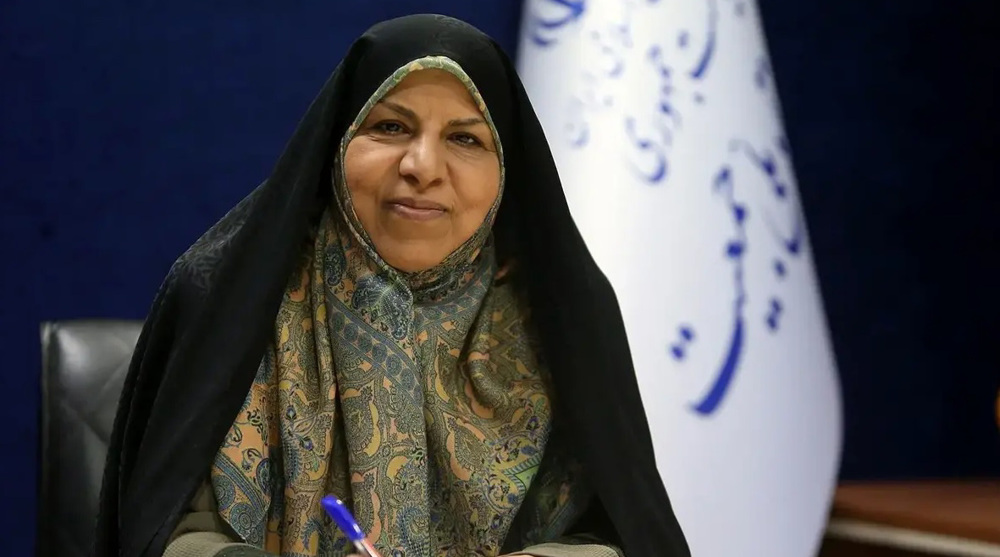
Born in 1959, Marzieh Vahid Dastjerdi completed her medical education at Tehran University of Medical Sciences after the revolution, earning her general medical degree in 1983 and board certification in obstetrics and gynecology in 1988.
Vahid Dastjerdi later became the first woman to serve as Iran’s Minister of Health, Treatment, and Medical Education (2009–2012).
In addition to her executive role, she has remained active in academia as an associate professor and has held parliamentary and advisory positions.
Her career bridges clinical medicine, health policy, and institutional leadership.
Zahra Sheikhi
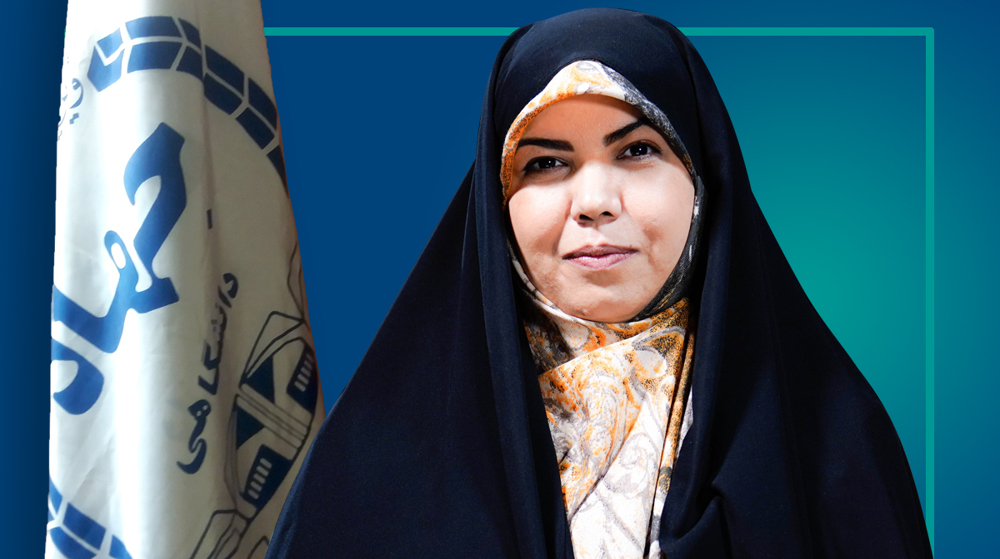
Born in 1979, Zahra Sheikhi represents a generation trained entirely within the post-revolutionary medical education system.
She holds a medical degree from Tehran University of Medical Sciences and dual PhDs in lymphology and traditional Iranian medicine from Shahid Beheshti University.
Currently serving as Deputy for Research and Technology at the Academic Center for Education, Culture and Research (ACECR), she has played a central role in cancer prevention policy.
As a member of parliament, she proposed and helped secure funding for the establishment of a national cancer prevention and early detection network, with pilot programs launched in multiple provinces.
Her work highlights the intersection of medicine, research governance, and public health policy.
Farzaneh Sharifi Aqdas
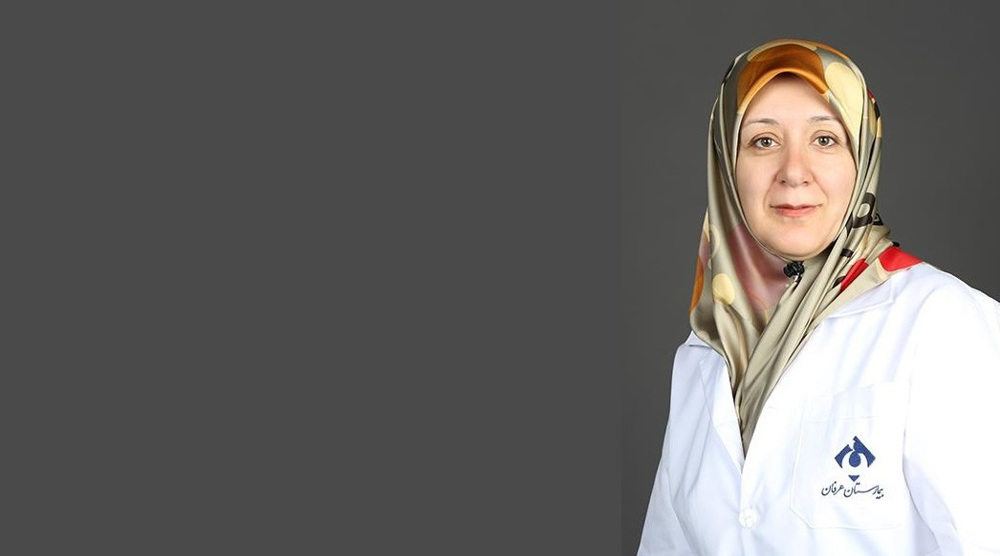
Graduating from Tehran University of Medical Sciences after the revolution, Dr. Farzaneh Sharifi Aqdas became the first Iranian woman to enter urology.
In 1989, she was admitted as the country’s first female urology resident at Shahid Beheshti University.
She later earned board certification and completed a fellowship, subsequently joining the faculty at Labbafinejad Medical Center.
Over decades of clinical practice, teaching, and research, she helped normalize women’s participation in surgical subspecialties and served as a role model for subsequent cohorts of female surgeons.
Zahra Taati Asil
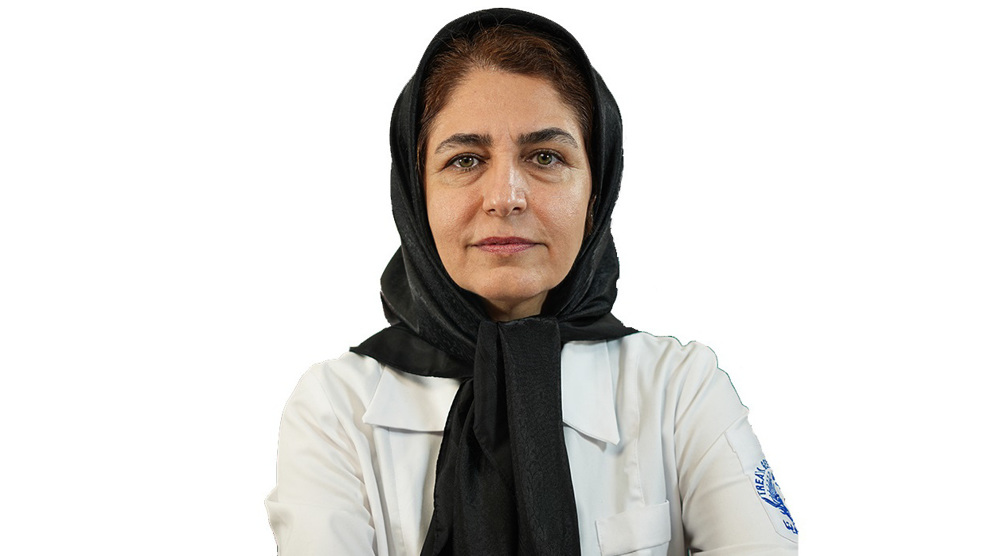
Born in 1954, Zahra Taati Asil completed her medical education at Shahid Beheshti University of Medical Sciences and became Iran’s first female neurosurgeon in the early post-revolutionary period in 1984.
She served as an assistant professor for over a decade and played a key role in treating war-injured patients during the eight-year Iraqi-imposed war on Iran in the 80s.
Known for her technical expertise and low complication rates, she later founded the neurosurgery department at Mofid Children’s Hospital, contributing to the institutionalization of pediatric neurosurgical care in Iran.
A measurable structural transformation
The expansion of women’s participation in Iranian medicine since 1979 represents a structural transformation supported by data, institutional development, and long-term outcomes.
Women are no longer peripheral participants in healthcare delivery; they constitute a significant share of specialists, educators, researchers, and practitioners across multiple disciplines.
This transformation is visible not only in workforce composition but also in improved health indicators and expanded access to specialized care.
While challenges remain—particularly in senior leadership and policymaking—the trajectory of women in Iranian medicine over the past five decades reflects a sustained and measurable evolution, grounded in education, professional integration, and public health impact.

No comments:
Post a Comment