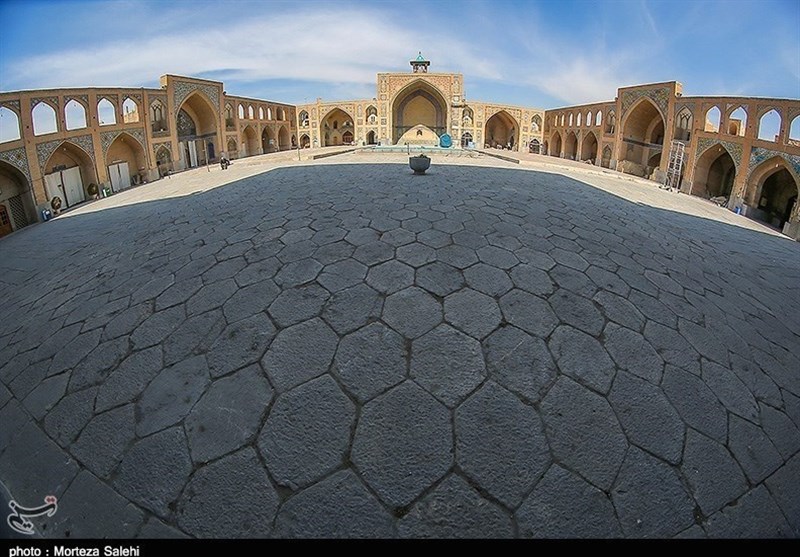
TEHRAN – The 16th-century Ali Qapu Palace, an element of the UNESCO-registered Imam Square in Isfahan, central Iran, welcomed over 375,000 visitors during the first half of the current Iranian calendar year (started March 21).
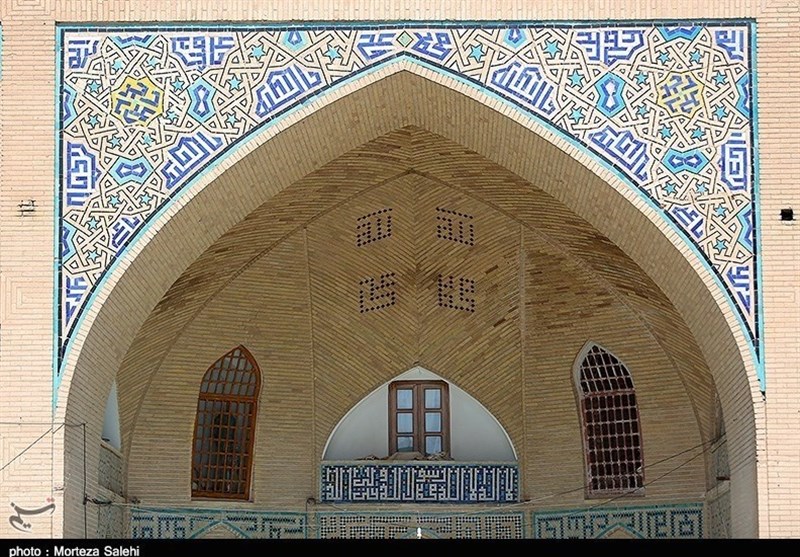
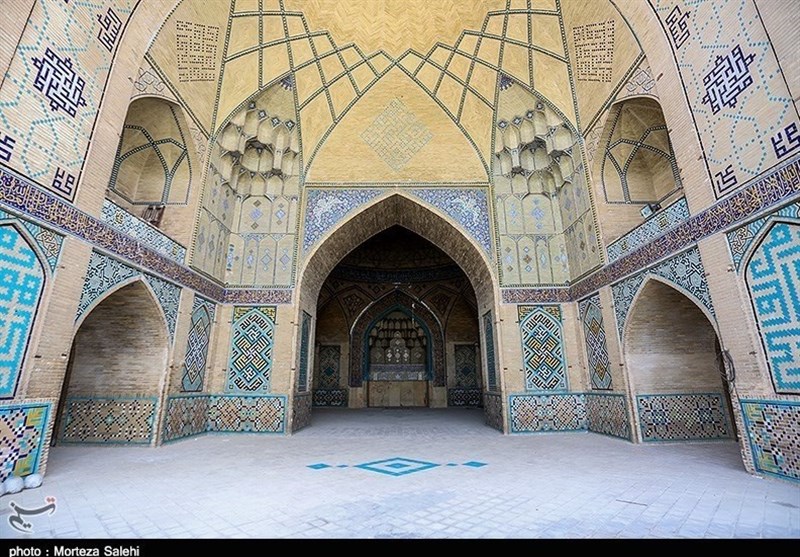
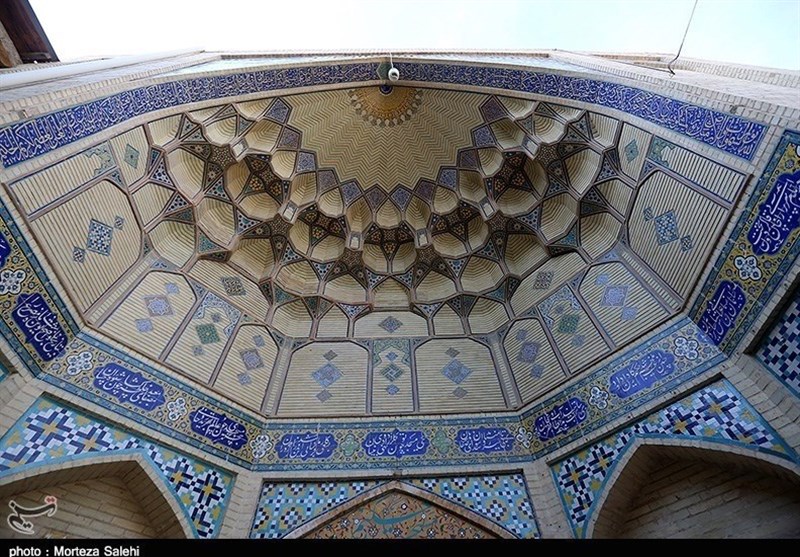
Best known as Naghsh-e Jahan Sq. (literary meaning “Image of the World”), the property is hemmed on four sides by magnificent buildings: to the east, the Sheikh Lotfollah Mosque; to the west, the palace of Ali Qapu; to the north, the portico of Qeyssariyeh; and to the south, the eminent the Imam Mosque.
Amongst monuments of the Imam Square, Ali Qapu Palace received topmost number of visitors during the six month period,”Fariba Khatabakhsh, director of the World Heritage site, said on Wednesday, IRIB reported.
“It drew 375,919 people, 337,525 of whom were domestic and 37,555 were international travelers,” she said.
Over 1,800,000 tickets were sold to visitors of Isfahan’s cultural heritage sites during the six month, the official noted.
During the period, the Imam Mosque attracted 118,858 domestic and 38,955 international travelers, the Sheikh Lotfollah Mosque lured 77,330 Iranian and 31,899 foreign nationals, the report said.
One of Isfahan’s other top destinations, Chehel Sotoun, a 17th-century royal palace, welcomed 300,125 Iranian visitors and 34,277 international holidaymakers, IRIB quoted another tourism official as saying.
Naghsh-e Jahan Sq. was laid out in the very early 17th century under the reign of the Safavid ruler, Shah Abbas the Great, to signal the importance of Isfahan as a capital of a powerful empire.
The sizeable open space has changed little since it was built, the only modern additions are some fountains added during the Pahlavi era. Its vast sandy esplanade was used for celebrations, promenades, and public executions, for playing polo and for assembling troops.
Profusion of tree-lined boulevards, Persian gardens and important Islamic buildings give Isfahan a highly touristic appeal that is unmatched by many other Iranian cities. In addition, the city is home to many versatile artisans who underpin its reputation as a living museum of traditional culture.
Iranians have long termed Isfahan “Nesf-e Jahan”, which literary means “Half of the World”.