
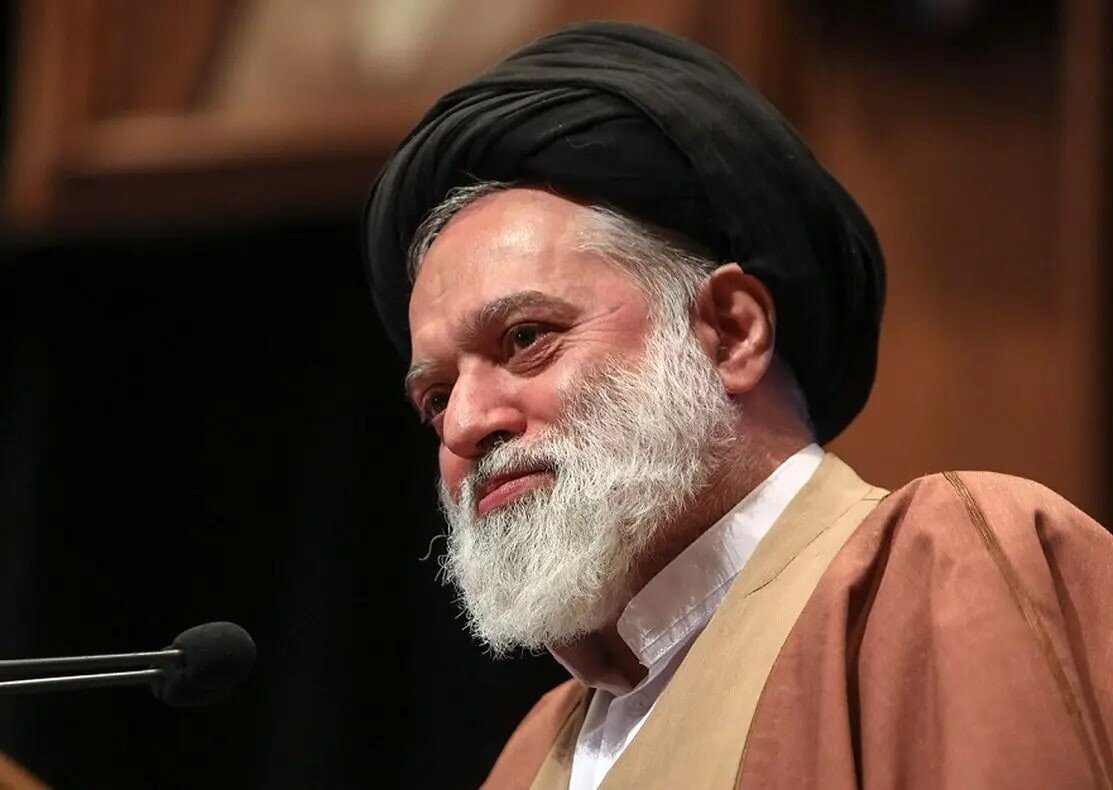
In an interview conducted several years ago, Ayatollah Seyyed Mostafa Khamenei, the eldest son of Iran’s martyred leader of the Islamic Revolution, Ayatollah Seyyed Ali Khamenei, reflected on his father’s revolutionary activities, family life, and personal character.
Below is a selection of his remarks, excerpted from the full Persian interview published on Khamenei.ir.
Recalling the years before the 1979 Islamic Revolution, Seyyed Mostafa Khamenei said his father spent months in prison under the rule of the former Pahlavi government, during which the family often had no information about his whereabouts. He praised his mother for enduring those difficult years with patience and resilience, saying she never complained despite raising the family alone while her husband was repeatedly imprisoned.
He also described several incidents involving the arrests of his father by SAVAK, the Shah regime’s security forces, saying the family faced repeated intimidation and hardship. According to him, despite warnings that future arrests could cost him his life, Seyyed Ali Khamenei continued his political activities and was later arrested and exiled again. He further recalled witnessing the courage of his grandmother, who confronted security agents without fear when they came to arrest his father.
Seyyed Mostafa Khamenei said his father remained composed even after suffering injuries during detention. He recalled visiting him before his exile and seeing a wound on his leg caused during his arrest. Despite the injury, he said, his father maintained a positive spirit and even joked with family members about the wound.
Speaking about the relationship between his father and grandfather, the late Seyyed Javad Hosseini Khamenei, he described it as one of deep affection, respect, and devotion. He said his father consistently cared for his elderly parent, even while serving as Iran’s president and despite suffering from chronic pain in his injured arm following the 1981 assassination attempt against him.
Seyyed Mostafa Khamenei recalled that his father personally assisted his elderly parent with daily needs, including helping him move around the house and accompanying him for bathing, rather than delegating such responsibilities to others. According to him, those who knew the family considered Seyyed Ali Khamenei to be the closest and most attentive of his father’s children.
Reflecting on the qualities his father inherited from his grandfather, Seyyed Mostafa Khamenei pointed to humility, generosity of character, modesty, and self-restraint. He said his grandfather never sought personal privilege because of his religious status and even refused preferential treatment in ordinary matters, such as being served ahead of others at a neighborhood bakery.
He also described the family home as simple but warm, attributing its atmosphere to his father’s modest lifestyle and easygoing nature. On a broader level, he said his father has often responded to harsh treatment from others with forgiveness, praying for those who had acted against him rather than seeking retaliation.
Elsewhere in his remarks, Seyyed Mostafa Khamenei, highlighted a number of traits shared by both his father and grandfather. He describes both men as possessing nobility of character, inner sincerity, humility, and asceticism.
He also highlights their shared commitment to living simply while preserving dignity and honor. Despite experiencing financial hardship in some occasions, the family maintained self-respect and refrained from seeking favors from others. This modest lifestyle, he says, fostered a warm and harmonious family environment.
Another characteristic common to both father and son is their strong dedication to reading and scholarship.
He also points to their modest eating habits, describing restraint in food consumption as another shared personal characteristic between his father and grandfather.
Finally, Ayatollah Seyyed Mostafa Khamenei underlined that the martyred leader, like his father was an avid reader throughout his life, and continued the same habit despite his demanding responsibilities, making reading a regular part of his daily routine and studying an extensive range of books over the years.

No comments:
Post a Comment