

Designed initially as a lightweight reconnaissance tool to observe the frontlines, the platform has steadily grown over four decades into a sophisticated collection of UAVs used for surveillance, target acquisition, military operations, and strategic deterrence.
What began as a basic unmanned aircraft has now become a central pillar of Iran’s aerial-defense doctrine, with the Mohajer series repeatedly proving its value in both domestic security missions and sensitive regional contexts. The drones’ functions range from intelligence gathering and border monitoring to precision strikes and advanced electronic surveillance — all drawn from the same technological lineage.
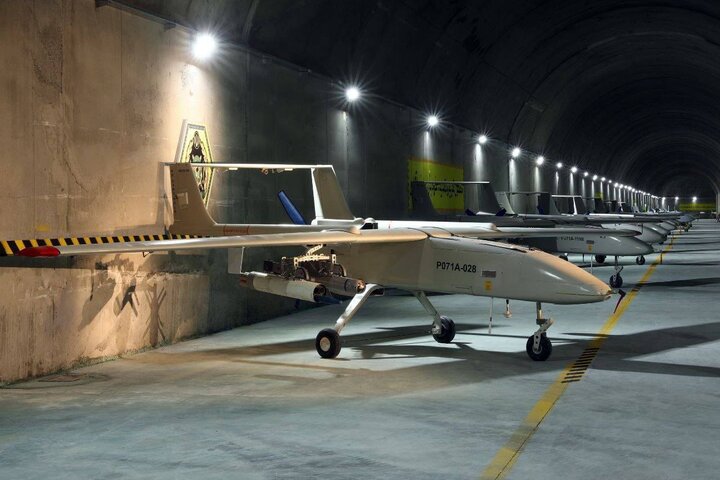
A wartime invention that sparked an entire UAV industry
The very first Mohajer drone, developed under wartime pressure, had a simple but vital mission: to observe enemy positions, assess damage, and provide real-time battlefield awareness at a time when Iran faced critical shortages in aerial intelligence.
Despite its simplicity, Mohajer-1 opened the door to an entirely new national capability. Its effectiveness encouraged continued research, eventually leading to improved engines, better airframes, expanded range, and more complex payloads. Each new generation reflected Iran’s expanding technological capacity despite decades of sanctions and foreign restrictions.
Today, the Mohajer family includes multiple variants — each designed for tasks such as reconnaissance, artillery fire correction, coastal surveillance, tactical combat missions, and guided-strike operations.

Building capability: From Mohajer-1 to Mohajer-10
Over time, the platform expanded beyond its original reconnaissance function. Later generations were equipped with high-resolution cameras, thermal imaging systems, GPS-assisted navigation, and more advanced data links. Many variants carry multiple payloads and offer longer endurance, enabling missions that were not imaginable during the war years.
Today’s advanced models, such as Mohajer-6 and Mohajer-10, have strike capabilities, precision-guided munitions, and long-range endurance, turning the Mohajer line into a multi-purpose system at the center of Iran’s UAV strategy.
The evolution of the Mohajer series demonstrates how Iran’s defense industries adapted to international pressure by prioritizing self-sufficiency — developing technologies capable of functioning in complex operational environments with limited external support.
Operational significance across Iran’s security landscape
The Mohajer drones’ primary mission remains intelligence, surveillance, and reconnaissance (ISR). They are deployed for monitoring borders, securing remote regions, tracking illegal movements, and supporting operations against terrorist groups. Their ability to conduct long-duration flights, follow targets, and transmit live images makes them a force multiplier for ground units.
In addition to domestic missions, the Mohajer series has played roles in regional operations that required real-time intelligence and rapid deployment. Their cost-effectiveness, ease of maintenance, and adaptability have made them key assets in a range of tactical scenarios — from counter-terror operations to coordinated military exercises.
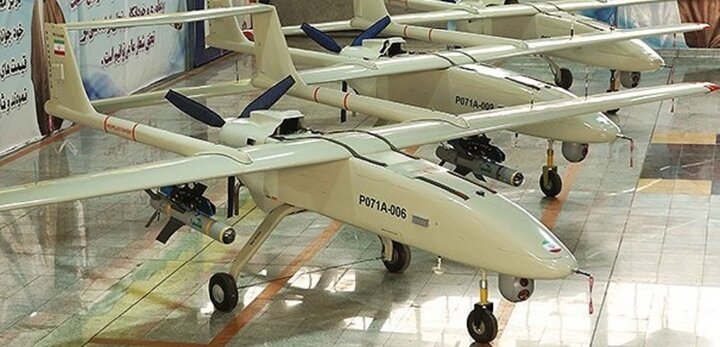
A symbol of Iran’s resilience under sanctions
Beyond military performance, the Mohajer program symbolizes Iran’s determination to develop independent defense technologies. Built during years of economic pressure, the drones embody a philosophy of resistance through innovation — a concept deeply embedded in Iran’s broader security thinking.
The path from Mohajer-1 to Mohajer-10 reflects not only technological progress but also a national narrative: the ability to transform necessity into capability. The drones have become a statement of Iran’s refusal to rely on foreign military suppliers and its commitment to advancing domestic expertise in electronics, aerodynamics, propulsion, and weapons integration.
Regional Confrontations and the Mohajer’s Expanding Role
While ISR remains its foundation, the Mohajer family’s combat capabilities have placed it at the center of regional deterrence. In various test exercises and confrontations — including the recent tensions and the 12-day conflict with Israel — these drones have demonstrated their capacity to support strategic operations.
Their deployment sends a broader message about Iran’s evolving military posture: that UAVs are not supplementary tools but core components of modern defense planning. The Mohajer line, because of its versatility, has become one of the most visible instruments of this shift.
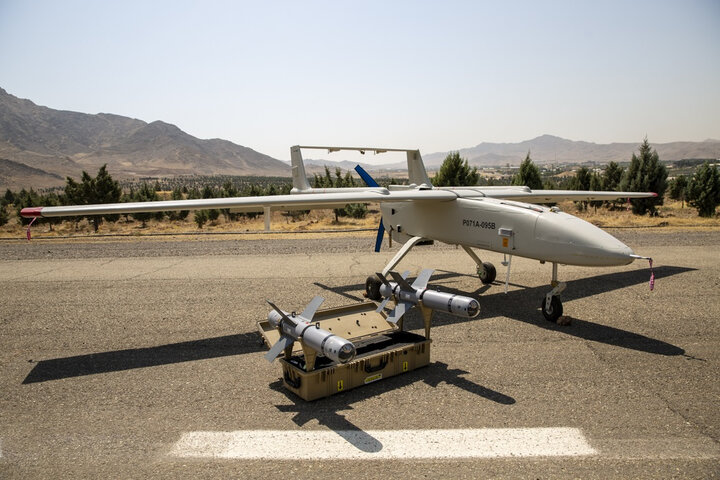
Conclusion: Four decades of growth, one enduring legacy
Four decades after its creation, the Mohajer program remains one of Iran’s most important defense achievements. What started as an improvised wartime innovation has become a sophisticated, multi-purpose UAV family integral to national security, intelligence collection, and regional deterrence.
The Mohajer drones’ evolution mirrors Iran’s broader journey — adapting under pressure, innovating under constraint, and developing technologies designed to safeguard sovereignty in an increasingly complex strategic environment.
With continued upgrades and new models emerging, the Mohajer series is likely to remain a defining feature of Iran’s aerial-defense capabilities for years to come.

No comments:
Post a Comment