Friday, October 01, 2021

Putin Praises Erdogan Talks as “Useful”

Putin Praises Erdogan Talks as “Useful”By Al Ahed Staff, Agencies

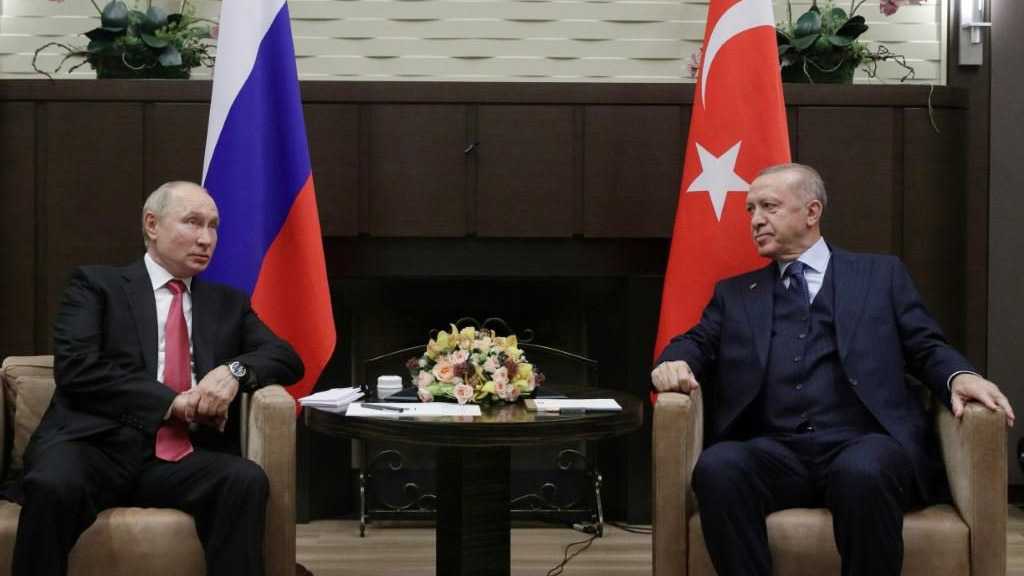
Russian President Vladimir Putin and Turkish leader Recep Tayyip Erdogan lauded three-hour talks as “useful” and “productive” as they met to discuss the Syrian conflict.

It was their first face-to-face talks in 18 months.

The Russian leader hosted Erdogan at his Black Sea residence in the resort of Sochi after two weeks in self-isolation following a coronavirus outbreak among aides.

The two men, who did not address reporters after the talks, had been expected to discuss northwestern Syria where regime troops and Moscow have ratcheted up airstrikes in recent weeks.

On Tuesday, Turkish Defence Minister Hulusi Akar had said Ankara hoped the talks would result in a return to “a peaceful situation according to our agreement.”

In a warm post-negotiation exchange, that included a discussion of their coronavirus antibody levels, Putin thanked Erdogan, calling the visit “useful and informative.”

“We will be in touch,” he added.

Writing on Twitter, Erdogan called the talks “productive”.

Russia and Turkey have historically had complex relations, balancing regional rivalries with finding common ground on economic and strategic interests.

Earlier in the day Erdogan told Putin he believes there are great benefits in “Turkey and Russia keeping stronger relations each passing day”.

“The steps we have taken with Russia related to Syria are of utmost importance,” Erdogan said. “The peace there depends on Turkey-Russia relations.”

The two countries also found themselves on different sides in last year’s conflict between Armenia and Azerbaijan in the breakaway region of Nagorno-Karabakh.

“Negotiations are sometimes difficult – but with a final positive result,” Putin told Erdogan.

He added that they “have learned to find compromises favorable to both parties”.

The two countries have grown closer in recent years thanks to tensions between Moscow and the West and Ankara’s increasingly delicate relations with its NATO allies.

In 2019, Turkey agreed a multi-billion-dollar purchase of the Russian-made S-400 air defense system that led to US sanctions last year.

The Pentagon Really Is “Chronically Bad” At Winning Wars – And Matt Gaetz Got Them to Admit It

The Pentagon Really Is “Chronically Bad” At Winning Wars – And Matt Gaetz Got Them to Admit ItBy Nebojsa Malic, RT

It really took a Florida man to get the current Pentagon boss to admit inability to deal with the essential job of the military, and remind Americans that he was behind the failed scheme to arm the “moderate rebels” in Syria.

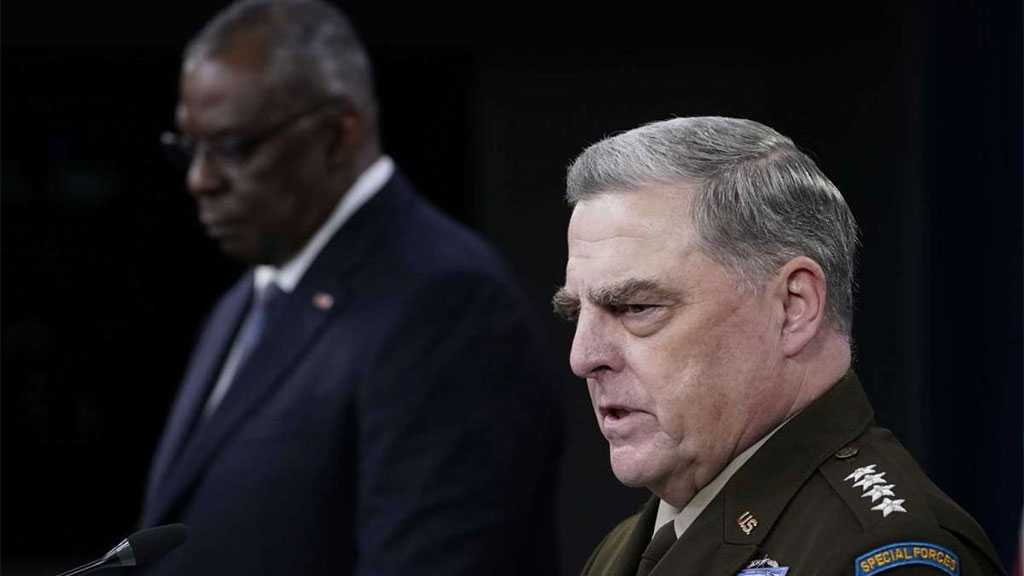
War Secretary Lloyd Austin, Chairman of the Joint Chiefs of Staff General Mark Milley, and Central Command head General Kenneth McKenzie proved much more adept at dodging questions from senators and congressmen over the past two days, than at fighting and winning wars abroad.

That is, until they ran into Trumpian firebrand Rep. Matt Gaetz [R-Florida]. The ensuing five-minute skirmish in the halls of the House of Representatives on Wednesday was so explosive, even C-SPAN featured it on social networks.

“Are you capable of assessing whether another has the will to fight?” Gaetz asked Austin, to which the Biden cabinet official replied, “No, we’re not.”

Austin was obviously trying to explain why neither he nor his generals were able to foresee the collapse of the US-backed Afghan National Army, which basically surrendered to the advancing Taliban even before US and NATO troops left Afghanistan in August. Yet he seemed unaware that he just admitted to their utter inability to do their job, i.e. successfully fight wars.

The basic postulate of US military theory is that all war is decided by willpower, namely “breaking the enemy's will to fight while sustaining one's own.” How exactly would one imagine winning, if he can’t assess the enemy’s will to fight?

Austin, himself a retired US Army general, basically walked into an ambush he should have seen from a mile away.

He only got worked up when Gaetz did what no other member of Congress thought to do in the two days of hearings: bring up Austin’s failure in Syria. As the Florida congressman pointed out, Austin was the head of CENTCOM back in 2015, when he admitted to Congress that some $48 million was wasted on training “moderate rebels” against the government in Damascus.

“We’re talking four or five,” was Austin’s response to the Senate Armed Services Committee in September 2015, when he was asked how many militants the program managed to train, ostensibly to fight against the Daesh [Arabic acronym for “ISIS” / “ISIL”] terrorists.

The Obama administration had earmarked $500 million for the program in 2015, and requested $600 million for 2016, with the goal of training 5,000 fighters a year. A Pentagon official testifying alongside Austin had said about 200 fighters were in the program at the time, prompting then-Senator Jeff Sessions [R-Alabama] to describe it as “a total failure.”

About a week later, it emerged that a 70-strong group of US-trained fighters had surrendered to Al-Nusra, an al-Qaeda affiliate in Syria – along with all of their weapons and equipment.

“It just seems like you’re chronically bad at this,” Gaetz told Austin.

Confronted with the reminder of his failure in Syria, Austin claimed that the program was actually a success, because it “stood up” the "Syrian Democratic Forces", which were “very instrumental in turning the tide of battle” in Syria. Sure, they failed completely at overthrowing the government in Damascus, but “the focus was ISIS” and “those forces had a significant effect on the ISIS network,” Austin argued, raising his voice.

There are two problems with this. The SDF publicly announced its existence on October 12, 2015 – just days after the State Department said that parts of the training and equipment program were getting “shelved” and the US efforts would be redirected to unspecified “groups that are in Syria now and have proven competent against [ISIS].”

To use the same level of hair-splitting as corporate fact-checkers, the SDF was the result of a different program, and their success doesn’t excuse Austin’s prior failure.

The second problem is Austin’s dismissal of the SDF role in defeating Daesh. For years, the Pentagon and the US media told the world these people did the lion’s share of the fighting, basically all the ground operations in eastern Syria, including the capture of Daesh “capital” of Raqqa – with US air support and special forces assistance, of course. Now Austin calls them a US proxy force that was merely “very instrumental” in having a “significant effect on the ISIS network.” Well, which is it? Surely the SDF leaders would love to know.

Also interesting is that no one had asked Austin about any of this in January, when he moved from the board of missile-maker Raytheon to serve in the Biden administration. And so, after wasting tens of millions of dollars arming jihadists in Syria, the Pentagon ended up writing off $83 billion it had spent on propping up the Afghan military over the course of 20 years. Predictably, corporate fact-checkers responded by quibbling that actually, not all of it amounted to weapons that ended up in Taliban hands.

The reason the generals like Austin and Milley seem “happy failing up,” as Gaetz phrased it, is because the Washington establishment – both parties and the corporate media – doesn’t really demand accountability for failure, so long as they can keep the taxpayer dollars flowing. That’s the only war they seem to know how to win.

Blame-shifting over US Withdrawal Ignores Deeper Failings in Afghanistan

Blame-shifting over US Withdrawal Ignores Deeper Failings in AfghanistanBy Julian Borger - The Guardian 

The deeply partisan US Congress is rarely a conducive place for national introspection and Tuesday’s Senate hearing on the Afghanistan withdrawal did not provide an exception.

In the midst of the point-scoring and blame-shifting on display in the senators’ questions to the nation’s military leadership, it was clear that it was a contest to apportion shares in failure.

And behind the debacle of the pullout that left tens of thousands of vulnerable Afghans behind, there were fleeting references to the far deeper failure of the preceding two decades – a reckoning that has only just begun for the Pentagon and the US foreign policy establishment.

Gen Mark Milley on Tuesday, at a hearing that also became a postmortem on the 20-year war that preceded it.

US Afghanistan withdrawal a ‘logistical success but strategic failure’, Milley says.

For obvious reasons, the Republicans on the armed services committee sought to keep the focus on the past eight months, accusing Joe Biden of surrendering to terrorists, throwing in occasional demands for the immediate resignation of the three military leaders sitting before them: the chairman of the joint chiefs of staff, Gen Mark Milley, the head of Central Command, Gen Kenneth McKenzie and the "defense" secretary, Lloyd Austin.

The three witnesses, nudged from time to time by the Democrats, would occasionally point out that the surrender in question truly began in February 2020, with the Trump administration’s agreement with the Taliban in Doha.

In return for a US withdrawal by 1 May this year, the Taliban agreed to seven conditions, but as Gen Milley pointed out, they only stuck to one of them: not to attack the departing Americans. Every other undertaking, such as entering into good-faith negotiations with Kabul and breaking ties with al-Qaida, the Taliban had reneged on. But Trump nonetheless sought to accelerate the withdrawal, at one point demanding it be completed by January.

The Republicans barely mentioned the Doha agreement, preferring to frame the withdrawal as Biden’s original idea. It was hardly surprising. Over the past four years, the party has become accustomed to cognitive dissonance. The one backhanded Republican reference to Doha came from Thom Tillis who asked why Biden had stuck to Trump’s bankrupt deal.

“I don’t buy the idea that this president was bound by a decision made by a prior president,” Senator Tillis said. “This was not a treaty. And it was clearly an agreement where the Taliban were not living up to it. President Biden could have come in, reasserted conditions and completely changed the timeline.”

The answer the White House has given is that the Doha agreement gave the Taliban considerable momentum, boosting their morale, destroying Afghan government self-confidence, and freeing 5,000 Taliban fighters. Reneging on the deal by a new administration would have meant a return to war with far higher stakes, and probably tens of thousands of soldiers.

Milley, McKenzie and Austin, however, took a different route in their testimony. They confirmed that in the policy of review in February, March and April, they had advocated retaining a small force of about 2,500.

They were not questioned on how such a remnant could have withstood a resumption of direct attacks from an invigorated Taliban. Instead the focus of many of the exchanges center around Biden’s baffling insistence in an ABC News interview on 19 August that he had received no such advice from his military advisers.

The three witnesses tried to get around this awkwardness by saying that while they had believed a small force should have been retained, they could not possibly disclose the nature of their advice to the president.

Asked by Senator Tom Cotton if Biden had been speaking the truth, Austin could only squirm and insist the president was “an honest and forthright man”.

In his opening statement Austin had sought forlornly to widen the focus from the last few weeks of the US presence in Afghanistan to the preceding two decades and warned: “We need to consider some uncomfortable truths.”

“Did we have the right strategy? Did we have too many strategies?” he asked. So much faith had been put in nation-building that the sudden collapse of the army and the government, and the panicked flight of President Ashraf Ghani “took us all by surprise”. “It would be dishonest to claim otherwise,” Austin said.

Milley said the US military would be trying to learn the lessons of the Afghan failure for a long time to come, but he outlined some of his initial thoughts.

One of his lessons, the general said, was not to give the enemy a fixed date for your departure as the Doha deal had done, but base it on a set of conditions. Another of Milley’s conclusions was “don’t Americanise the war” and don’t try to build another country’s army as the mirror image of US forces.

But as Milley himself conceded, these were lessons that were supposed to have been learned in Vietnam. The Biden White House had been anxious to avoid parting scenes reminiscent of Saigon in 1975 but that is exactly what happened, in part because those lessons had been forgotten.

The deeper question – never likely to be answered, or even asked, in the bear pit of Congress – is why the US has suffered from such recurrent amnesia each time it has gone off to war.

Ali Gholami

Tehran (Qodsna) - On Friday, a conference entitled "Reconciliation and Normalization" was held in the center of the Iraqi Kurdistan region, with some well-known Ba'athist figures and a number of Sunni tribal leaders from Anbar and Nineveh provinces. The subject of this strange and controversial conference was the need to normalize relations with the Zionist regime and purge the so-called "Abraham Accords", which had already been signed by the UAE and Bahrain with the Zionists. Participants in the meeting called on their country to join the Abraham Accords and normalize relations with the Zionist regime and lift the ban on civil relations between Iraqis and Israelis.


Tel Aviv immediately seized the opportunity to support holding such a conference in Iraq. "Since the day this cabinet came to power, our goal has been to express our displeasure and support for the holding of such a conference in Iraq," said Israeli Foreign Minister Yair Lapid said. "The scope of the Abraham Accords has been to expand." Welcoming the conference, Israeli Prime Minister Naftali Bennett claimed: "This is a call from the people, not the government, and this conference is an action to recognize the historical oppression and injustice against Iraqi Jews." Naftali Bennett claimed: Israel responds to peace by extending its hand.


In a detailed report, the Zionist newspaper "Times of Israel" explained the details of the Erbil conference and wrote: At Friday's conference in the Kurdistan Region, Iraqi participants called on their country's leaders to end the war and join the "Abraham Accords". Emphasizing that normalization is a crime under Iraqi law, the newspaper wrote: "Participants in this meeting called for the re-establishment of relations with the Jewish diaspora."


Who are the organizers of the Erbil conference?


The Arabi 21 website reported that the Erbil conference was organized by an American organization called the Center for Peace Communications and was held under the auspices of Massoud Barzani and the Asayesh security apparatus. "The conference, which took place in the Iraqi Kurdistan region, caused a great deal of controversy because it was attended by personalities from different Iraqi provinces and tribal leaders, during which they were invited to publicly normalize [Baghdad's] relations with the Zionist regime,” the report says.


According to the report, "Joseph Braude" is an American-Jewish academic of Iraqi descent who works as a consultant at a study center funded by the UAE. He is an advisor to the Al Mesbar Studies & Research Center, founded by Turki Al Dakhil, the current Saudi ambassador to Abu Dhabi. Studied at Princeton University, he is fluent in Arabic and Persian and has lived, studied, and worked in most of the capitals of West Asia.


Another member of the conference organizing center is Hayvi Bouzo, an American-Syrian journalist and TV presenter who is a staunch supporter of the normalization of relations with the Zionist regime and has consistently endorsed the UAE and its policies in her Twitter posts. He worked for several years for the Dubai-based Syrian Orient News, during which time she repeatedly supported the normalization of relations with the occupiers. But today she runs a program through social media under the auspices of the American Center for Peace Communications.


Sahar al-Ta'i was the moderator of the conference and one of its coordinators, who stressed at the conference that Iraq should follow the example of the United Arab Emirates in order to normalize relations. "Israeli settlers are our brothers and sisters," said al-Ta'i, an employee of the Iraqi Ministry of Culture. "Participants in this conference want to join Abraham Accords with Israel," she said. "No power can stop our demand."


The angry reactions of Iraqi government, people, personalities and currents against the Erbil conference


Iraqi President Barham Saleh issued an official statement at the Erbil conference, stressing that concepts such as the normalization of relations with the Zionist regime are nationally and legally unacceptable.


Iraqi Prime Minister Mustafa al-Kadhimi had previously strongly condemned the holding of a conference on the normalization of relations with the Zionist regime in Erbil, the capital of the Kurdistan Region.


The Iraqi Supreme Judicial Council immediately announced on Sunday the arrest warrant of the participants in the Erbil conference. The council said in a statement that the court, based on information received from the National Security Council, had issued an arrest warrant against a man named Wissam al-Hardan for playing a role in the conference.


Reacting to the conference in Erbil, the head of the Iraqi Kurdistan Region, Nechirvan Barzani, said that the meeting had nothing to do with the region, adding that we adhere to the country's constitution.


The purpose of the Erbil conference was to equate the executioner with the victim and to be an excuse for those in the region who are waiting for such opportunities, the Iraqi Kurdistan Islamic Union Party said in a statement, condemning the meeting.


The spokesman of the Iraqi tribes in a press statement condemned the tribal leaders participating in the conference and said: "The personalities present at this conference, headed by Sheikh Wassam Al-Hardan, do not represent us or Sunni Arabs and genuine Iraqi Arab tribes. “We call on the Federal government and the government of the Iraqi Kurdistan Region to open an investigation to identify the organizers of this conference because this conference has nothing to do with the Iraqi people in general and the Sunni tribe in particular.”


The Tribes of Nineveh also stressed that every person who participated in the conference came on his own behalf and does not represent their tribe or province.


The conference participants retreated from their position


"We, a group of tribal figures from different Iraqi provinces, would like to explain the truth of the peace meeting held in Erbil on Friday and the reason for our participation," Salah Mosleh, a tribal leader who had participated in the conference said in a statement.


“We received an invitation from a person named Wissam al-Hardan that the meeting was about raising salaries and joining government security agencies, but what happened surprised us because the subject of the meeting was completely different,” according to Salah Mosleh.


"We want full diplomatic relations with Israel and a new policy of normalization based on the relations between the people of both sides," Wassam al-Hurdan said during the conference. “We have to choose between tyranny and chaos on the one hand or legitimacy, decency, peace, and progress on the other hand.”


To justify his request, al-Hardan referred to the presence of ISIS and "militant groups" in Iraq, saying that the two had destroyed Iraq, but he had apparently forgotten that the main reason for his country's destruction was Saddam's wars, the US invasion, Saudi Wahhabi ideology and the dirty money of the Arab regimes in the region that sent ISIS and other terrorist groups to destroy Iraq and remove it from the world map.


Al-Hardan has forgotten that the United States, the Zionist regime, Saudi Arabia, and the UAE aim to take Iraq out of the battlefield with the Zionist regime, and if they fail to do so, they will divide Iraq because the Iraqi people who have always supported the Palestinian people, and have acted against the Zionist regime, and this was the main reason for the US invasion of Iraq.


Considering some important points makes it doubtful that Erbil officials did not play a role in the treacherous meeting:


After the failure of the project to separate the Kurdistan Region from Iraq in 2017 and the failure of the referendum for this region, the Zionist regime has entered into the normalization of relations and is trying to attract countries that have close relations with Iran to tighten the siege against Iran.


The relationship between the Zionist regime in terms of security began during the Pahlavi regime in Iran and the Ba'ath party in Iraq. They boosted their ties with influential Kurdish families, especially the Barzani family.


There are reports that there are some blood relations between the Barzani family and the Zionist Jews, such as the one related to Nichervan Barzani's wife. After the occupation of Iraq by the United States, and at the same time with the beginning of the discussion on the formation of the Kurdistan region, the Zionists entered the Kurdistan region mainly with non-original passports and mostly with European passports. In a short time, they established more than 200 commercial and cultural institutions.


Those joint Israeli institutions, especially in the cultural and media dimensions, created and took possession of many facilities, and through this, they played a role in defining and implementing special and desirable demands of Israel in the Kurdish community.


The visit of an Israeli military delegation from the region in 1991 and holding several meetings with military and security leaders, and in particular a one-and-a-half-hour meeting with Masrour Barzani (Massoud's son), who was the commander of the regional Peshmerga, is also an important indicator in this regard. 

Such actions appear to have been planned by the Erbil authorities to pave the way for a re-enactment of the referendum on the disintegration of Iraq, especially as discussions on the formation of a Sunni region in western Iraq are on the US agenda.


Writer: Ali Gholami - Iran-based political journalist 

Pakistan and the New Afghan Government

 Petr Konovalov

PAK234231

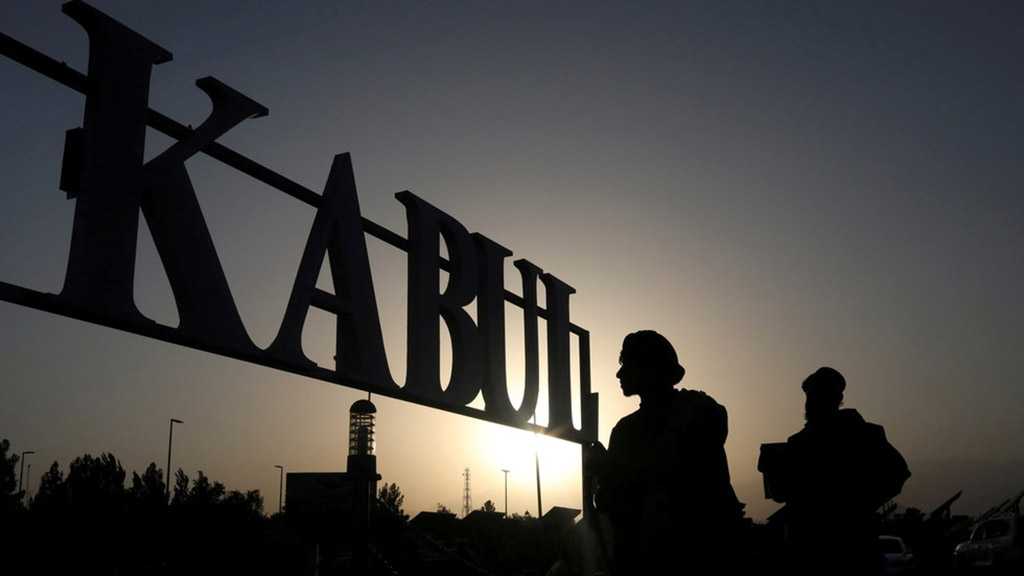
The withdrawal of US troops from Afghanistan in August 2021 led to the country falling under the control of the Islamist movement Taliban (banned in Russia). The fall of the previous Afghan government caused deep concern for all the countries that share a border with Afghanistan. Pakistan is worried about the recent events in Afghanistan, because in Pakistani society radical Islamists enjoy great support among the population, and a large number of terrorist organizations are active in the country. The strengthening of the Taliban’s position could have a negative impact on Pakistan’s well-being.

On August 23, 2021, Pakistani Foreign Minister Shah Mahmood Qureshi ​said that the world community should start a dialogue with the Taliban According to the Pakistani foreign minister, other countries must maintain contact with the Taliban. Shah Mahmood Qureshi said Pakistan is doing all it can to help stabilize Afghanistan. The Pakistani foreign minister called on the states neighboring Afghanistan to take action that would lead to a de-escalation of the conflict in that state.

The Afghan-Pakistani border is 2,670 km long. It is a challenge for Pakistan to maintain control of its borders with Afghanistan, as the border runs along the desert and there are settlements along the border areas whose residents have a negative attitude toward the government forces.

The Pakistani leadership is interested in order in Afghanistan, because if there is none, Pakistan may face an acute problem in the form of Afghan refugee flows in a very foreseeable future. Islamabad does not need such an unpleasant turn of events, because the standard of living in Pakistan is relatively low, and an influx of refugees would painfully affect Pakistan’s economy, which has already been hit hard by the financial crisis caused by the coronavirus pandemic.

Pakistani authorities are also concerned about the fact that the Afghan regions adjacent to Pakistan are populated by ethnic Pashtuns. Today, the Pashtuns in Pakistan are the dominant ethnic group which plays the most important role in the political life of the state. It should be noted that the Pashtuns are the core of the Taliban. If Pakistani Pashtuns, inspired by the example of their tribesmen from Afghanistan, were to radicalize en masse, this could lead to a significant deterioration of the situation in Pakistan.

It is important to mention that among Pashtuns there are supporters of creating a sovereign state, Pashtunistan, in the territories of Afghanistan and Pakistan, where Pashtuns are the majority of the population. This idea does exist, but its implementation is still out of the question. As noted earlier, Pashtuns occupy almost all the top positions in Pakistan, so they rarely share separatist ideas.

However, there is an Islamist group, the Tehrik-i-Taliban Pakistan (TTP; banned in Russia), which regularly commits terrorist acts in Pakistan. The TTP, as a separate organization, is actively cooperating with the Afghan Taliban to jointly establish an Islamic state on the territory of both countries. The Pakistani government is actively fighting the TTP on the grounds that it poses a serious threat to Pakistan’s territorial integrity and national security. If the Afghan Taliban becomes stronger, it will provide significant support to the TTP. The strengthened TTP would be a great challenge for Pakistan’s economy, as the state would have to significantly increase spending to deal with the domestic threat.

Afghanistan is not a mono-ethnic state: the country is home to a wide variety of nationalities. The Taliban who seized power are Pashtuns. The Taliban’s plan was to have a government composed entirely of Pashtuns, but neighboring countries insisted that power should be distributed proportionally among all nationalities. And according to many experts, an inclusive government is one of the pillars of a united Afghanistan. If other nationalities are deprived of the opportunity to gain power, separatist sentiments will be popular among them for the foreseeable future.

On September 17, 2021, Prime Minister of Pakistan Imran Khan and President of Tajikistan Emomali Rahmon met in the capital of Tajikistan, Dushanbe. The press service of the leader of Tajikistan stated that the sides agreed to organize negotiations between the Taliban and the National Resistance Front of Afghanistan, which is based on Tajiks living on Afghan territory, in Dushanbe. Rahmon reported that the Pakistan-Tajikistan talks resulted in an agreement to promote peace in Afghanistan. Imran Khan, for his part, said he had discussed at length with his Tajik counterpart how to ensure order and stability in Afghanistan for the foreseeable future. The Prime Minister of Pakistan noted that Tajikistan and Pakistan are concerned about the conflict between the Taliban and the Tajiks in Panjsher.

Imran Khan called on the president of Tajikistan to influence the Tajiks of Panjsher, and he himself promised to reach agreements with the Taliban and the Pashtuns. The Pakistani prime minister stressed that Afghanistan is home to many peoples, so harmony can only be achieved after an inclusive government is formed, and his country will urge the Taliban to do so.

On September 19, 2021, Pakistan entered into negotiations with the Taliban to establish an inclusive government. The Pakistani prime minister said the multinational composition of the cabinet will help Afghanistan move to a new level of development. Imran Khan is confident that ending the Afghan conflict will benefit the entire region.

Despite the fact that Pakistan is a rather conservative state with, for example, functioning sharia courts, the state strives to keep up with the most developed countries. Many of today’s Pakistani politicians studied at the best universities in Europe and are familiar with the Western way of life. In particular, in September 2021, Pakistan became the home of the Afghan women’s soccer team, which the Taliban had banned from participating in sports.

Pakistan’s leadership understands that their troubled neighbor needs help. The world community is reluctant to recognize the Taliban as Afghanistan’s new government, and the Taliban will not be able to constantly quell citizen discontent. Without the support of neighboring countries, Afghanistan might not be able to establish itself as a state, which would have a negative impact on the development of the entire region. Pakistan understands this, and therefore contributes to the resolution of the conflict.

Petr Konovalov, a political observer, exclusively for the online magazine “New Eastern Outlook”.

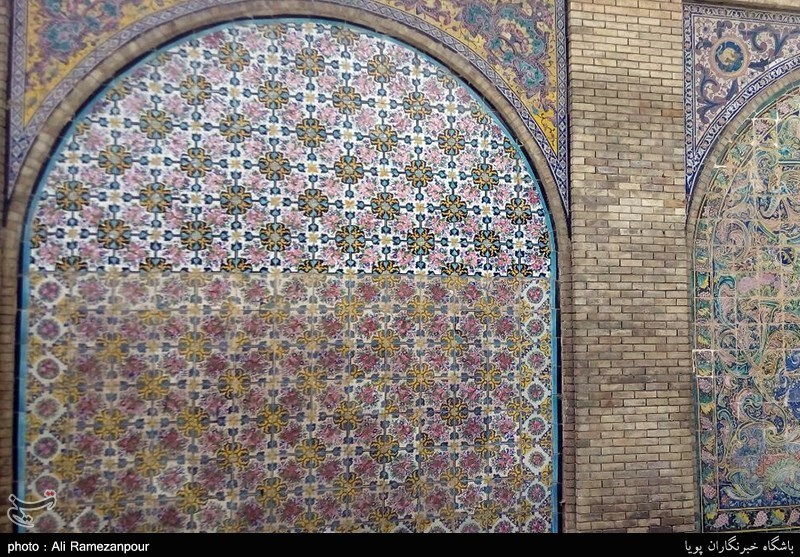
Iran Tilework, The Most Beautiful Tilework in The World

Iran Tilework, The Most Beautiful Tilework in The World

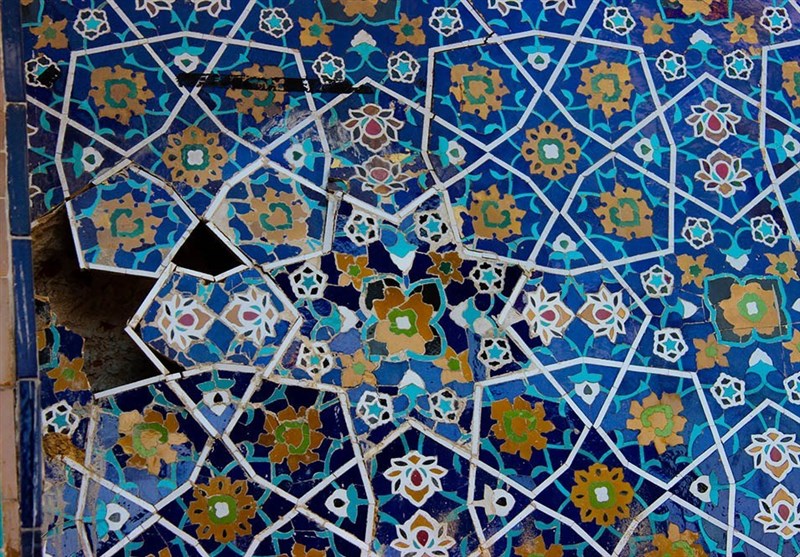
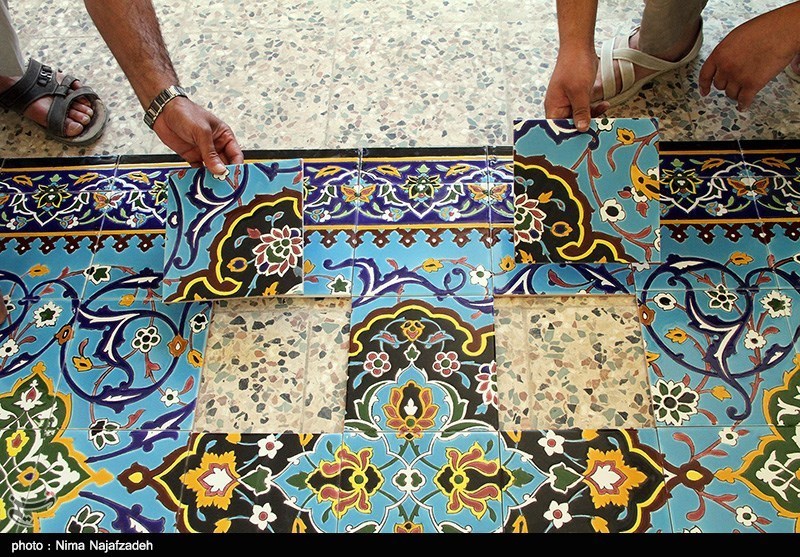
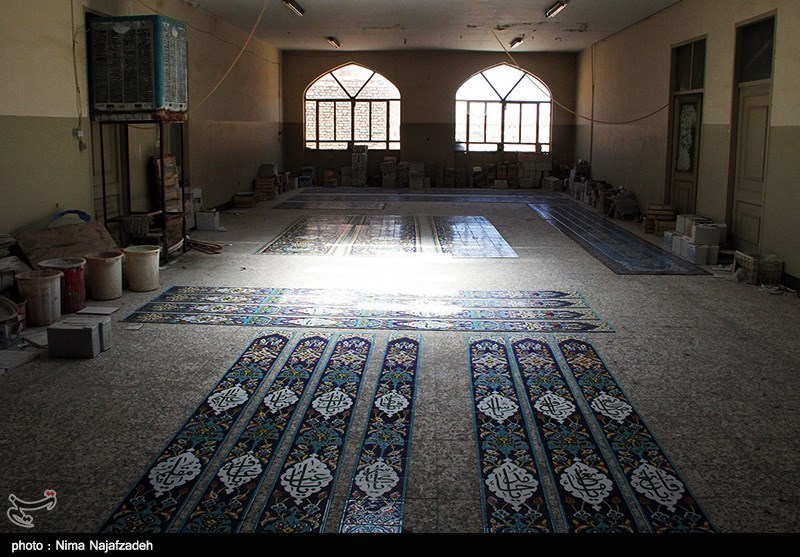
TEHRAN (Tasnim) - History of tile (glazed brick), manufacture and decoration in Iran, goes back to the prehistoric period. It has an important position among the various decorative arts in Iranian architecture.

 Four main decorative features could be categorized here. They are stone carvings, brick work, stucco and tile panels. The intricate method of manufacture, designs and type of materials used in these four methods have evolved as a result of natural factors, economic and political effects.

The art of tile working blossomed in the Islamic period of Iran. It became the most important decorative feature of religious buildings.

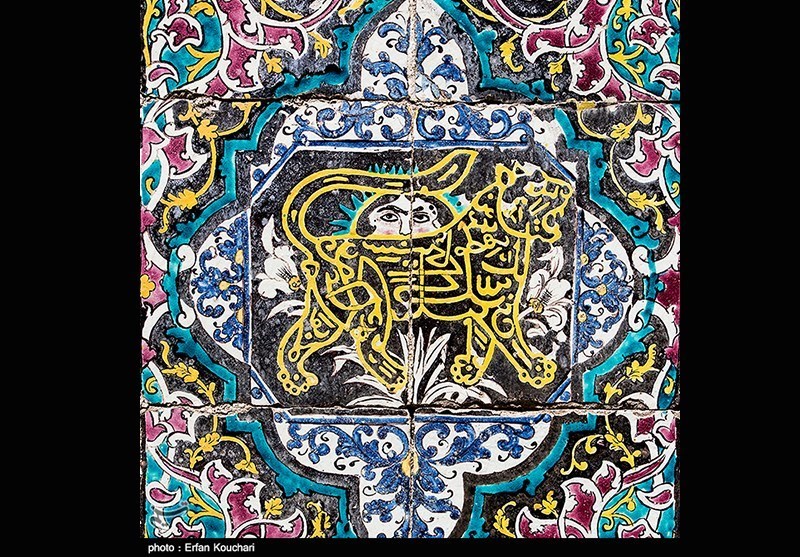
Evidence of brick work, stucco carving and tile panels from the last 14 centuries have provided much evidence of creative and imaginative nature of Persian Artisans. They placed their art in the service of religious architecture. This religious inspiration found its highest expression in ornate inscriptions, which decorated so many works during these centuries.

In 8-10th centuries AD., most of these inscriptions included sayings, proverbs, wishes, maxims, names of religious personalities and invocations of Allah's help, in decorative, simple or broken Kufic script and are found in poetry, such as ceramic wares of Neishabour.

In 13-14th centuries AD., ceramic wares, and tiles were decorated with many different forms of inscriptions. The most popular were molded decorations and inscriptions with messages of happiness, good health, prayers, wish for victory, proverbs, and simple messages of good will, poems and the name of Allah. Workshops at Kashan, Rey and Gorgan produced these types of ware.

Broken Taliq script became popular in 11-14th centuries AD. This script was in luster and under-glaze decoration contained lines from poems and verses of such poets as Ferdowsi, Hafiz, Molana and Baba Afzali Kashani. Furthermore, it became popular for artisans of Kharazmshah and Ilkhanid periods to add the date of manufacture and the name of the maker. The oldest dated tile is of 1203 AD. Tile panels of this period had mostly square, lotus, star and polygonal form and were put together to create panels.

In Safavid era, Naskh and Thulth scripts were used. Works of famous calligraphers, such as Alireza Abbasi, Mohammad Saleh Isfahani, Mohammad Reza Imami and Hossein Banna have been found.

It should be mentioned that the technique of tile and its secrets of trade were safely guarded and orally handed from father to son and master to student; thus rarely have designs, patterns and details of technique been documented and few complete treatises exist on the art of Iranian tile work in the past

Source: Iran gazette

Yousef Mawry: Saudi Arabia Bleeding in War on Yemen

TEHRAN (FNA)- Yousef Mawry, journalist and political commentator, says Riyadh never imagined Sana’a could turn the war the way its US-made Patriot air defense system would fail to repel Yemen’s airstrikes.

Speaking in an interview with FNA, Mawry said, “Yemeni fighters have entered Saudi territory and they have taken Saudi military sites in Najran, and Jazan. They have also used these areas to conduct a number of attacks on Saudi military sites in the southern region. The Yemeni army is able to carry out ballistic missile attacks… Their defense system has failed in repelling the majority of Ansarallah drone and ballistic missile attacks.”

“Ansarallah’s Islamic ideology obliges them to "liberate" the city of Mecca from the Saudis. This war that Saudi Arabia started is giving Ansarallah the justification they need to launch a campaign in the near future to oust the Saudi regime from power and take over Mecca,” he added.

Yousef Mawry is an American-Yemeni award-wining journalist, and political commentator based in the US state of Michigan.

Below is the full text of the interview:

Q: How do you view the Yemeni army's achievement in targeting different places from inside Saudi soil? Why is the Saudi army unable to repel such attacks?

A: Yemeni fighters have entered Saudi territory and they have taken Saudi military sites in Najran, and Jazan. They have also used these areas to conduct a number of attacks on Saudi military sites in the southern region. The Yemeni army is able to carry out ballistic missile attacks because as it turns out Saudi Arabia never imagined it would be in a situation where it would have to depend on its air defense system. And although the Saudi air defense system has been able to intercept some aerial attacks, their defense system has failed in repelling the majority of Ansarallah drone and ballistic missile attacks. Saudi Arabia has failed to repel the majority of Yemeni missile attacks because the US-made Patriot Missile Defense system that Saudi Arabia depends on is just not that reliable. Although Saudi Arabia is able to repel some Yemeni missile attacks, it cannot intercept all as empirically proven.

Q: How do the people in Saudi Arabia react to the attacks, especially if they come to this understanding that more of the same attacks will be conducted in the future?

A: I think Saudis in general are growing concerned each day. They never imaged that the Kingdom would be targeted by Ansarallah drone and ballistic missile attacks. Many Saudis today are concerned with the Saudi crown prince for dragging Saudi Arabia into this unprecedented situation. There is legit concern from Saudis and the Saudi government that Ansarallah could and will attempt to topple the Saudi regime from power and take over Mecca. The majority of Saudis want this war to stop now because they see the threat that Yemen poses to the Kingdom. Ansarallah’s Islamic ideology obliges them to "liberate" the city of Mecca from the Saudis. This war that Saudi Arabia started is giving Ansarallah the justification they need to launch a campaign in the near future to oust the Saudi regime from power and take over Mecca.

Q: Why has the proposal by the US Administration to hold negotiations between Sana'a and Riyadh failed to produce any changes in the behavior of the aggressor?

A: This is because Ansarallah in Yemen is and will continue to refuse any deal or negotiations offered while the country is suffering from a strangling blockade and airstrikes. Because of Ansarallah's military achievements on the ground, they are in a position of power and they do not need to negotiate under the US and Saudi terms. Ansarallah has said they will only negotiate when the blockade is lifted and the coalition airstrikes stop. If the blockade is not lifted and the airstrikes on Yemen continue Ansarallah has no issue with continuing the battle on the ground as they are gaining territory with each passing day. Saudi Arabia on the other hand is losing militarily, losing public opinion, and is now starting to bleed economically as Ansarallah continues to target Saudi oil facilities. Also, Saudi Arabia's last stronghold of Mared province will fall to Ansarallah and that will be the end of Saudi influence in Northern Yemen.