
TEHRAN- As tensions escalate in the Persian Gulf, a new analysis from Deutsche Bank warns that the ongoing conflict with Iran may inadvertently trigger a seismic shift in global oil markets.
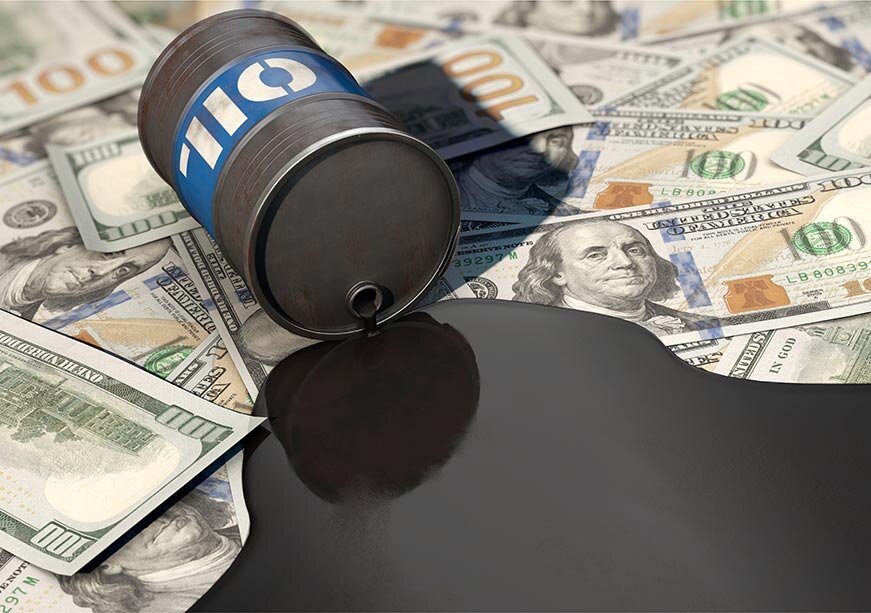
The report, which has been circulating among financial circles, argues that the Iran war represents a “perfect storm” for the petrodollar—the primary currency in which oil has historically been bought and sold.
According to the bank’s findings, several converging factors are now threatening the dollar’s decades-long dominance.
First and foremost is the deepening U.S. military entanglement in the Persian Gulf. As American naval forces become increasingly tied down securing strategic waterways, the perception of U.S. stability—long the bedrock of the dollar’s reserve status—is being called into question.
Simultaneously, the weaponization of the Strait of Hormuz by Iranian forces has disrupted tanker traffic and forced buyers to seek alternative, more reliable trading mechanisms.
Yet the most striking development, according to the report, is mounting evidence that Tehran is granting passage through the strait in exchange for yuan-denominated payments. This quid pro quo arrangement, if verified, establishes a direct financial incentive for oil buyers to sidestep the dollar entirely.
Taken together, these three elements—military overextension, a strategic chokepoint turned into a bargaining tool, and China’s yuan stepping into the void—amount to what Deutsche Bank calls a “historic blow” to dollar dominance.
For decades, the petrodollar system has given the United States unique leverage, forcing nations to hold dollar reserves simply to purchase energy. A shift away from that model would not only weaken U.S. financial influence but also empower rival powers like China and Russia.
While the White House has yet to comment on the report, energy analysts note that any sustained move away from the dollar would have profound consequences.
Oil-importing nations might face higher transaction costs and currency volatility, while the U.S. could lose its ability to effectively impose financial sanctions.
Whether this perfect storm will indeed materialize remains uncertain.
What is clear, however, is that the Iran war has opened a door that Washington may find difficult to close—one where the world’s most traded commodity no longer requires the world’s most dominant currency.

No comments:
Post a Comment