
US naval blockade risks wider conflict at sea
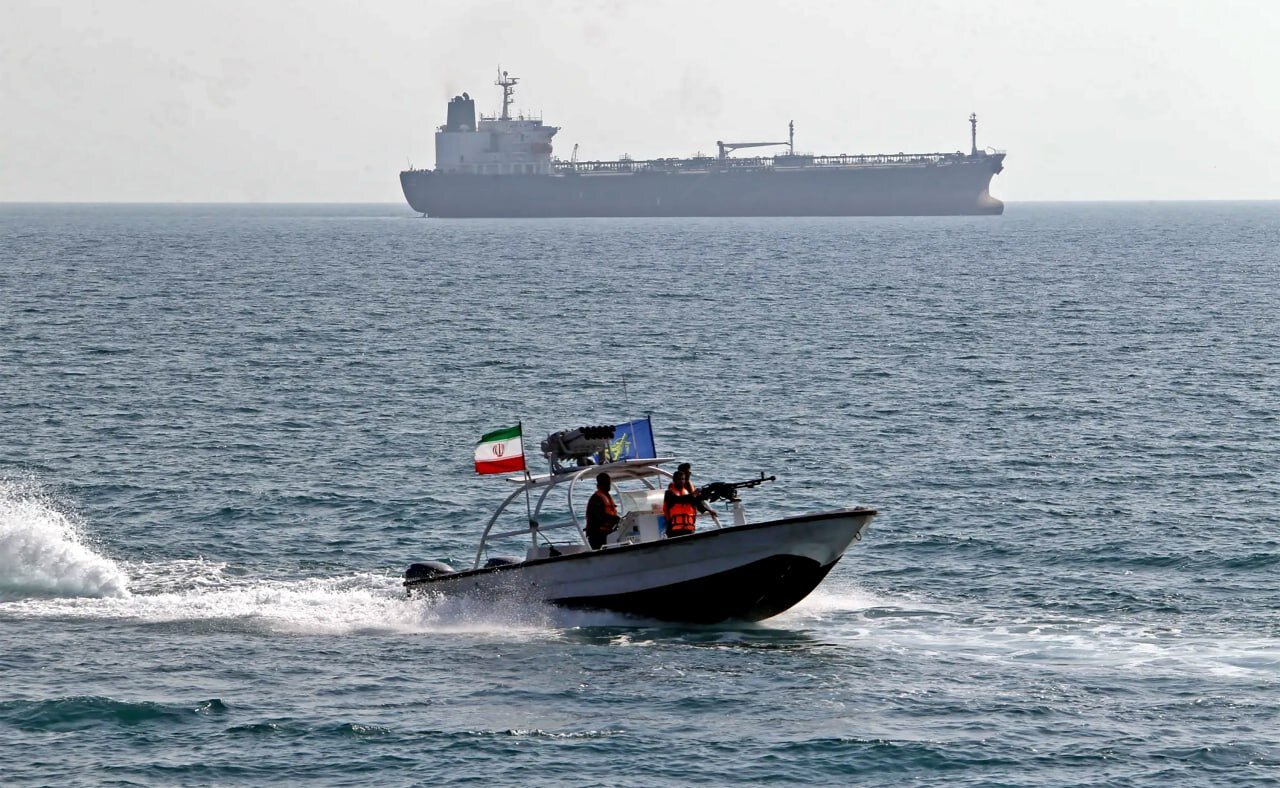
TEHRAN - Iran has issued a stern warning to the United States over the imposition of a naval blockade on Iranian ports, cautioning that continued pressure could endanger regional maritime security and undermine the fragile post-war ceasefire environment.
The escalation follows President Donald Trump’s announcement on Monday of a naval blockade targeting all vessels entering or leaving Iranian ports.
The US Central Command (CENTCOM), which is responsible for military operations in the Middle East and is leading the war on Iran, said the blockade is being enforced against vessels of all nations “entering or leaving coastal areas or ports in Iran”.
On Wednesday, the head of Iran's highest operational command warned the US against continuing “its illegal action of naval blockade.”
Major General Ali Abdollahi, the commander of Khatam al-Anbiya Central Headquarters, also cautioned the US against creating “insecurity for Iranian commercial ships and oil tankers” in the region.
“This action by the US will be the precursor to violating the ceasefire, and the powerful Iranian armed forces will not allow any exports or imports to continue in the Persian Gulf, the Gulf of Oman, and the Red Sea,” he said. The top military official added that Iran “will act decisively to defend its national sovereignty and its interests”.
His remarks underscore Tehran’s position that the Strait of Hormuz and surrounding waterways remain strategic red lines in any escalation scenario.
Cracks within US blockade
Despite the announcement of the blockade by the United States, early shipping data indicate that maritime traffic through the Strait of Hormuz has not been fully halted.
Reports cited by international monitoring services showed that several Iran-linked vessels continued transiting the waterway. Iranian media highlighted the continued movement of Iran-affiliated shipping as evidence that the US measures have not yet achieved their stated objective of fully disrupting Iranian maritime trade.
The latest confrontation comes in the aftermath of a wider military escalation that began on February 28, when the US and Israel launched war on Iran. Since the outset of the conflict, Iran has asserted control over the Strait of Hormuz, preventing vessels affiliated with the US and Israel from passing through the waterway.
A two-week ceasefire reached between Iran and the US on April 8 temporarily halted hostilities, including exchanges of strikes across multiple regional fronts. That truce was followed by Pakistani- mediated negotiations in Islamabad over the weekend, which ultimately collapsed without an agreement.
The breakdown of talks has been interpreted as evidence of Washington’s inability to convert military pressure into diplomatic concessions.
Strategic escalation and shifting pressure
Trump’s decision to intensify maritime pressure appears to follow what analysts describe as mounting strategic setbacks during and after the 40-day conflict period, which failed to achieve Washington’s stated objective of forcing major changes in Iran’s regional posture.
Having fallen short on both the battlefield and at the negotiating table, the United States has increasingly shifted toward maritime and economic coercion aimed at restricting Iran’s oil exports and trade flows.
However, Iran has consistently signaled that it retains the capacity to respond asymmetrically across regional chokepoints, particularly in the Strait of Hormuz, through which a significant portion of global energy supplies passes.
Rising risks for global shipping
Even without full disruption of traffic in the Strait of Hormuz, the escalation has heightened concerns over maritime security in one of the world’s most critical energy corridors. Any sustained confrontation in the Strait of Hormuz risks increasing insurance costs, disrupting shipping schedules, and triggering volatility in global energy markets. Analysts warn that further escalation could extend beyond the Persian Gulf, affecting broader trade routes across the Indian Ocean and Red Sea.
For now, General Abdollahi’s warning reflects a broader Iranian strategy of deterrence through regional reach, signaling that any attempt to pressure Tehran through maritime containment could be met with reciprocal measures across multiple waterways.
As tensions rise, the confrontation risks evolving from a localized naval standoff into a wider economic and geopolitical contest with consequences for global energy security and international trade stability. These repercussions will also worsen the current energy crisis in the US, where fuel prices have risen since the start of the US-Israeli war on Iran.

No comments:
Post a Comment