

Amid fast escalating Western military and economic pressure targeting both countries, China and Iran have drafted a landmark new economic and security partnership which would pave the way for billions of dollars in Chinese investment in the Middle Eastern state. This comes at a time of ongoing economic crisis in Iran which, though rich in resources, had proven unable to effectively manage its economy to withstand Western economic sanctions. Expanded economic ties will be complemented by improved defence ties, including joint training, intelligence sharing, and joint research and development for future weapons programs. Beijing and Tehran have been close partners since the early 1980s, when China alongside North Korea emerged as a major arms supplier and economic partner following the overthrow of Iran’s Western-aligned monarchy in 1979. China has stringently opposed recent Western efforts to impose sanctions on Iran through the United Nations Security Council, as well as U.S.-led efforts to impose an indefinite UN embargo on arms sales to the country with the current embargo set to expire in October this year.
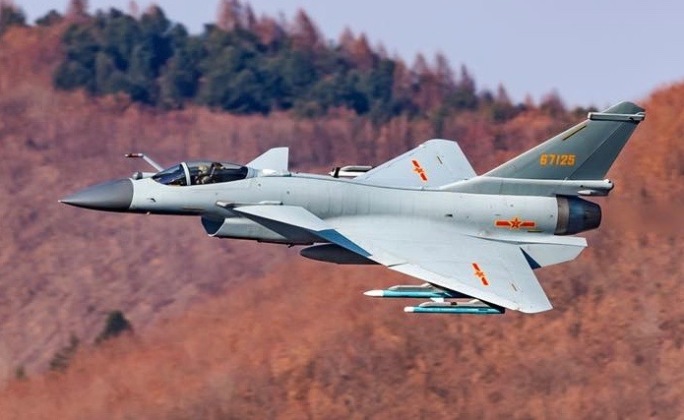
China is considered a leading candidate to provide Iran with a range of next generation weapons systems, with contracts expected to be announced after the arms embargo’s expiry in October. Among the leading Chinese systems in which Iran is expected to show an interest are J-10C ‘4++ generation’ lightweight fighters, PL-15 air to air missiles, VT-4 battle tanks and a range of subsystems including vertical launch technologies to be integrated onto Iranian surface warships. Iran is already a major operator of Chinese weaponry, licence producing a range of Chinese anti ship cruises missile classes and gaining Chinese assistance to modify it’s U.S.-supplied F-4 Phantom fighters into modern maritime strike platforms. It also deploys a squadron of J-7 fighter jets, and has reportedly cooperated closely on a number of weapons programs including its highly successful drone program - with information obtained from study of an CIA RQ-170 stealth drone reportedly passed on to the Chinese People’s Liberation Army.
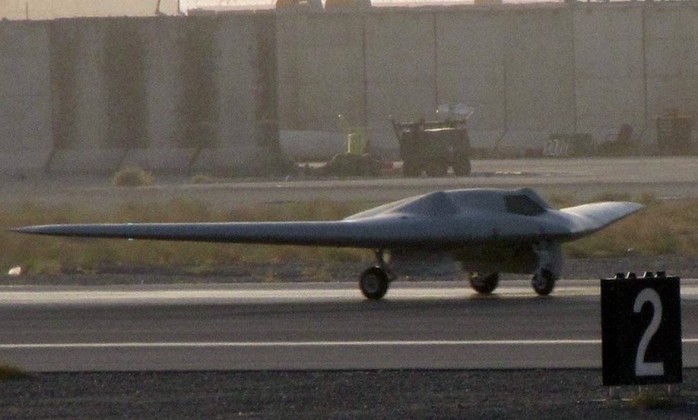
RQ-170 Stealth Drone
Chinese economic support for Iran has been considerable, and has been key to bolstering the country as Western efforts to sanction it have intensified. Investment under the new agreement are expected to target the oil sector, as well as banking, telecommunications, ports and railways among other sectors. With Iran having opposed Western designs in the Middle East particularly over the past decade, combatting Western-backed insurgents and providing direct support to the Syrian government as Western powers sought its overthrow, arming the Hezbollah militia and reportedly providing support to Ansurullah Coalition forces in Yemen, bolstering Iran provides Beijing with a means of keeping the West tied down in the Middle East and undermining its ability to perform a ‘Pivot to Asia’ to target China itself. Although China maintains close ties with a number of Iranian adversaries such as Saudi Arabia and Israel, its support for Iran can be seen to target the Western Bloc rather than Western-aligned regional powers. Iran also represents a much valued source of oil for China, and the current deal is expected to cover terms for oil sales for the next 25 years.
militarywatchmagazine.com

No comments:
Post a Comment