
TEHRAN — It was a source of pride that the United Arab Emirates succeeded in becoming a highly wealthy state in a few decades.
Intoxicated with oil money, possessing the world’s largest airline connecting all four corners of the globe together, coupled with the flow of foreign capital, and a regional hub for trade and tourism, the UAE started adopting dangerous policies that extended beyond the Middle East.
It could remain the Singapore of the Middle East with much greater capacity. The small Arab country started with a covetous eye on Yemen due to its geostrategic position.
It has put the Yemenis against each other to achieve its economic and regional interests. It has also armed and funded opposition forces in Libya and Sudan.
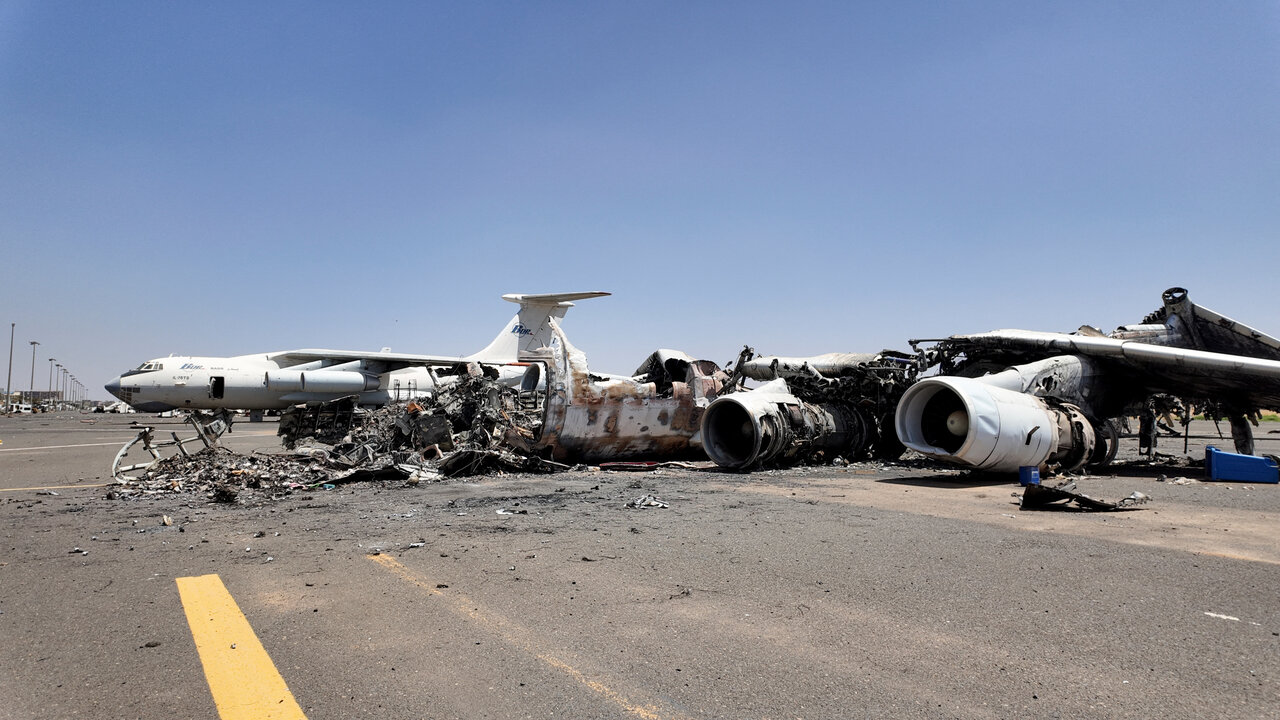
Extensive evidence from United Nations reports, U.S. intelligence, and international human rights organizations indicates that the UAE has been supplying money, arms, and military support to the Rapid Support Forces (RSF) in Sudan, bolstering their position against the Sudanese Armed Forces (SAF).
In fact, the UAE has been following policies based on realpolitik at the cost of morality.
It was also one of only three states that openly opposed the 2015 Iran nuclear deal, officially called the Joint Comprehensive Plan of Action. The UAE leader, Mohammed bin Zayed, referred to as MBZ, put himself on par with Israeli Prime Minister Benjamin Netanyahu in opposing the JCPOA, which was the product of two years of intensive talks between Iran and the 5+1 countries (the five permanent members of the UN Security Council) and Germany.
One year after the UAE, Saudi Arabia and Israel prompted Donald Trump to quit the JCPOA in his first term, they provoked him to attack Iran.
It was for such a reason that Iranian Foreign Minister Mohammad Javad Zarif put MBZ in Group B. Other persons in list were Saudi Crown Prince Mohammed bin Salman (MBS), Bibi Netanyahu of Israel, and John Bolton, who was Trump's national security advisor at the time.
After the UAE normalized ties with Israel in line with the Abraham Accords in September 2020, Abu Dhabi started intelligence cooperation with Israel against Iran.
It was its own decision to normalize ties with Israel, as Jordan, Egypt, and Morocco have done, but that the UAE has made itself complicit in the current Israeli-U.S. war against Iran is extremely unexpected, shocking, and treasonous.
The UAE also became angry with Pakistan, a pro-Arab East Asian country, which has launched diplomatic efforts to broker a ceasefire deal between Iran and the United States, with the hope of a peace between Tehran and Washington.
Now that the United States’ closest allies in the West and the East, including Japan and South Korea, as well as Australia, have openly opposed the war against Iran and are calling for dialogue to end the war, it is unimaginable that the UAE opposes mediation talks.
By allying with Israel in the war against Iran, the UAE has been deceiving the Palestinians and the Arab world at large because Iran has been subjected to crippling sanctions, assassination of its top military brass and politicians, just because it has been unequivocally backing the legal rights of Palestinians whose lands have been stolen by Israel.
In his speeches and press briefings since the war began, Trump, several times, acknowledged that certain Persian Gulf Arab countries were greatly helpful in the air raids on Iran.
Writing an article in Middle East Eye (MEE) on May 4, David Hearst quoted an Iranian official who has said the UAE is serving as an advanced platform for Israel’s interests in the region.
“Iranian sources told MEE that Iranian intelligence had established the Emirati role in the attacks (against Iran) went beyond hosting U.S. bases,” Hearst, the MEE editor-in-chief, wrote.
He added, one official said, "Iranian intelligence believes the UAE also made some of its own air facilities available for operations against Iran."
He suggested this included "deception operations" - false-flag Israeli attacks on Oman and at least one other country intended to look like Iranian ones.
“Iran also believes that cooperation included the use of the AI infrastructure within the UAE to support data collection and analysis for U.S. and Israeli targeting,” Hears said.
In his article, Hearst also says MBZ “has already done more damage to peace and stability in the Middle East in the last two decades than anyone else I can think of, bar Netanyahu and Mossad.”
MBZ, Hearst says, employed mercenary snipers to kill Yemeni figures from civil society.
He has bankrolled the war criminals of Darfur, the Hemedti brothers, and supplied them with arms.
Like Netanyahu’s project of expanding Israel’s borders, MBZ plans to turn his tiny emirate into a "Little Sparta" with a military and financial reach into the Horn of Africa far beyond its size. MBZ modelled his strategy on Israel’s.

No comments:
Post a Comment