The US president signaled support for a potential Israeli attack on Iran’s ballistic missile program
News Desk -- The Cradle
US President Donald Trump met with Israeli Prime Minister Benjamin Netanyahu on 29 December, declaring that a pardon for the premier is “on its way,” while renewing threats against Hamas and signaling Washington’s support for a potential new war with Iran.
“He's a wartime prime minister who's a hero. How do you not give a pardon?” Trump told reporters while standing beside Netanyahu in Florida. “I spoke to the president ... he tells me it's on its way.”
Israeli President Isaac Herzog refuted the claims, saying that he has not discussed the pardon with Trump since Netanyahu’s request was filed weeks ago.
During a press conference with Netanyahu, Trump claimed Israel has “lived up to” the Gaza ceasefire plan “100 percent,” despite the non-stop attacks on the strip and the hundreds of Palestinians killed since the deal was reached.
He also expressed hope that the second phase of the Gaza agreement would be reached “very quickly” and threatened that Hamas would have “hell to pay” if it did not disarm soon.
“If they don't disarm, as they agreed to do, they agreed to it, and then there will be hell to pay for them. They have to disarm in a fairly short period of time.” He also claimed reconstruction could begin “pretty soon.”
Israel has violated the Gaza ceasefire more than 700 times, killing over 400 Palestinians since October.
The deal required Israeli forces to withdraw toward the ‘Yellow Line,’ but Tel Aviv has continued to expand its presence in Gaza in violation of the deal, erecting over a dozen new outposts since October.
The Israeli army also continues to systematically destroy civilian infrastructure in the strip.
Netanyahu and the US president discussed Iran and Lebanon’s Hezbollah during the meeting as well.
“Now, I hear that Iran is trying to build up again, and if they are, we’re going to have to knock them down. We’ll knock them down. We’ll knock the hell out of them. But hopefully that’s not happening,” Trump said.
“I heard Iran wants to make a deal. If they want to make a deal that’s much smarter,” he added.
When asked if the US would support Israeli attacks on Iran’s missile and nuclear programs, Trump said, “If they will continue with the missiles, yes. The nuclear, fast. One will be yes, absolutely, and the other we will do it immediately.”
“I hope they’re not doing it, because we don’t want to waste the fuel on a B-2; it’s a 37-hour trip, both ways,” Trump went on to say.
US B-2 bombers launched a bunker-buster attack on Iranian nuclear facilities in late June. The president said at the time that the Iranian nuclear program was “obliterated.” He has repeated the claim multiple times despite intelligence reports refuting it.
Iran has acknowledged severe damage to the targeted sites.
The Islamic Republic has refused to re-enter nuclear negotiations unless Washington drops its demands for a curb on its missile program and an end to uranium enrichment.
Recent reports have said Iran is working to build up and enhance its stockpile of ballistic missiles, which caused extensive damage across Israel and hit multiple key military sites during the 12-day war in June.
Regarding Hezbollah, the US president said the Lebanese resistance has “been behaving badly.”
“We're gonna see about that. We'll see about it. The Lebanese government is at a little bit of a disadvantage if you think about it with Hezbollah, but Hezbollah has been behaving badly, so we'll see what happens,” he said in response to a reporter’s question on whether or not Israel should “strike Hezbollah again.”
Israel has publicly threatened a new war against Lebanon if the resistance does not surrender its arms by the end of 2025. US officials have backed Israel’s threats.
The Lebanese army has been dismantling Hezbollah infrastructure south of the Litani River in line with the ceasefire agreement reached last year. But Washington and Tel Aviv are pushing for a quick, forceful, and full disarmament across the whole country – even at the risk of pitting the army against the resistance and sparking a civil war.
Trump also expressed hope that Netanyahu would “get along” with Syria.
Israel continues to bomb Syria and expand its occupation in the country’s south, despite the new extremist-led government vowing to pose no threat to Tel Aviv.
Direct talks between the two sides have reportedly been stalled in recent weeks.
On 25 December, Hebrew media reported new progress in the talks and did not rule out that a meeting could soon be held between Netanyahu and Syria’s self-appointed President Ahmad al-Sharaa – a former Al-Qaeda and ISIS official.
“The new president of Syria is working very hard to do a good job. He’s a tough cookie. [But] you’re not going to get a choir boy to lead Syria,” Trump said on Monday.
Trump has reportedly been urging Netanyahu in recent weeks to take a less aggressive stance toward Syria.
“We’ve never had a friend like President Trump in the White House. You can judge that not merely by the frequency of our meetings, but by the content and the intensity. I think Israel is very blessed to have President Trump leading the US,” Netanyahu said during the press conference with Trump.
U.S. Department of State, the UN Office for the Coordination of Humanitarian Affairs (OCHA), and the Permanent Mission of the United States to the UN Office at Geneva sign a memorandum of understanding regarding U.S. funding for UN humanitarian assistance in Geneva, Switzerland on December 29, 2025. [Muhammet İkbal Arslan – Anadolu Agency]
The US Department of State and the UN Office for the Coordination of Humanitarian Affairs signed a memorandum of understanding yesterday that outlined US humanitarian aid contributions, significantly reduced from previous years to just $2 billion.
Amid the rhetoric, the US Department of State’s press release summarises the “new paradigm’ thus: fund vehicles that “will be administered by OCHA pursuant to comprehensive country-level policy agreements that will govern the delivery of UN humanitarian assistance in specific countries of operation and ensure alignment with American interests and priorities.”
The press release notes that the UN failed to deliver on its promise and accuses UN bodies of abandoning their original mandate “of protecting global peace and security – too often espousing radical social ideologies acting to undermine American interests and values, and undermining peace, sovereignty and shared prosperity.” What the press release conveniently left out is – who and what rules the UN? Which countries facilitated the degeneration of human rights to elevate war crimes and crimes against humanity into necessities of human rights? That is what the UN stands for at present, in complete alignment with US foreign policy.
The humanitarian response puts to shame the ideal of humanitarian aid. “At a moment of immense global strain, the United States is demonstrating that it is a humanitarian superpower, offering hope to people who have lost everything,” Tom Fletcher, the UN Undersecretary General for Humanitarian Affairs and Emergency Relief Coordinator said in a statement acknowledging the US’s slashed humanitarian aid contribution.
When has the US ever demonstrated that it is a humanitarian superpower? All its humanitarian endeavours have been linked to foreign intervention – USAID was one prime example. How can Fletcher utter such a statement knowing that US funding and weapons render the US completely complicity in Israel’s genocide in Gaza? The US spent $21.7 billion in military aid to Israel since 7 October 2023. Can UN officials have the decency to retract statements that hype up $2 billion in humanitarian aid as “hope to people who have lost everything”? Which country made people lose everything in the first place? The $2 billion donor, of course.
But of course, this is how the humanitarian paradigm works, or doesn’t work. In humanitarian terms, the paradigm is a failure. People don’t feed on hope; people need security, access to food, water, hygiene and education. The UN should stop selling hope as a tangible human rights; at least for as long as it supports all forms of international law violations, war crimes and genocide. Recipients of humanitarian aid want dignity, not hope. Dignity is not found in a donation of $2 billion from a superpower whose speciality is foreign intervention in the name of democracy.
For $2 billion, the US has humanitarian officials grovelling and heaping praise is as ludicrous as it sounds. The most unfortunate truth is that the UN is funded by countries that profit from committing crimes against humanity. Therefore, there is no conflict of interest for Fletcher, and many other UN officials who sing the praises of humanitarian donors, to praise the US donation. Using the term “humanitarian superpower”, however, is stretching even the boundless limits of imagination too far.
TEHRAN, (MNA) – As global challenges intensify, nuclear technology is emerging as a practical solution across multiple sectors, offering tools for healthcare, food security, environmental protection, and sustainable energy.
Nuclear technology has become an integral part of modern daily life in Iran, extending far beyond power generation and strategic considerations. From medical diagnostics and cancer treatment to food security, environmental protection, and sustainable energy production, its applications now directly affect public welfare.
While the term “nuclear technology” often evokes images of power plants and electricity generation, much of its impact has quietly entered everyday life. Today, nuclear science is no longer an abstract or purely strategic concept; it has evolved into a practical tool addressing real societal challenges.
Contrary to common perception, electricity generation represents only one dimension of nuclear technology. The field encompasses a wide range of interdisciplinary sciences, including physics, chemistry, engineering, medicine, biotechnology, and materials science. Of growing importance are its non-energy applications—areas that are closely linked to human health, food security, and environmental sustainability.
In Iran, the development of nuclear technology has followed a targeted and systematic path in recent years, with a significant emphasis on domestic expertise and locally trained specialists. This reliance on indigenous knowledge has enhanced the strategic value of the sector and strengthened national scientific capacity.
Advancing Healthcare and Medical Treatment
One of the most tangible contributions of nuclear technology is in medicine and healthcare. Nuclear medicine plays a critical role in the early diagnosis of diseases, particularly various forms of cancer.
The production of radiopharmaceuticals, precise imaging of internal organs, and targeted tumor therapies are among the achievements that have saved thousands of lives. In recent years, Iran has succeeded in domestically producing a substantial portion of the radiopharmaceuticals required by its healthcare system.
This achievement has reduced dependence on external suppliers and significantly improved patient access to diagnostic and treatment services. Patients who once needed to seek medical care abroad can now receive specialized treatment within the country—an outcome with both economic and humanitarian significance.
Strengthening Food Security Through Nuclear Applications
Food security remains one of the most pressing global challenges, driven by population growth, climate change, and water scarcity. Nuclear technology has emerged as a key tool in addressing these challenges.
Applications such as food irradiation to extend shelf life, pest control without chemical pesticides, and the improvement of seed quality contribute to reducing food waste while safeguarding consumer health and the environment.
In Iran, multiple research initiatives and projects are underway to improve crop productivity, enhance seed resilience, and reduce water consumption using nuclear techniques. These efforts aim to support agricultural sustainability under increasingly challenging climatic conditions.
Nuclear Technology and Environmental Protection
Contrary to widespread assumptions, nuclear technology can serve environmental protection objectives. Its applications include pollution monitoring, groundwater assessment, tracking industrial contaminants, and waste management.
Nuclear-based tools enable precise and scientific measurement of pollutants—an essential prerequisite for effective environmental policymaking. As environmental crises increasingly threaten societies worldwide, the informed and responsible use of nuclear technology can play a significant role in preserving natural resources.
Scientific Self-Reliance and Technological Capability
A defining aspect of Iran’s nuclear program is the localization of expertise and the training of specialized human capital. Achieving the full nuclear fuel cycle without external dependence demonstrates the country’s scientific capacity and technical resilience.
This self-reliance supports not only scientific independence but also sustainable development and autonomous decision-making. Recent experience has shown that investment in knowledge-based and advanced technologies can serve as a powerful driver of national development.
Nuclear technology represents a clear example of this trajectory—one that begins in universities and research centers and ultimately delivers tangible benefits to society.
Nuclear Power Generation and Energy Security
Nuclear energy is among the most sustainable and strategic methods of electricity generation worldwide. As many countries face energy shortages and environmental pollution, nuclear power has gained renewed importance as a stable, low-carbon, and reliable energy source.
Electricity generated through nuclear fission provides continuous power without dependence on weather conditions, making it a critical component of national energy security.
In Iran, nuclear power generation has become a central component of long-term energy planning. The Bushehr Nuclear Power Plant, the country’s first nuclear facility, has a capacity of 1,000 megawatts and plays a significant role in supplying stable electricity to southern regions. It produces billions of kilowatt-hours annually, preventing the consumption of millions of barrels of fossil fuels—a result with substantial economic and environmental benefits.
Bushehr stands as a symbol of Iran’s technical and engineering capability to operate nuclear technology safely. Its success has led to plans for expansion, with two additional 1,000-megawatt units currently under construction at the same site. Once completed, these units will significantly increase Iran’s nuclear power capacity.
According to national energy strategies, Iran aims to generate several thousand megawatts of nuclear electricity in the coming years. This approach will help reduce reliance on fossil fuels, lower air pollution, and decrease greenhouse gas emissions. Nuclear energy, considered one of the cleanest power sources, can effectively complement renewable energy systems.
Beyond electricity production, the development of nuclear power plants facilitates knowledge transfer, workforce training, and the strengthening of technical infrastructure. A broad industrial chain—from engineering and construction to operation and maintenance—becomes engaged, further stimulating technological growth.
Overall, nuclear technology in electricity generation is not merely a technical choice but a strategic necessity for the country’s energy future. The experience of the Bushehr NPP demonstrates Iran’s capacity for safe and sustainable nuclear operation, and the completion of new units is expected to further solidify nuclear power’s role in the national energy mix.
From Abstract Concept to Daily Reality
A realistic and scientific perspective on nuclear technology transforms it from an abstract notion into a practical instrument for improving quality of life. Today, nuclear technology is no longer confined to technical or political debates; it has become part of contemporary human life.
From medical diagnostics and treatment to food security, environmental protection, and energy sustainability, nuclear technology continues to shape daily realities. Iran’s experience shows that with reliance on domestic knowledge, this technology can be effectively directed toward public benefit. A future in which science serves humanity is not only possible—it is already taking shape.
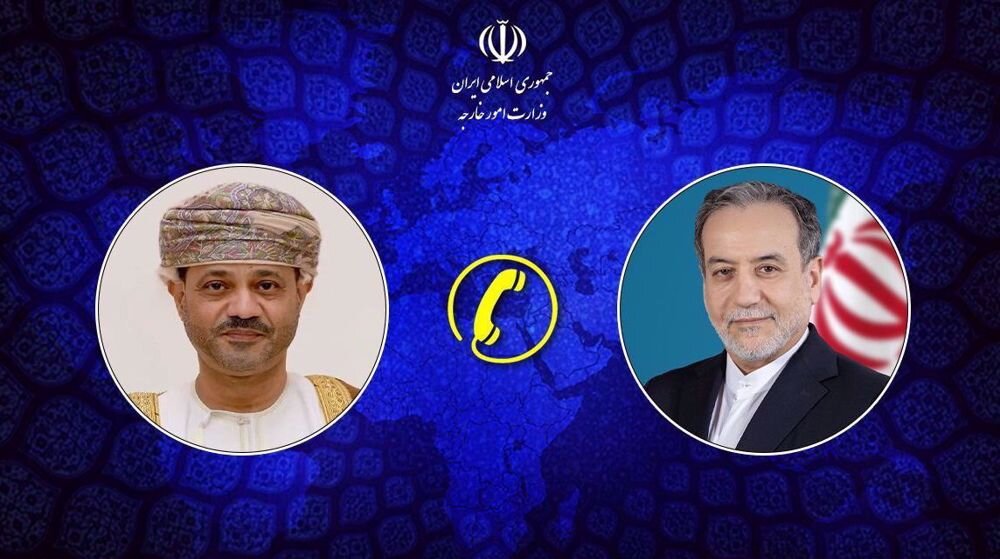
TEHRAN – Iranian Foreign Minister Abbas Araghchi and Omani Foreign Minister Sayyid Badr bin Hamad bin Hamood Albusaidi have stressed the need for sustained consultation and coordination among Islamic countries to address the drivers of division and instability in the region.
In a telephone conversation on Monday, the two ministers reviewed the state of bilateral relations and exchanged views on key regional and international developments. They discussed various aspects of Iran–Oman cooperation and explored ways to further deepen ties between the two countries.
Araghchi voiced concern over the evolving situation in southern Yemen, underscoring the responsibility of regional states to work together to safeguard Yemen’s territorial integrity and promote stability. He emphasized that coordinated regional efforts are essential to preventing further escalation.
Tensions in Yemen escalated on December 3, when forces loyal to the UAE-backed Southern Transitional Council (STC) took control of Hadramout following clashes with Saudi-backed armed groups. The STC later expanded into the eastern governorate of al-Mahrah without reported resistance and has since begun recruiting local forces in both areas.
Following the STC’s recent territorial gains, Saudi Arabia conducted airstrikes on Friday against STC positions. The strikes reportedly targeted several locations used by the Hadrami Elite Forces in the Ghayl bin Yamin area, near major oil fields. According to reports, the attacks caused no casualties or damage to military equipment.
The STC said on Saturday that it is moving closer to declaring an independent state in southern Yemen.
During their conversation, Araghchi and Albusaidi also reviewed developments across West Asia, the Mediterranean, and the Horn of Africa. They reiterated the importance of ongoing dialogue, consultation, and collective approaches among Islamic countries to counter sources of discord and instability throughout the region.
As 2025 draws to a close, it stood out as a defining year for Iranian women in science – marked not only by significant breakthroughs but also by international recognition of their achievements, all accomplished despite numerous challenges fueled by Western sanctions.
Across fields such as cancer biology, regenerative medicine, nanotechnology, pharmaceutical innovation, and traditional medicine, Iranian women scientists have continued to push the boundaries of knowledge, earning prestigious awards and advancing cutting-edge research with tangible medical and technological implications.
Despite various challenges, inadequate resources, and geopolitical constraints, these scientists have demonstrated that excellence in research transcends borders. Their achievements in 2025 reflect a sustained commitment to scientific rigor, innovation, and real-world impact.
From molecular oncology to heart tissue engineering and from nano-based therapeutics to evidence-based traditional medicine, their work has contributed not only to Iran’s scientific standing internationally but also to global efforts to improve healthcare standards.
We profile five Iranian women whose scientific achievements and recognitions in 2025 highlight the increasing visibility and influence of Iranian women researchers in the global scientific community.
Sepideh Mirzaei-Varzeghani: Advancing cancer treatment
In September 2025, Iranian molecular biologist Dr. Sepideh Mirzaei-Varzeghani was awarded the Mustafa Prize Medal for Scientists Under 40, a distinction granted within the biennial Mustafa Science and Technology Festival.
She is among the first women recipients of this newly instituted medal, which recognizes young scientists from the Islamic world for outstanding contributions to science and innovation.
Dr. Mirzaei-Varzeghani presently serves as an Assistant Professor of Cell and Developmental Biology at the Science and Research Branch of Islamic Azad University in Tehran.
Her research focuses on a major problem in cancer treatment: why cancers stop responding to drugs, which has won her global acclaim.
Sepideh Mirzaei-Varzeghani
Many patients initially respond well, but over time, the cancer becomes resistant and continues to grow. She studies NF-κB, a key cellular pathway that helps cancer cells survive and resist chemotherapy and radiotherapy when it is overactive.
Her award-winning work reveals that non-coding RNAs, such as microRNAs, long non-coding RNAs, and circular RNAs, can regulate this pathway.
These molecules, once thought to be useless, can either turn NF-κB on or off, affecting how cancer cells respond to treatment.
Mirzaei-Varzeghani’s findings suggest that combining current cancer drugs with RNA-based therapies could reduce drug resistance and lead to more effective, personalized cancer treatments.
Sara Pahlavan: Re-engineering the beating heart
In the field of regenerative medicine, Dr. Sara Pahlavan has contributed to one of the most ambitious goals in biomedical science: the development of bioengineered heart tissue.
A specialist in cardiac cell electrophysiology, Dr. Pahlavan is an Assistant Professor and leads cardiovascular research at the Royan Institute, one of Iran’s leading centers for stem cell research.
Dr. Pahlavan and her research team worked on a new way to grow heart tissue in the lab. They started with a rat heart that had all its original cells removed, leaving behind a natural “framework” of the heart.
They then added human stem cells that can turn into heart cells. About 60 million cells were placed into the heart framework in stages, using special lab equipment to help the cells grow properly. To help the cells attach and survive, the team added growth substances to different parts of the heart structure.
Sara Pahlavan
The results were impressive. The cells remained alive, developed into various types of heart cells, and after just 12 days, the lab-grown heart tissue began to beat in a coordinated manner.
This breakthrough, published in the scientific journal Biomaterials, helps solve major problems in heart tissue engineering and brings scientists closer to creating functional heart tissue for future medical use.
Dr. Pahlavan has been a faculty member at the Royan Institute since 2017 and currently serves as head of its cardiovascular research group.
Her work represents a significant step toward developing functional bioengineered hearts, with long-term implications for treating patients with severe heart disease who face organ shortages.
Bibi Fatemeh Haqir-Sadat: From nanobiotech to cancer therapeutics
Dr. Bibi Fatemeh Haqir-Sadat stands out as one of Iran’s leading figures in nanobiotechnology and nanomedicine, with more than a decade of sustained research and innovation.
She earned her PhD in Nanobiotechnology from the University of Tehran’s Faculty of New Sciences and Technologies and later obtained a PhD in Nanomedicine from VU Medical Center (VUMC) in Amsterdam, graduating in 2018.
Her doctoral dissertation at VUMC was recognized as one of the top theses in Europe, an achievement underscored by its unusually high scientific output.
While European doctoral research typically yields three to four ISI-indexed publications, Haqir-Sadat’s work resulted in ten peer-reviewed ISI articles.
The research culminated in the development of a novel cancer drug candidate, which is expected to reach the production stage following completion of regulatory processes.
Bibi Fatemeh Haqir-Sadat
Beyond academia, Dr. Haqir-Sadat has been actively involved in technology transfer and the commercialization of scientific innovations.
She holds 12 finalized domestic patents, several additional patents under final review, and one US patent application currently in the evaluation stage.
Her work on nano-based formulations derived from medicinal plants and active pharmaceutical ingredients has received official knowledge-based certification, leading to the development and approval of multiple knowledge-based products.
She has also served as a reviewer for domestic and international scientific journals in nanotechnology and medicinal plant research and has participated in more than 70 national and international research projects.
Recognitions such as National Top Technologist, Exemplary PhD Student, and Outstanding University Achievement reflect the breadth of her scientific and technological impact.
Maria Beyhaghi: Nano-enabled therapy for neurodegenerative disease
In 2025, Dr. Maria Beyhaghi, CEO of a health-focused knowledge-based company based in Mashhad’s Health Technology Park, was selected as a recipient of the COMSTECH Young Women Researcher Grant.
This competitive program, organized by the Standing Committee on Scientific and Technological Cooperation of the Organization of Islamic Cooperation (COMSTECH), aims to support emerging women scientists and foster scientific collaboration across member states.
Dr. Beyhaghi’s research centers on nano-formulated herbal therapeutics, particularly for neurodegenerative disorders.
Her company has developed a nano-based dietary supplement designed for the prevention and treatment of Alzheimer’s disease, initially produced in forms such as lozenges and chewing gum before being reformulated as syrup to better suit elderly patients.
The supplement uses nano-particles containing natural compounds such as fenchol and quercetin, which are known for their antioxidant and neuroprotective properties.
Maria Beyhaghi
These compounds have been nano-formulated to enhance bioavailability and therapeutic efficacy.
According to Beyhaghi, the formulation targets genes associated with Alzheimer’s disease.
Clinical trials involving 30 Alzheimer’s patients demonstrated improvements in behavioral symptoms, sleep quality, and neurological agitation.
Additional findings suggested reductions in hand tremors among Parkinson’s patients, along with decreased anxiety and improved motor control.
Beyond neurodegenerative disorders, the nano-formulation has shown potential benefits in preventing oral, esophageal, and gastric cancers, reducing inflammation and allergic responses, regulating blood sugar, strengthening immune function, and supporting cardiovascular health.
While classified as a supplementary therapy to be used alongside physician-prescribed medications, the product represents a significant application of nanotechnology in natural medicine.
Roja Rahimi: Global recognition for Iranian traditional medicine research
Dr. Roja Rahimi, Professor of Traditional Pharmacy at Tehran University of Medical Sciences, received the 2025 Bionorica Phytoneering Award, an international honor presented by the German pharmaceutical company Bionorica.
The award recognizes outstanding research in the development, pharmacodynamics, pharmacokinetics, and clinical application of phytopharmaceuticals.
Roja Rahimi
Dr. Rahimi holds a PharmD and a PhD in Traditional Pharmacy and completed her postdoctoral research in the pharmacology of medicinal plants used for gastrointestinal disorders in Iranian traditional medicine.
Her work has focused extensively on evaluating the safety, efficacy, and pharmacovigilance of herbal medicines, bridging traditional knowledge with modern scientific standards.
She has authored more than 200 scientific publications, contributed to and edited multiple book chapters for international publishers, and has been listed among the top one percent of highly cited scientists worldwide in multiple years, including 2015-2017, 2022, and 2024.
Rahimi’s work has played a key role in positioning Iranian traditional medicine as a credible source of therapeutic innovation.
A collective impact beyond borders
Taken together, the achievements of these five women illustrate a broader reality: Iranian women scientists are not only contributing to global science but are also shaping it.
Their work in 2025 spans fundamental research, translational medicine, and commercial innovation, offering solutions to some of the most pressing health challenges of our time.
In an era defined by scientific collaboration and interdisciplinary research, their accomplishments demonstrate that talent, persistence, and intellectual rigor can overcome limitations.
As these women continue their work, they serve as both scientific leaders and role models, reinforcing the vital role of women in advancing knowledge and innovation – within Iran and far beyond its borders.
TEHRAN -- Arthur Christensen (1875–1945), the distinguished Danish Iranologist and Orientalist, approached Iran not merely as a historical subject, but as a living phenomenon with social, cultural, and mythological dimensions.
Born in Copenhagen to a middle-class family, Christensen developed an early fascination with the East, inspired by One Thousand and One Nights. By the age of thirteen, he aspired to become a linguist. Christensen pursued studies at the University of Copenhagen, graduating in 1900 in French, Latin, and history, while learning Persian and Arabic from August Ferdinand Mehren, Avestan from Edward Lehmann, Sanskrit from Viggo Fausbøl, and Turkish from Johannes Stroup. His early scholarly work focused on Persian literature, with publications on Ferdowsi’s Shahnameh and other literary figures before he turned twenty-five. His doctoral dissertation examined Omar Khayyam, critically assessing the authenticity of quatrains and establishing 121 as most likely original. Christensen’s research took him across Europe and the Islamic world, laying the foundation for modern Khayyam studies. Christensen was the first non-Iranian elected to the Iranian Academy (Farhangestan) in 1935. He also served as a journalist covering Middle Eastern affairs and traveled to Iran three times (1914, 1929, 1934), gaining deep firsthand insights into Iranian society, culture, and history. His studies spanned the Sasanian period, producing seminal works such as The Sasanian Empire: People, Government, and Court (1907), Iran in the Sasanian Era (1935), and Kavad and the Rise of Mazdak (1925). He explored figures like Bahram Chobin and Bozorgmehr and examined social, political, and religious structures, with a particular focus on Zoroastrianism. Christensen published over 300 books and articles, relying on primary sources such as inscriptions, Pahlavi texts, and manuscripts. His efforts established an independent Iranian linguistics chair at Copenhagen University, promoting Persian language and culture internationally. His work remains foundational in Iranology, blending historical, linguistic, and cultural scholarship with a profound respect for Iran as a living civilization. Christensen passed away on March 31, 1945, in Copenhagen. His personal library was bequeathed to the University of Copenhagen, ensuring the continuation of research in Iranian studies. Through his extensive writings, travels, and teaching, Christensen’s legacy endures as a bridge between Iran and the world, illustrating a lifetime devoted to understanding and sharing Iranian culture and history.
TEHRAN – Barbican Cinema in London will host the program “Masterpieces of Iranian New Wave” from February 4 to 26, 2026.
Exploring identity and oppression with a truthfulness unmatched in any era of Iranian cinema, this program reveals a rich array of gems, many never seen in the UK, ISNA reported.
With UK premieres of newly restored films, plus a world premiere, the second exploration of Iranian New Wave film at the Barbican (following last year's sold-out program) has an extraordinary range of styles and tones, from politically weighty dramas to satirical comedies, poetic documentaries, and crime thrillers.
The program not only interrogates the boundaries between truth and fiction, but also reaches into the very heart of cinema itself. Through some of the most profound examples of self-reflexive filmmaking, it celebrates the brilliance of one of the least-known yet most remarkable cinematic new waves of the 1960s-1970s.
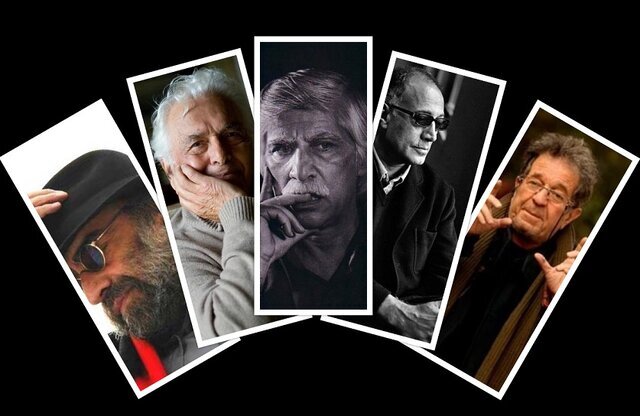
The program, presented in partnership with the Iran Heritage Foundation, features works by masters Ebrahim Golestan, Abbas Kiarostami, Bahram Beyzaie, Dariush Mehrjui, and Masoud Kimiai.
The final cinematic work of director Ebrahim Golestan, “Secrets of the Jinn Valley Treasure”, is a political satire that places the ills of a society under a comic magnifying glass.
A Monty Python–esque allegory about the corrosive impact of oil exports on Iranian life, following a villager who discovers a hidden fortune, becomes rich overnight, and swiftly transforms into a tyrant.
The film’s troubled history began even before its release. Golestan felt compelled to conceal the story during production, aware of how his intentions may be skewed. When it finally reached cinemas, the film was banned after two weeks. The questions remained – were they misinterpretations, or simply interpretations?
Golestan re-edited the film, but the director’s version was never publicly screened… until now. This screening marks the world premiere of the brand-new restoration of the film’s director’s cut.
Three classics from the golden age of the Iranian documentary movement are also included in the program.
Films by Ebrahim Golestan explore the relationship between earth, people, and the cycle of life in a uniquely poetic manner.
“A Fire,” part of his industrial documentaries (made early in his career whilst working for oil companies), was Golestan’s first major international breakthrough. It depicts the extraordinary effort to extinguish a major oilfield fire, combining dramatic immediacy with a poetic sensibility.
Golestan’s “The Hills of Marlik” appears to be about the excavation of an archaeological site, but the unearthed objects become a lens through which 3,000 years of Iranian history are seen.
“The Night It Rained” by Kamran Shirdel follows a newspaper report of a village boy who supposedly saves passengers on a train, an account that is quickly doubted and challenged. In just thirty minutes, Shirdel offers a masterful, incisive portrait of 1960s Iran.
Dariush Mehrjui’s “The Postman” presents a sharp critique of Iran’s rapid Westernization, and the tragic consequences of rash modernity clashing with unravelling tradition.
In the story, inspired by Georg Büchner’s play “Woyzeck,” Taghi (Ali Nassirian), a timid, subservient postman, lives with his wife Monir in a remote corner of northern Iran. He serves as part-time manservant to the local landowner, Niattolah. When Niattolah’s Western-educated nephew returns to remodel the dairy farm into a more profitable pig enterprise, he seduces Monir, a betrayal that hastens Taghi’s harrowing descent into madness.
Allegories are woven into satire, and while “The Postman” may be read as a testimony to class repression, it also expresses a deeper fear of all things human. The film possesses an uncanny ability to shift almost imperceptibly from symbolic satire to a metaphysical realm.
Loneliness and the experience of being orphaned, yet yearning for care and connection, lie at the heart of “Journey” and “A Wedding Suit,” two powerful films from Bahram Beyzaie and Abbas Kiarostami, respectively.
In “Journey,” two teenagers from the shantytowns of southern Tehran travel to the newly built suburbs, searching for one of the boy's parents. The journey itself transcends the boy’s personal aims. “Journey” masterfully weaves in a reflection on the history of cinema through allusions and visual citations.
“A Wedding Suit” also presents a disillusionment with the world through the eyes of young boys. The suit becomes a lens that shows the loneliness and anxieties of youth, in a society indifferent to them, where their vocational and social aspirations are stifled.
These films offer lessons in cinematic modernity from two leading figures of the Iranian New Wave, Beyzaie and Kiarostami.
A seamless fusion of myth, symbolism, folklore, and classical Persian literature, Bahram Beyzaie’s drama “The Ballad of Tara” unfolds like a feminist re-telling of Akira Kurosawa’s samurai epics.
Tara, a strong-willed widow, encounters an ancient warrior spirit in the forest near her village. The ghostly figure pursues her relentlessly, trying to steal a sword she inherited from her father. Finding himself in love with Tara, the warrior is barred from returning to the realm of the dead.
Masoud Kimiai’s cult classic “The Deer” embodies everything remarkable about Iranian cinema of the 1970s: political, provocative, sincere, furious, and tragic.
A former champion turned heroin addict reunites with a leftist classmate and finds a final, fiery form of redemption through revolutionary rage.
Premiering at the Tehran International Film Festival in November 1974, “The Deer” was banned for two years and allowed back into theaters only after Kimiai shot a new ending. Both endings will be screened at this event.
Iranian New Wave refers to a movement in Iranian cinema. It started in 1964 with Hajir Darioush's second film, “Serpent's Skin,” which was based on D.H. Lawrence's “Lady Chatterley's Lover”.
Mehrjui's two important early social documentaries, “But Problems Arose” in 1965, dealing with the cultural alienation of the Iranian youth, and “Face 75,” a critical look at the westernization of the rural culture, which was a prizewinner at the 1965 Berlin Film Festival, also contributed significantly to the establishment of the New Wave.
Later, through the works of Dariush Mehrjui, Masoud Kimiai, Nasser Taqvai, and Bahram Beyzaie, the New Wave became well established as a prominent cultural, dynamic, and intellectual trend.
Photo: From left: Masoud Kimiai, Ebrahim Golestan, Bahram Beyzaie, Abbas Kiarostami, and Dariush Mehrjui