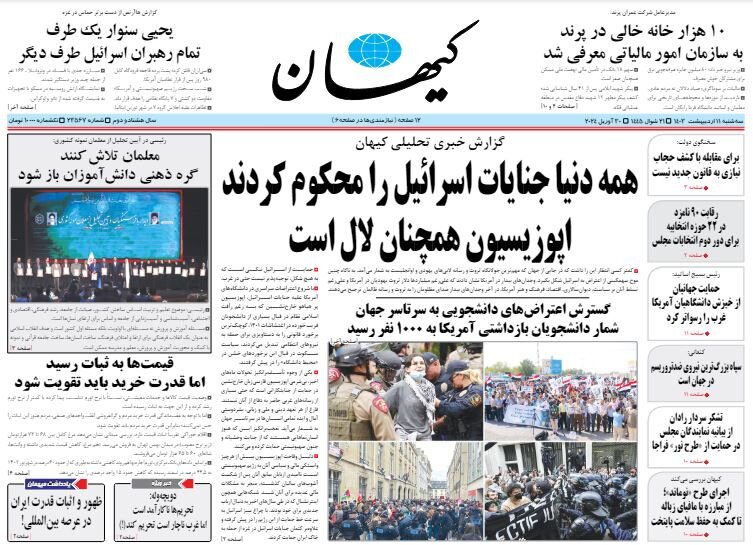
Wednesday, May 01, 2024

Far-Sighted Leader

 By Alireza Akbari

How did Ayatollah Khamenei’s opposition to missile negotiations with US bolster Iran’s position at the historic moment? 
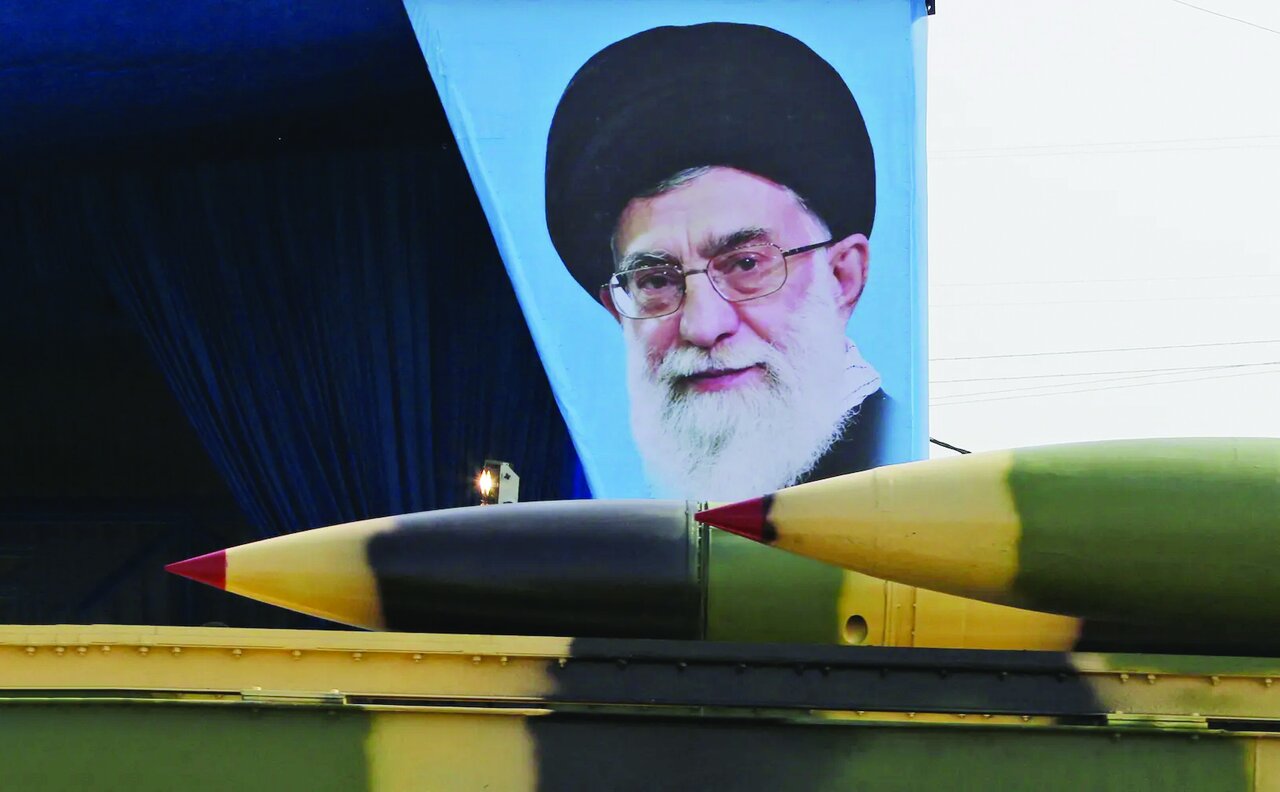
TEHRAN- The insight of the Leader of the Islamic Revolution, Ayatollah Ali Khamenei, has kept the Islamic Republic’s upper hand in its deterrent missile prowess.

In the realm of national defense, the Islamic Republic of Iran has maintained a formidable stance thanks in large part to the strategic foresight of the Leader of the Islamic Revolution.
 
As the architect behind Iran's missile program, Ayatollah Khamenei's influence has been pivotal in shaping the country's deterrent capabilities. 

Visionary leadership and Iran's missile program

Speaking in late June 2017, Brigadier General Amir Ali Hajizadeh, commander of the Islamic Revolution Guard Corps (IRGC) Aerospace Force, underscored Ayatollah Khamenei's significant role in establishing Iran's missile industry. General Hajizadeh highlighted Ayatollah Khamenei's involvement since the Sacred Defense era (Iran’s defense against the invading Saddam Hussein army in the 1980s), where he consistently advocated for the advancement of military capabilities, including through reverse engineering.

Ayatollah Khamenei's leadership has been characterized by a steadfast commitment to bolstering Iran's defense infrastructure and ensuring its preparedness in the face of external threats. His visionary approach has enabled Iran to assert itself as a regional power, capable of safeguarding its sovereignty and deterring potential aggressors.

Furthermore, Ayatollah Khamenei's emphasis on self-reliance and indigenous innovation has not only propelled Iran's technological advancements but also solidified its position as a leader in defense technology within the region.

On March 30, 2016, in the meeting with the panegyrists of Ahlul Bayt (a.s.) on the occasion of Fatimah Zahra’s (s.a.) birthday anniversary, Ayatollah Khamenei pointed to the bullying policy of big powers, saying, “I am not against political negotiations, of course not with everyone. There are some exceptions. I am alright with political negotiations at an international level. I have had certain ideas in this regard since the time of my presidency and I have always pursued such matters. They should not pretend that we are against the essence of negotiation. This is not the case. We agree with it more than they do and in some cases, we know how to negotiate better than they do. We know how to act in this regard. The enemy is using political negotiations as well. Therefore, we should be careful.” 

Elsewhere in his remarks, Ayatollah Khamenei stated, “Some people say the future of the world is all about negotiations, not about missiles.” If this is said out of ignorance, well it is ignorance, but if it is said knowingly, it is treason! How is such a thing possible? If the Islamic Republic pursues science and technology, political negotiations and various financial and economic projects – all of which are necessary of course – but lacks a defensive power and the power to defend, then any rogue and any small and tiny government will threaten it with missiles if it does not do such and such a thing. Well, if you do not have the opportunity to defend, you will be forced to retreat.” 

According to the Leader, the achievements of the Islamic Revolution Guard Corps have been “a source of pride and honor not only for Iranians but also for other nations.” 

Also on October 25, 2017, the Leader, in his address to military cadets, touched on the importance of security saying, “ When we say that security is one of the most important areas, this is because every other achievement depends on security. If security does not exist, then scientific, industrial and economic achievements will not exist either.”

Elsewhere in his remarks, Ayatollah Khamenei added, “We should rely on our elements of power despite and contrary to the desires of the enemy. We have announced before and we would like to announce once more that the defensive resources and power of the country are not negotiable, and they cannot be bargained over. Can they come along and criticize us for having defensive means, for having various forms and versions of them, and for producing and researching into them in the first place? We will not bargain and negotiate with the enemy over those things which increase, and provide support to national power. We are moving forward on the path of the country's power, and this falls on your shoulders.”

Throughout various periods, Ayatollah Khamenei has consistently emerged as an advocate of the defensive missile program. His unwavering stance that Iran's missile capabilities are not negotiable has underscored the country's commitment to safeguarding its borders and national security.

Since the triumph of the Islamic Revolution, Ayatollah Khamenei has steadfastly backed the development of missile technology, recognizing it as a critical component of the nation's deterrence strategy. This steadfast support has elevated Iran to a level of capability that it can effectively protect its sovereignty and territorial integrity.

The recent punitive and retaliatory response of the Islamic Republic to the Zionist regime's aggression on April 13 once again showcased Ayatollah Khamenei's resolute position on keeping Iran's missile program beyond the realm of negotiations with the West. Following the terrorist attack on the Iranian embassy in Damascus on April 1, Iran swiftly responded with a barrage of drones and missiles targeting Israeli military bases in occupied territories.

Operation True Promise, as it was named, reportedly involved a total of 300 drones and missiles precisely aimed at Israeli military installations across occupied lands. This decisive action begs the question: without Iran's formidable missile capabilities, how could such a response have been possible?

Ayatollah Khamenei's leadership has ensured that Iran maintains the upper hand in responding to threats and aggression, safeguarding the country's interests and deterring potential adversaries.

Even amidst pressure to rewrite the Iran nuclear deal, known as the JCPOA, during the tenure of Donald Trump, Ayatollah Khamenei's foresightedness prevailed. Iran avoided accepting Trump's demands for limitations on its missile capabilities, regional influence, and nuclear program.

In essence, Ayatollah Khamenei's vision epitomizes his commitment to protecting national sovereignty and deterring aggression.  

BBC's sensational media campaign against Iran

 By Alireza Akbari

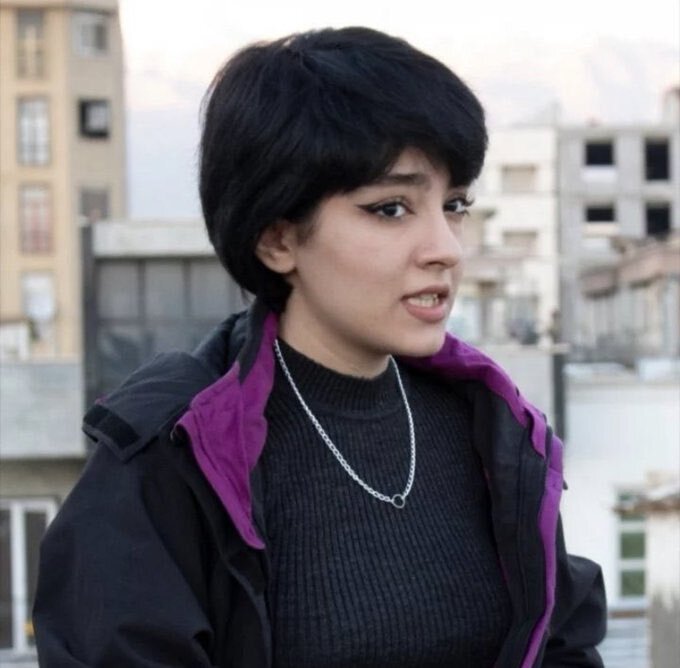
TEHRAN- The BBC has fabricated a groundless report surrounding the tragic death of Iranian teenager Nika Shakarami with a twofold motive: to inflame public sentiment and to deflect attention away from the intensifying crackdown on pro-Palestinian demonstrations within American university campuses.

This incident is not an isolated one. Such instances have been orchestrated by Western media outlets to obscure Israeli war crimes in Gaza, divert attention from the West’s support for oppressive regimes, or, as in this case, to sow discord amidst student-led pro-Palestinian movements.

The BBC's purported role in disseminating unfounded accusations against Tehran underscores broader concerns about the biased viewpoint of Western media coverage vis-à-vis Iran. 

Amid global concern about the plight of freedom advocates facing harsh crackdowns and potential expulsion from American universities, the BBC has reverted to familiar tactics, employing sensationalism to deflect attention and vilify Iran.

Fake allegations by BBC

The latest BBC report has come under intense scrutiny for a multitude of errors that cast doubt on its credibility and raise suspicions of ulterior motives. 

Central to the controversy is the report's reliance on a purportedly official letter, which, upon closer examination, lacks essential hallmarks of authenticity. Notably absent are common features found in official correspondence, such as standardized fonts and seals indicating high confidentiality. Additionally, the letter fails to include crucial temporal markers, a glaring oversight that further undermines its legitimacy.

Furthermore, linguistic anomalies within the letter raise red flags, notably the use of terminology inconsistent with Iran's judicial proceedings. Such oversights suggest a lack of familiarity with the intricacies of Iranian official communications, casting doubt on the document's origins.

Perhaps most egregious is the contradiction regarding the letter's use of a slogan from 2022, yet the Iranian police force's name changed in 2021. This oversight calls into question the credibility of the BBC’s allegedly called “ Highly confidential” document. 

The BBC's assertion regarding Nika Shakarami's death is similarly contentious, as it contradicts findings by Iranian legal authorities. While the report insinuates a connection between Shakarami's demise and Iran’s 2022 riots, investigations have determined otherwise.

Shakarami's tragic death has become fodder for Western media outlets' longstanding agenda, which seeks to undermine the Islamic Republic of Iran by any means necessary. This pattern of manipulation and distortion has been evident since the victory of the Islamic Revolution, with Shakarami's case merely the latest iteration in a series of sensationalized narratives aimed at tarnishing Tehran's reputation.

Simultaneous with Nika Shakarami's death, CNN's attempt to implicate Iranian security forces in her death served as a cautionary tale, highlighting the dangers of hasty conclusions and sensational reporting.

Investigating Nika Shakrami's case

Following the discovery of a teenage girl's body in the backyard of a residence in Tehran, investigations into the circumstances surrounding her death were unfolded. Initial observations suggested that the girl tragically fell from the roof, with her belongings found on the adjacent four-story building's roof platform.

Mohammad Javad Shafiei, the head of Tehran province's criminal prosecutor's office, provided insights into the case. According to Shafiei, residents of a building in Amirakram Square alerted authorities upon discovering the young woman's body in their yard. Specialized teams swiftly arrived at the scene and determined that she had been thrown from the neighboring building into the yard.

Autopsy findings revealed multiple fractures across her body, indicative of a fall from a significant height, with no evidence of gunshot wounds.

Further investigation by the Tehran Criminal Prosecutor's Office included the release of video footage captured seven hours before the discovery of Nika Shakarami's body. The footage depicted her conversing on a mobile phone while approaching a half-finished house near her aunt's residence. Subsequent analysis of CCTV footage confirmed that she had not interacted with anyone in the building and was not being pursued.

While the BBC report claimed the body was found close to 10 p.m., statements from Nika Shakarami's mother contradicted this assertion, indicating a conversation with Nika at the same time.

These inconsistencies raise doubts about the veracity of the BBC report, which purportedly lacks corroborating evidence, eyewitness testimony, or audio-visual documentation. 

These disparities by the BBC highlight the crucial need for conscientious journalism and thorough fact verification to maintain the credibility of reporting and curb the dissemination of unsupported claims.

Shahid Motahari House Meseum

By: Mohsen Rangin Kaman

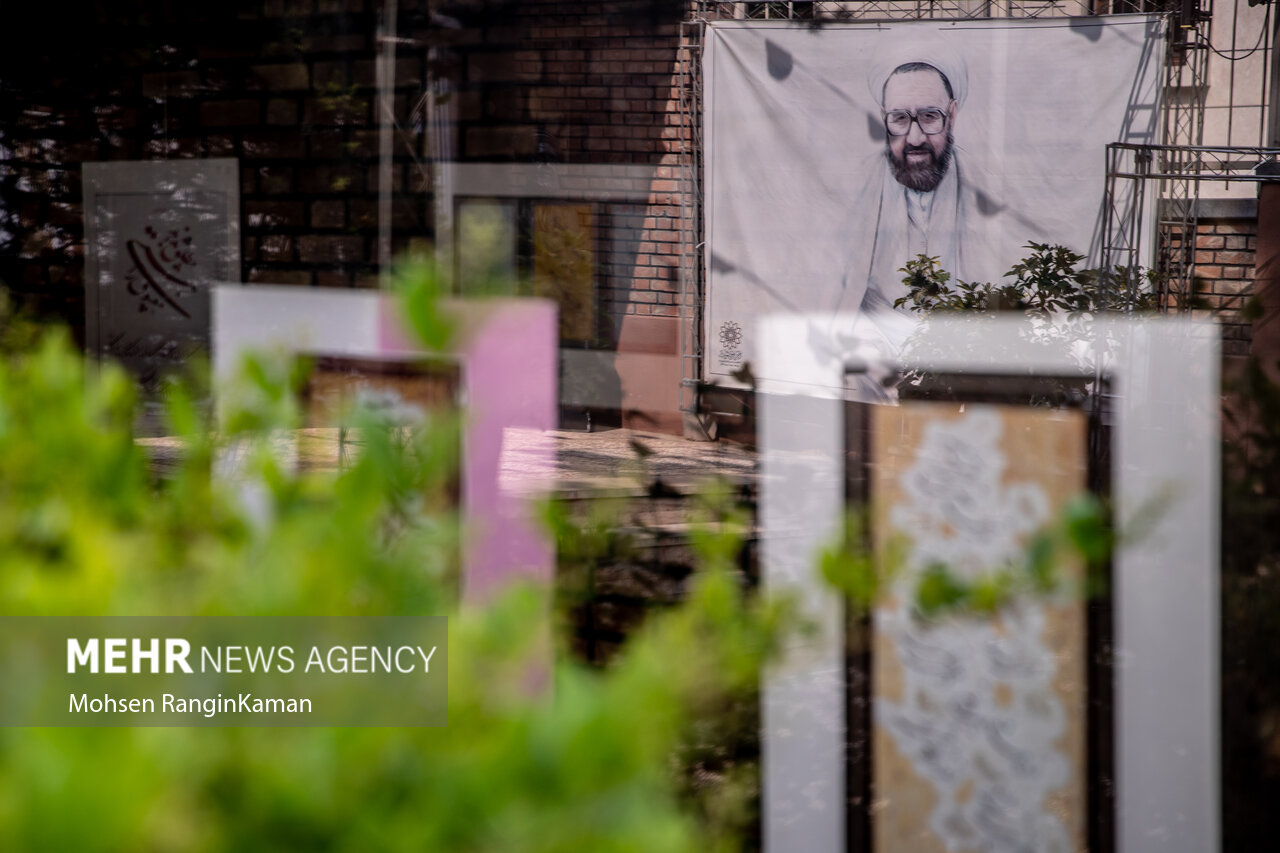
TEHRAN, (MNA) – Shahid Ayatollah Morteza Motahari's house became a museum in 2007. Shahid Motahari lived in the house in Tehran between 1968-1979.

Iran is celebrating Teachers’ Day which marks the day in memory of Ayatollah Morteza Motahari who was assassinated on May 1, 1979.

  • Shahid Motahari House Meseum
  • Shahid Motahari House Meseum
  • Shahid Motahari House Meseum
  • Shahid Motahari House Meseum
  • Shahid Motahari House Meseum
  • Shahid Motahari House Meseum
  • Shahid Motahari House Meseum
  • Shahid Motahari House Meseum
  • Shahid Motahari House Meseum
  • Shahid Motahari House Meseum
  • Shahid Motahari House Meseum
  • Shahid Motahari House Meseum
  • Shahid Motahari House Meseum
  • Shahid Motahari House Meseum
  • Shahid Motahari House Meseum
  • Shahid Motahari House Meseum
  • Shahid Motahari House Meseum
  • Shahid Motahari House Meseum
  • Shahid Motahari House Meseum
  • Shahid Motahari House Meseum
  • Shahid Motahari House Meseum
  • Shahid Motahari House Meseum
  • Shahid Motahari House Meseum
  • Shahid Motahari House Meseum
  • Shahid Motahari House Meseum
  • Shahid Motahari House Meseum

U.S. think tank frightened over growing Iran-Russia security relations

TEHRAN- The analyst of the American think tank, Foundation for Defense Democracies (FDD), has expressed alarm over the deepening of security relations between Tehran and Moscow.

In a report, the think tank warned that Ukraine and Israel are two battlegrounds where Tehran and Moscow not only benefit from strengthening their relationship but also use them to rearrange the global order.

According to reports, the Russian state media “RIA Novosti” recently reported that Russia has expressed readiness to expand military and technical cooperation with Iran. 

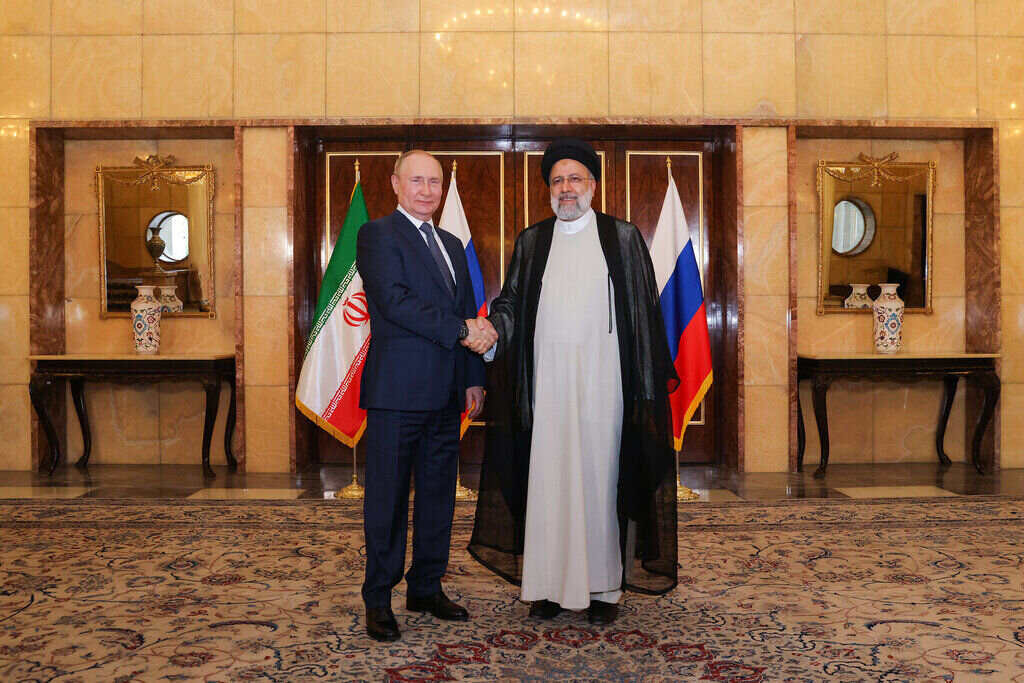
Russian and Iranian defense ministers discussed strengthening security relations between the two countries during a Shanghai Cooperation Organization meeting in Kazakhstan.

The SCO is a security group with members including Russia, India, China, Iran, Pakistan, Kazakhstan, Uzbekistan, Kyrgyzstan, and Tajikistan. The American think tank, citing media reports, stated that Russian Defense Minister Sergei Shoigu emphasized the significant increase in military contracts between Tehran and Moscow during a meeting with his Iranian counterpart.

Senior FDD analyst Behnam Ben Taleblu believes that Russia and Iran have increasingly been able to set aside areas of tension and disagreement between them in order to confront common enemies. 

He went on to point out that the decision of the two countries to strengthen their relationship is not in response to Western pressure, raising alarm bells for the West to increase pressure and raise the costs of this relationship for both sides. The West must work on a strategy that focuses on magnifying the differences between Moscow and Tehran and highlighting them.

Ivana Stradner another analyst from FDD also believes that with the approval of new packages by the United States for Ukraine, Russia is seeking to attract more assistance from its allies. 

In fact, Russia’s victory is also a success for Iran. Tehran and Moscow believe that the United States is their common enemy, and for this reason, both countries have united against Washington.

The expert added that Ukraine and Israel are two battlegrounds where Iran and Russia not only use them to achieve military goals but also to rearrange the global and international order.

This analytical report stipulated that the confrontation with America forms the basis of cooperation between Russia and Iran. 

The meeting of the defense ministers of the two countries took place after the disclosure of confidential Russian government documents on April 17. These documents emphasized the need for greater coordination between Moscow, Iran, China, and North Korea to change the global order under U.S. tutelage. 

Russian President Vladimir Putin also welcomed cooperation with Iran in the energy, trade, agriculture, and technology sectors in December, following increased economic cooperation between Moscow and Tehran to bypass Western sanctions.

The FDD also mentioned Russia and Iran’s cooperation in drone technologies, stating that the United States, the United Kingdom, and Canada imposed new sanctions on April 25 against entities supporting Iran’s unmanned aerial vehicle (UAV) industry.

The final part of this report claimed that since Russia’s invasion of Ukraine in 2022, Tehran has provided hundreds of UAVs to Moscow in exchange for advanced military equipment.

Russia and Iran have both vehemently refuted allegations that Tehran sent Moscow drones to use in the conflict in Ukraine.

In July 2022, U.S. National Security Advisor Jake Sullivan made the first anti-Iran claims, saying purportedly that Washington had “information” indicating that the Islamic Republic was getting ready to give Russia “up to several hundred drones, including weapons-capable UAVs on an expedited timeline” for use in the conflict.

Experts and the media both emphasized the significance of Iranian drones, with much of the media coverage focused on increasing pressure on Iran. The Western media cannot deny the positive role of Iranian drones in the country's foreign policies.    

In an analysis, titled “Can Iran’s Shahed drones in Ukraine help ease tension with Russia?”, military affairs expert and journalist Anton Mardasov discussed the impact of Iranian drones on the relations between Iran and Russia on the Al-Monitor website on August 6. 

According to Al-Monitor, low-cost Iranian drones have significantly impacted the battlefield. “Delivery of drones gave Iran the right to talk to Moscow on an equal footing,” Nikolay Kozhanov, a professor at the Persian Gulf Studies Center of Qatar University, told Al-Monitor. 

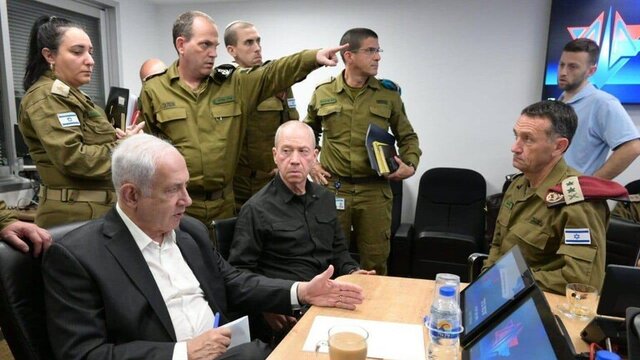
Netanyahu’s War Cabinet’s Efforts to Divert Public Opinion from The Gaza War

Strategic Council Online - Opinion: The Zionist regime is trying to "psychologically exploit" the recent events in the region to divert the world public opinion from the crimes this regime is committing in Gaza. Examining the atmosphere prevailing in the political and media circles of the Zionist regime and the centers aligned with it at the regional and international level shows that this regime seeks to "highlight and dominate" the recent tensions with the Islamic Republic of Iran so that it could reduce the heavy pressure that is felt in the domestic, regional, and international public opinion and even European governments against the Gaza war. Hamid Khoshayand - expert on regional issues

The missile and drone response of the Islamic Republic of Iran against the Zionist regime was a legitimate, deterrent, punitive, and necessary measure that was carried out due to the terrorist operations of this regime against Iranian advisers in Syria in the last few months. Its repetition is subject to the Zionists’ new adventure against the positions and the interests of our country. The Islamic Republic of Iran never seeks to spread tension in the region and has no need to secure and protect its interests and national security through tension.

The fact that the Zionist and American authorities introduce this legal action as a tension-causing is mainly a “projection” aimed at realizing Netanyahu’s “personal goals” regarding the Gaza war, which has assumed “personal dimensions” in his favor.

Field estimates and reports from the internal circles of the Zionist regime show that the regime’s “killing machine” in the Gaza war has practically ground to a halt. Defeat in this war, which was predictable from the first weeks, has resulted in enormous costs for the Zionist regime, so in addition to internal crises in various fields, domestic public opinion has also turned against Netanyahu and his war cabinet.

The challenges created by the killing of the people of Gaza by the war cabinet and Netanyahu personally, and that seen in the speeches of the heads of the Zionist regime, have a Prestigious and strategic aspect.

For this reason, the loudest voice that can be heard today inside the Occupied Territories and by the Zionist residents is “the removal of Netanyahu from power.”

In this regard, the Zionists living in Occupied Palestine continue to gather in various places, including in front of the headquarters, in protest against the current situation. Netanyahu and the cabinet building continue to fight and demand Netanyahu’s removal from power and hold early elections.

In the meantime, Iran’s punitive action not only did not lead the Israeli society to converge with Netanyahu, but on the contrary, it intensified the protests against Netanyahu. For example, the movement known as “Freedom of Our Land,” which is one of the organizers of the recent demonstrations in Tel Aviv, recently issued a statement emphasizing the importance of the protest gathering and noted that “Netanyahu and Ben-Guir are endangering Israel’s security in an organized manner and lead us to the abyss of destruction.

In any case, today, Gaza is the scene of field, military, and intelligence failures of the Zionist regime. At the same time, it is a straightforward document of widespread genocide, violation of all known human principles, crossing all the red lines of international law, and non-adherence to any moral, political, etc. principles, which has caused the world community to focus on it.

The focus of public opinion on the Gaza war has had three significant consequences. First, it has put the developments in Palestine and Gaza in the focus of the world’s attention. Second, it has intensified internal and external pressure against Netanyahu’s war cabinet to end the war and remove him from power. Third, it has caused the regional and Western partners of the Zionist regime to be more cautious in supporting its belligerent policies.

Netanyahu has made the Gaza war a personal issue. According to Netanyahu, only one thing can save him politically from the Gaza swamp, and that is “marginalizing” Gaza from the context of regional and international events and developments. Following the missile response of the Islamic Republic of Iran, Netanyahu and his affiliated extremist elements in the occupied territories are seeking to “highlight” other issues, including tension with Iran, as the first issue of the region and the world.

This is even though a significant part of today’s problems in the region and the challenges and tensions created in the military and security dimensions are caused by the Zionist regime’s war against Gaza. The killing of more than 33,000 Palestinians and the destruction of service, medical, religious, educational, etc. infrastructures in Gaza is so “painful” that nothing can marginalize it.

With diplomatic mechanisms and…, Netanyahu’s cabinet is seeking political and media “space” against Iran’s missile response and “inverted image” of this action and its “oppression” to divert public opinion from what is happening in Gaza and by intensifying “threats” from Iran should put the Zionists and the internal opposition behind it, But this “trick” does not lead anywhere despite the “big issue” called Gaza.

Shameless slavery of the opposition

 TEHRAN PAPERS

TEHRAN - In a note, Kayhan dealt with the support of foreign opposition for Israel's crimes and wrote: One of the unfortunate aspects of the developments during the months that have passed since the war between Israel and Gaza is the insolence of the foreign opposition in supporting criminals that even many Western media do not want to defend them.

The heart of every human being has been hurt by the severity of Israel's crime in Gaza, and even many officials in the European Union and the United States have taken a stand against the madness of Netanyahu and Gallant and other leaders of this regime. But the anti-revolution opposition has brazenly supported Israel. It's enough of their stupidity that they did not recognize the Iranian nation well and from this support did not attract any profit and support from inside Iran. What is certain is that the reason for this insolence of the opposition is their financial and political dependence on the Zionist regime. The opposition has no sympathy for the country and the soil of Iran and demands sanctions and pressure on the people as well as a military attack on the country. Supporting Israel is a disgrace that cannot be justified in any way, even in the West.

Siasat-e-Rooz: The achievement should not be temporary

Siasat-e-Rooz wrote in its editorial: After the missile and drone response of the Islamic Republic of Iran to the criminal behavior of the Zionist regime, as well as the intensification of international support for Palestine and the resistance, which has reached American universities, some inside and outside the country once again raised the idea of reviving the JCPOA or negotiations with America. Supporters of this view believe that Iran is now at the peak of military and diplomatic power, and based on the principles of international relations, this is the right time to get concessions from the other parties who are facing a series of challenges. Considering the uncertainty of Biden's political future, what guarantee is there that Iran will negotiate with the United States, and after a few months, the story of withdrawing from the JCPOA will not be repeated? In a situation where the country's economy is growing, the approach to negotiations will be to return to the conditioning of the economy and even postpone the development of relations with many countries until after the result of these negotiations.

Etemad: Iran's nuclear case prospect

In a commentary, Etemad discussed the prospect of the nuclear case. The paper said: The important point in Iran's nuclear doctrine is that Tehran has dealt with this issue so far in such a way as to reduce the possibility of miscalculation. The most important confirmation of this is the statement of Rafael Grossi, Director General of the International Atomic Energy Agency, that the enrichment rate has been reduced by 60%. Moreover, although the United States has imposed sanctions against Tehran, it does not seem to impose sanctions that will raise the level of tensions. In general, with the escalation of tensions in the region, it seems that the negative consequences of America's withdrawal from the JCPOA have been highlighted more than before. The Israelis have now realized that America has other strategic priorities than trying to involve itself in another conflict in the region. Considering these issues, although now after the escalation of regional tensions and Iran's decisive response to Israel's actions, sensitivities towards Iran's nuclear program have increased, this issue itself can create conditions to manage tensions and interactions.

Shargh: There is no coalition against Iran in the region

In an interview with Mohammad Reza Mohammadi, a senior analyst of Middle East issues, Shargh investigated the rumor of an anti-Iranian Arab coalition. It wrote: The "True Promise" operation can be evaluated from different aspects, one of which can be considered the possibility of strengthening the Arab front to balance with Iran. As some believe, when Iran fired more than 300 missiles and drones at Israel in an unpredictable reaction to Israel's attack on its embassy in Damascus, a fundamental change in the balance of Arab countries between Tehran and Tel Aviv took place. Basically, the strategy of the countries of the region after the Al-Aqsa storm operation and the unprecedented and brutal massacre that Israel carried out in Gaza does not allow the balance of the West Asian Arab equations to be in favor of Israel and against Iran. On the other hand, it soon became clear that the role of the Arabs in repelling the Iranian attack was limited. Both Saudi Arabia and the UAE have frankly denied any direct military participation in defending Israel. Jordanian authorities have also stated that this participation was necessary to protect their interests. As a result, the issue of creating an anti-Iranian Arab coalition is not on the agenda.