
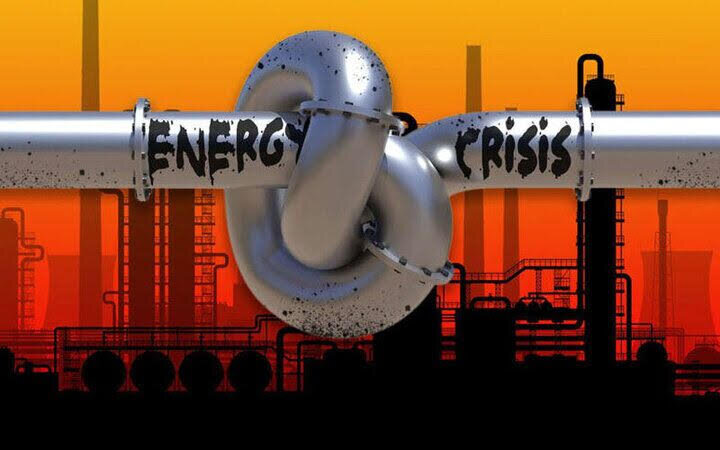
TEHRAN- An energy market expert stated that the butterfly effect of the energy crisis in the Persian Gulf was far more widespread than experts had predicted, demonstrating just how high the world's dependence on West Asian energy truly is.
Mehrad Ebad, in an interview with IRNA explaining the consequences of the recent global energy war, declared: "This conflict was without a doubt one of the most impactful events in the energy sector in recent weeks. After the war began and the ability to transport various cargoes, especially oil, decreased due to operational insecurity in the Persian Gulf, prices began to rise."
He explained: "Simultaneously with the restriction of ship traffic and disruptions in fuel transportation, production in the region was also damaged."
Ebad added: "Many production units, even if not directly damaged, reduced their output due to a lack of storage capacity. Although some efforts were made for limited transportation via pipelines, the volume was negligible and could not compensate for the energy shortage."
According to this analyst, the reduction in global supply caused almost all countries to face rising energy carrier prices.
He noted: "We witnessed energy price increases on every continent, and even the United States was not spared from this inflationary wave. Tapping into strategic reserves and diplomatic efforts to control the market have also yielded no tangible results."
Ebad, referring to the daily increase in prices of various energy carriers, continued: "Natural gas, petrochemical products, fertilizers, and transportation costs have all seen significant growth, and this has had a cascading effect on the prices of most goods passing through the region. The butterfly effect of this crisis was far more extensive than experts predicted and showed just how high the world's dependence on West Asian energy is."
Stating that some countries have taken measures to manage the situation, he added: "Sanctions on Russia were lifted, and the country was again able to sell oil. Iran also continued to export oil during this period and even reduced its discounts, offering it at higher prices. As a result, due to the global shortage, Iran was among the few countries able to increase its exports."
Ebad outlined two main scenarios for the future of the global energy market as follows: "The first is the resumption of hostilities, in which case the prices of all types of energy and related goods in the region and the world will increase, and oil reaching $200 per barrel would not be unlikely."
According to him, "The second scenario is the continuation of negotiations. In this scenario, there is a possibility of a slight decrease and relative stability in the market, but a sharp drop in prices is not expected. If an agreement is reached, the market may return to pre-war price levels over a period of several months."
No comments:
Post a Comment