

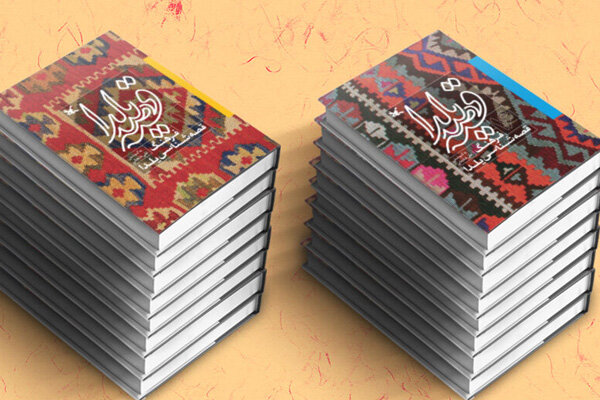
In a monumental stride for cultural preservation, a 16-volume encyclopedia titled the Yalda Storyology Collection has been published, offering an unprecedented scholarly window into the soul of Iran’s narrative heritage.
Released on the eve of the Yalda —a night intrinsically linked to storytelling—this 10,000-page work represents the culmination of a five-year, collaborative endeavor involving 70 researchers, specialists, and editors.
Spearheaded by the renowned author and folklorist Ali Khanjani and published by the Institute for the Intellectual Development of Children and Young Adults (Kanoon), the collection stands as a definitive academic and cultural resource, meticulously cataloging and analyzing the nation’s vast repository of oral literature.
By systematically examining 222 distinct sources, the editorial team has successfully identified, compiled, and classified over 8,000 individual oral narratives.
These include folktales, myths, legends, fables, and parables drawn from the rich tapestry of Iran’s diverse ethnic and regional cultures, from the Caspian shores to the Persian Gulf.
Khanjani asserts that this work effectively represents the near-totality of Iran’s narrative genres, now organized for the first time under a unified, scholarly framework.
“We can now say with confidence that the core canon of Iranian oral storytelling, in all its splendid variety, has been captured and preserved within these pages,” Khanjani stated in an interview.
This collection does not merely archive stories; it resurrects and validates a centuries-old tradition of knowledge transmission that has been the bedrock of communal identity and moral education.
Far from a simple anthology, the “Yalda Storyology Collection” functions as a sophisticated analytical tool. Each entry goes beyond providing a summary of a tale.
It deconstructs the narrative to reveal its underlying architecture: identifying universal and culture-specific motifs, elucidating primary and secondary thematic messages, and cataloging the archetypal human, animal, and supernatural characters that populate these stories.
A particularly innovative section documents the “verbal rituals” embedded within the tales—the precise wording of prayers, oaths, blessings, and poetic verses that are integral to the narratives.
This facet alone opens revolutionary new avenues for interdisciplinary research, allowing anthropologists to trace cultural values, linguists to study historical dialects, and psychologists to explore collective archetypes and societal norms encoded in folklore.
This innovative directory allows educators, parents, therapists, and storytellers to locate tales based on specific ethical concepts, desired virtues, or social lessons—from courage and kindness to the consequences of greed.
A teacher seeking a story about honesty or a parent wishing to find a tale about sharing can navigate this vast treasury with ease, making this ancient wisdom immediately applicable to modern contexts.
Perhaps the most significant academic breakthrough of this project is its integration into the global folkloric community.

For decades, Iranian narratives existed in a comparative vacuum, difficult for international scholars to access or cross-reference with world folklore.
The publication’s timing and title are profoundly symbolic. Yalda, the winter solstice celebration marking the year’s longest night, is one of Iran’s most cherished festivals.
It is a night of familial warmth, where generations gather around a “Korsi” or a spread known as the “Yalda Sofreh.”
This table is adorned with symbolic foods: red pomegranates for the dawn’s vitality and the cycle of life, watermelon to ward off summer’s heat and ensure health, alongside nuts and dried fruits representing prosperity.
At the heart of this gathering is the ancient ritual of storytelling. Elders become conduits of cultural memory, sharing tales that entertain, impart wisdom, and strengthen communal bonds.
The ritual of “Fal-e Hafez,” using the verses of the 14th-century poet Hafez for contemplation and divination, further underscores the deep connection between Persian culture, poetic narrative, and introspective wisdom.

Naming this collection “Yalda” is a powerful tribute to this very context—it recognizes the family hearth and the intergenerational gathering as the original and most vital library where these stories were kept alive.
The physical design of the collection honors its content. The cover of each volume is inspired by the intricate, symbolic patterns found in classical Persian carpets—artifacts that are themselves narrative texts woven in wool and silk, telling stories of gardens, hunting grounds, and celestial dreams.
The “Yalda Storyology Collection” is more than a set of books. It is a cultural milestone, a fortress built against the erosion of time and cultural homogenization.
By preserving these 8,000 narratives with academic rigor and global connectivity, it ensures that the voices of countless unnamed storytellers—the grandmothers, the village elders, the traveling bards—will continue to speak, teach, and inspire, not just on the night of Yalda, but for all the nights and dawns to come.
It secures Iran’s storytelling legacy, allowing it to be studied, celebrated, and passed on with renewed understanding and pride.
Reported by Tohid Mahmoudpour
No comments:
Post a Comment