
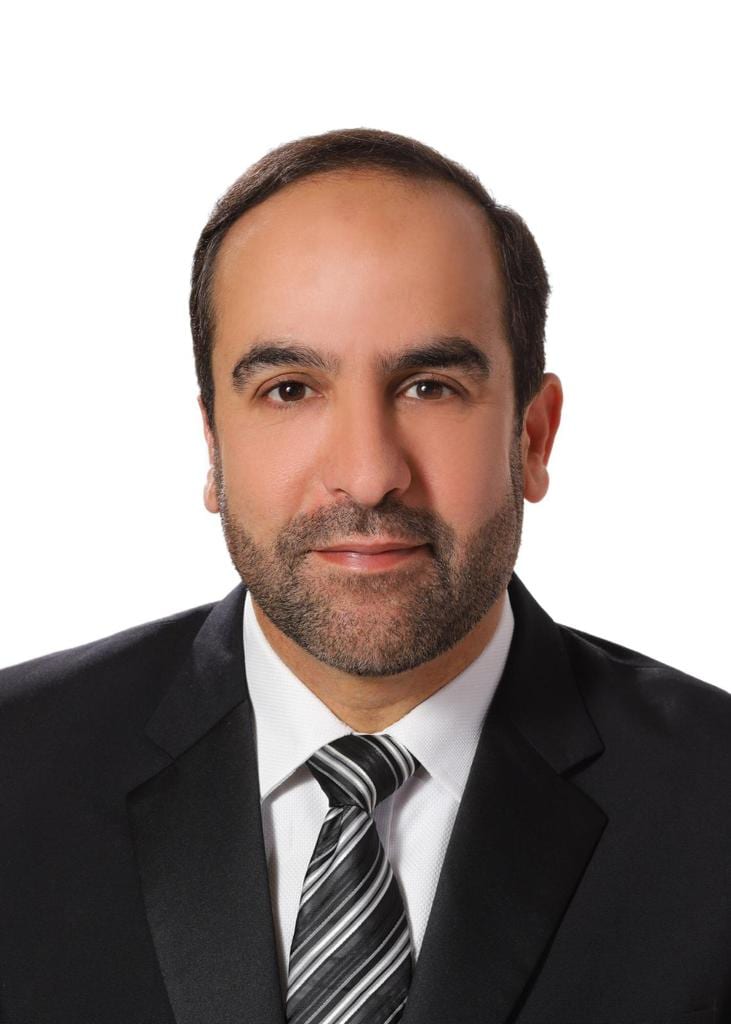

In 2025, if there were a grim global title that captured this reality, Dr Hussam Abu Safiya would be its most visible recipient. Not because he sought attention, but because his abduction was designed to be seen.
Dr Abu Safiya, a senior Palestinian physician and hospital director in Gaza, was taken directly from his workplace. He was wearing his medical gown. A tank stood where an ambulance should have been. Soldiers replaced patients. The scene was not chaotic; it was deliberate. This was not an arrest carried out quietly under legal pretence. It was a detention operation conducted openly, confidently, and without fear of consequence.
His crime was not violence. It was speech. Calm, professional, documented speech about the siege of hospitals, the bombing of medical facilities, the blocking of humanitarian aid, and the systematic dismantling of Gaza’s health system. He spoke as a doctor, not as a politician. That, it seems, was intolerable.
From Gaza hospital director to Israeli prisoner
According to lawyers and human rights advocates following his case, Dr Abu Safiya has been subjected to arbitrary detention, prolonged solitary confinement, and serious medical neglect. Reports indicate significant weight loss, untreated skin conditions, and repeated denial of necessary medication and healthcare.
Despite legal representatives stating that his legal file has effectively been closed, Israeli authorities continue to detain him. Not because of evidence, but because of usefulness.
Some prisoners are detained for what they have done. Others are held for what they represent. Dr Abu Safiya belongs firmly to the latter category. He is being punished not for an offence, but for the inconvenience of truth.
Before his abduction, he had already been injured during Israeli attacks, part of a wider and well-documented pattern of targeting healthcare workers and medical facilities in Gaza. He continued his work regardless. He continued to document. He continued to speak. Israel does not only bomb hospitals; it criminalises those who survive them and dare to explain what happened inside.
What makes his case particularly unsettling is who he was before his detention. He was not only a clinician working under siege, but an academic and medical leader. He directed a hospital under impossible conditions, upheld professional standards amid collapse, and trained younger doctors while shortages, bombardment, and exhaustion became routine. He embodied competence, ethics, and moral courage. For that, he was rewarded with a prison cell.
Palestinian prisoners as a global failure
Dr Abu Safiya’s case is not an exception. It is part of a pattern. He is one of at least sixteen Palestinian doctors currently held in Israeli prisons, alongside hundreds of healthcare workers. They are imprisoned with around fifty-three women, four hundred children, and more than three thousand five hundred administrative detainees held without charge or trial.
If such detention does not qualify as a grave violation of international law, then the language of human rights has lost all meaning.
Yet the international community treats these cases selectively. Some detainees are mourned instantly. Others are reduced to statistics, denied even the language that might make their suffering legible. Palestinian prisoners are discussed administratively, not morally. Their captivity is normalised through silence.
The real scandal lies not only inside Israeli prisons, but outside them. Where are the parliamentary delegations demanding access? Where are the urgent prison visits by human rights organisations? Where is the outrage proportional to reports of torture, sexual abuse, medical neglect, and legislative discussions that openly entertain the execution of prisoners?
These are not rumours. They are documented in legal testimonies and human rights reports. Silence in this context is not neutrality. It is complicity.
In London, we launched the Red Ribbons campaign as a modest act of resistance against this erasure. Red ribbons placed beside the images of Dr Hussam Abu Safiya and others like him serve as a reminder that these are not nameless detainees. They are human beings unlawfully deprived of their freedom. We hope the ribbons travel. From streets to campuses, from community centres to parliaments. No speeches are required. No grand gestures. Just a ribbon, a face, and a demand for immediate release.
Dr Hussam Abu Safiya does not need symbolic titles. He needs freedom. But if the world insists on normalising the abnormal, then history will record this moment with clarity. A doctor was taken from a hospital by a tank, held without charge, denied medical care, and left to deteriorate while institutions that claim to defend human rights looked away.
This is not the tragedy of war. It is the crime of choice. And one day, someone will have to answer for it.
No comments:
Post a Comment